Now Reading: Keeping the street intact, opening the home to the garden
- 01
Keeping the street intact, opening the home to the garden

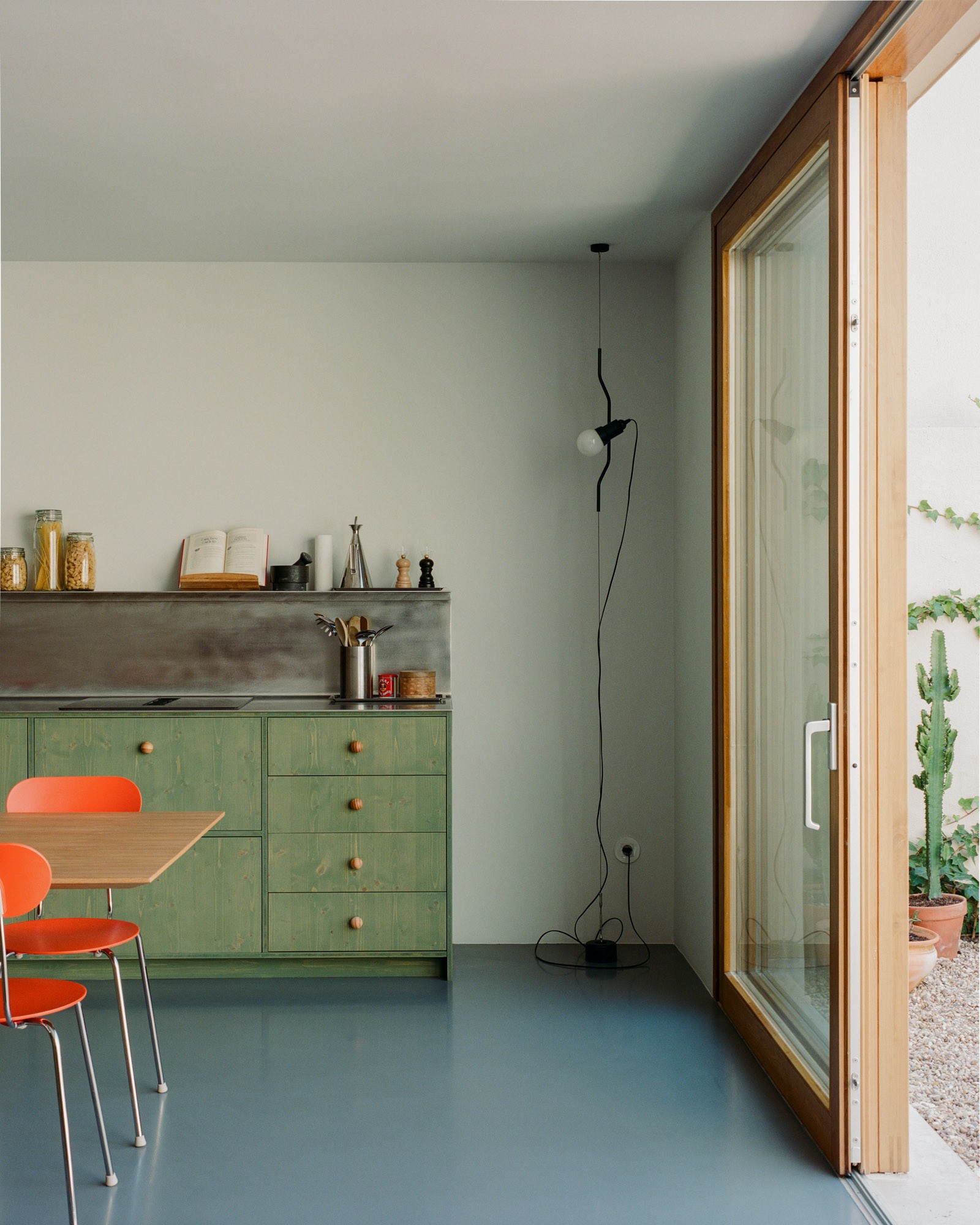

Conceived during the pandemic, the project carries a quiet urgency. It is less interested in perfecting a program than in restoring a shared pulse: the small rituals of meeting, cooking, talking, and lingering. Rather than tightening function into rigid zones, it works through atmosphere, sequence, and proximity, cultivating an imagined joy that could hold its ground in difficult months.
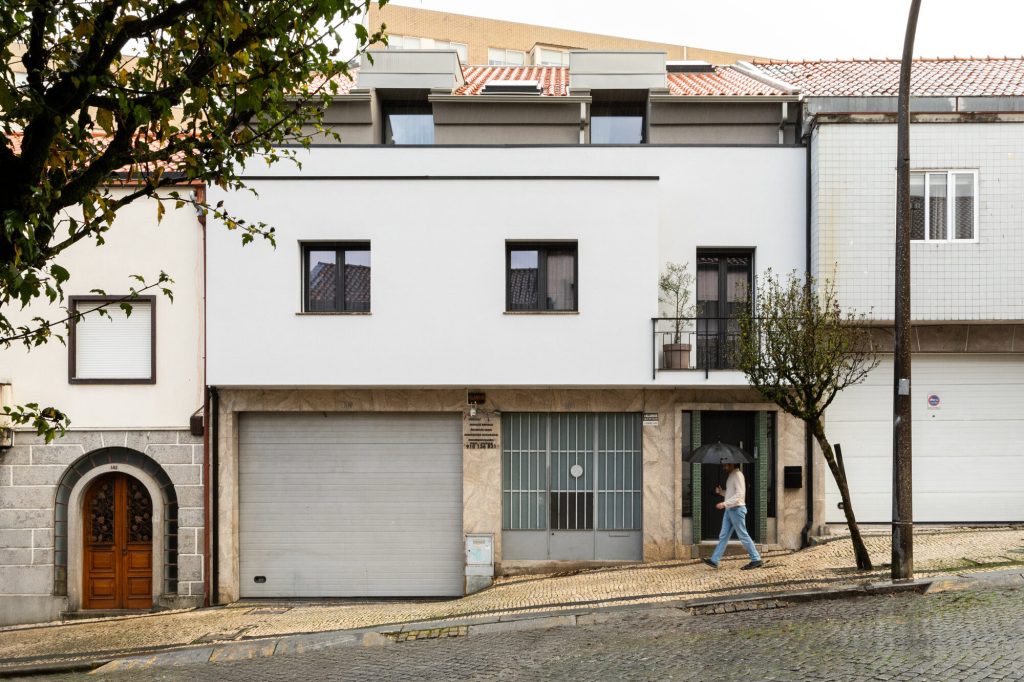
From the street, almost nothing changes. The original façade remains intact, offering only subtle cues that something has shifted within. That restraint is deliberate: it protects the building’s character and avoids turning renovation into display. The transformation appears at the rear, where the extension introduces a renewed façade that does not compete with the existing architecture. It reads as a continuation of the building’s timeline, adding another layer to its story so old and new register as a measured evolution rather than a staged contrast.

This new rear condition deepens the relationship with the garden, foregrounding what became essential in that period: sun, earth, water, and leisure. The outdoors is not treated as scenery but as a room, a daily resource, and a partner in domestic life. The result is an architecture that encourages slower occupation, where gathering becomes a default condition rather than a special event.


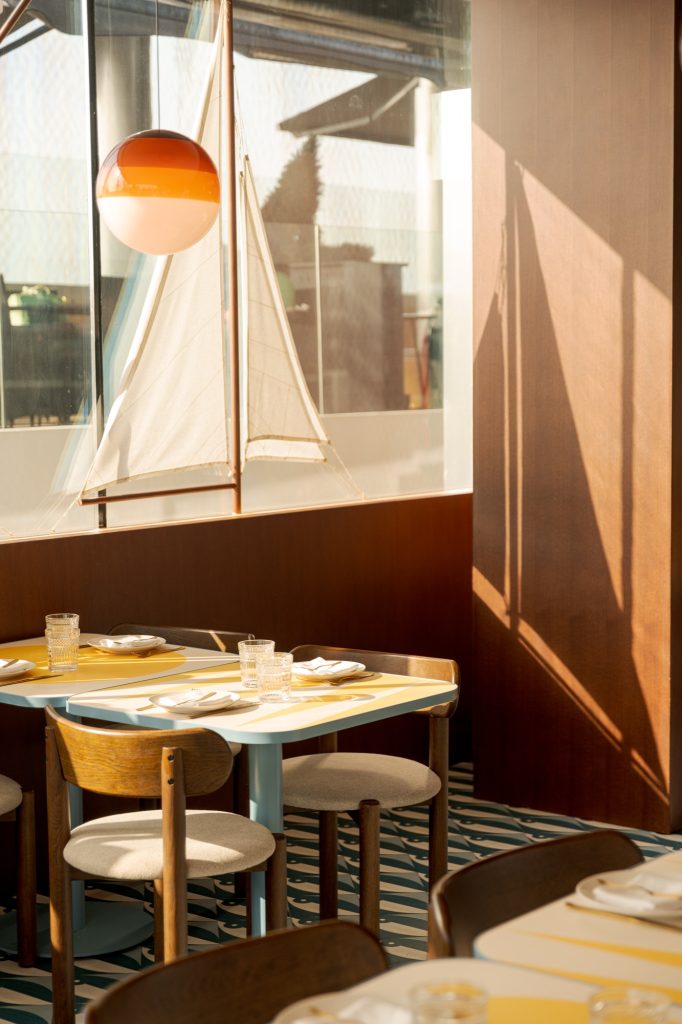
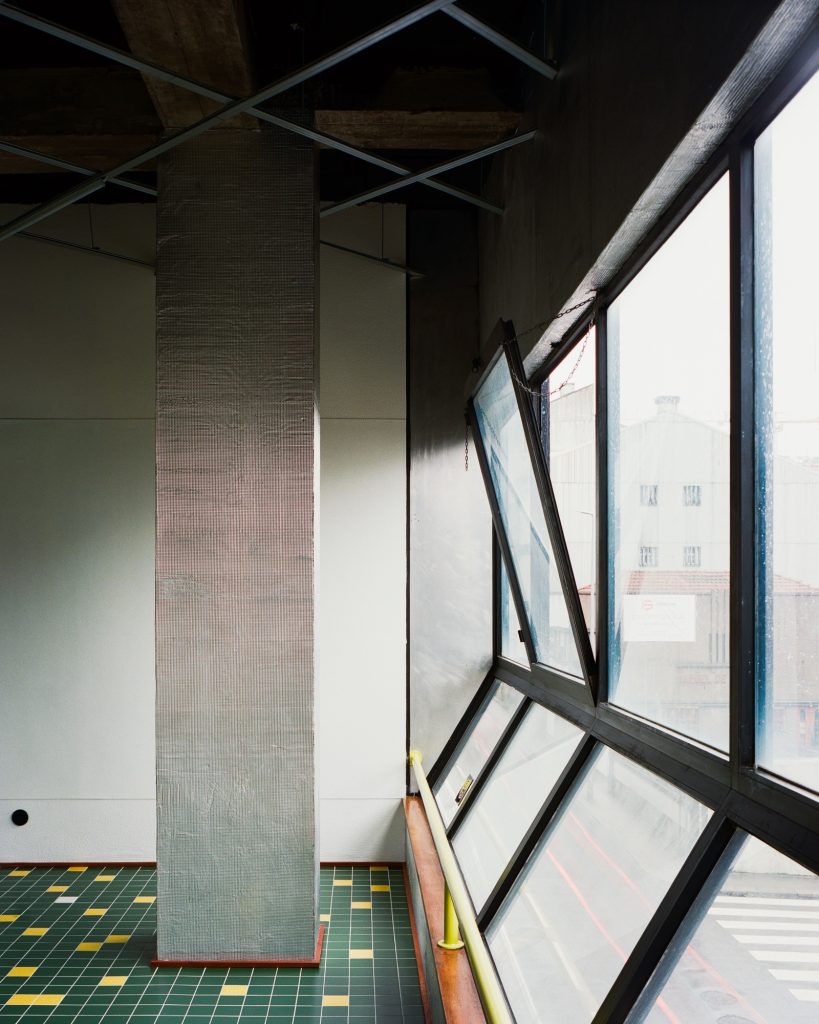
Inside, familiar materials are repeated with care and adjusted until structure and surface feel continuous. Structural wood panels, treated with green oil, introduce a restrained vegetal tint, while a slightly bluish industrial floor steadies the spaces with pragmatic calm. Painted steel sheets add a precise, workmanlike sheen, and wooden frames hold the construction with understated clarity. Natural elements sharpen the sensory register: Sintra limestone brings density and coolness, while river pebbles add texture underfoot and a quiet reminder of water’s presence. Together, these choices form a palette that balances utility with pleasure, privileging touch, light, and time over effect.


Ultimately, the project renews the relationship between people, rooms, and landscape. It reframes the spaces of gathering as places where community can be rehearsed and sustained, even when certainty is unavailable. By keeping the street composed and investing in the garden-facing life of the building, it makes a simple argument: architecture can carry vitality and joy without forcing a spectacle.


Project Credit
Project name: Marvila
Location: Portugal, Lisbon
Design firm: Atelier José Andrade Rocha / @atelierjoseandraderocha
Completed: 2024
Photo: Francisco Ascensao
More Photos