Now Reading: The loft inspired terracotta clad home in Williamsburg
- 01
The loft inspired terracotta clad home in Williamsburg


A new residential building at 103 Grand Street is quietly testing how much generosity a small New York development can still hold. Set in the middle of Williamsburg, Brooklyn, the three home, 7,300 square foot project brings back the spatial drama of classic loft living, then pairs it with what buyers now chase most: real outdoor space that feels private, not symbolic.

Designed by Brooklyn studio Of Possible and built by Rise Development, the building contains two duplexes and one triplex. Each unit is shaped around volume, daylight, and terraces, pushing the envelope of the site while keeping the experience tactile and carefully finished.

From the street, 103 Grand Street stays close to the neighborhood’s familiar red brick rhythm. The move is less about nostalgia than continuity, letting the building sit comfortably among the older townhouse and industrial fabric that defined Williamsburg long before it became a brand.

The rear facade takes the opposite role. Instead of treating the back as a service elevation, the project gives it the most expressive surface, a custom terracotta rainscreen that turns the courtyard side into the building’s visual signature.
The entire rear is wrapped in fluted terracotta tile by Shildan, detailed with a profile that echoes an S curve found in the interior linen curtains. It is a rare, almost intimate gesture: the exterior does not simply represent the interior, it quietly quotes it.
That terracotta skin also works with the building’s stepped massing. The back is terraced so every unit gains multiple private outdoor areas, creating a stack of open air rooms rather than a single token balcony.

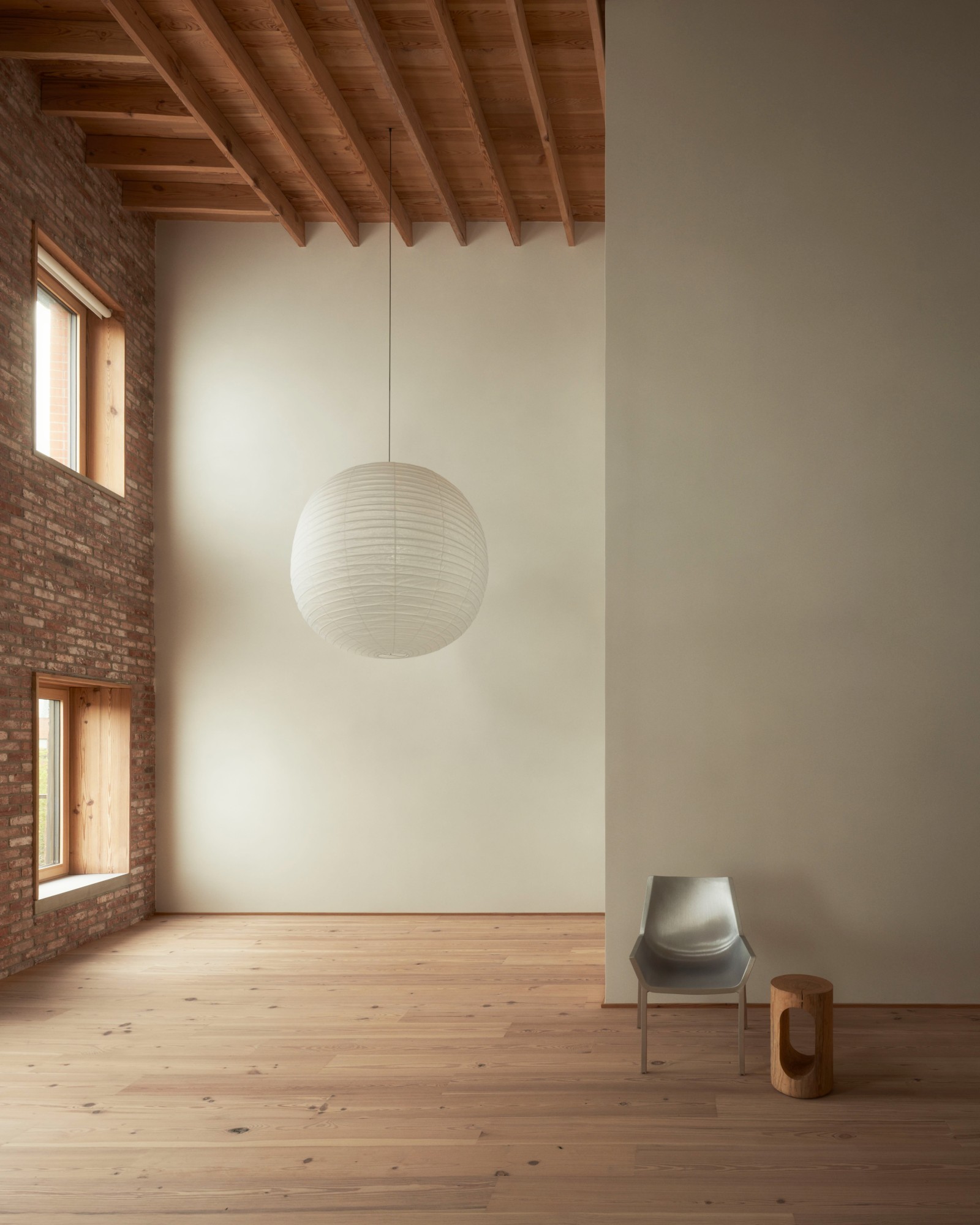
Inside, each residence leans into loft proportions, with 18 foot double height spaces that recall warehouse conversions more than typical new construction. Floor to ceiling glass along the rear facade pulls daylight deep into the homes, turning the terracotta side into a luminous backdrop rather than an afterthought.
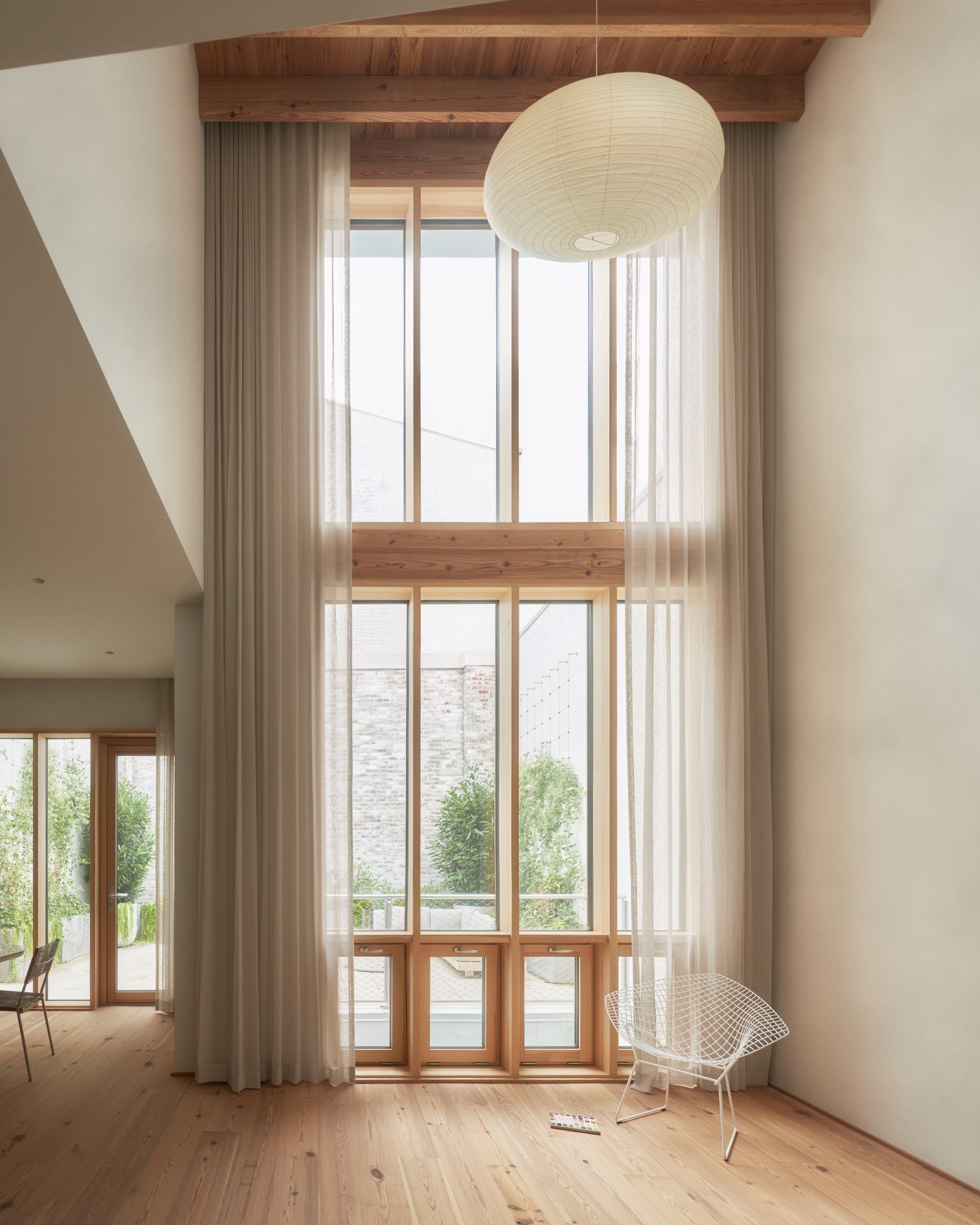
Of Possible founder Vincent Appel frames the idea as a response to the current market’s relentless efficiency. Loft living, he argues, once defined the Brooklyn experience, yet newer buildings often squeeze out the very volumes that made lofts feel expansive. At 103 Grand Street, the studio aimed to recombine modern comfort with the mix of scale and variety found in older conversions, adding outdoor space as a core amenity rather than a bonus.
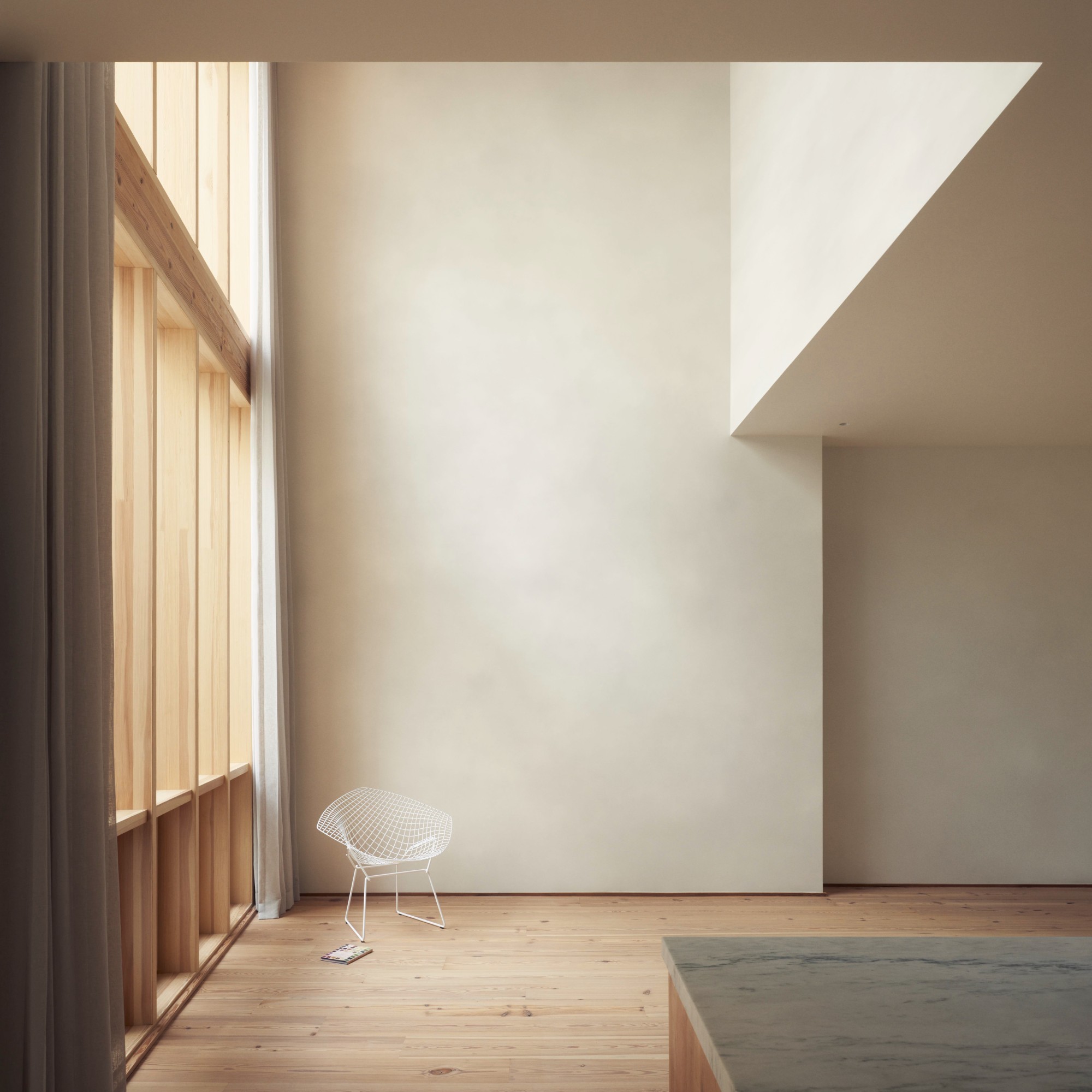
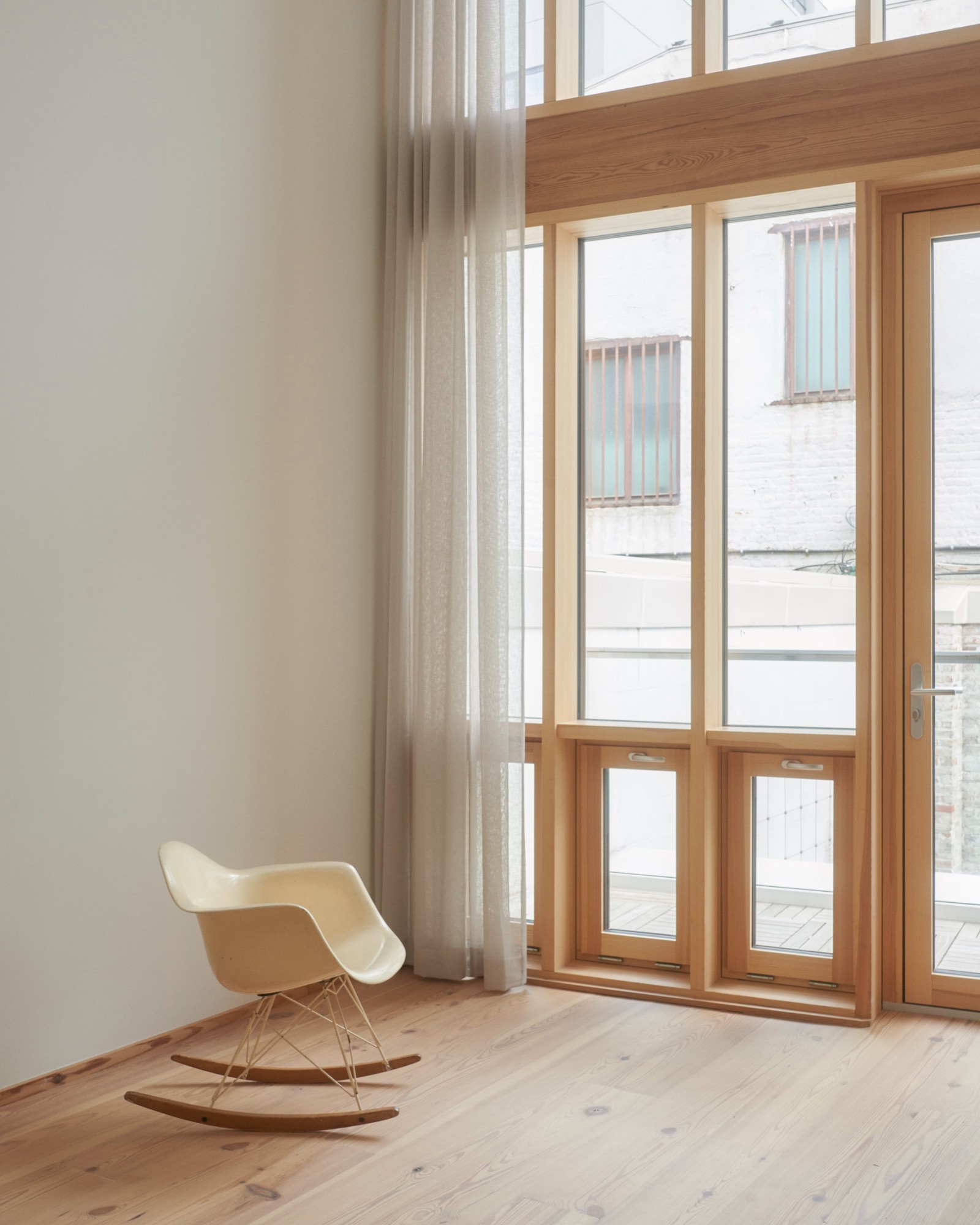
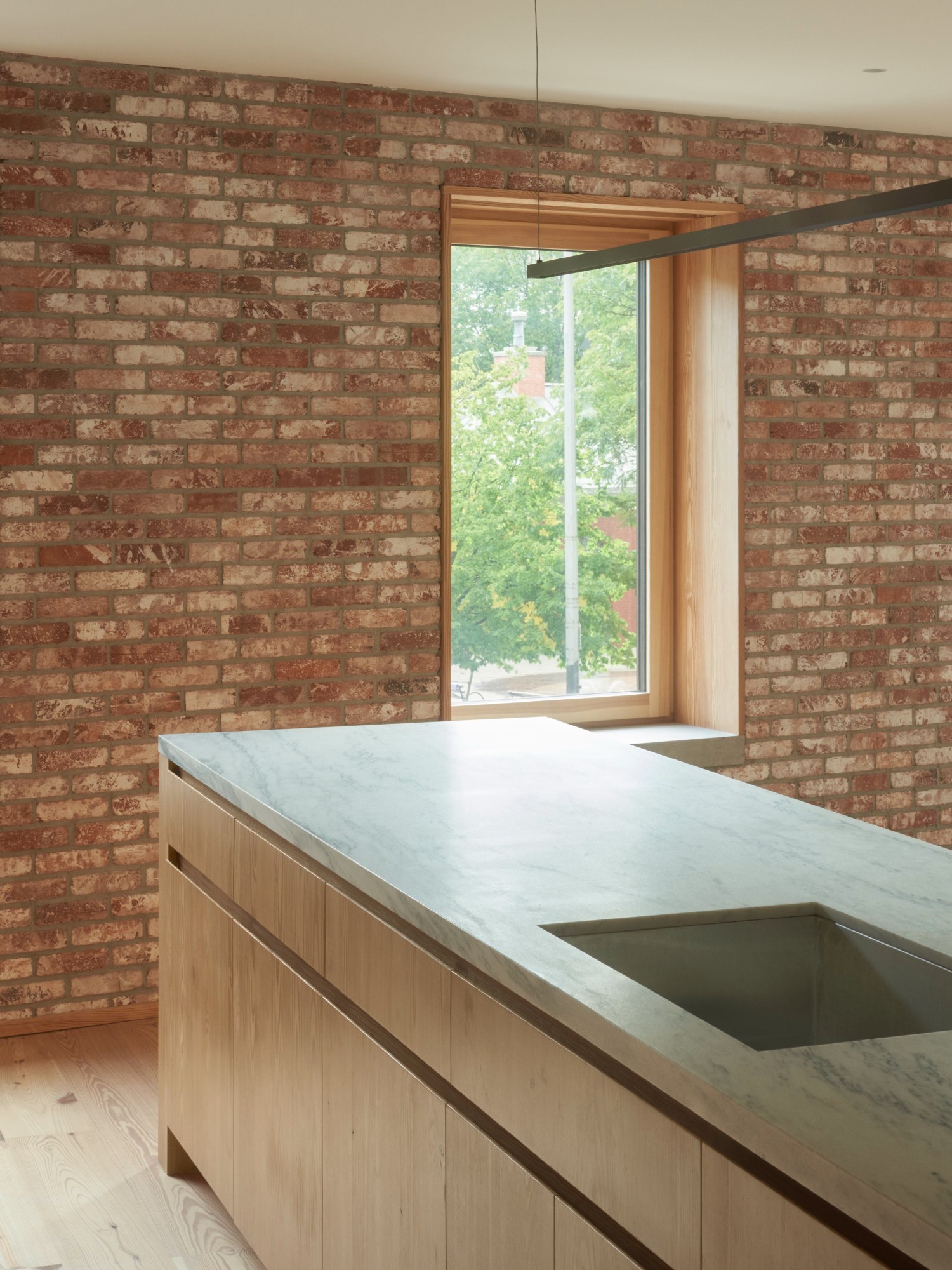
A major part of that atmosphere comes from reclaimed heart pine supplied by Madera Surfaces. Salvaged from a mid nineteenth century building in Queens scheduled for demolition, the wood reappears throughout the project in flooring, cabinetry, window casings, and door surrounds. The choice nods to the original heart pine common in nearby townhouse interiors and former factory buildings, but it also does something more immediate: it softens the glass and volume with a warmth that feels lived in from day one.


The broader material palette stays rooted in Williamsburg’s industrial vernacular, combining brick, patinated metal, plaster, and large format glazing. Old and new are kept in tension, with the reclaimed surfaces carrying history while the terracotta and glass push the building toward a sharper contemporary edge.
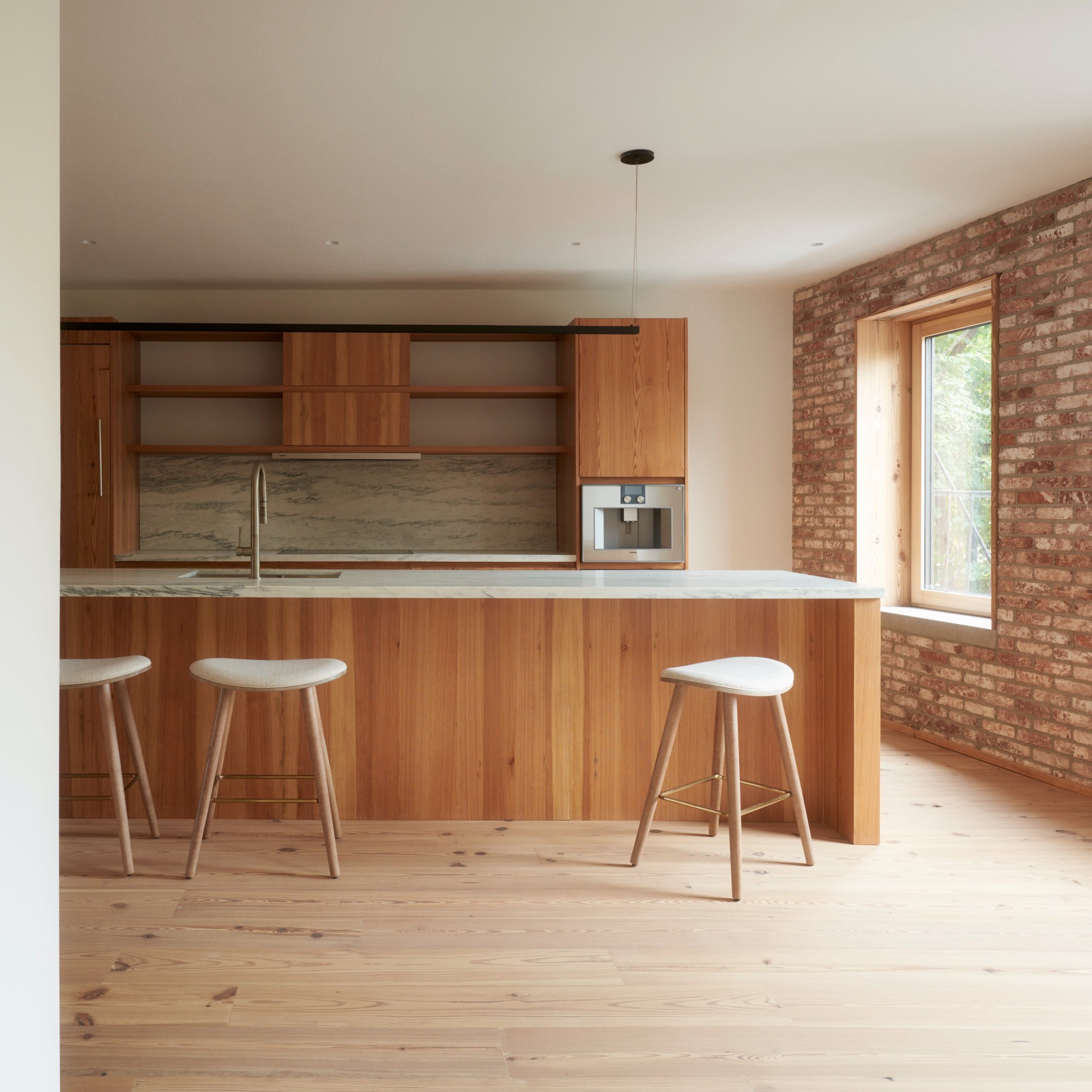
The project was designed to go beyond New York City’s Zone Green standards. High performance triple glazed windows exceed energy code requirements, balancing insulation with increased access to daylight. The building is all electric, using high efficiency heating and cooling systems to support healthier indoor air quality and steady comfort. Reclaimed heart pine adds more than character, reducing embodied carbon while bringing a sense of permanence to the interiors.
Project Credit
Project name:
Location: Brooklyn, New York
Design firm: Of Possible / @of_possible
Photo: Jake Balston
Founded by Vincent Appel in New York City in 2008, Of Possible works across development, urbanism, industrial design, sculpture, and public art. The studio describes its approach as a meeting point between the poetry of space and building science, assembling bespoke teams that move from furniture and single family houses to multifamily developments, hospitality, cultural projects, and master plans.