Now Reading: y.ad studio lets technology step back inside a cluster of soft domes in Wuhan
- 01
y.ad studio lets technology step back inside a cluster of soft domes in Wuhan

y.ad studio lets technology step back inside a cluster of soft domes in Wuhan
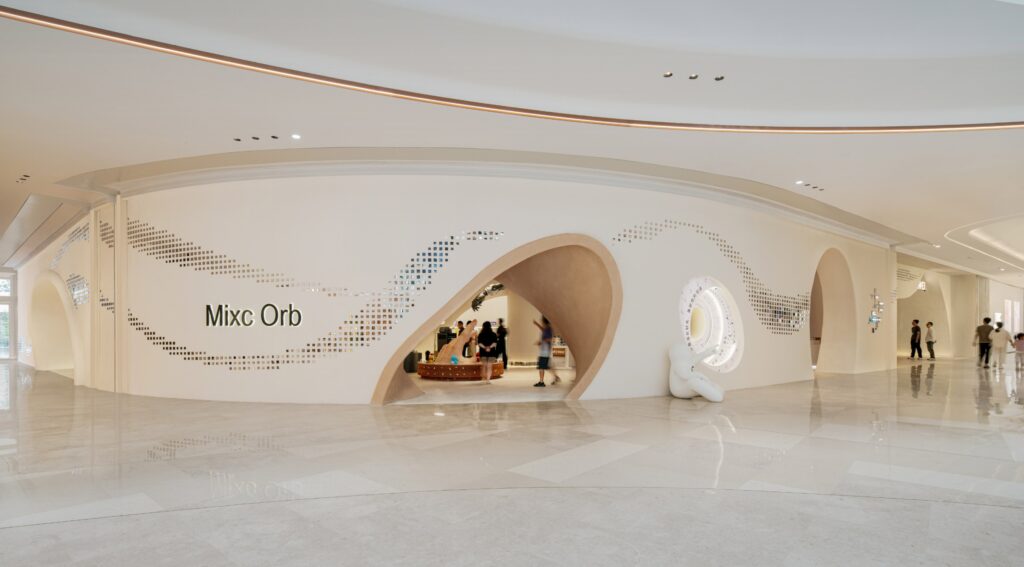
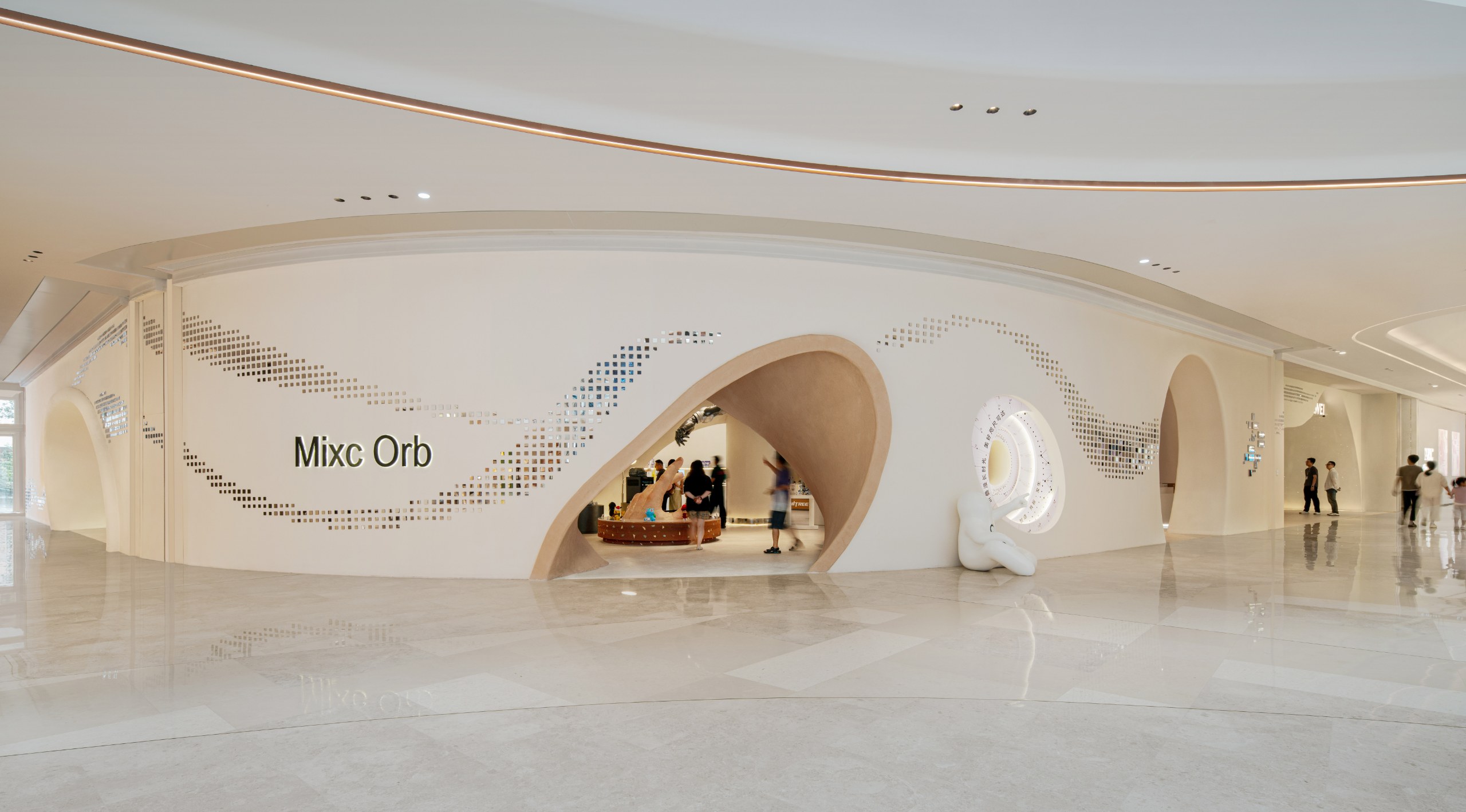
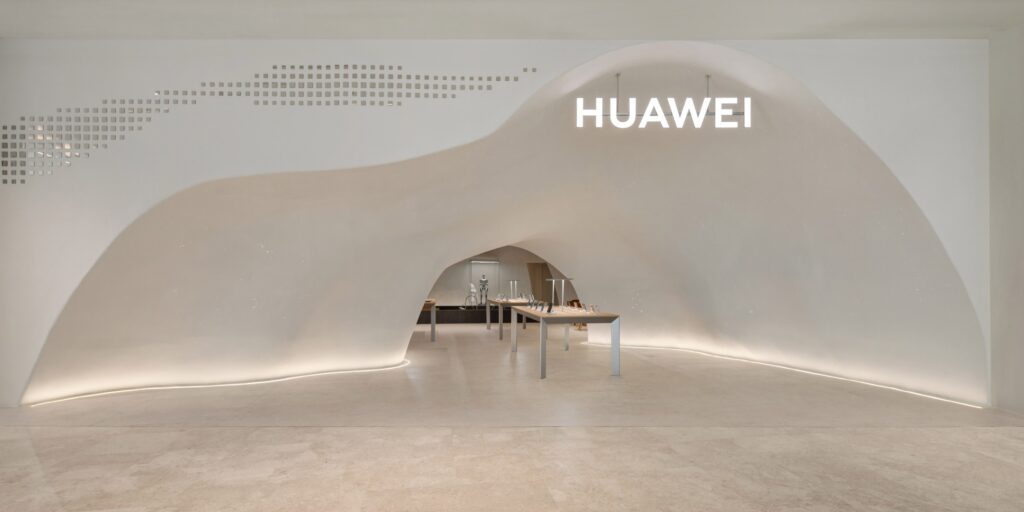
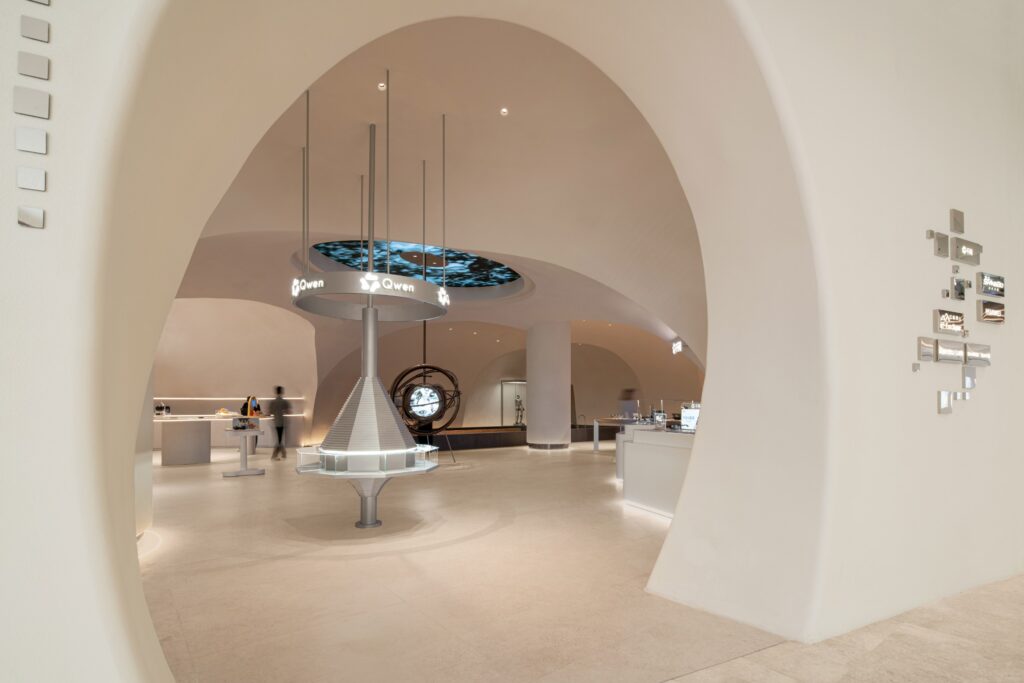
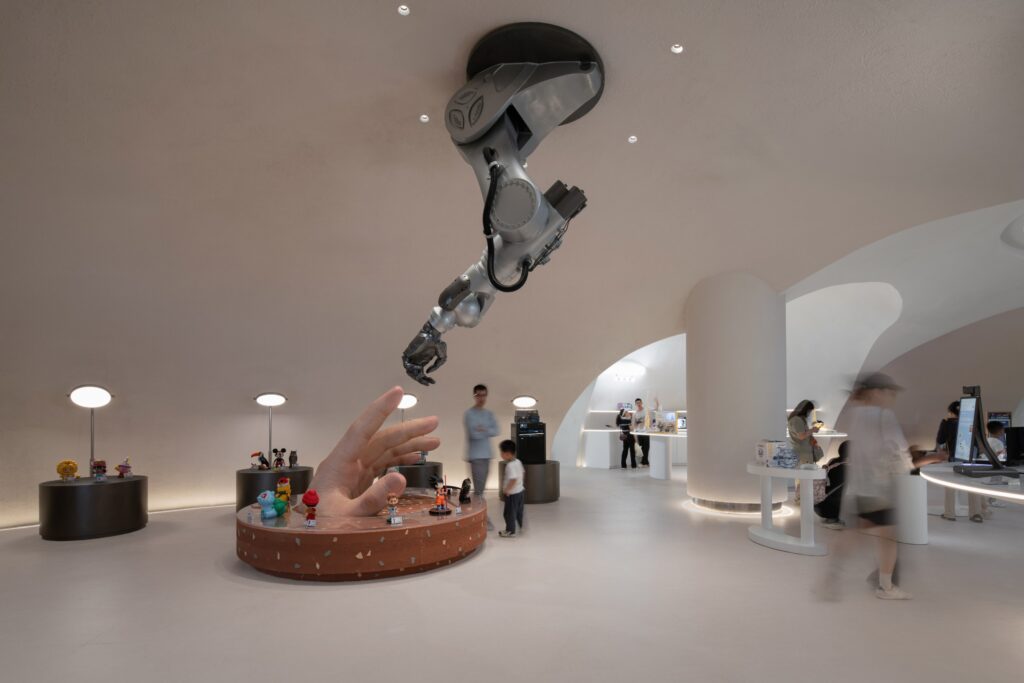
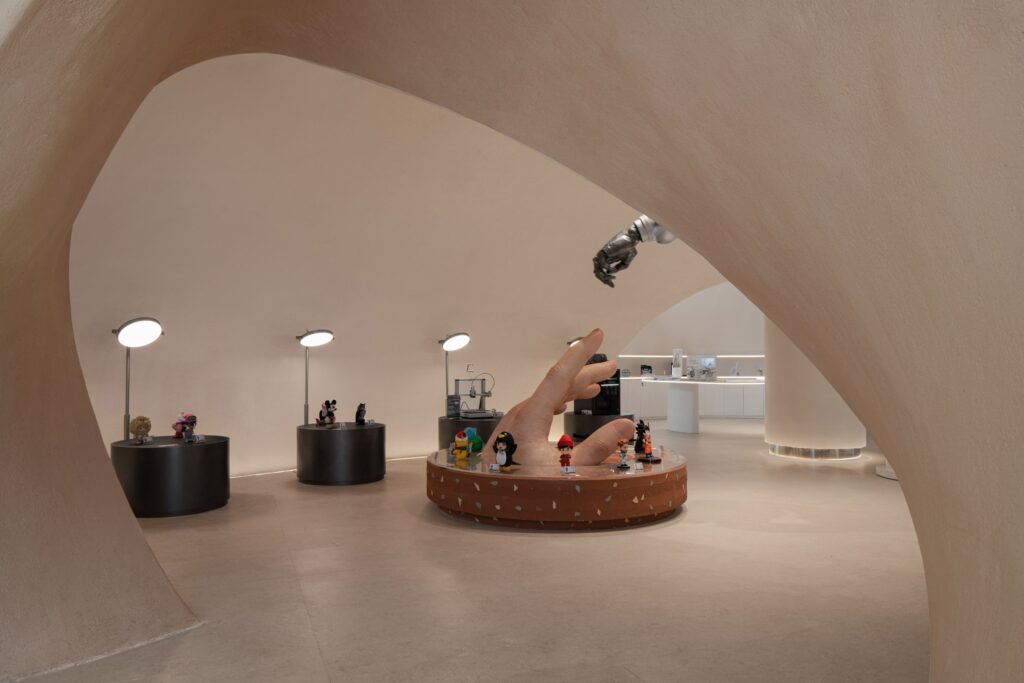
Mixc Orb sits in the central atrium of Wuhan MixC, a shopping centre in Wuhan, China. Designed by the Shanghai practice y.ad studio, it brings together several technology brands and their latest products. Yet the studio chose not to arrange robots, smart devices and screens into a usual technology showroom.
Their reasoning was simple. A collection of products, however impressive, does not add up to an experience of future living. If the future is only there to be looked at, it is no different from an exhibition. So Mixc Orb is conceived as a prototype for future living, where visitors become temporary inhabitants of another way of life rather than spectators.
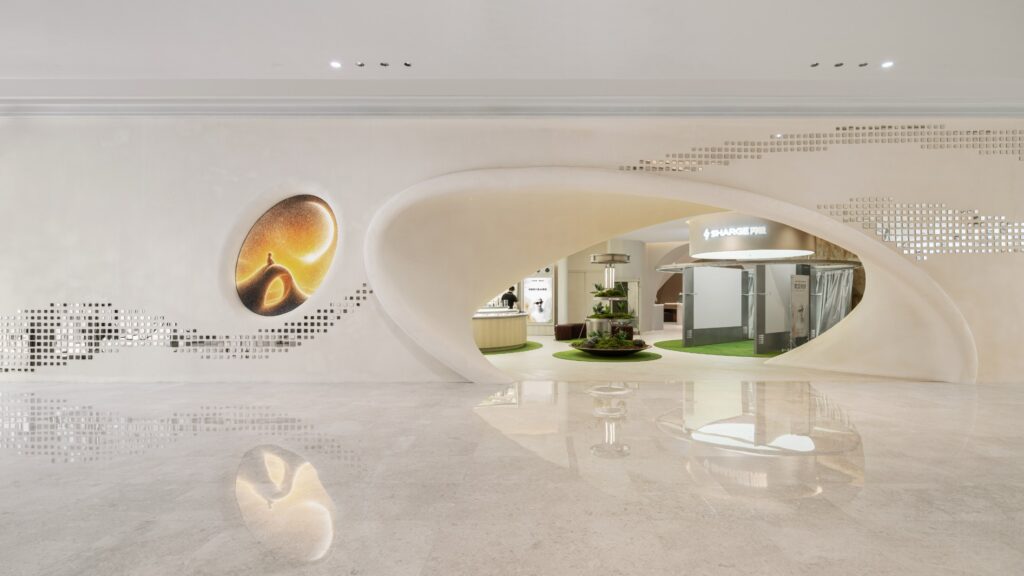
When technology steps back
Progress in technology is often measured by function, efficiency and intelligence. However, more devices can mean more to manage, more information can demand more attention, and complex systems can turn simple daily tasks into chores.
For y.ad studio, truly mature technology does not need to keep announcing itself. Instead, it should work quietly in the background, sensing, helping and simplifying. Its value lies partly in asking less of people: less to own, less to process, fewer decisions, and more free time. As a result, technology is not the main character of this space. As it steps back, human experience and everyday life can take centre stage again.
Lessons from Her
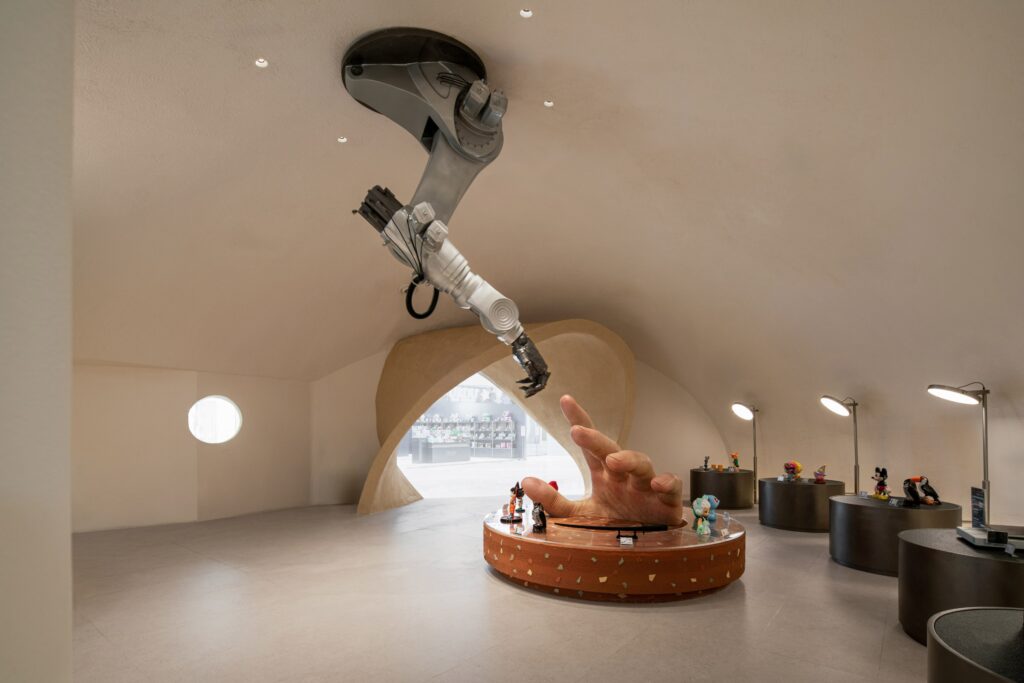
The studio looked to the film Her, which imagines a future unlike most science fiction. In that world, technology rarely appears as huge machines or showy devices. Rather, people meet it through voice, conversation and everyday company, and the bond between humans and AI goes beyond commands toward understanding and emotional connection.
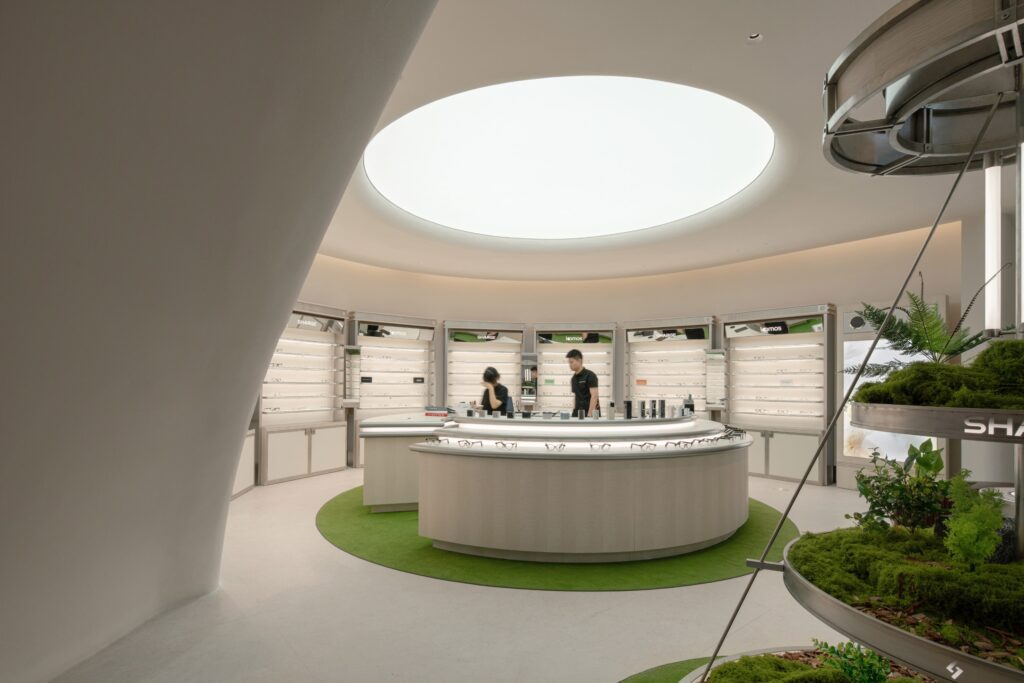
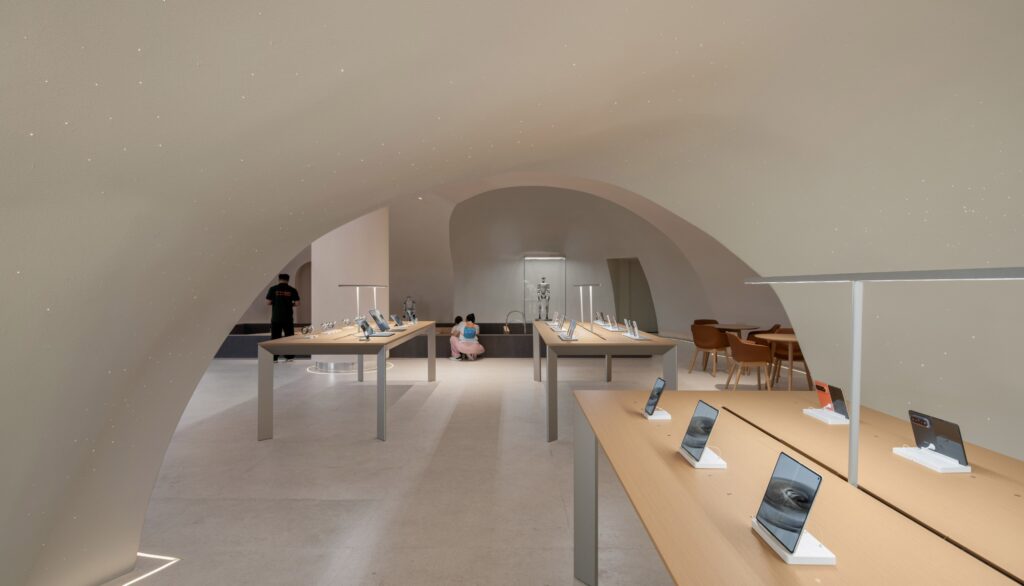
Following this idea, Mixc Orb aims for a softer, more natural setting. Light, sound, temperature and materials shape the experience, while technology works behind the scenes. This is not about hiding every device. Instead, the focus shifts from the products themselves to the ways technology takes part in daily life.
Organised around daily life, not brands
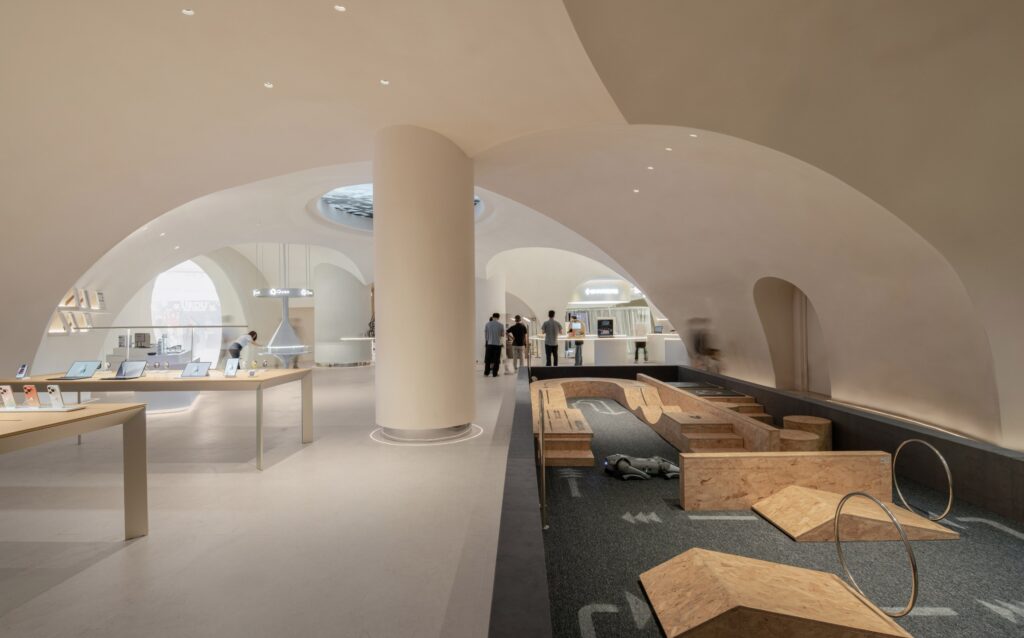
A multi-brand technology space is usually split into separate brand zones. Everyday life, though, does not work that way: robotics, AI, smart home systems and digital tools coexist and shape experience together.
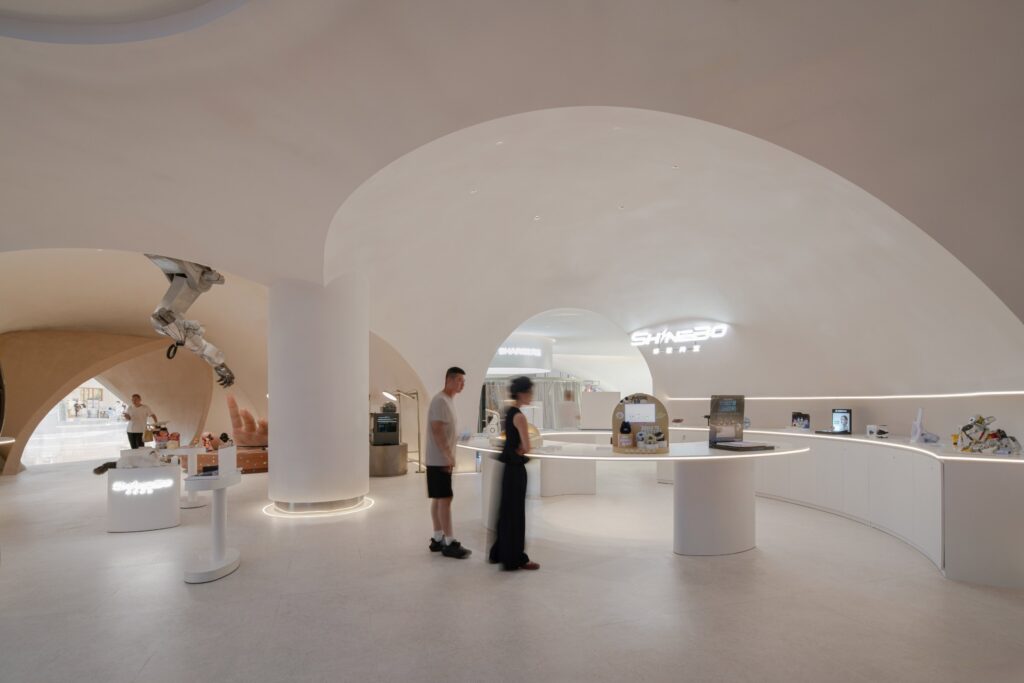
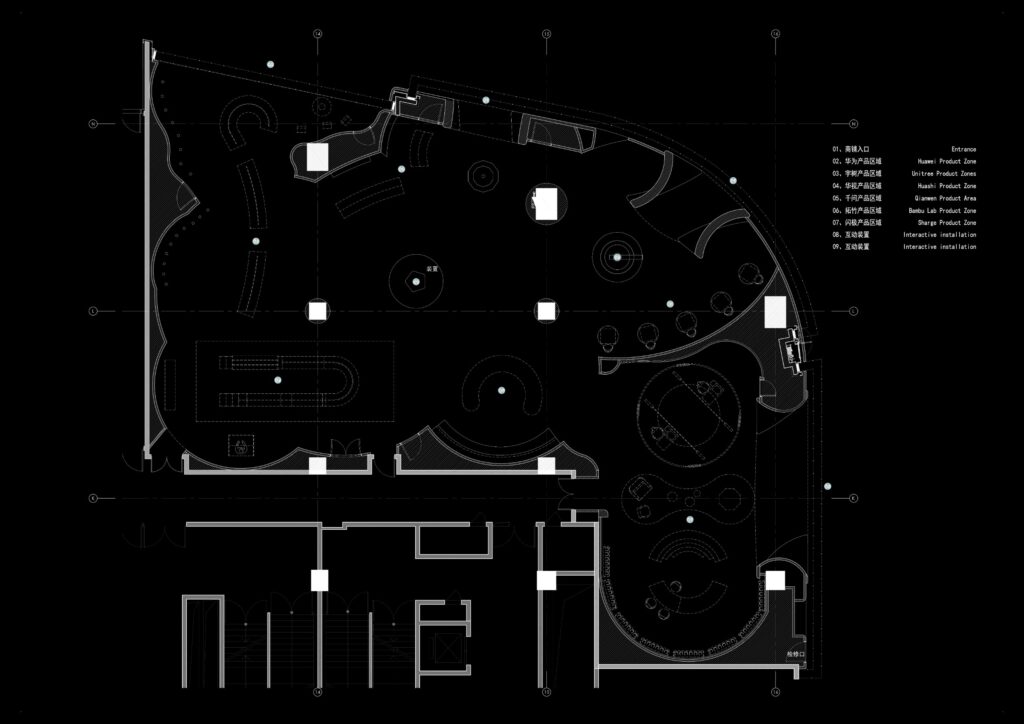
At Mixc Orb, therefore, products and technologies sit within one experiential framework rather than in brand territories. Each brand keeps its identity, while the space draws links between them. In this way, the space acts as a mediator between technical systems rather than a backdrop.
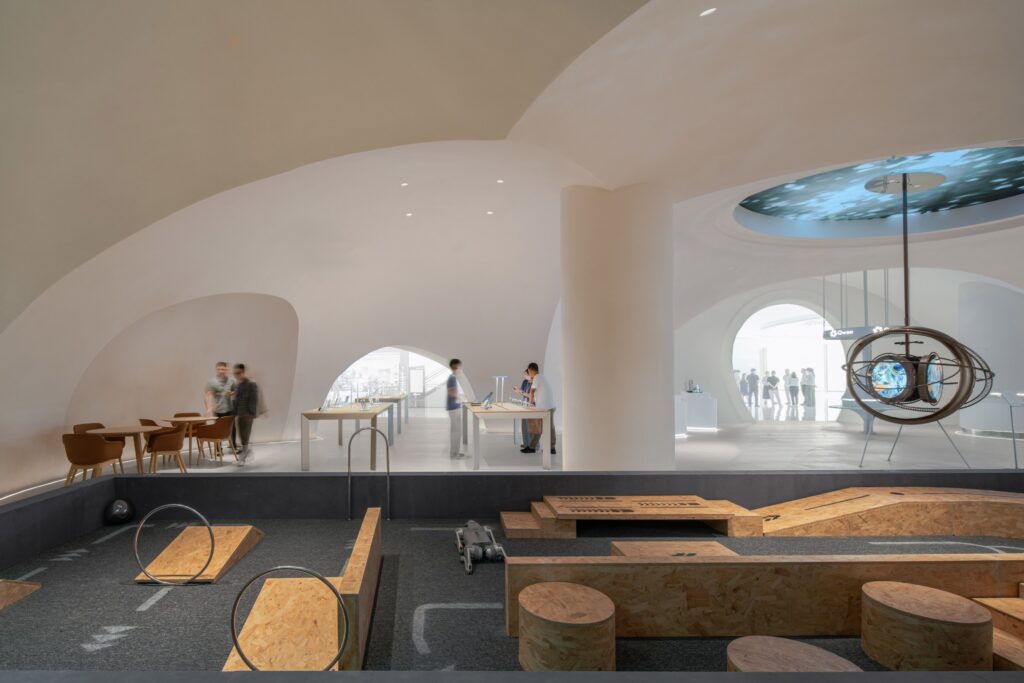
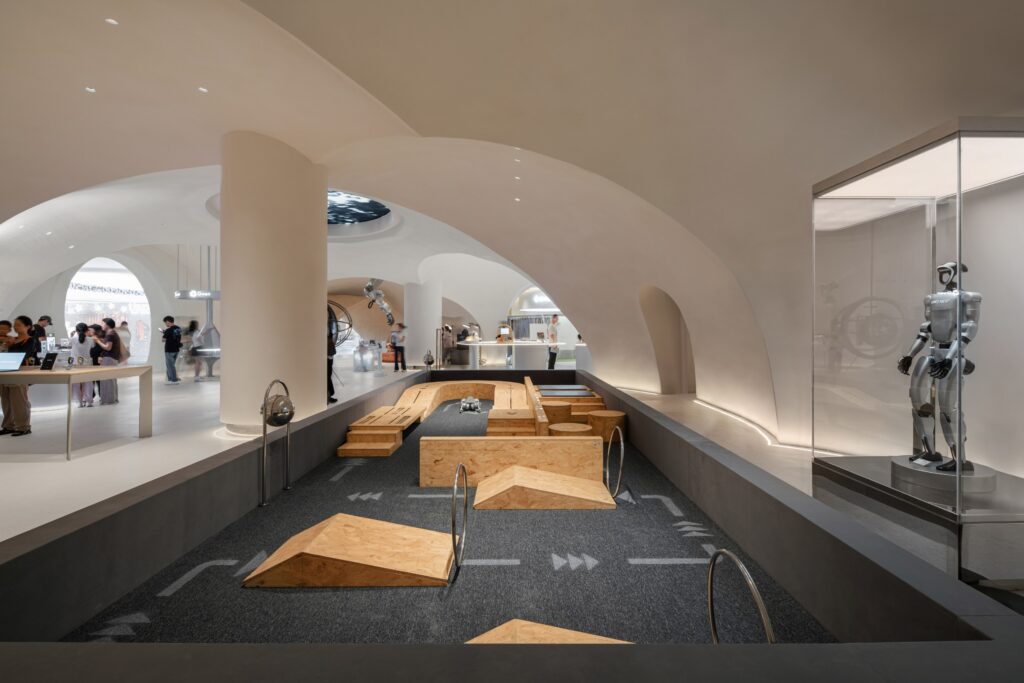
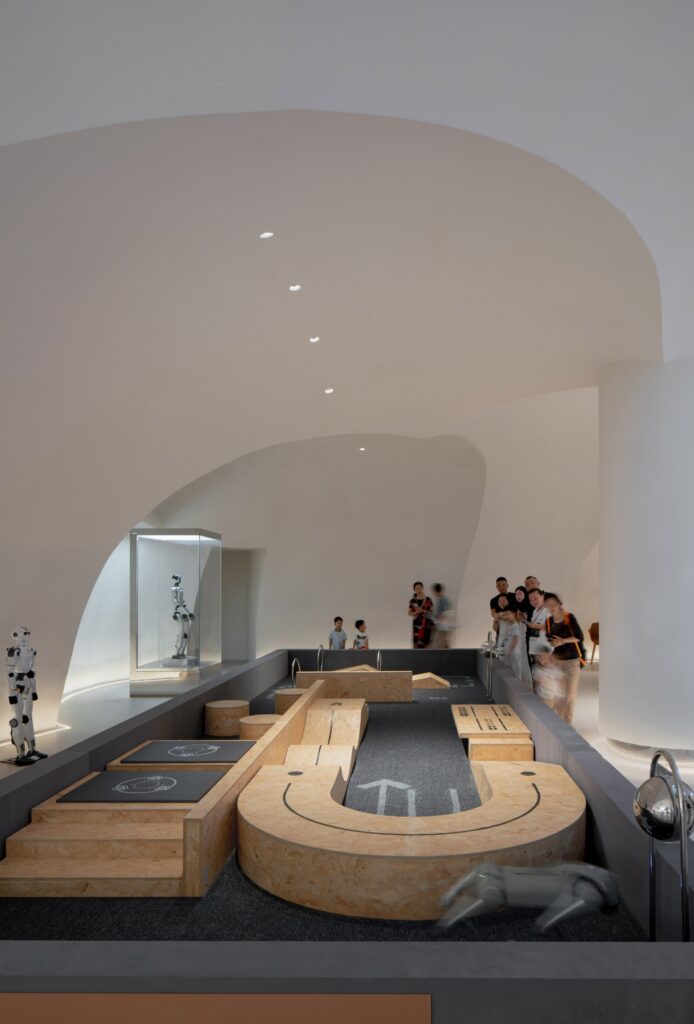
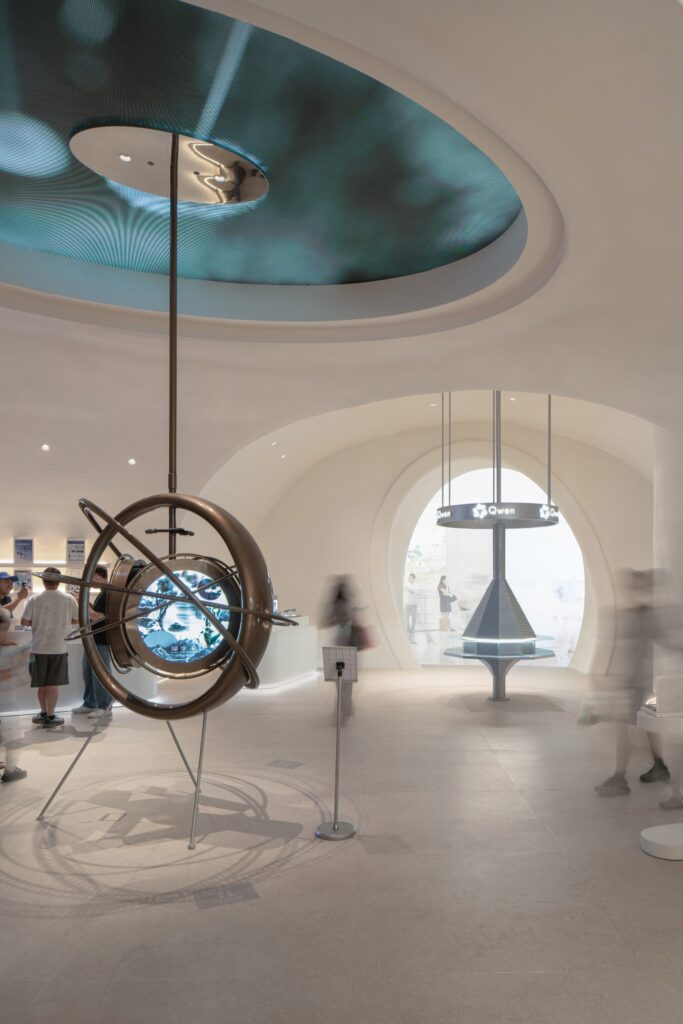
The visit unfolds as a sequence of arrival, perception, interaction and personal reflection. Visitors first sense the atmosphere. Then, as they move, pause and interact, the products gradually reveal themselves. Interactive installations and AI systems belong to this narrative rather than simply grabbing attention.
Why an orb
The name comes from the idea of a planet, a complete ecosystem in which linked parts keep an overall balance. Similarly, the studio sees future living as an interplay of technologies, environments and human behaviour, not a single device working alone.
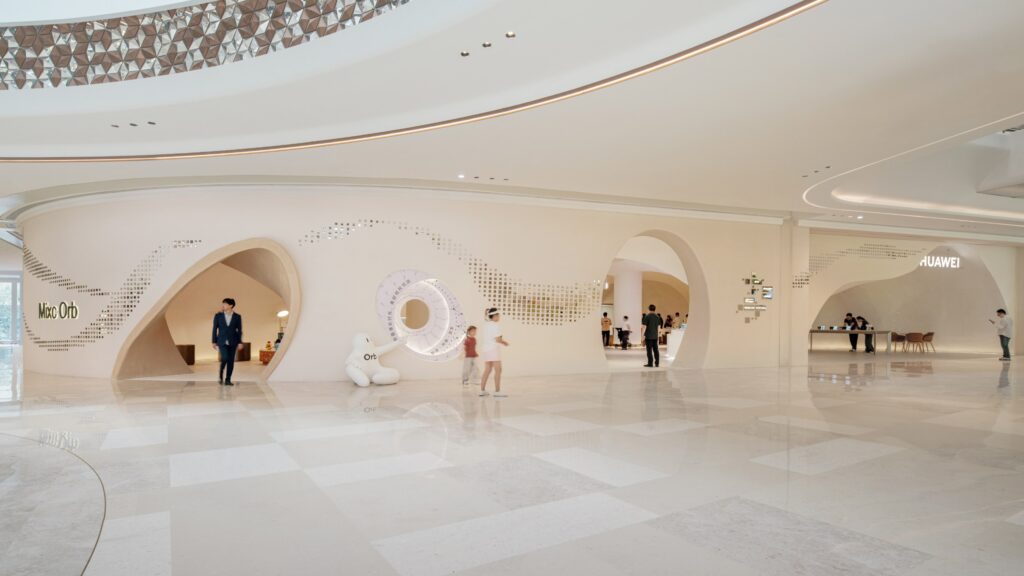
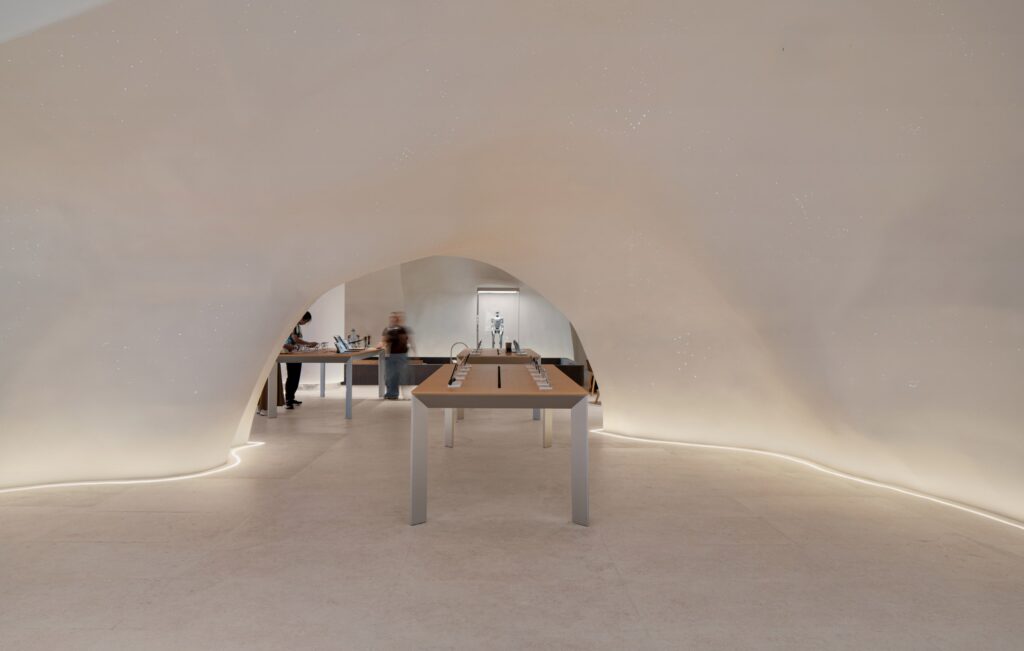
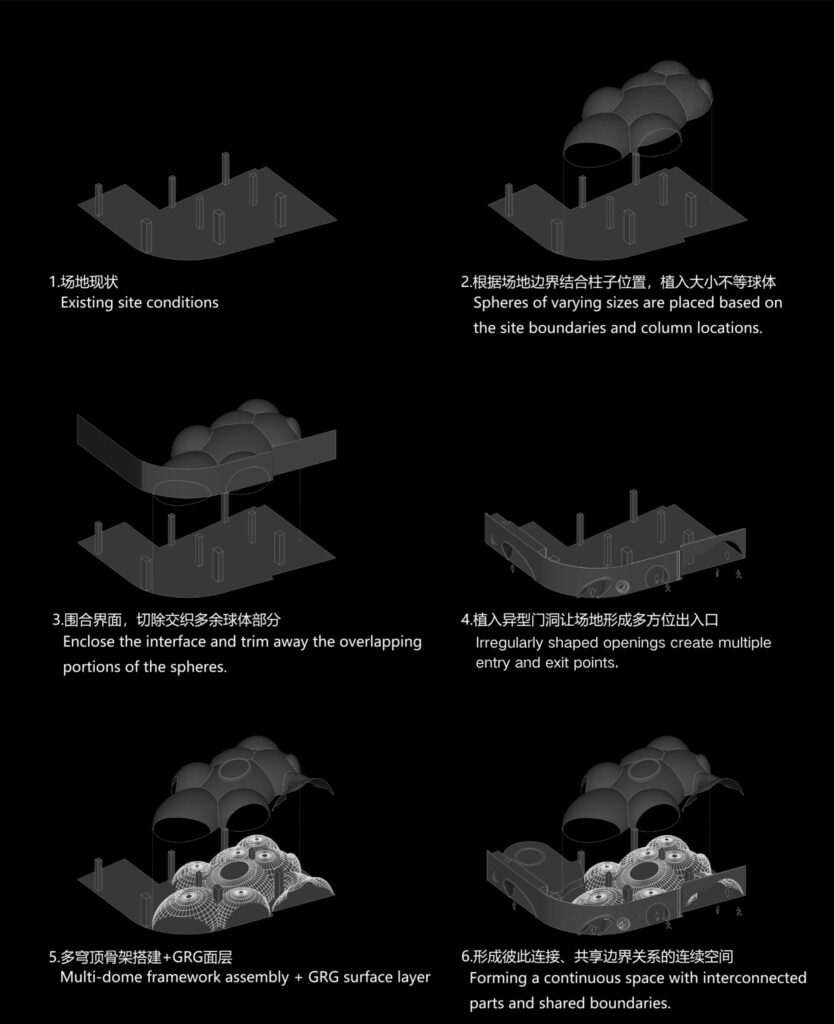
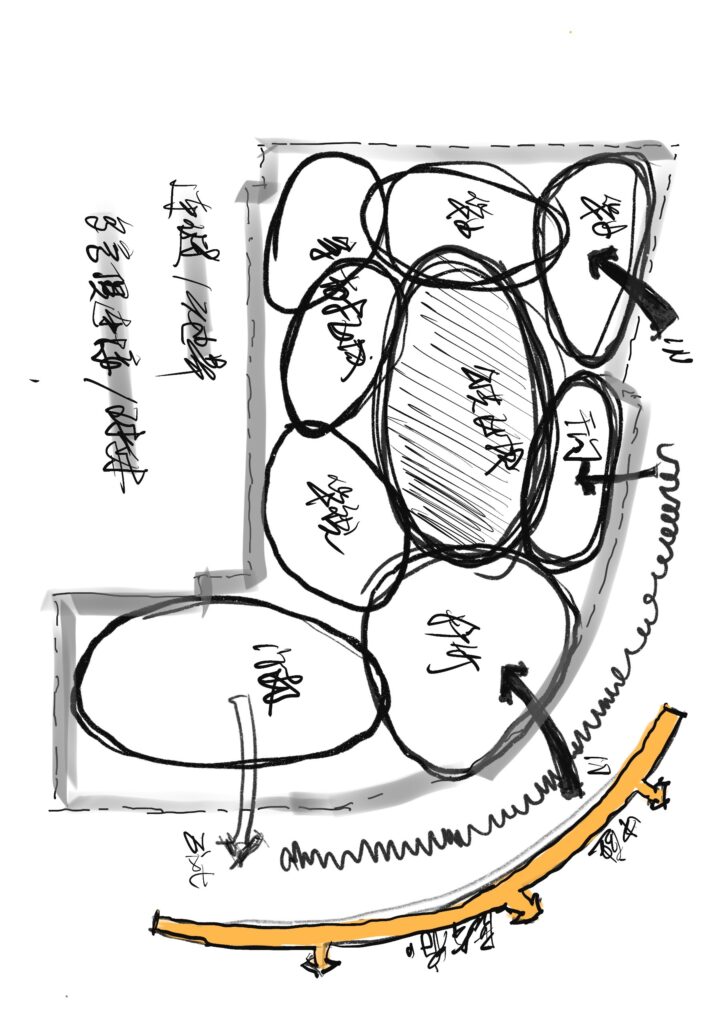
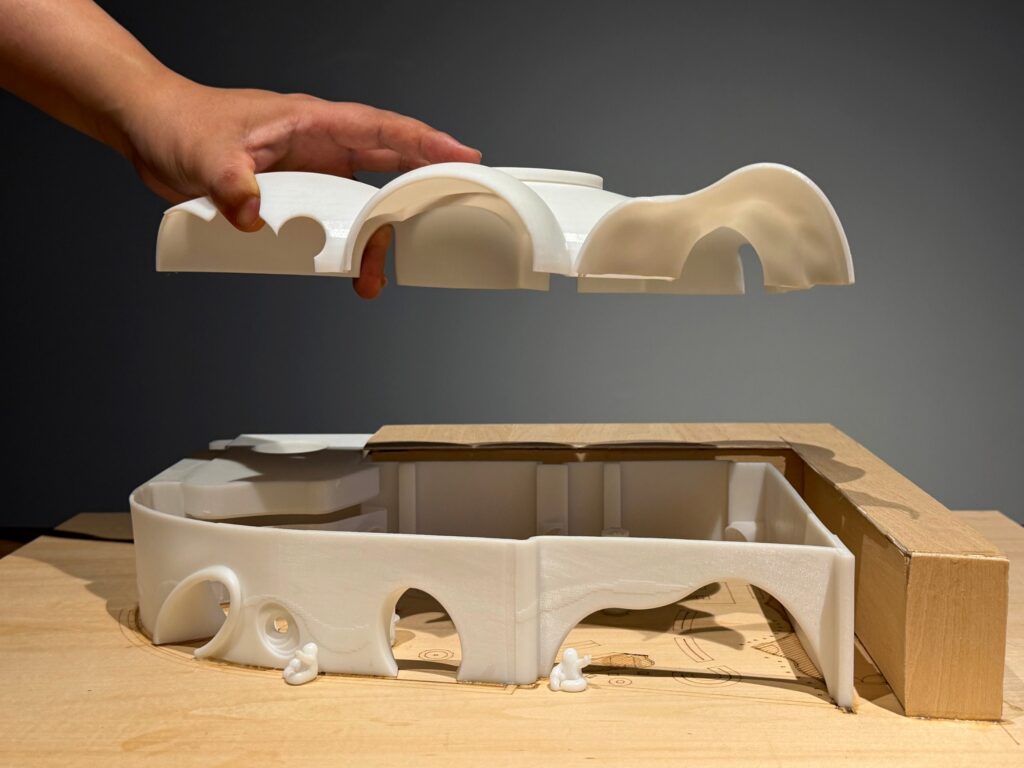
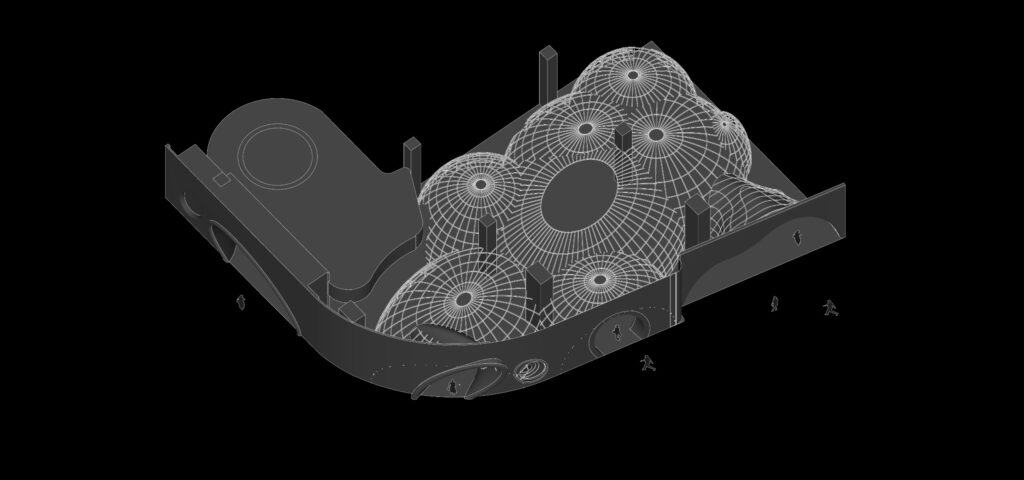
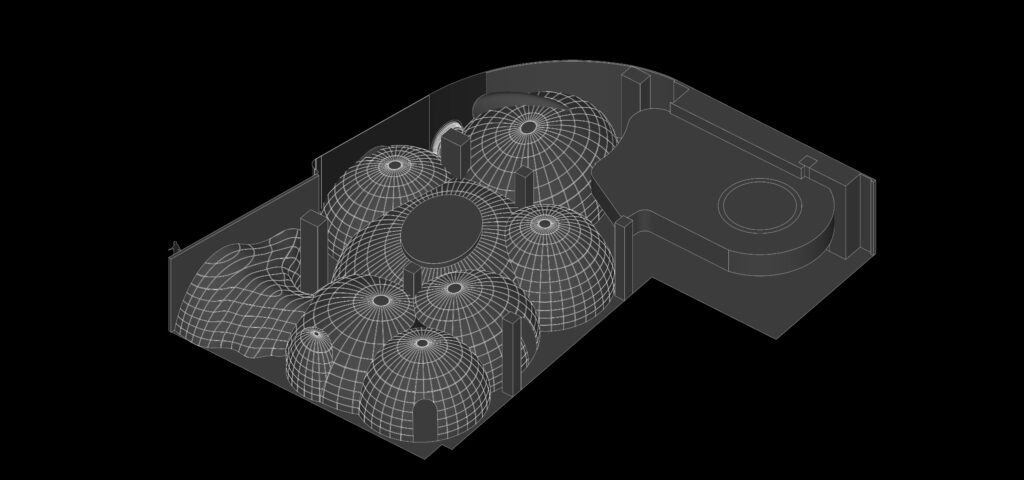
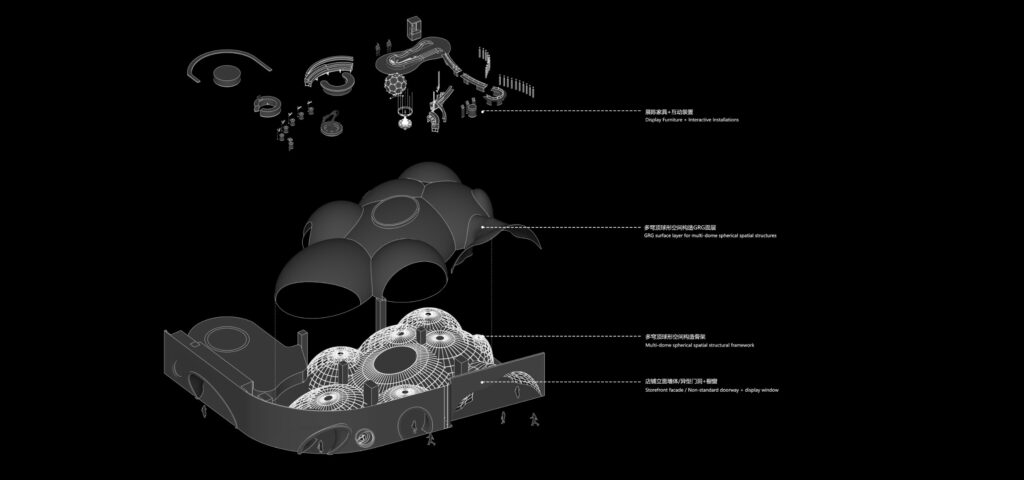
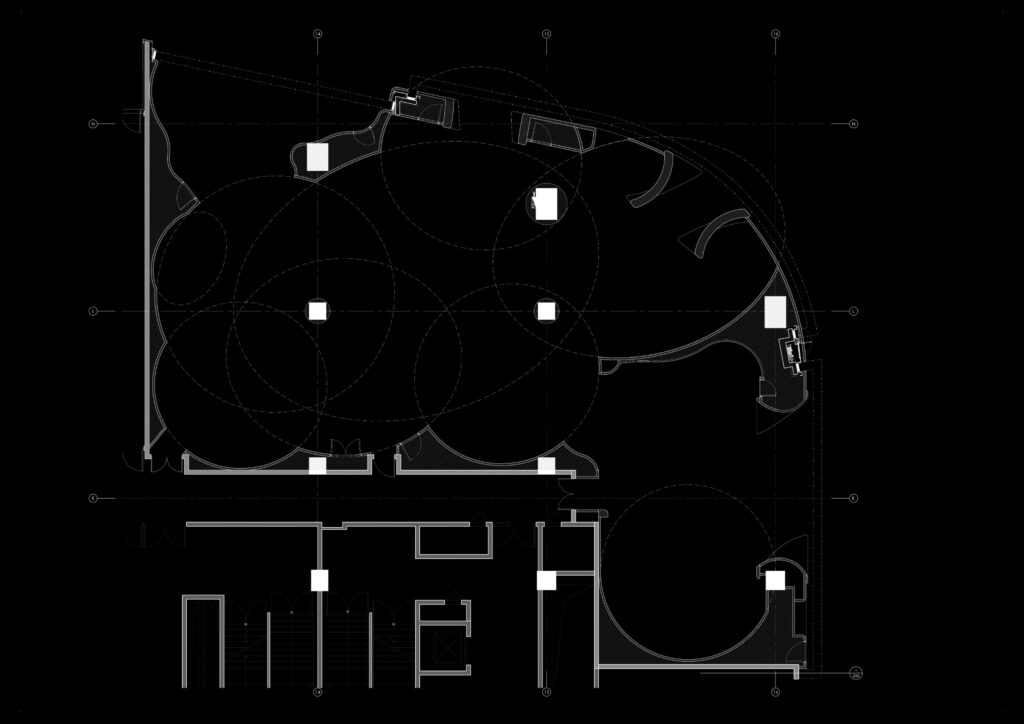
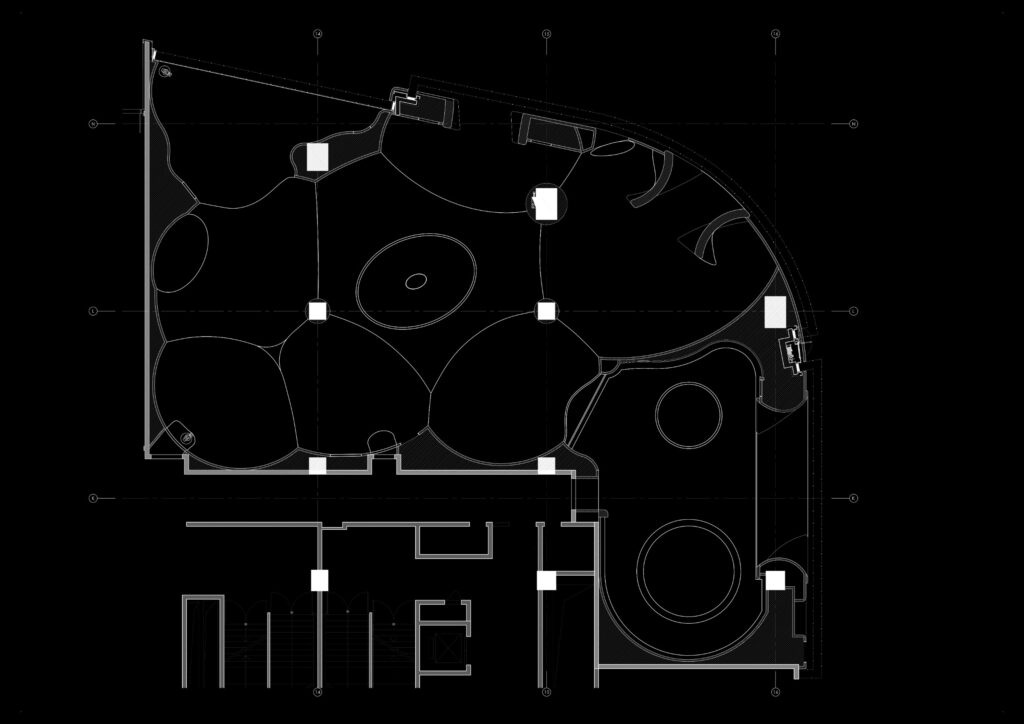
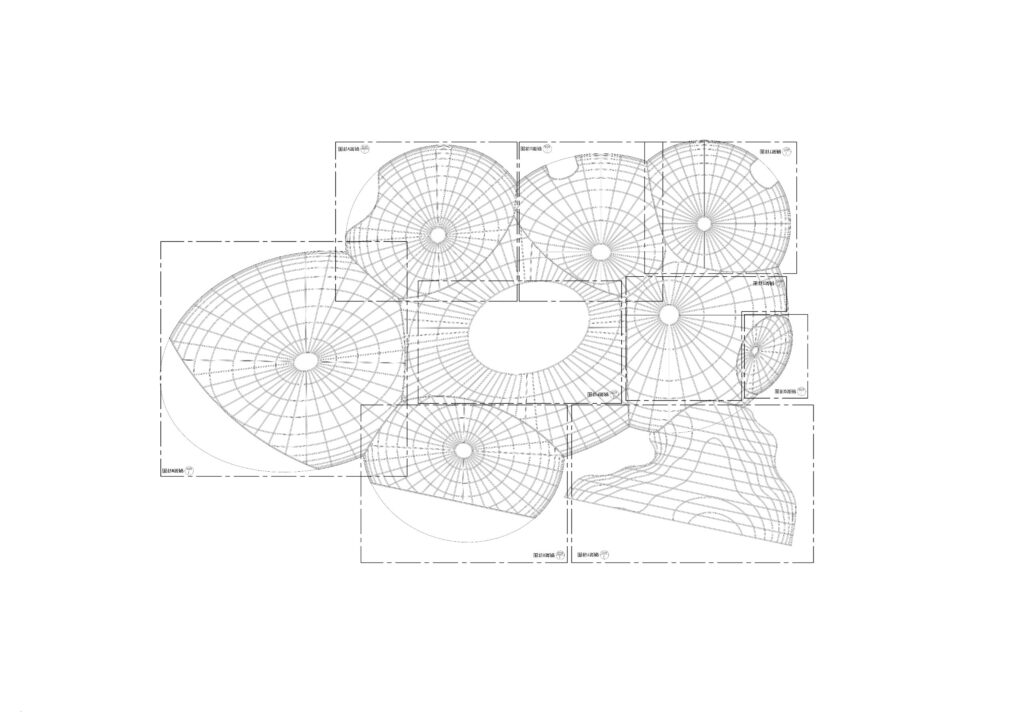
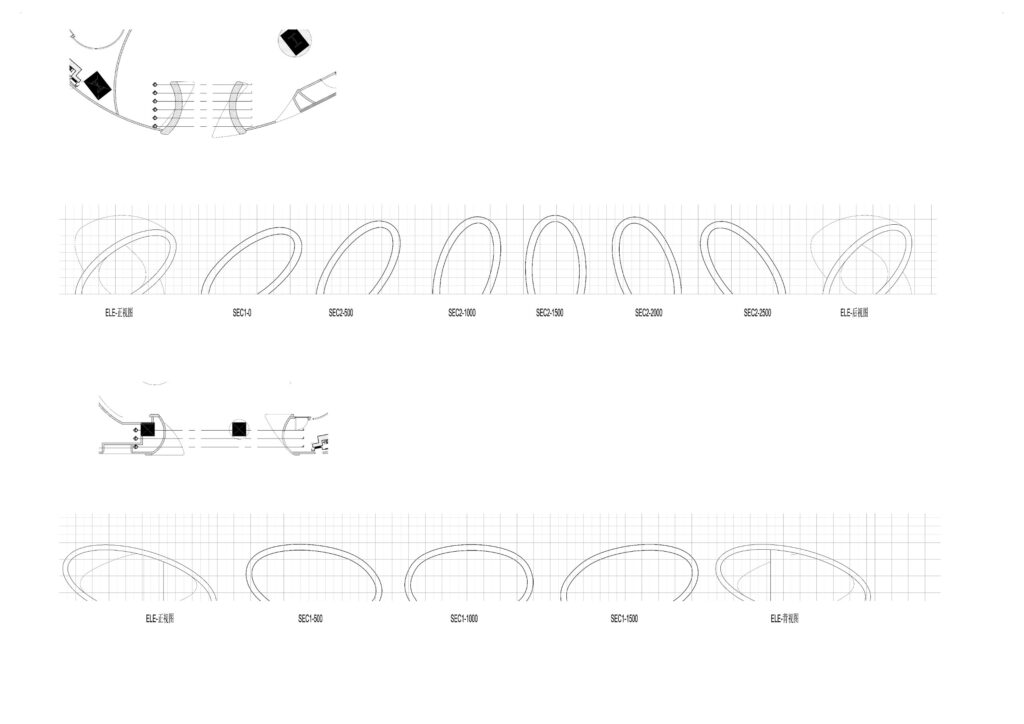
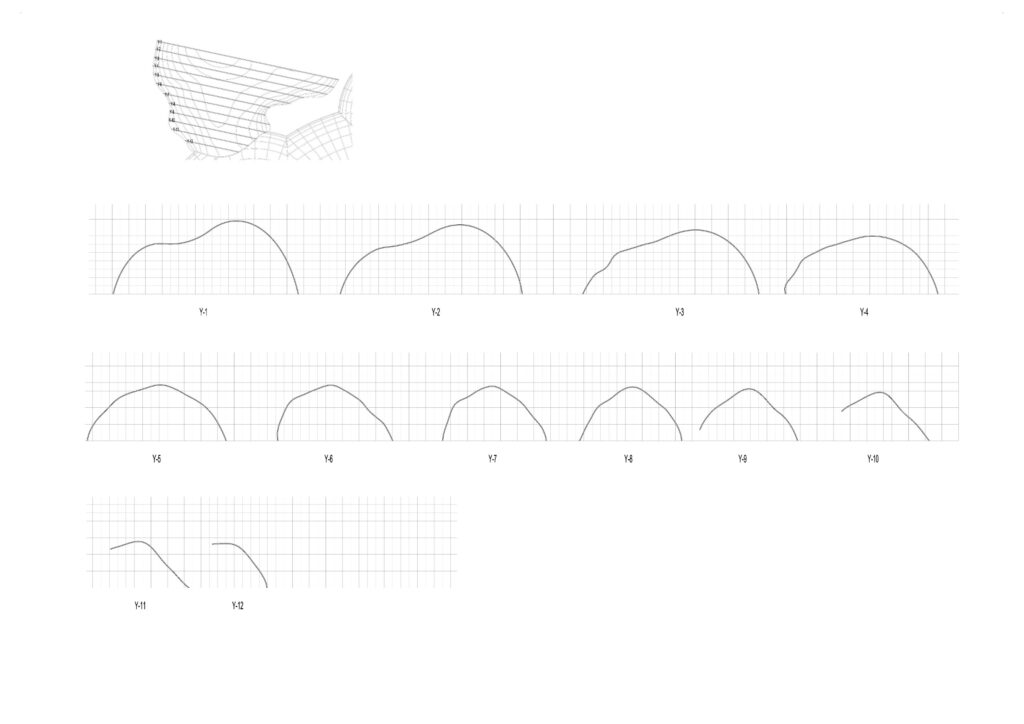
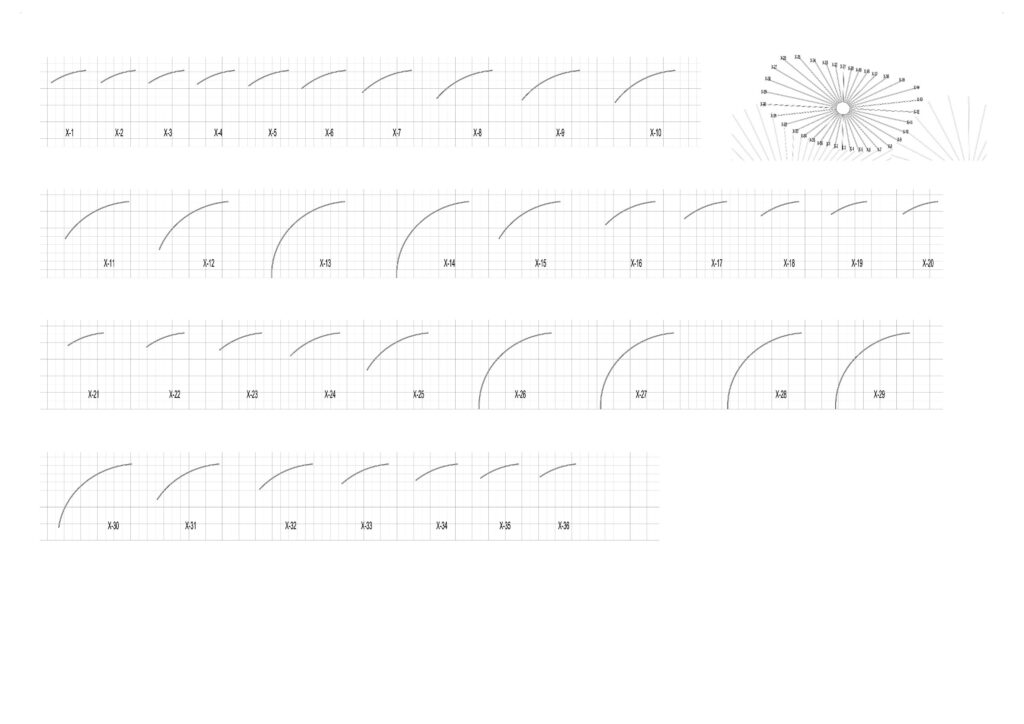
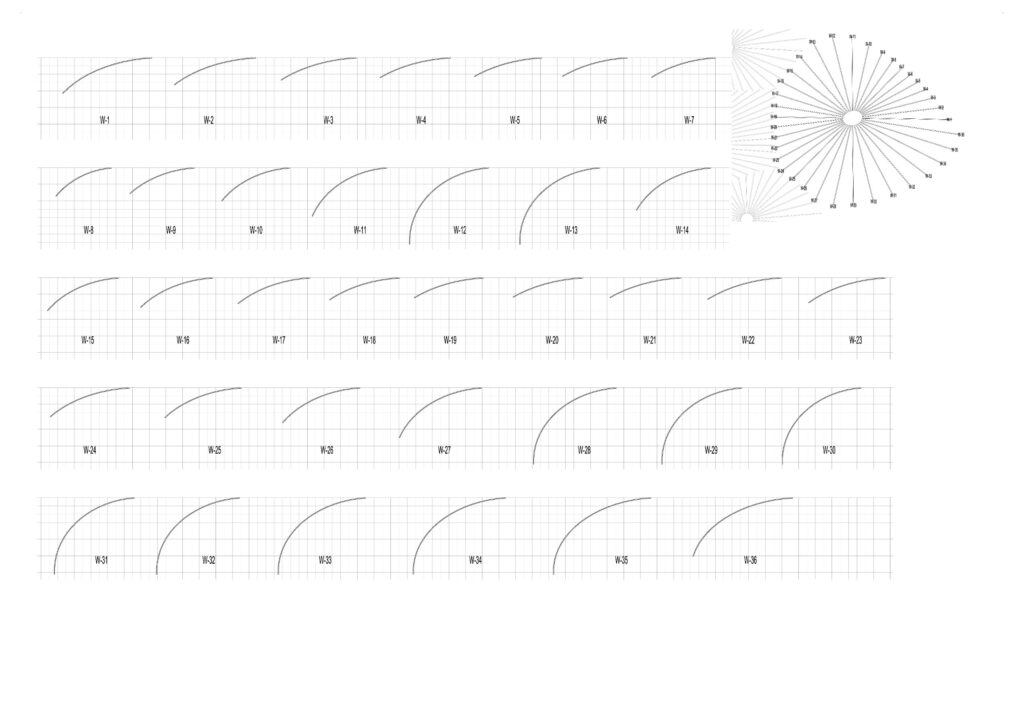
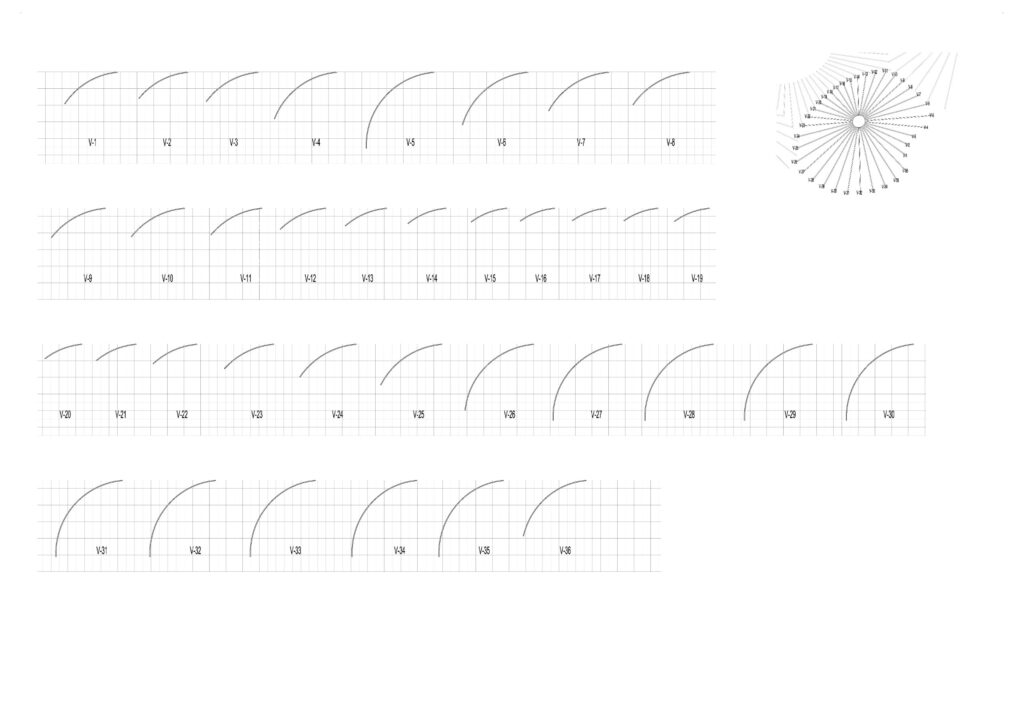
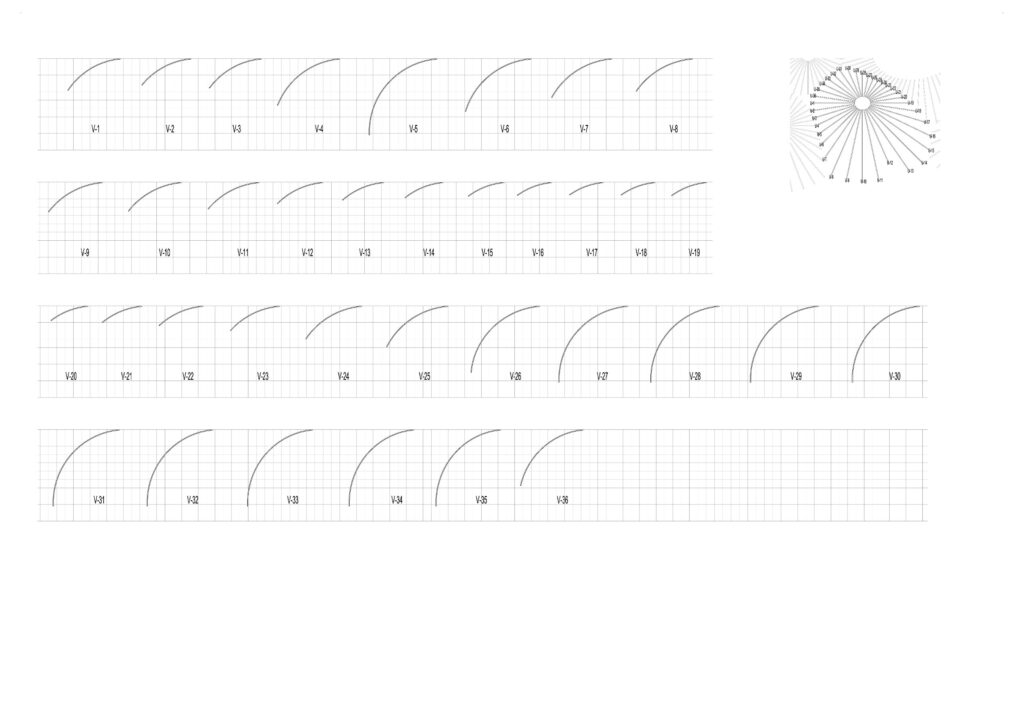
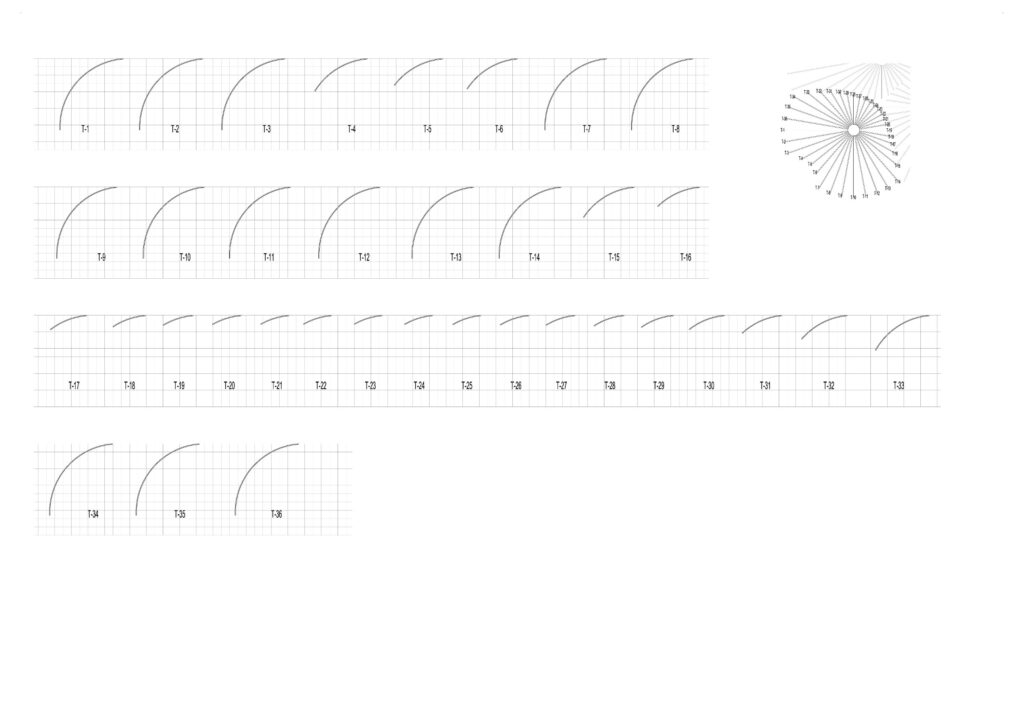
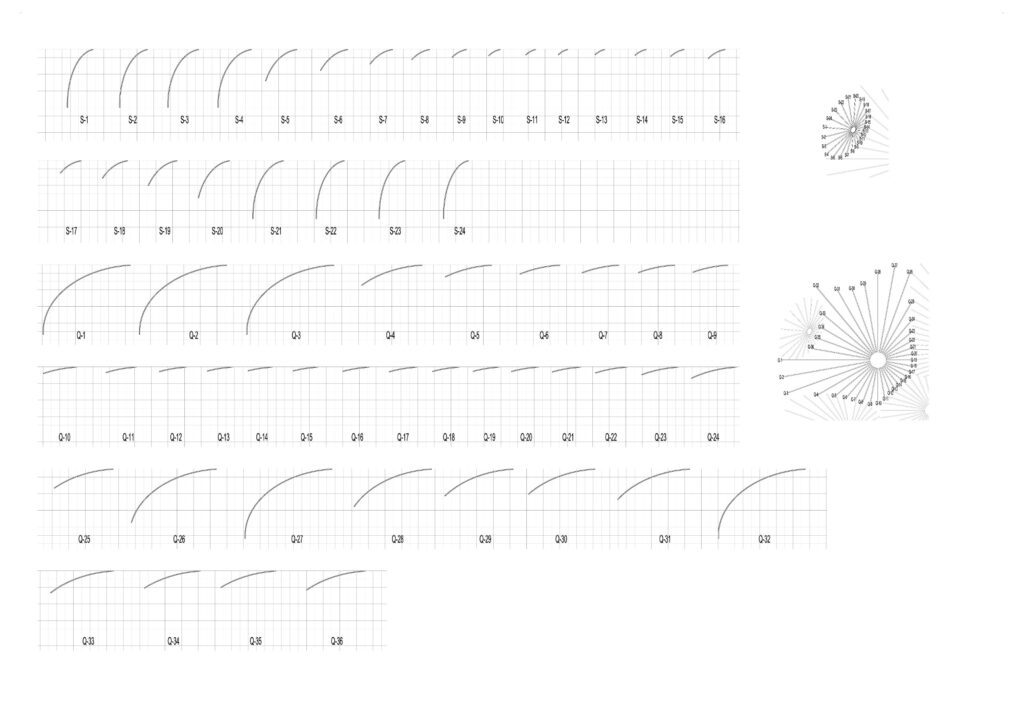
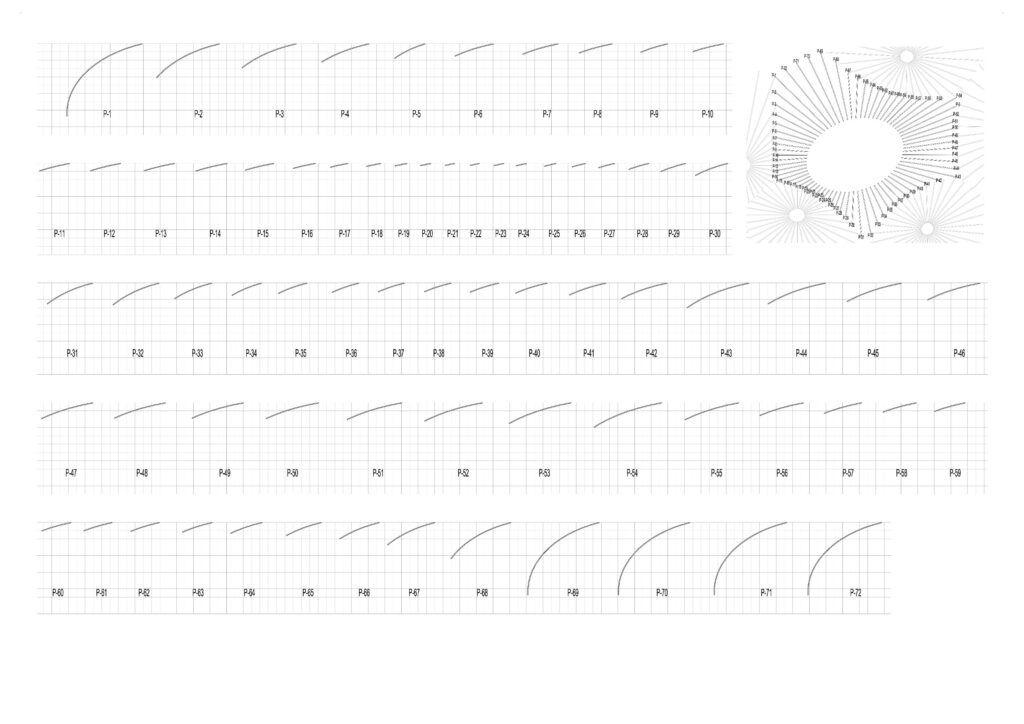
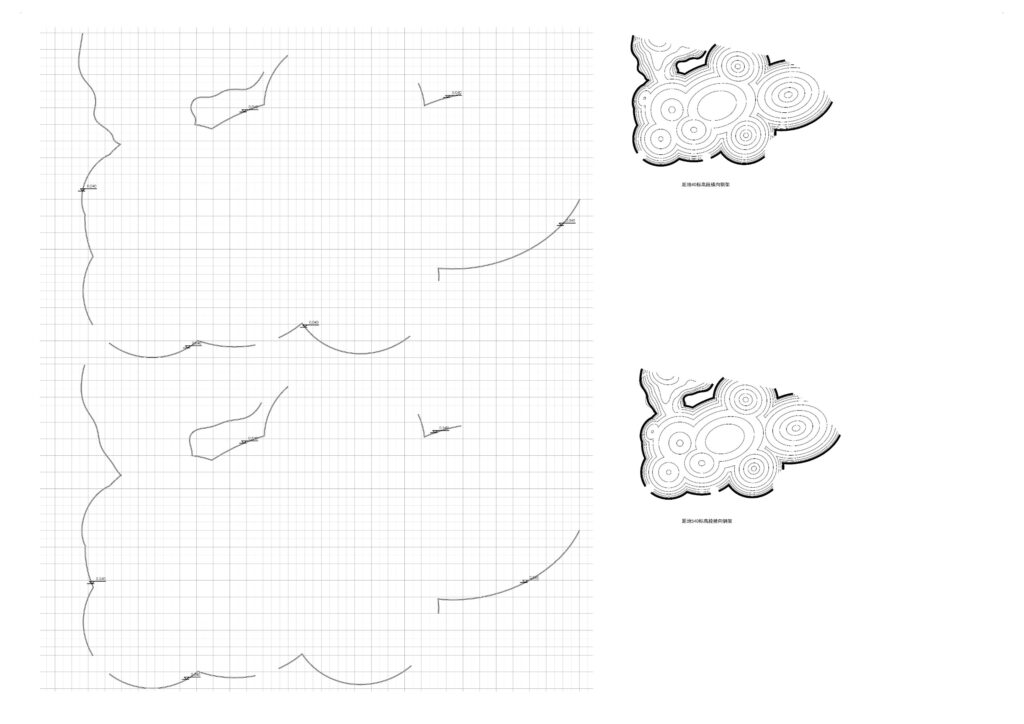
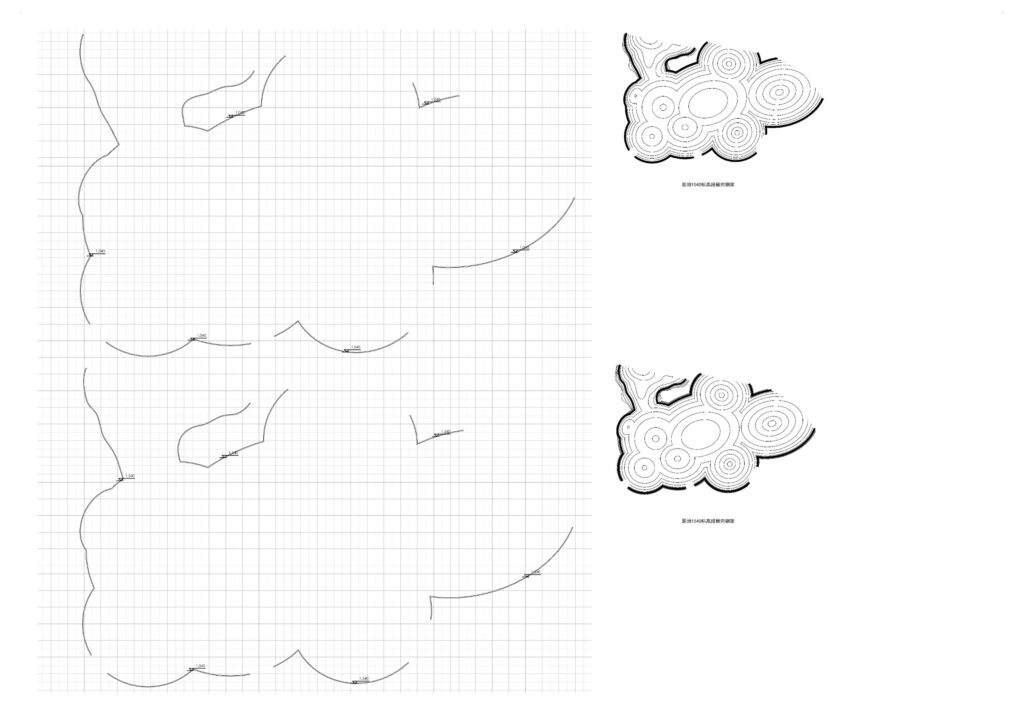
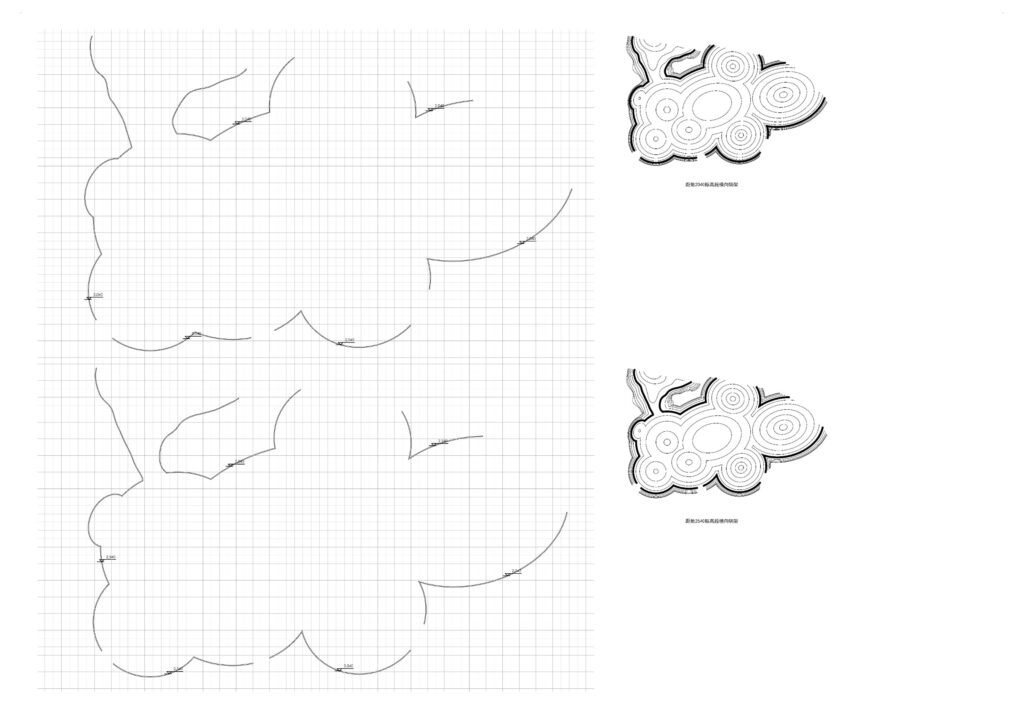
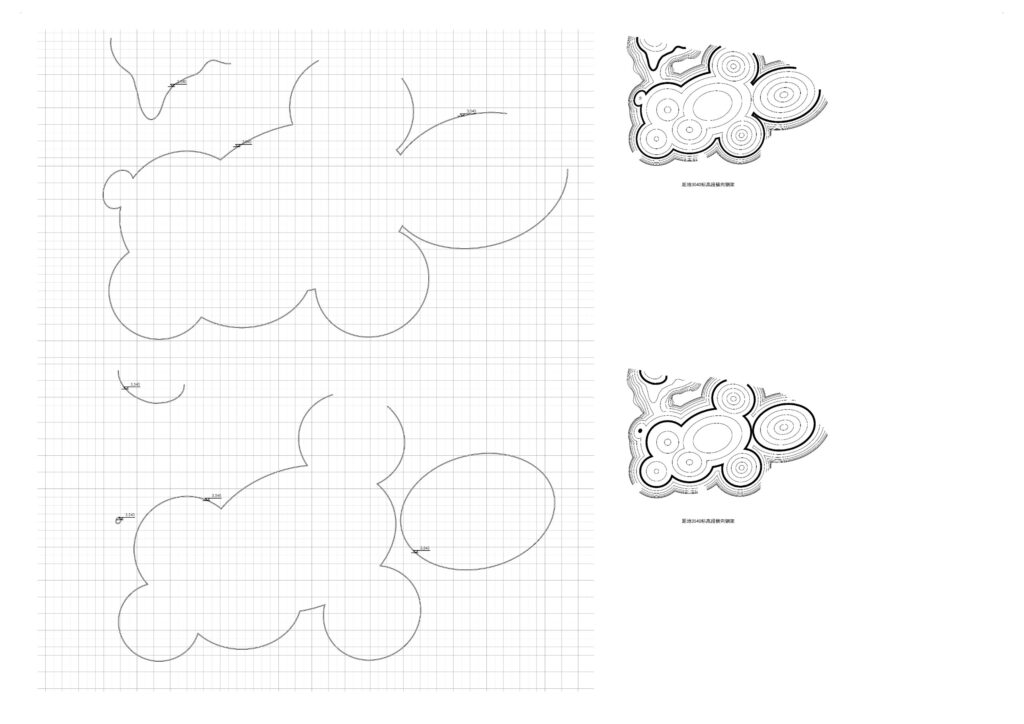
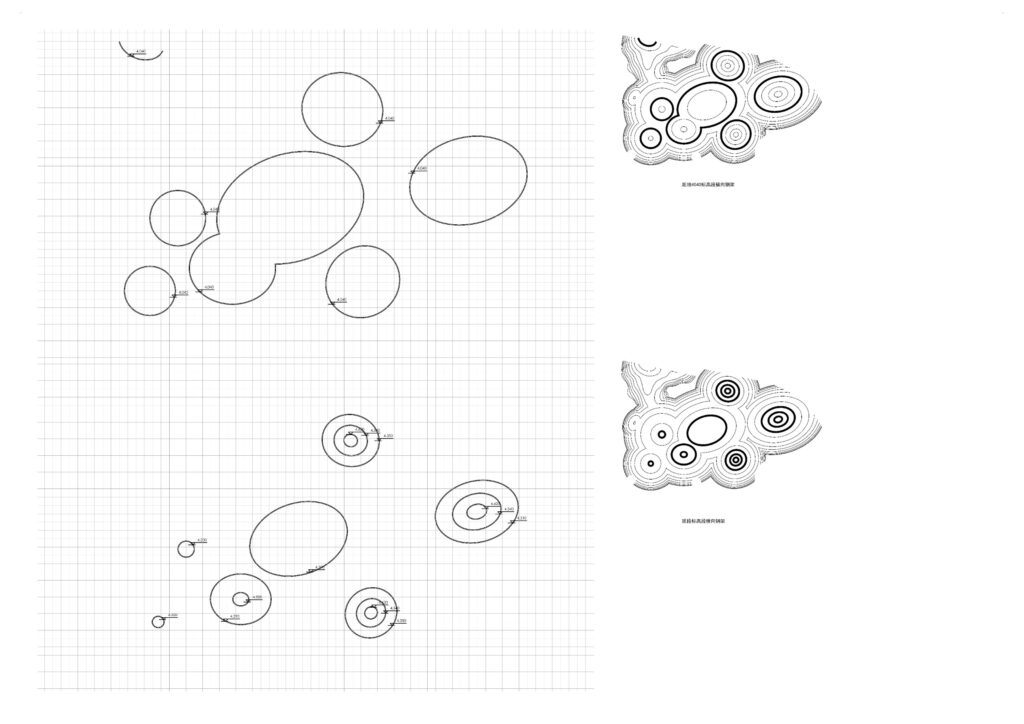
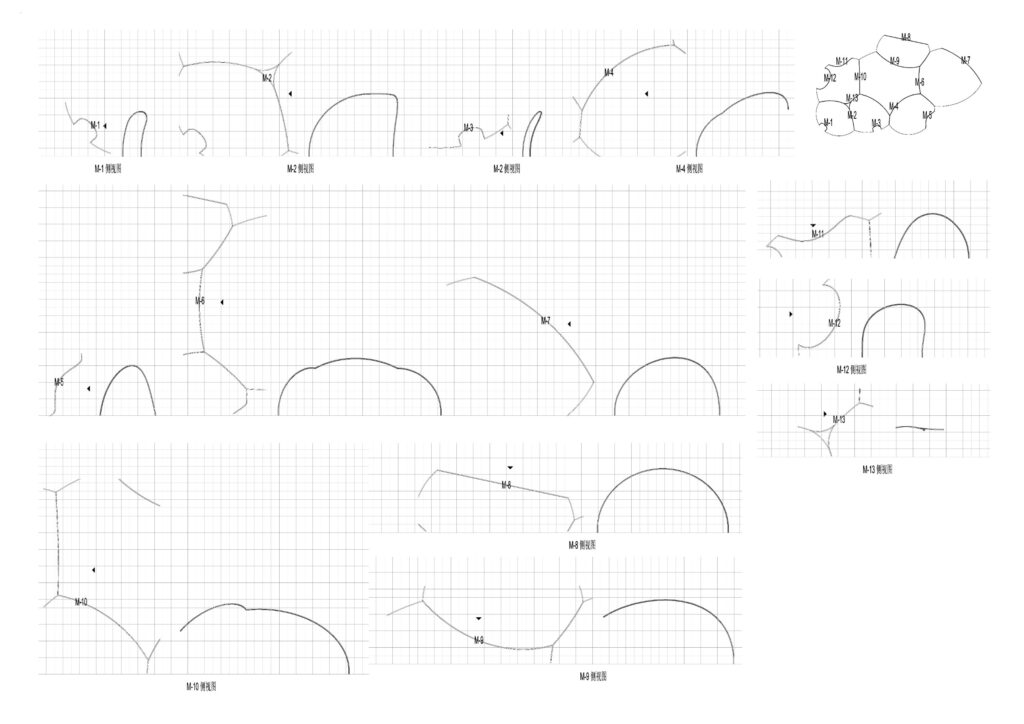
Spheres became the main geometric reference. Through overlapping boundaries and shared surfaces, they form one continuous structure of many domes. Each space stays distinct but connected, so the whole reads as one rather than a set of rooms. Moreover, the curves soften edges and ease the transitions between zones. The multi-domed system also mirrors a view of future systems as distributed, collaborative and without a single centre.
Softness rather than spectacle
For materials and colour, the project avoids the blue light, mirrored finishes and glossy surfaces often linked with technology. The future, in this view, does not have to feel cold, sharp or mechanical. A restrained palette of warm neutrals, light timber finishes and textured surfaces creates a calm, familiar mood. Here, materials are a backdrop where products, activities and space can sit in balance. The main materials listed for the project are GRG, decorative paint, floor tiles and stainless steel.
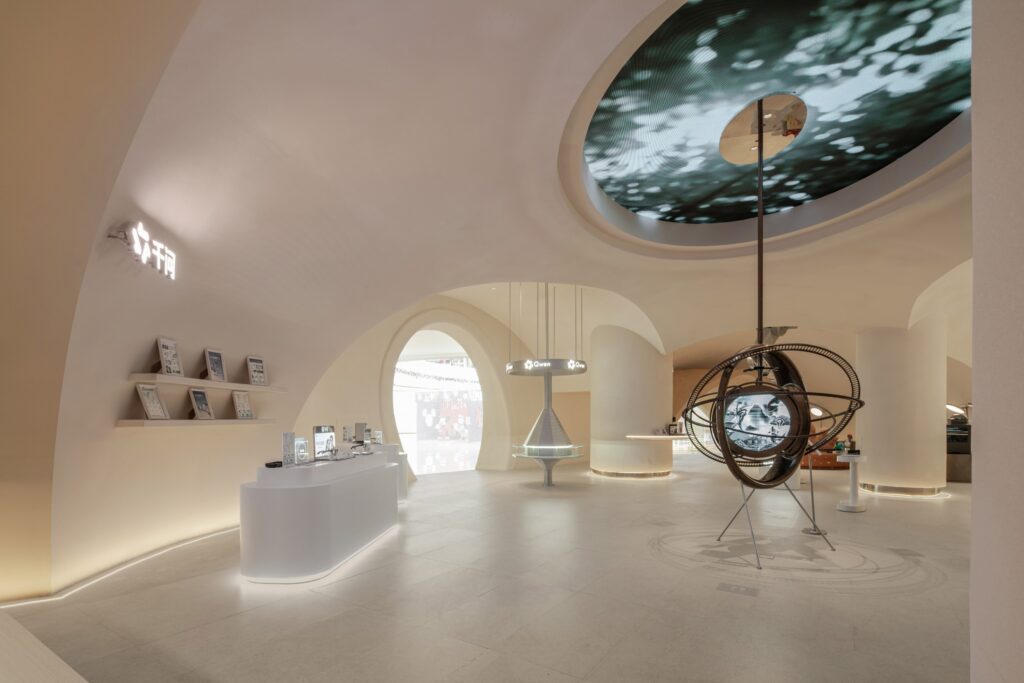
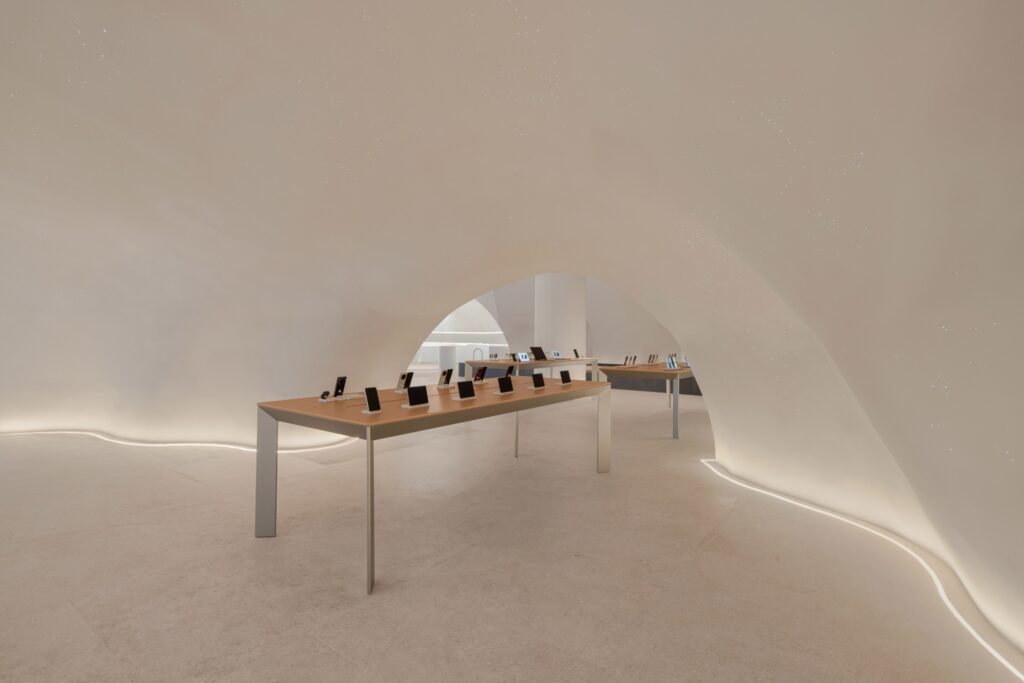
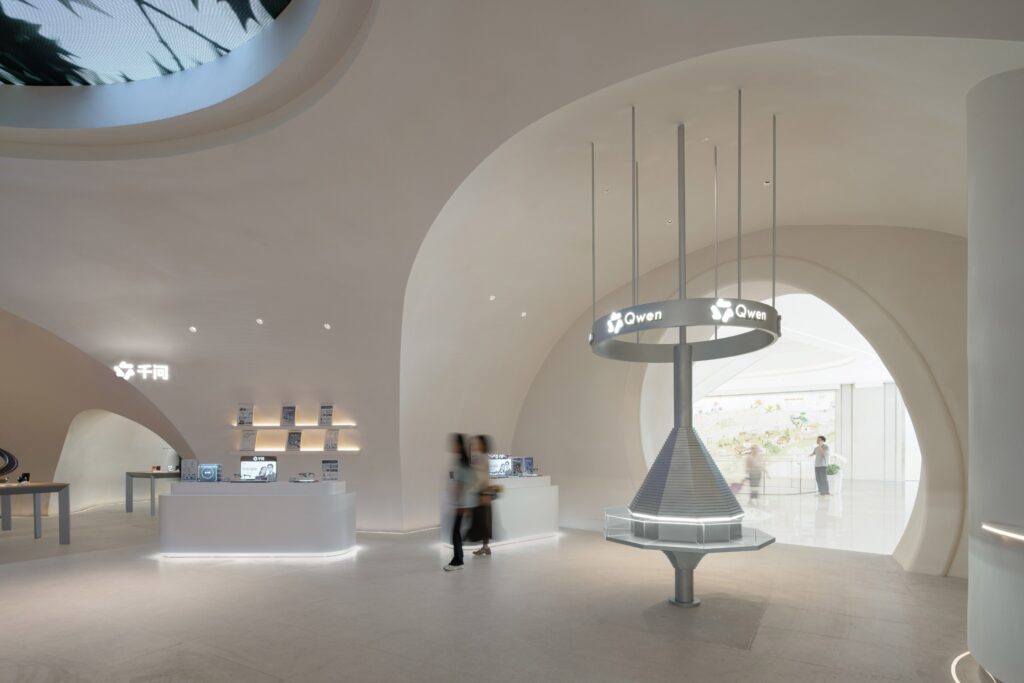
Mixc Orb as a question
Mixc Orb does not predict the future, nor does it define how people and artificial intelligence should relate. Instead, it asks whether human experience can stay at the centre as technology changes. Products will be updated and systems will evolve. Ultimately, the value of a space lies in how well it holds real behaviour and relationships and keeps growing. For another project by the studio, see Ink Wash Pool.
Project Credits
Project: Mixc Orb
Location: Central atrium, Wuhan MixC, Wuhan, China
Design firm: y.ad studio
Area: 641.84 m²
Main materials: GRG, decorative paint, floor tiles, stainless steel
Design: May 2026 – Completion: September 2026
Photography: SCHRAN
Related Posts
Previous Post
Next Post
Previous Post
Next Post
- y.ad studio lets technology step back inside a cluster of soft domes in Wuhan

- A sea of threads and counterweights rises in the Gothic hall of the Conciergerie

- OTLA terraces a forest slope into a village for retreat staff in Karnataka

- ARP studio sets a steel frame inside a 19th-century salt warehouse in Koper

- Pavillon wraps a family chalet in silver metal and old memories
- Stuart Ian Frost and Gunhild Lien raise a cylinder of spruce in an Alpine forest