Now Reading: Flight into Shadow: Light as a climatic experience
- 01
Flight into Shadow: Light as a climatic experience


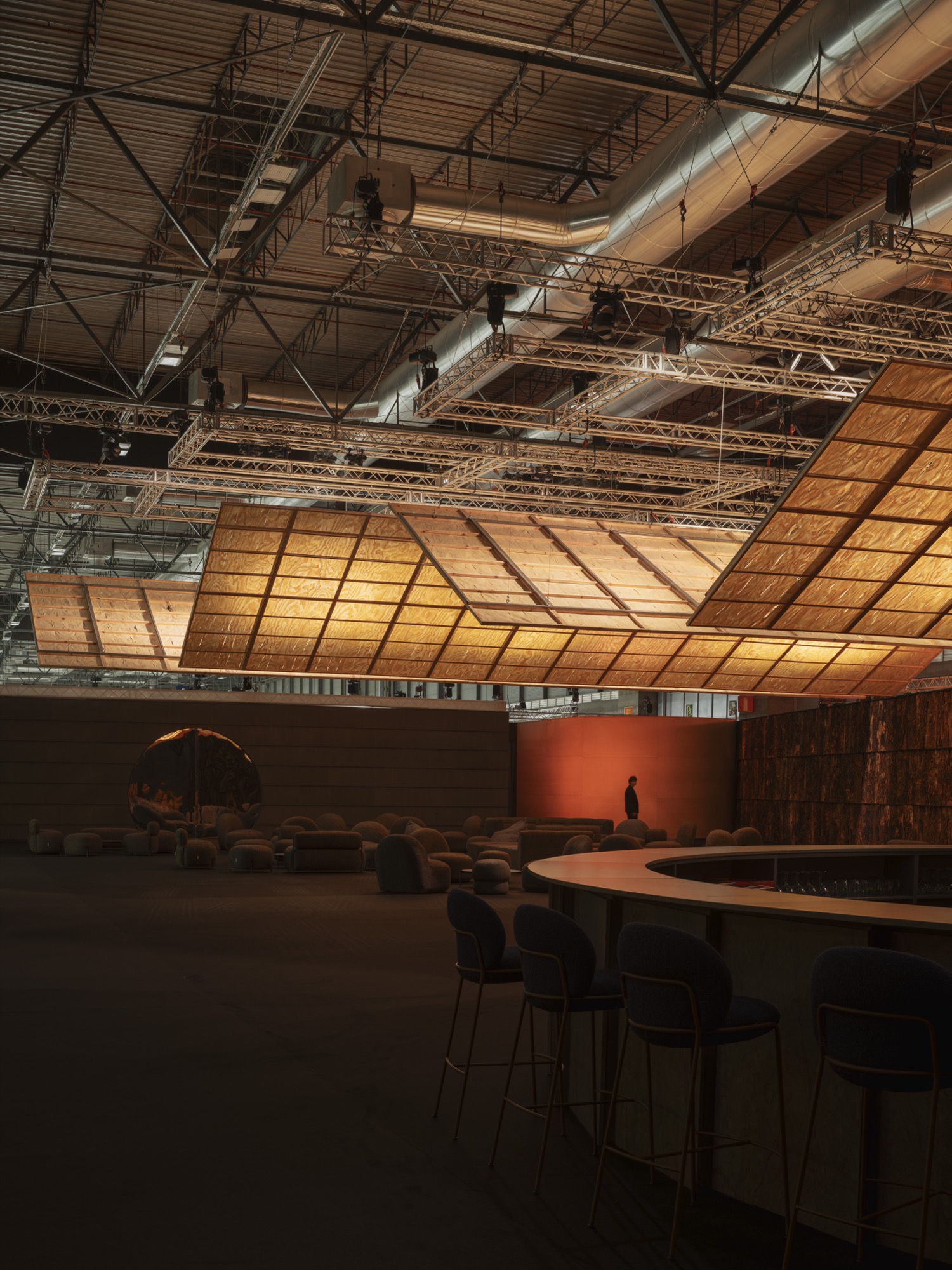
Flight into Shadow is an immersive installation that investigates how light and shadow mediate sensations of heat, relief, and comfort within increasingly heat stressed urban environments. Rather than treating light as a purely visual phenomenon, the project frames it as a climatic condition that can be shaped, moderated, and experienced architecturally.

At the heart of the installation is a deliberate inversion of expectation. The sun is invited indoors, detached from the unpredictability of weather, and transformed into a controllable spatial instrument. This architectural gesture allows visitors to encounter solar intensity as something composed and curated, opening a space for reflection on how cities might negotiate exposure and shelter in a warming world.

Living mycelium structures form the spatial backbone of the installation. Suspended like fragile canopies, they act as organic filters that soften, scatter, and modulate light. Shadow emerges here not as a residual condition but as an active spatial agent, shaping perception and movement. The material intelligence of mycelium introduces an ecological logic, where growth, porosity, and vulnerability become part of the architectural narrative.
Inspired by the Komorebi effect, the fleeting play of sunlight filtering through leaves, the installation translates a transient natural phenomenon into a tangible architectural condition. What is usually momentary is extended in space and time, allowing visitors to inhabit the delicate choreography between light and shadow.


At the center of the space, an artificial sun composed of individually controlled luminaires generates continuously shifting atmospheres. Light intensifies, dissolves, and reconfigures itself, guiding visitors through zones of exposure and refuge. Movement through the installation becomes a bodily negotiation with brightness and shade, heat and comfort. Light is no longer static illumination but a living presence that unfolds through rhythm and change.

This carefully composed choreography transforms the installation into a sequence of moods rather than a single scene. Architecture, lighting, and perception operate together, inviting visitors to slow down and sense how subtle variations in light can recalibrate physical and emotional comfort.


Presented during the Venice Architecture Biennale 2025 as part of Keep Cool! Workshop for Cool Cities, Flight into Shadow positions shadow as a critical tool for climate adaptation. Developed through collaboration between HFT Stuttgart Interior Architecture, University of Stuttgart IBK2, and Deggendorf Institute of Technology, the project bridges research, design, and spatial experimentation.
Rather than offering technological solutions alone, the installation proposes perception, material intelligence, and spatial experience as essential components of resilient urban futures. In doing so, Flight into Shadow reframes comfort not as a fixed condition but as a dynamic relationship between body, environment, and light.


Project Credit
Project name: Flight into Shadow
Event: Venice Architecture Biennale 2025, Keep Cool! Workshop for Cool Cities
Location: Venice, Italy
Design team: HFT Stuttgart Interior Architecture, University of Stuttgart IBK2, Deggendorf Institute of Technology
Year: 2025
Photo: Jacopo La Forgia / @jacopolaforgia, Sabine Wiesend
Video: Franziska Rieder
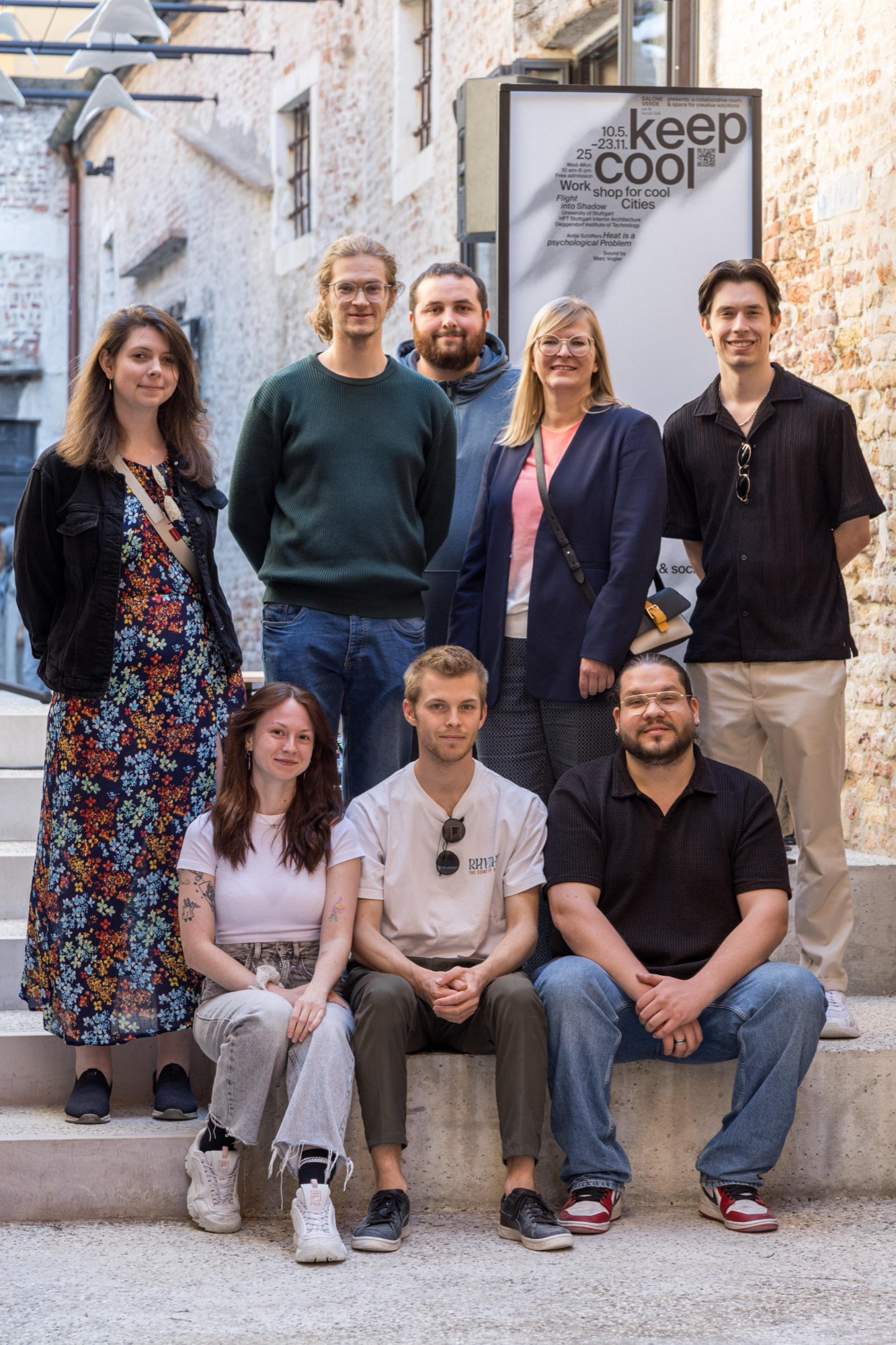
Deggendorf Institute of Technology is an internationally oriented university of applied sciences in Bavaria, Germany. The institution focuses on practice based education, applied research, and interdisciplinary collaboration across engineering, technology, design, and environmental studies, with strong ties to industry and international partners.