Now Reading: Exploring Paris: Seven contemporary masterpieces not to miss
- 01
Exploring Paris: Seven contemporary masterpieces not to miss

Exploring Paris: Seven contemporary masterpieces not to miss
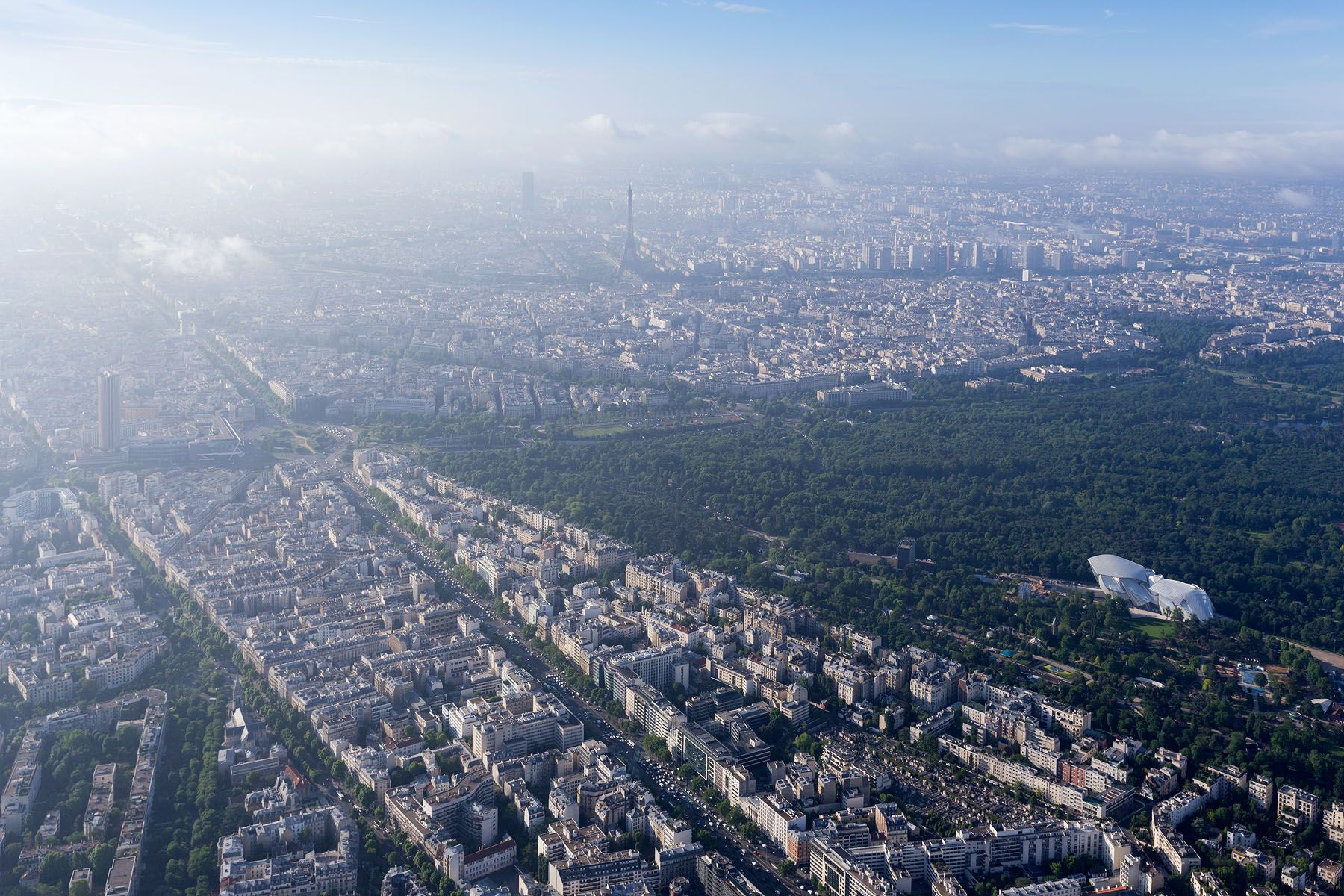
Paris is often described through memory. Its boulevards, drawn with nineteenth century precision, its limestone facades bathed in diffuse light, its Gothic silhouettes rising above the Seine all contribute to an image that seems complete in itself. Yet to see Paris only as a monument to the past is to overlook a quieter but equally compelling evolution. Over the past decades, the city has become a terrain of carefully calibrated architectural interventions where contemporary design does not erase history but enters into dialogue with it.
Unlike cities that proclaim modernity through skyline spectacle, Paris advances through insertion and adaptation. New architecture appears in parks, within historic shells, along narrow streets, or behind preserved facades. Glass, concrete and steel do not dominate the urban fabric; they converse with it. For the attentive visitor, this produces a layered experience where the contemporary city unfolds through movement, encounter and material contrast.
The following seven destinations trace this dialogue across scales and typologies. From a landmark cultural institution in the Bois de Boulogne to intimate retail and hospitality interiors in the city’s historic quarters, each project demonstrates how architecture in Paris today operates through precision, restraint and spatial intelligence. Together they form an itinerary through a city that continues to evolve without relinquishing its past.
1. FONDATION LOUIS VUITTON, BOIS DE BOULOGNE
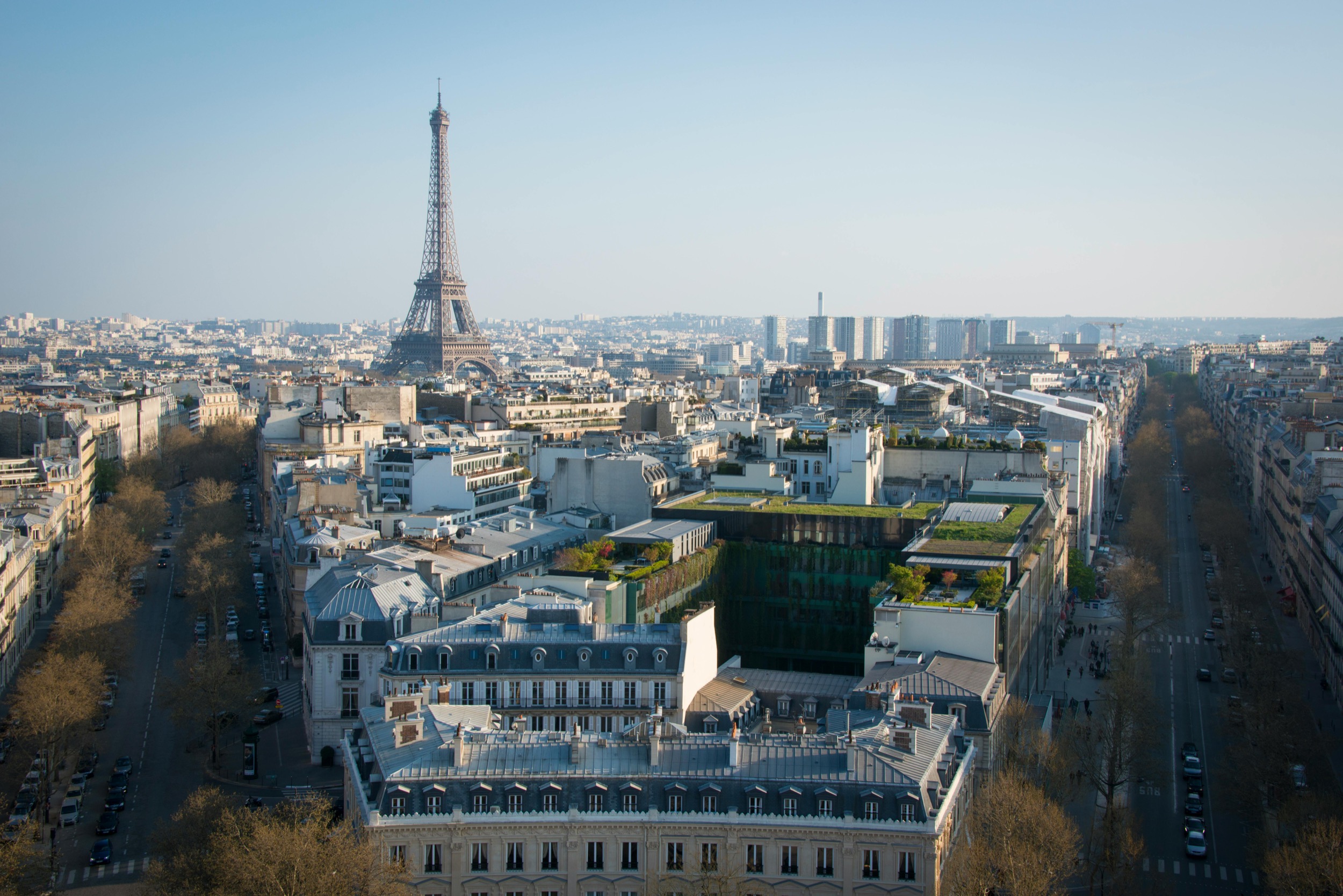
Within the Jardin d’Acclimatation, the Fondation Louis Vuitton designed by Frank Gehry stands as one of the most ambitious cultural buildings constructed in Paris in the twenty first century. Inaugurated in 2014, the building consists of twelve vast curved glass sails enveloping a central volume formed from white fibre reinforced concrete.

What distinguishes the project is its spatial choreography. There is no single primary facade. Visitors circulate along terraces, suspended walkways and exterior ramps that offer shifting perspectives toward the surrounding park and the distant skyline of La Défense. The building’s transparency dissolves its mass into light and reflection, particularly under changing weather conditions.

Inside, galleries are organized to accommodate large scale contemporary exhibitions while maintaining fluid circulation. The upper terraces provide panoramic views rarely associated with museum architecture in Paris. The Fondation is worth visiting not only for its exhibitions but for the promenade it constructs between architecture and landscape.

2. MEDITATION SPACE, UNESCO HEADQUARTERS
At the UNESCO Headquarters near Place de Fontenoy, Tadao Ando’s Meditation Space offers a moment of introspection within an institutional setting. Completed in 1995 to commemorate the fiftieth anniversary of UNESCO, the cylindrical pavilion is defined by exposed concrete, granite and water.

Credit: © Simone Bossi

Credit: © Simone Bossi
The architecture operates through reduction. Curved concrete walls enclose a quiet interior where narrow apertures admit controlled shafts of daylight. Water elements soften acoustics and heighten sensory awareness. The space exemplifies Ando’s exploration of silence, proportion and interval.
Its power lies in contrast. Situated within a diplomatic complex, the pavilion provides stillness amid urban intensity. It demonstrates how minimal form and disciplined geometry can produce profound emotional resonance.


3. BOURSE DE COMMERCE, FIRST ARRONDISSEMENT
The transformation of the Bourse de Commerce into the Pinault Collection, completed in 2021, represents one of the most rigorous examples of adaptive reuse in contemporary Paris. Originally an eighteenth century grain exchange crowned by a monumental dome, the building was reimagined by Tadao Ando in collaboration with NeM Architectes and Pierre Antoine Gatier.

A nine metre high concrete cylinder was inserted within the historic rotunda, creating a concentric spatial sequence between neoclassical frescoes and contemporary minimalism. Visitors move along a circular promenade that reveals both painted heritage surfaces above and smooth concrete walls below.


The project’s significance lies in its precision. The new intervention does not mimic the old structure, nor does it overwhelm it. Instead, it establishes a measured dialogue between epochs, allowing time itself to become spatial experience.

4. ACNE STUDIOS FLAGSHIP, RUE SAINT HONORÉ
On Rue Saint Honoré, the Acne Studios flagship designed by Arquitectura G reinterprets luxury retail through structural clarity and material honesty. The limestone facade aligns with its Parisian context, yet inside, exposed concrete and cylindrical volumes organize space into sculptural zones.

Rather than decorative excess, the design emphasizes mass and proportion. Cylindrical forms create intimate pockets for display while guiding circulation. Surfaces remain largely untreated, reinforcing tactile presence.

The store stands out for transforming commerce into architectural exploration. Visitors navigate a constructed landscape rather than a conventional boutique interior. It exemplifies how retail architecture can articulate identity through spatial rigor.
5. SAINT LAURENT BABYLONE, SEVENTH ARRONDISSEMENT
Housed in a restored townhouse on Rue de Babylone, Saint Laurent Babylone expands the flagship model into a cultural environment combining bookstore, cafe and retail. Interiors by Pierre Yovanovitch emphasize craftsmanship through oak joinery, layered textiles and subdued lighting.

Spatial proportions remain domestic rather than monumental, encouraging prolonged occupation. The project draws from the intellectual legacy of Yves Saint Laurent, positioning architecture as a medium for narrative rather than spectacle.
It is worth visiting not for grand gesture but for atmosphere. The design invites reading, conversation and reflection, illustrating how luxury can operate through intimacy.
6. SIMPLE COFFEE, MONTMARTRE
Simple Coffee by Mur Mur Architectes demonstrates how a small footprint can yield architectural intensity. Stainless steel surfaces curve around a central bar, forming reflective alcoves that recall industrial silos.


Light interacts dynamically with metal surfaces, expanding the perceived volume of the compact interior. The curvature creates enclosure without heaviness, producing a cinematic interplay of reflection and shadow.


The project elevates a daily ritual into spatial experience. It is a study in material economy and geometric precision, revealing how design can redefine scale.
7. PAPI RESTAURANT, GRANDS BOULEVARDS
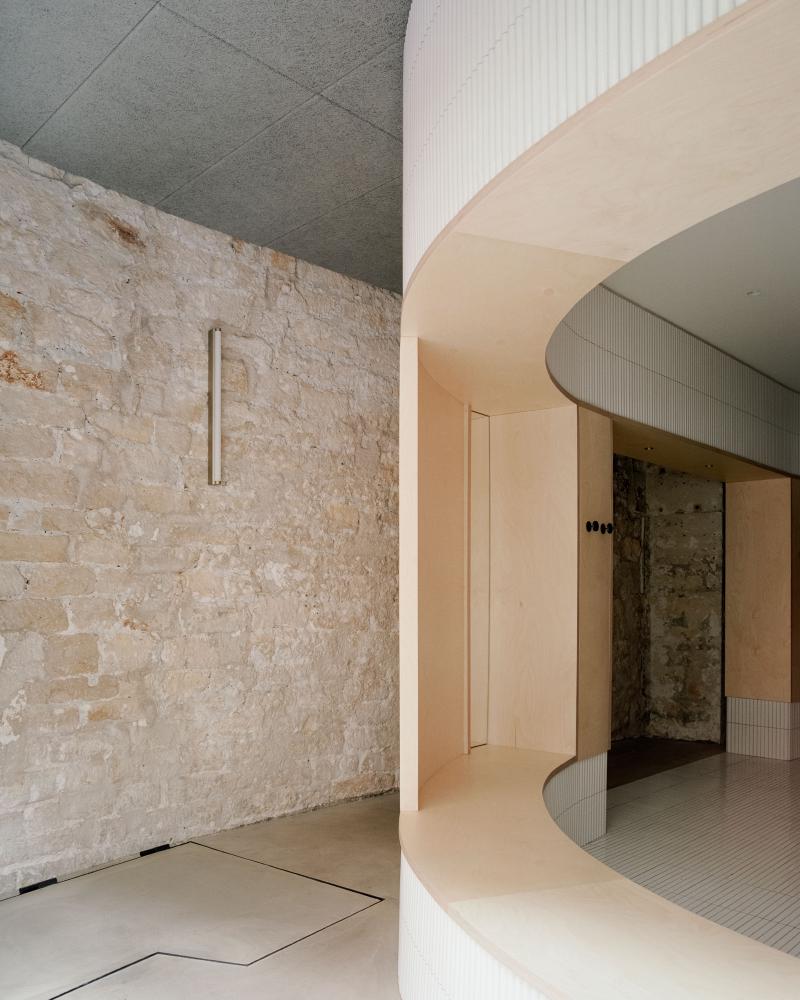
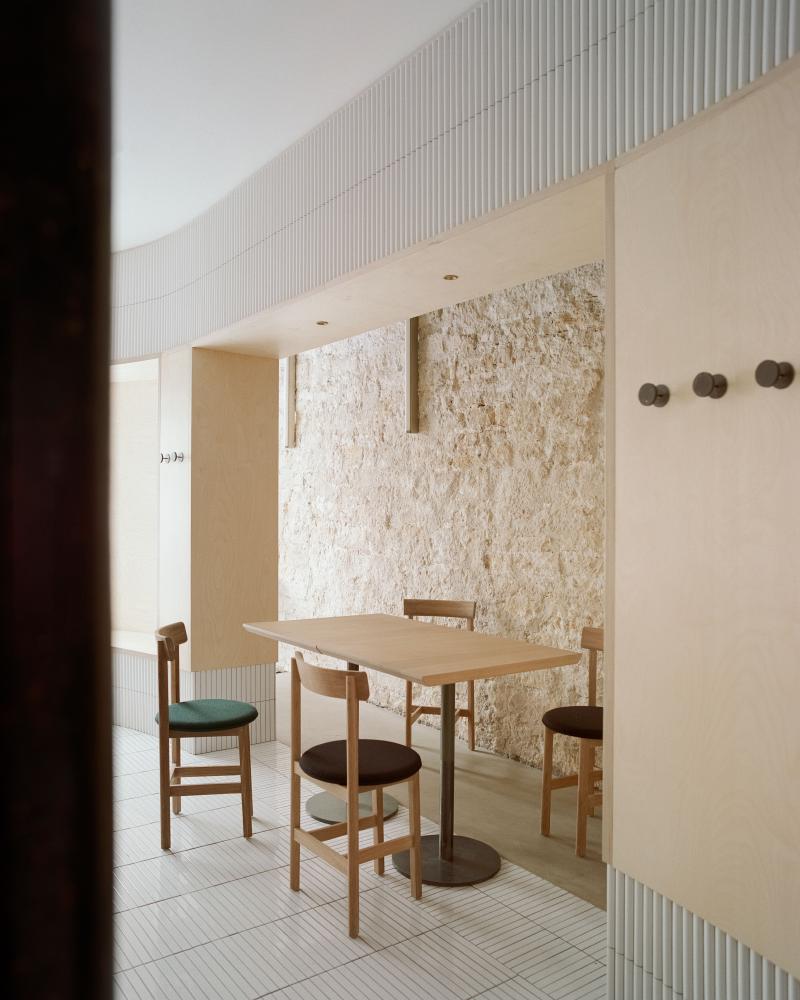
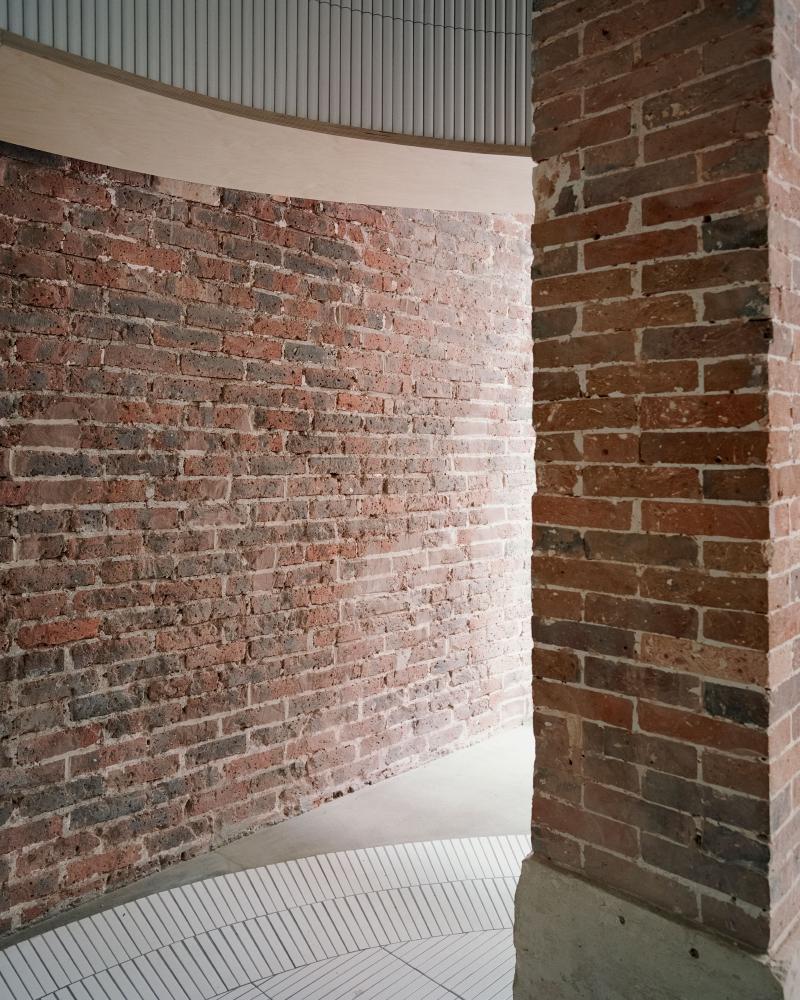
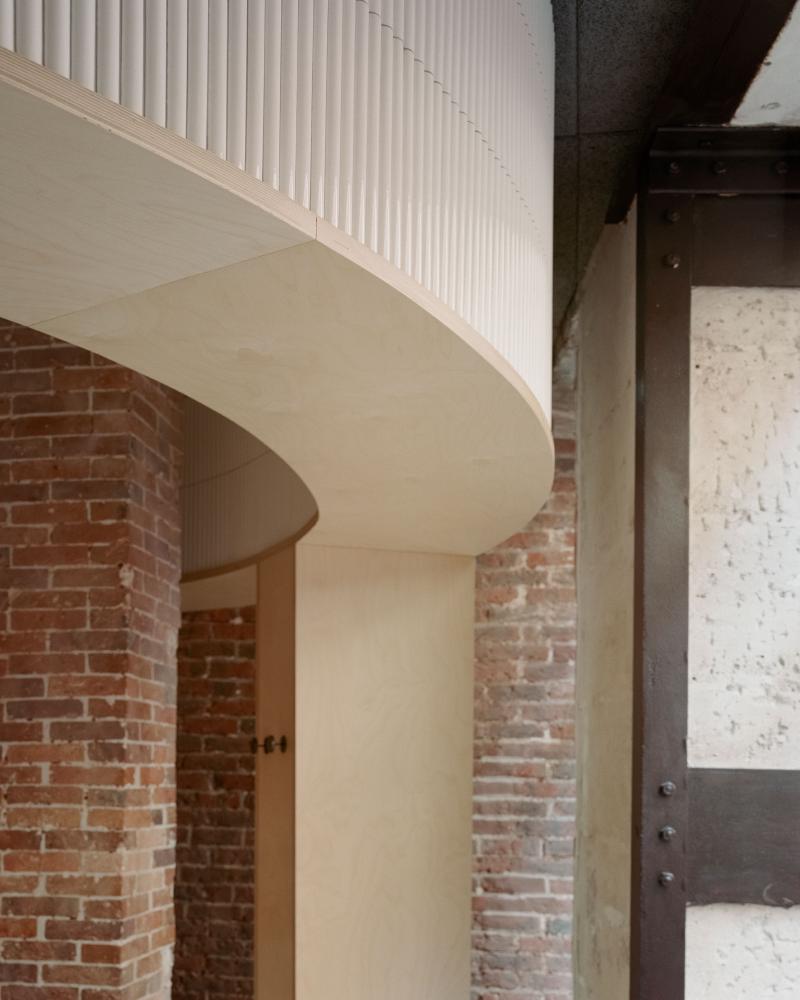
Designed by Neri and Hu, Papi merges culinary experience with architectural memory. Existing beams, brick and stone surfaces are retained and exposed. Contemporary interventions remain restrained, allowing material history to shape the atmosphere.
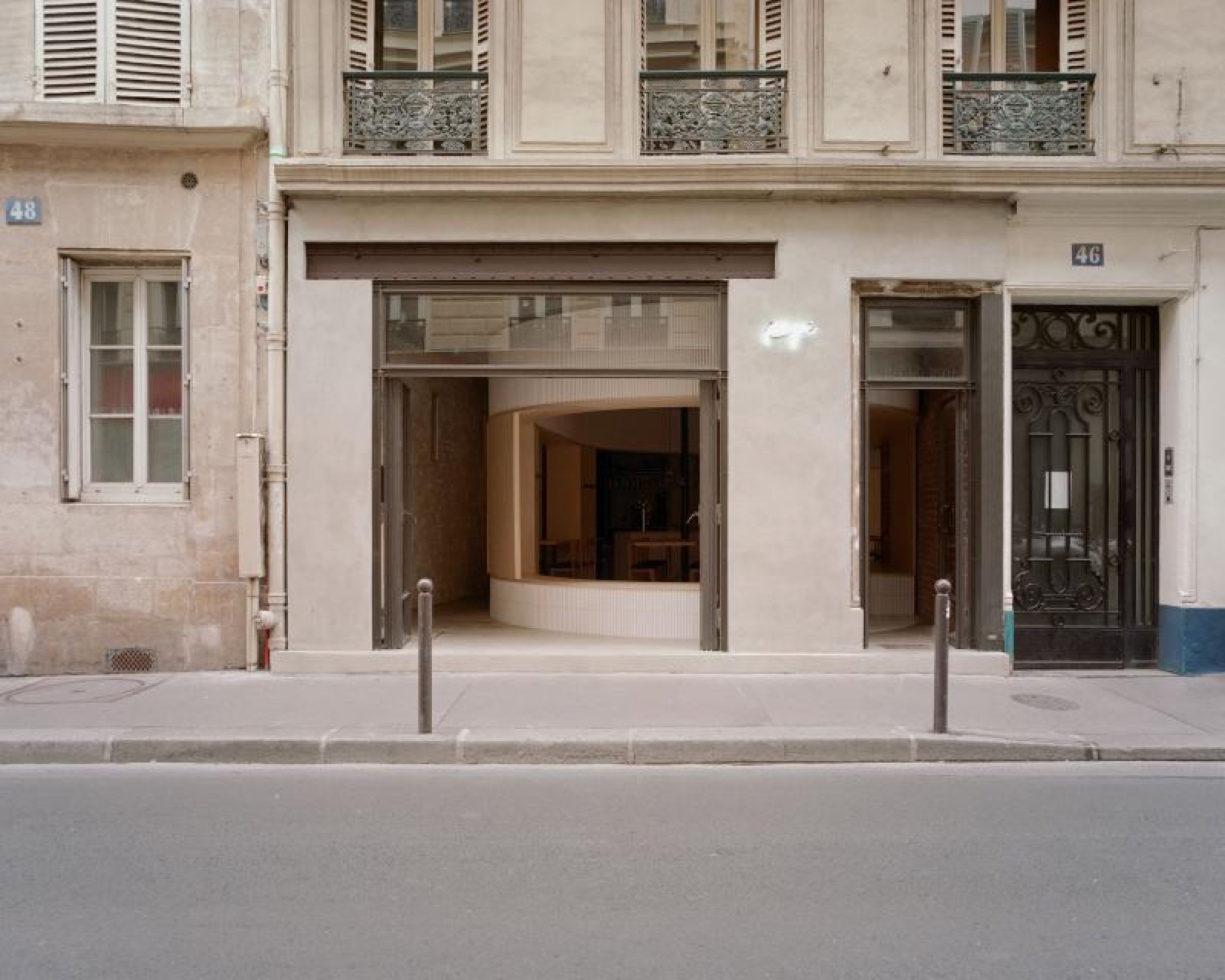
Warm lighting and layered textures encourage conviviality while maintaining spatial coherence. Rather than imposing a new identity, the project uncovers and reframes what already exists.
It is a fitting conclusion to this itinerary, demonstrating how architecture in Paris today often succeeds through revelation rather than reinvention.
These seven works reveal a Paris that continues to evolve through measured intervention. Contemporary architecture here operates not through spectacle but through dialogue, precision and respect for context. From monumental transparency in the Bois de Boulogne to intimate metallic interiors in Montmartre, each project offers a distinct encounter with space.
In Paris, architecture is not merely background to urban life. It remains an active participant in how the city is perceived, inhabited and remembered.

Photo Cover
Fondation Louis Vuitton by Frank Gehry, Bois de Boulogne, Paris – a transparent cloud-like structure in dialogue with the historic landscape. © Iwan Baan / Courtesy Fondation Louis Vuitton
Previous Post
Next Post

- The timeless elegance of domestic appliances: From the Iconic Braun KF 20 aromaster to the German design ethos

- Emilio Ferro on the light, sound and memory of a place
- At Maniwa, an architect’s family home opens to the neighbourhood
- What bronze remembers of the hand

- Caught in light: Moradavaga’s suspended shoal

- The making of Alex Chinneck’s impossible Dior windows