
Now Reading: Architecture and design in 2026: when the calendar reads like a manifesto
- 01
Architecture and design in 2026: when the calendar reads like a manifesto

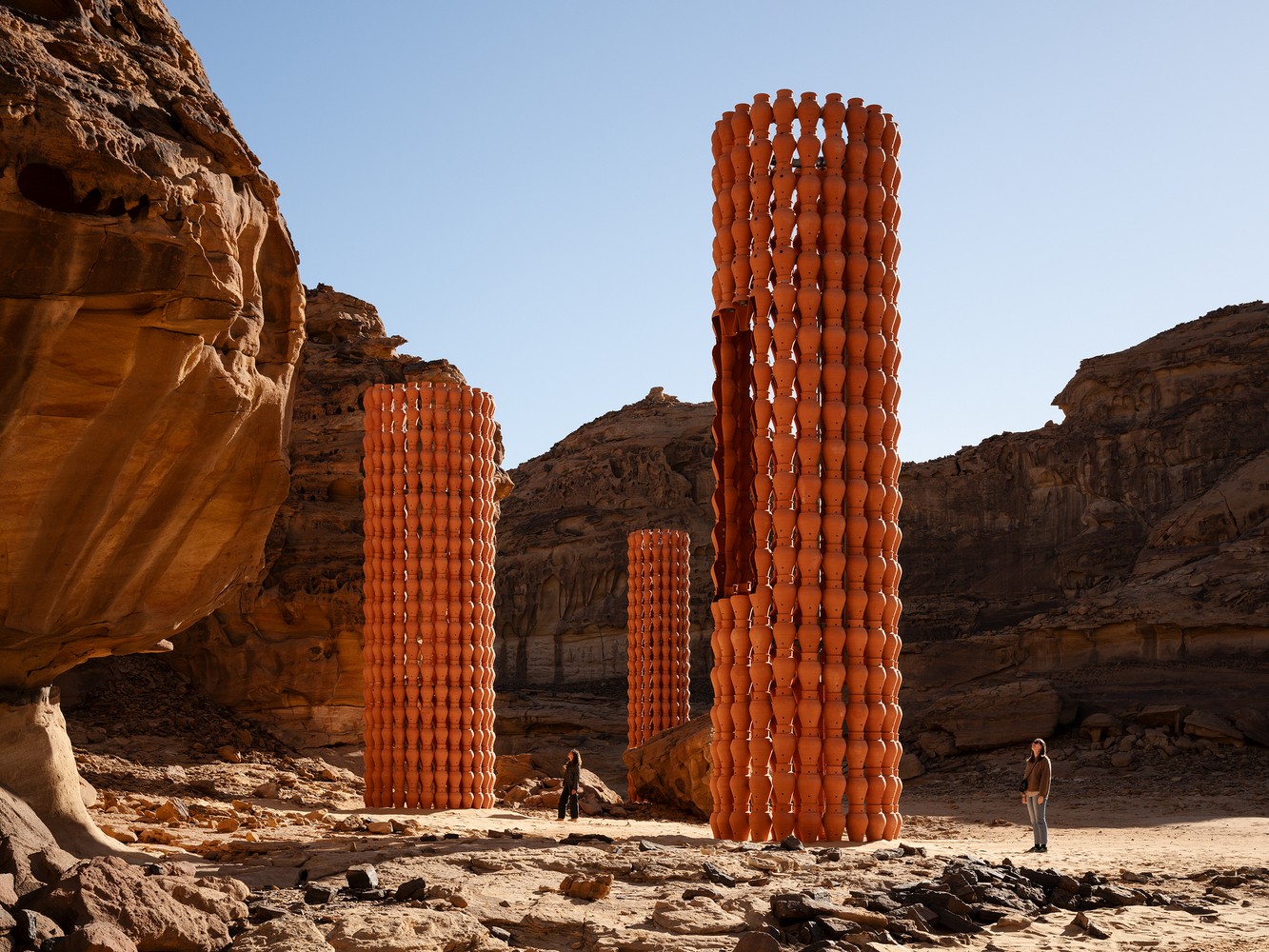

If 2025 was about regaining momentum, 2026 feels like a year that tests what that momentum is for. Across deserts, design fairs, congress halls and city streets, the most visible events of the year begin to align around a shared brief: strengthen resilience without turning sustainability into a slogan, protect cultural continuity without freezing it into nostalgia, and put communities back at the centre of spatial decisions.
Underneath the glamour of openings and launches, the industry is recalibrating under pressure from climate adaptation, demographic shifts and accelerating technology. The question is no longer whether architecture can respond, but whether it can respond with clarity, care, and cultural intelligence.

WINTER IN ALULA: LAND ART AS A PUBLIC CONVERSATION
The year opens on a stark, cinematic stage. Desert X AlUla runs from 16 January to 14 February 2026, folding large scale, site specific installations into AlUla’s valleys and canyons. The point is not spectacle for its own sake. It is an attempt to read landscape as both archive and living system, where geology, heritage and contemporary practice become inseparable.

Alongside it, AlUla Arts Festival expands the season through exhibitions, performances, workshops and public programmes, positioning the region as an evolving cultural ecosystem rather than a single destination. In a year increasingly defined by the civic role of culture, AlUla’s winter calendar makes a case for work that is deeply place bound yet globally legible.
Spring in Milan and Doha: where the future gets prototyped
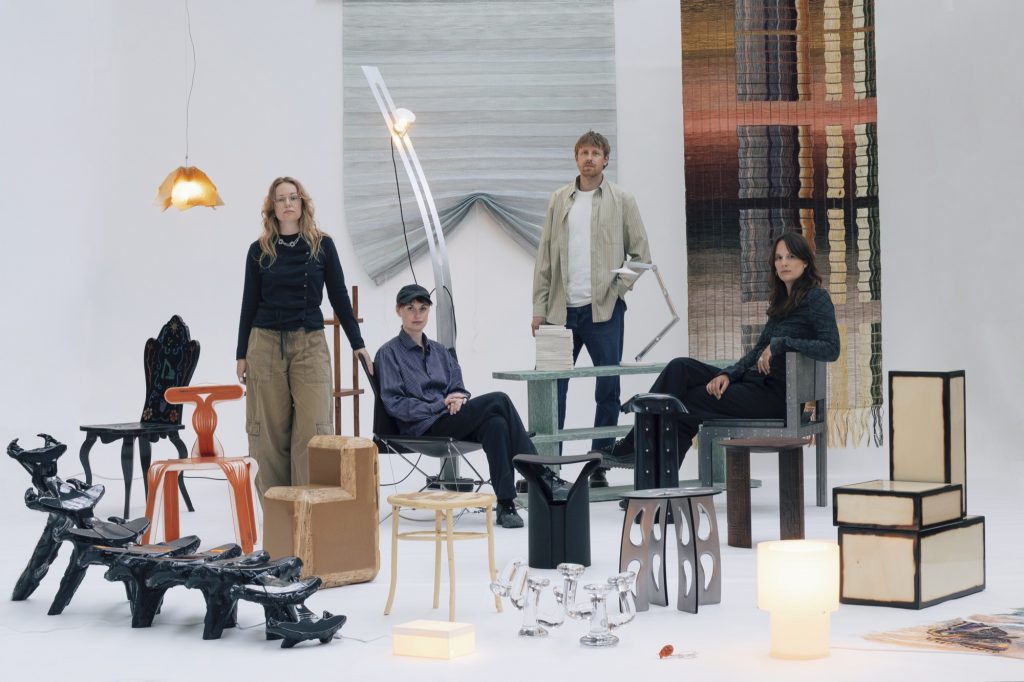
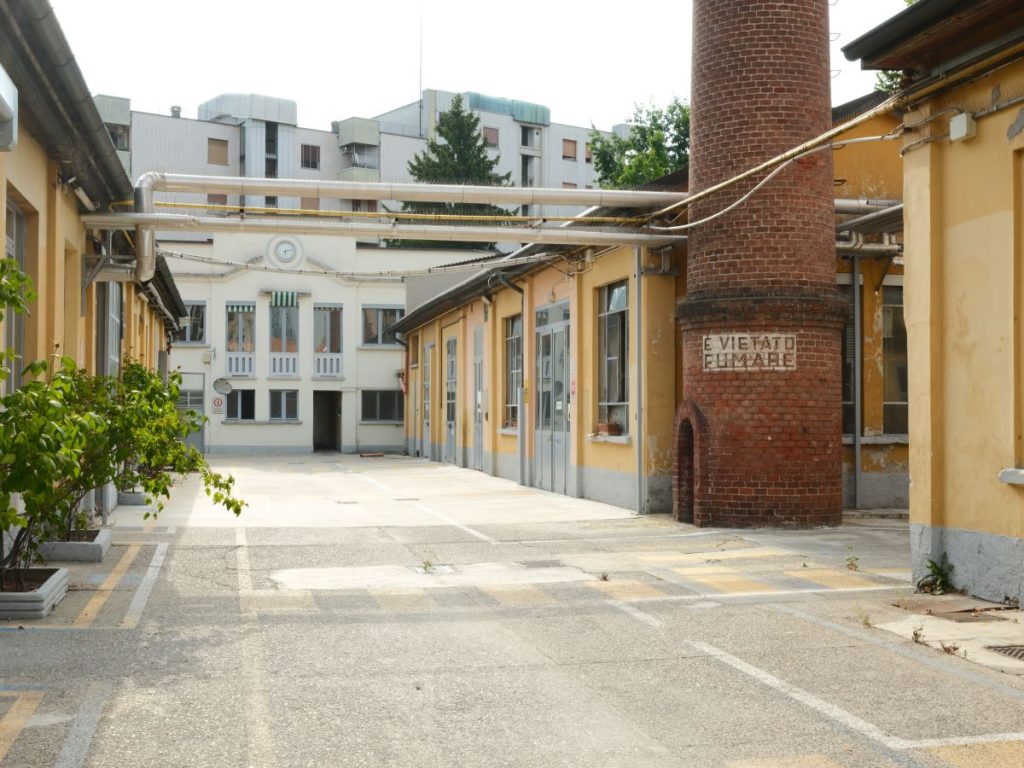
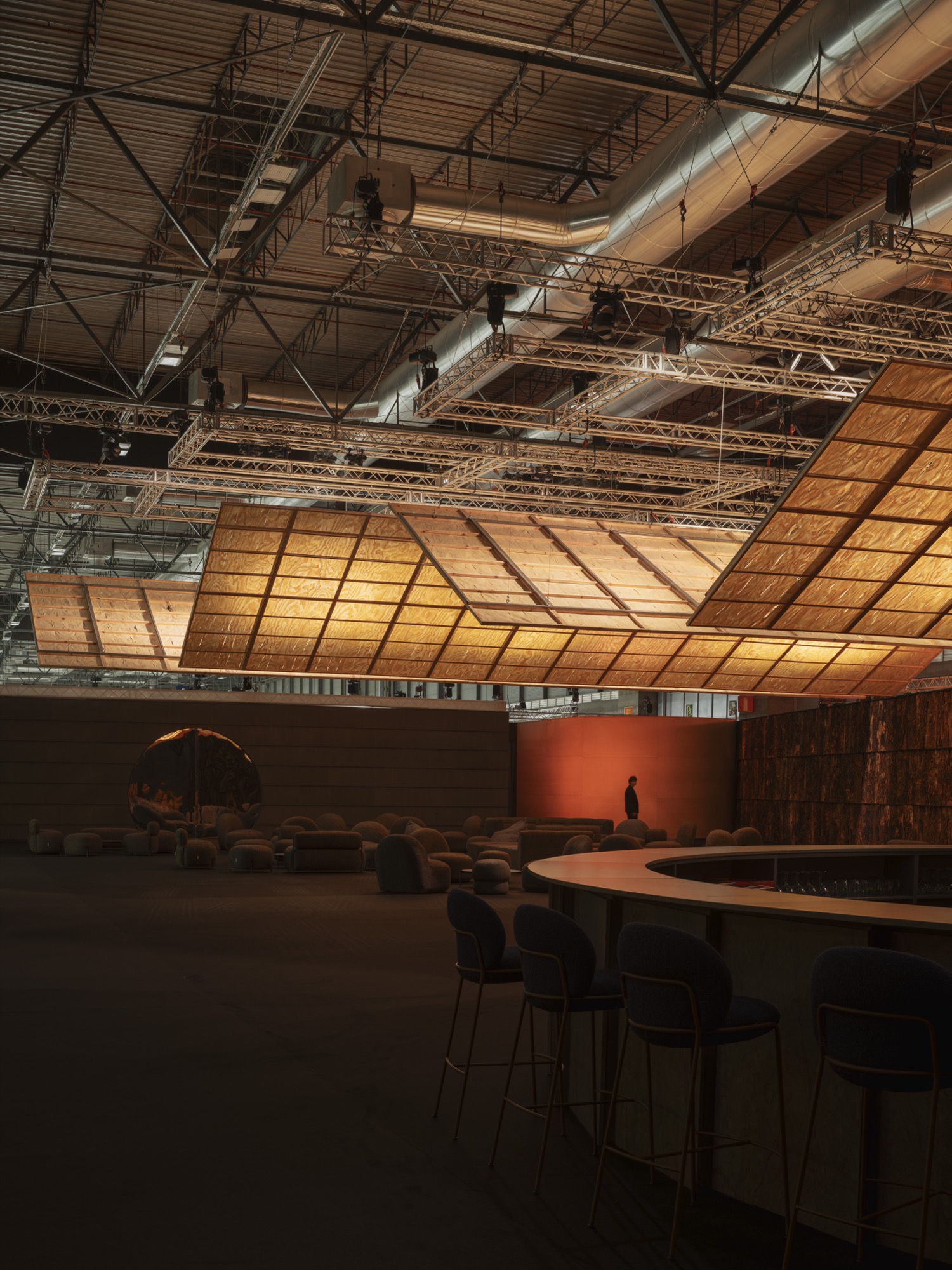
By April, attention pivots to Milan. Milan Design Week and Salone del Mobile return from 21 to 26 April 2026, with the fair anchoring the industry’s most familiar ritual: unveiling furniture, lighting and interior systems that often forecast how we will live, work and consume. Yet the subtext is changing. Material claims are harder to perform, production narratives are more transparent, and the most convincing projects are the ones that translate research into clear spatial outcomes.

Doha extends the spring narrative into a longer, city scale format. Design Doha runs from 16 April to 30 June 2026, positioning design as cultural infrastructure rather than mere product culture. Here, identity, craft, innovation and sustainability are debated in parallel, and the city itself becomes part of the exhibition logic. It is also a reminder that the geography of design discourse is shifting, with the Gulf increasingly shaping agendas rather than simply hosting them.

May in Baku: housing, safety and resilience move to the centre
In May, architecture’s most urgent conversation steps forward. World Urban Forum 13 takes place in Baku, Azerbaijan from 17 to 22 May 2026, focusing on housing and the future of safe, resilient cities and communities. The framing is direct. Housing is not a side topic, but the primary lens through which equity, climate preparedness and governance are measured.
For designers, this is less a festival of form and more a confrontation with systems: policy, finance, infrastructure, implementation. It is where “community centred design” stops being a mood and becomes a set of hard questions about tenure, affordability, risk, and what it actually takes to deliver.

June in Copenhagen and Barcelona: design culture meets architectural responsibility
June offers a double perspective on the discipline, one through the intimacy of a city festival, the other through the scale of a global congress.
Copenhagen hosts 3daysofdesign from 10 to 12 June 2026, turning showrooms, galleries and streets into an accessible map of contemporary design culture. In a year where sustainability claims will be scrutinised, the Nordic context remains influential for its quiet insistence on durability, repairability and human scale. The festival’s power lies in atmosphere: the sense that design is not only an object, but a relationship between craft, industry and everyday life.

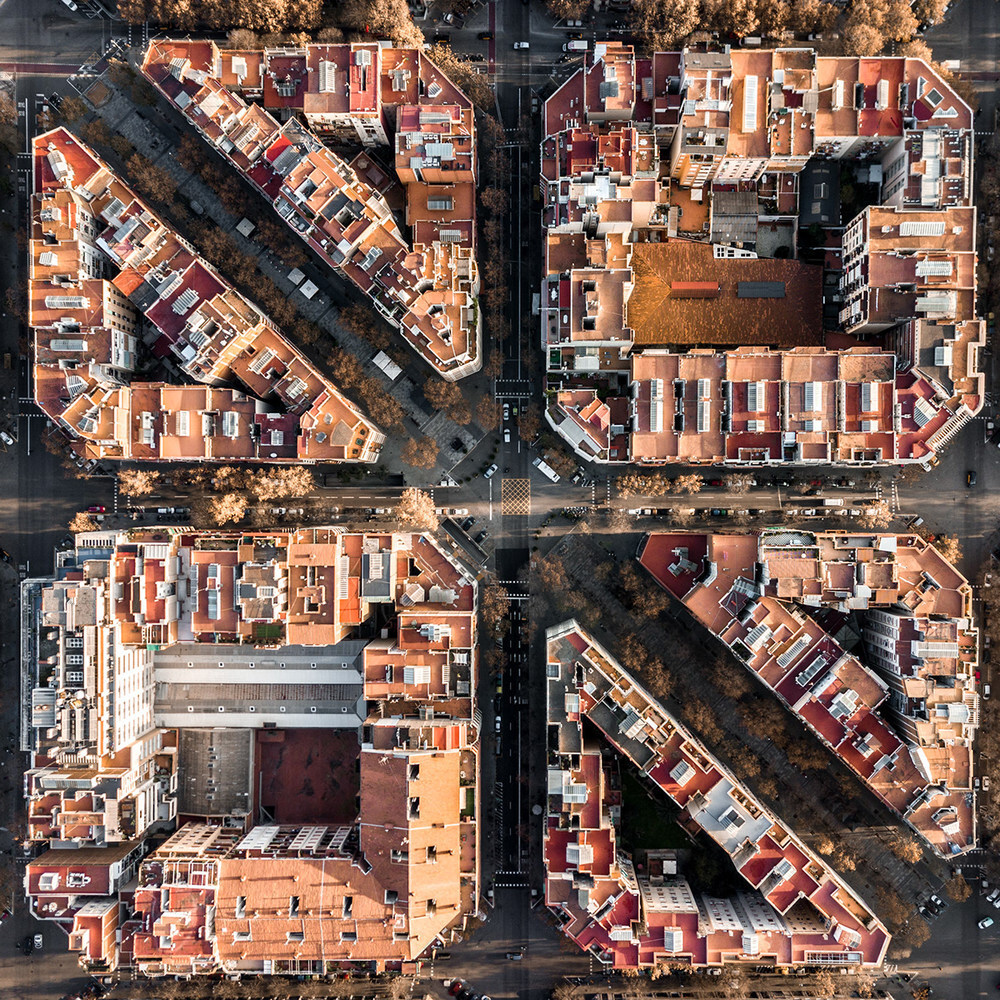
Later in the month, Barcelona becomes the profession’s main stage. The UIA World Congress of Architects runs from 28 June to 2 July 2026 under the theme Becoming. Architectures for a planet in transitions. The title captures the moment: continuous change, where architecture is asked to operate across climate realities, resource constraints and social fragmentation. The most meaningful discussions are likely to revolve around tools, accountability and new forms of practice, rather than pure vision alone.
September: Nairobi, Oslo and Tallinn redraw the map of attention
Autumn is where the calendar becomes most geopolitically telling, as three major events reposition the centre of architectural discourse.
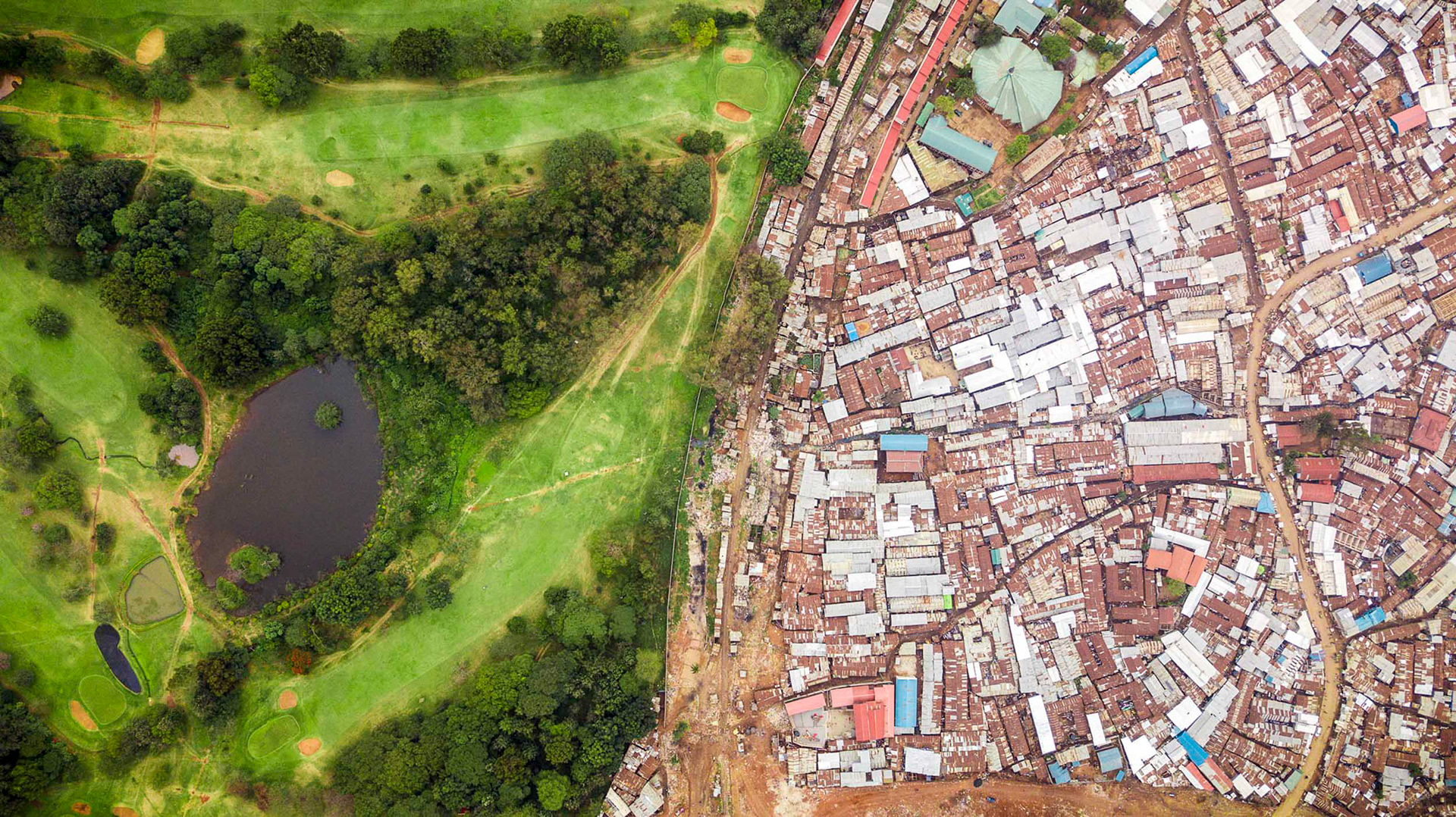
In Nairobi, the first Pan African Architecture Biennale arrives in September 2026, aiming to reframe authorship and agency by placing African perspectives at the centre of global conversation. More than an event, it signals a structural shift: a platform that refuses the idea that innovation flows in only one direction, and asks international audiences to listen with greater precision.
Oslo Architecture Triennale opens from 17 September 2026, foregrounding a question that cuts through the noise: What if Nature Comes First? Instead of treating nature as background, it demands a reversal of priorities, pushing architecture to renegotiate land use, extraction, comfort and urban growth from the ground up.
Tallinn Architecture Biennale follows from 9 September to 30 November 2026, often using the Baltic lens to transform constraints into a design method. In 2026, that position feels less regional and more universal, as many cities are forced to build under limits that are environmental as much as economic.
Late 2026: Sharjah and Tirana, civic infrastructure and hospitality as design tools
As the year closes, the focus returns to architecture’s civic dimension, but through two contrasting moods.
Sharjah Architecture Triennial SAT03 runs from November 2026 into early 2027, centring on civic infrastructure and collective futures. Its relevance lies in a simple insistence: architecture is not only buildings, but the frameworks that make public life possible, and the systems that decide who benefits.
Meanwhile, Bread and Heart Festival takes place in Tirana, Albania from 3 to 5 June 2026, mixing architectural dialogue with a deliberately social, hospitable format. At a time when the profession can feel distant from everyday experience, Tirana’s proposition is disarmingly direct: gatherings matter, relationships matter, and the way we host each other can shape the way we build together.

What 2026 is really saying
Seen as a whole, 2026 reads less like a tour of dates and more like a distributed debate about architecture’s next posture. From AlUla’s landscape scale interventions to Baku’s housing agenda, from Barcelona’s planetary transitions to Nairobi’s reframing of authorship, the year converges around three demands: resilience, cultural continuity, and community centred design.
The headline, then, is not any single biennale or fair. It is the emerging consensus beneath them. Architecture in 2026 is being asked to move faster, speak clearer, and prove its value in public, without losing its soul.