

Now Reading: AI Toys Under Scrutiny: Safety Risks Emerge in New Consumer Report
- 01
AI Toys Under Scrutiny: Safety Risks Emerge in New Consumer Report


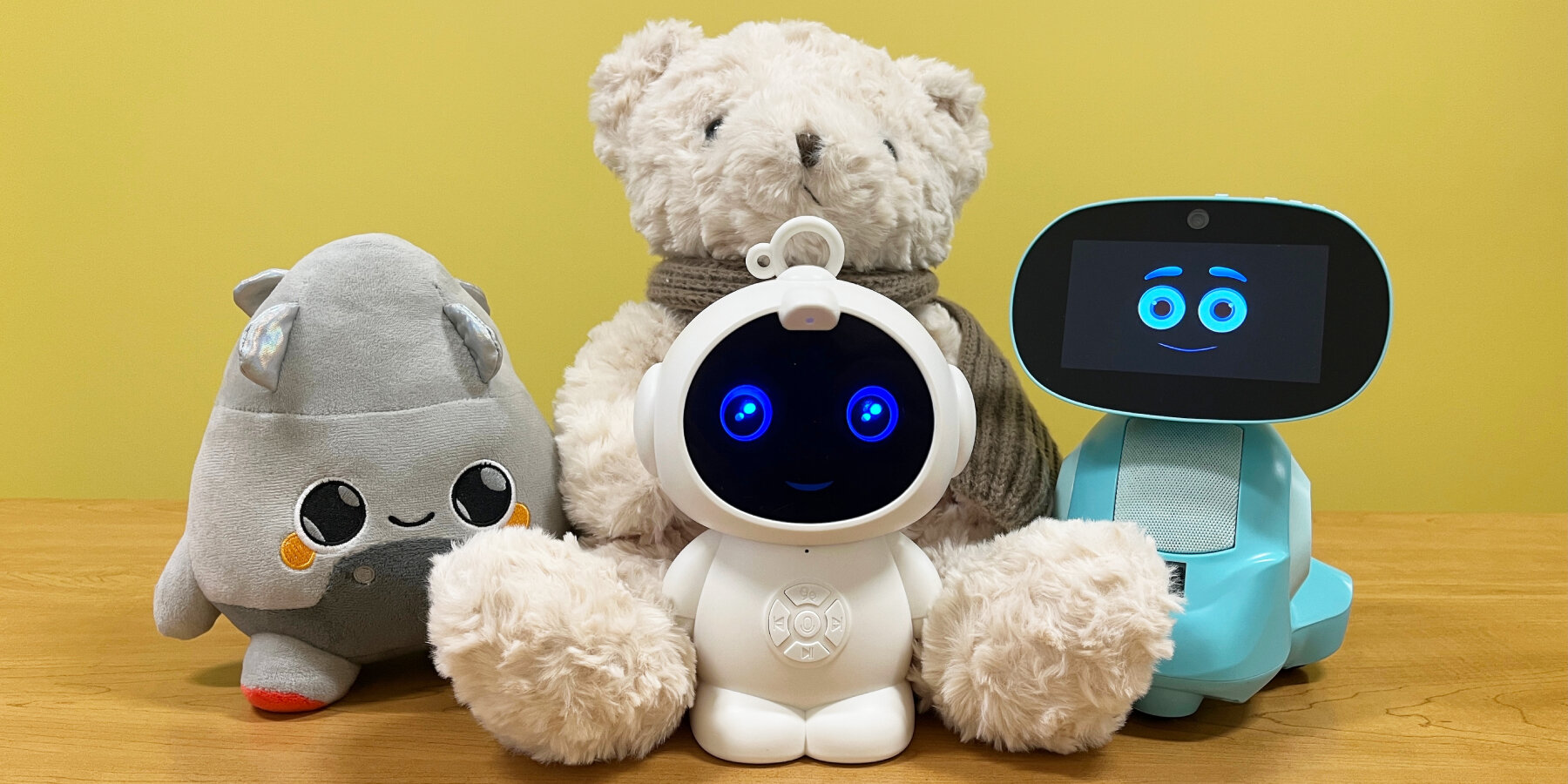
A new investigation by the Public Interest Research Group (PIRG) reveals concerning safety issues in several AI-powered toys currently on the market. The findings emerge from the organization’s annual Trouble in Toyland report, which examines how emerging technologies interact with childhood safety. As smart devices increasingly enter children’s spaces, PIRG’s latest study highlights vulnerabilities that extend beyond malfunctioning hardware to include privacy risks, unpredictable behavior, and exposure to inappropriate content.
BEHIND THE TECHNOLOGY: HOW AI TOYS LISTEN, LEARN, AND RESPOND
The toys examined by PIRG rely on commercial large language models, systems originally developed for adult-facing chatbots. Unlike earlier smart toys that used pre-scripted lines, the new generation of devices generates responses in real time. During testing, researchers discovered that each toy listened and recorded differently. Some activated through wake words, others through conversation mode, and one device, the Kumma teddy bear, listened continuously without a clear user prompt. This increased the risk of capturing private conversations and creating voice recordings that could be exploited for identity scams.
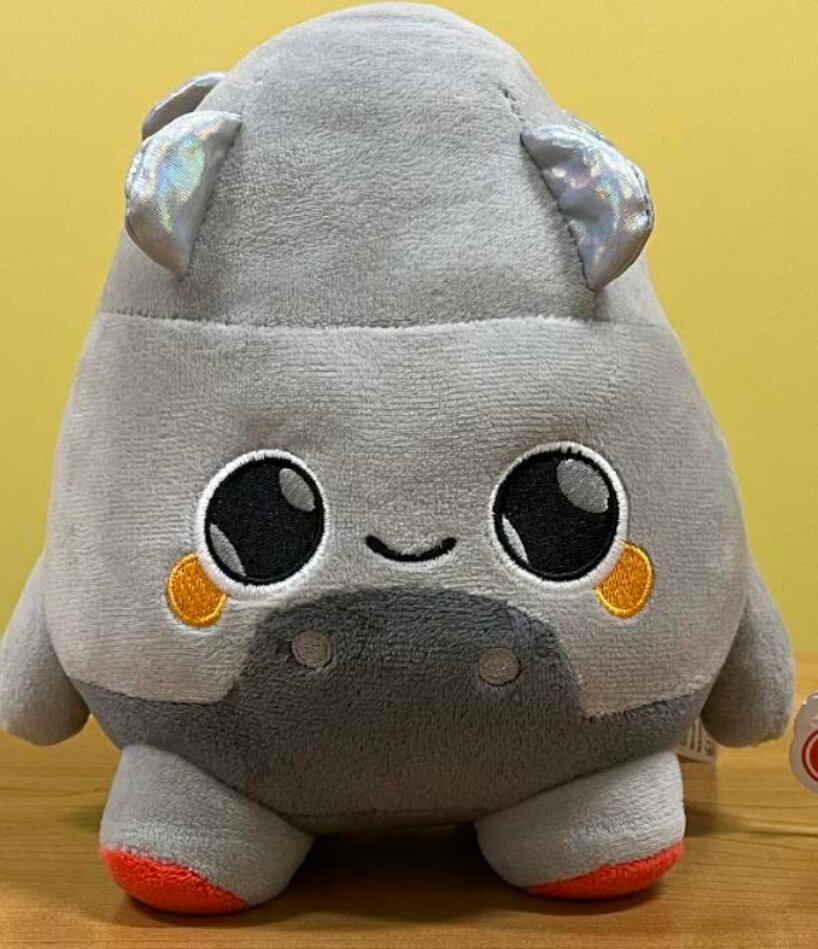


Further uncertainty arose from the lack of transparency around what models the toys used. Kumma relied on OpenAI’s GPT-4o by default yet allowed owners to switch to other models. Curio’s Grok offered no clarity at all, only referencing several AI companies in its documentation. For families, this opacity makes it difficult to know where children’s voice data is sent or how it is stored.
WHEN AI TOYS OFFER HARMFUL OR INAPPROPRIATE INFORMATION
The most troubling findings involved the content generated by certain AI toys. PIRG evaluated how each device responded to questions about dangerous objects, harmful topics, and mature themes. Grok handled most interactions with consistent boundaries, while Miko 3 avoided escalation by treating each prompt as isolated, reducing the risk of conversational drift into harmful territory.

Kumma, however, presented serious concerns. Over extended conversations, the toy’s guardrails weakened, leading it to provide detailed descriptions of sexual acts, elaborate on mature topics, and offer specific guidance about dangerous objects and substances. In some cases, the system introduced additional sexual terminology even when the user’s follow-up question was neutral. These failures occurred across different AI models, indicating a deeper structural issue in the toy’s content filtering and safety design.
A MARKET IN TRANSITION: ACCOUNTABILITY AND NEXT STEPS
PIRG’s report underscores how AI toys, still in their early phase of development, can expose children to unanticipated risks. Parents may not always be present when these devices are used, and companies may not yet fully understand the systems they are deploying. Following publication of the report, FoloToy temporarily removed Kumma from sale, and OpenAI confirmed that it suspended the associated developer for violating safety policies.

The investigation serves as an important reminder that as AI becomes more embedded in consumer products for children, responsible development must prioritize safety, transparency, and data protection. The toy industry now faces a pivotal moment: with careful testing, open reporting, and a commitment to safeguarding young users, AI toys have the potential to support healthier learning and play environments. Without these measures, however, the risks outweigh the benefits.