
Now Reading: When the city says No: How “rejected” buildings become icons
- 01
When the city says No: How “rejected” buildings become icons


There is a particular kind of civic resistance that architecture provokes better than almost anything else. A building is not an opinion one can scroll past. It interrupts daily routes, redraws skylines long used as orientation devices, and alters the way light falls on streets that once felt settled. Above all, it refuses to disappear. Once constructed, architecture becomes a long-term relationship, one the public never explicitly consented to, yet must inhabit for decades.
That is why cities so often say no first.
Paris, more than most, has turned architectural dissent into a civic ritual. In the late nineteenth century, artists and intellectuals publicly condemned the Eiffel Tower as an assault on the city’s beauty. A century later, the glass pyramid at the Louvre was dismissed by critics as an alien gadget. Even the Centre Pompidou, now inseparable from Parisian cultural life, was initially derided as an industrial intruder, a factory dropped into the historic core.
These episodes are often retold as reassuring parables. The public protested, the architects endured, and time proved the vision right. Yet the deeper truth is less sentimental and more instructive. Controversy is not an accident in the making of architectural icons. It is part of the process. A city’s refusal is often the first stage of a longer negotiation between memory and change, between what a place believes it is and what it is becoming.
WHY ICONIC BUILDINGS ARE OFTEN REJECTED AT FIRST
Public hostility toward ambitious architecture may appear irrational, but it follows a recognizable pattern.
First comes aesthetic shock. Cities build their identities through repetition, through cornice lines, materials, silhouettes, and rhythms that accumulate over time. When a new object violates these patterns, it is read not as experimentation but as a threat to collective self-image. In heritage-heavy cities, this fear is not merely nostalgic. It is strategic, tied to tourism, cultural legitimacy, and economic value.
Second is symbolic politics. Landmark projects are rarely neutral. They raise questions of authority. Who has the right to redefine the skyline, and whose vision of the future is being imposed. When the site is culturally sacred, opposition quickly becomes existential. The debate ceases to be about architecture alone and turns into a struggle over identity.
Third is the morality of money. Cost overruns and public spending transform design debates into ethical ones. Few projects illustrate this better than the Sydney Opera House, whose soaring ambition collided with political reality, leaving behind both a global icon and a cautionary tale about governance.
Finally, there is time, the factor architects most often underestimate. The public eye requires repetition to soften into acceptance. What is hated at the proposal stage may be tolerated once built, and loved only after it becomes ordinary. Cities resist edits to their visual memory, but memory does adapt.
With this framework in mind, consider five projects that traveled from intense opposition to emblematic status. Not every controversial building deserves redemption. But these examples reveal how dissent can become the opening chapter in a building’s eventual adoption.
THE EIFFEL TOWER: THE “MONSTROUS” STRUCTURE THAT BECAME PARIS
When critics denounced the Eiffel Tower during its construction, they did so in the name of preservation. Their language framed the structure as a wound inflicted on the city, an act of technological arrogance that would disfigure Paris’s classical harmony. Their fear was specific. An unprecedented iron structure would puncture the city’s carefully controlled horizon.
What they could not foresee was how quickly the tower would reorganize perception. Seen from the riverbanks at dusk, or glimpsed between Haussmannian façades, it became a civic instrument. It offered orientation, spectacle, and a shared point of reference. Rather than erasing Parisian identity, it expanded it, folding engineering into romance and modernity into myth. The tower did not replace the city’s image. It added a new layer that eventually came to define it.

The lesson is not that the critics were foolish. They spoke for the Paris they recognized. Architectural icons often emerge by forcing a city to recognize a broader version of itself.
THE LOUVRE PYRAMID: FROM “GADGET” TO CIVIC INTERFACE
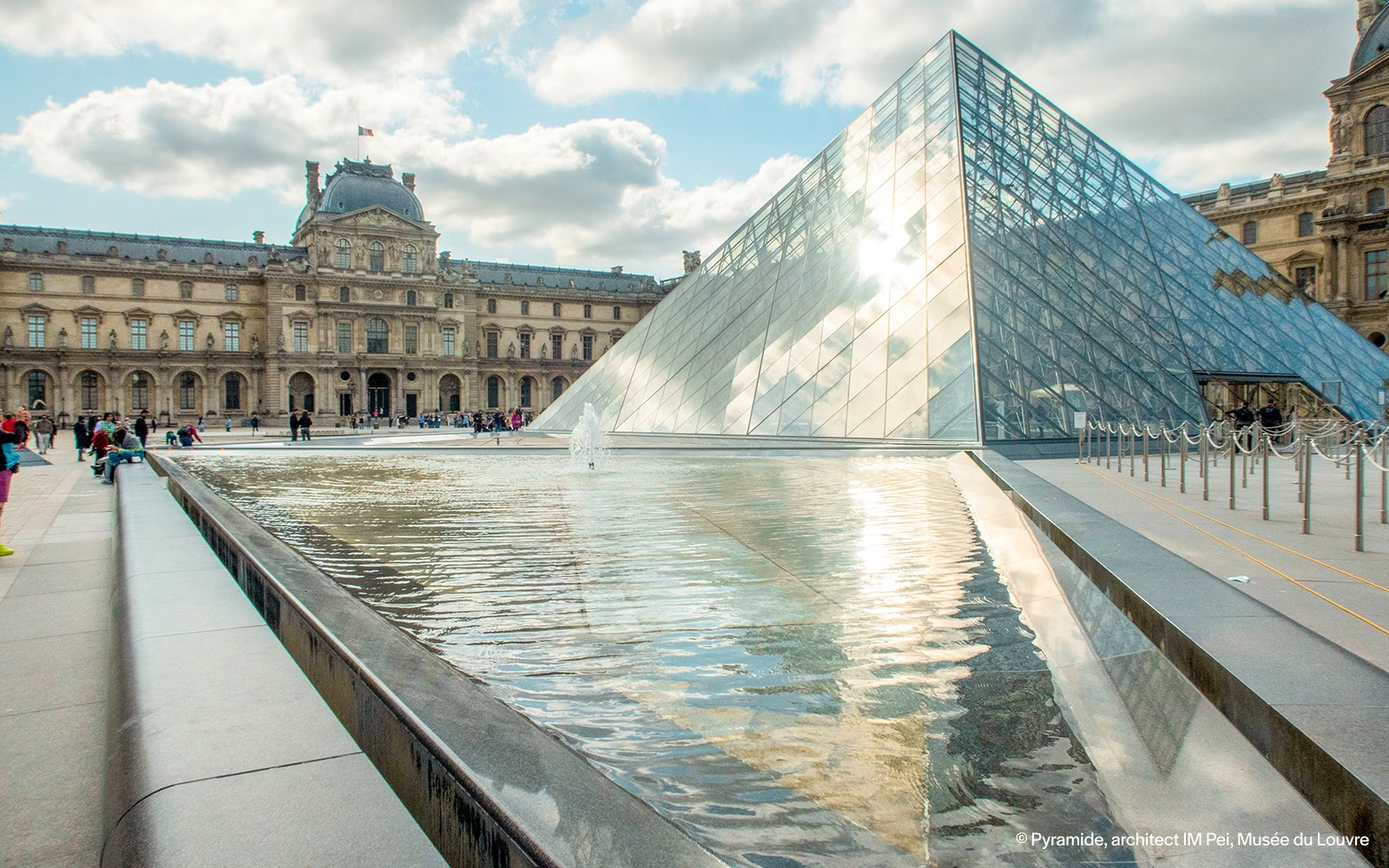
If the Eiffel Tower scandalized by scale, the Louvre Pyramid scandalized by context. The Louvre is not merely a museum. It is a national symbol. Opposition to a contemporary intervention in its courtyard was immediate and visceral. Detractors accused the pyramid of frivolity and of reducing a historic palace to a backdrop for modern display.
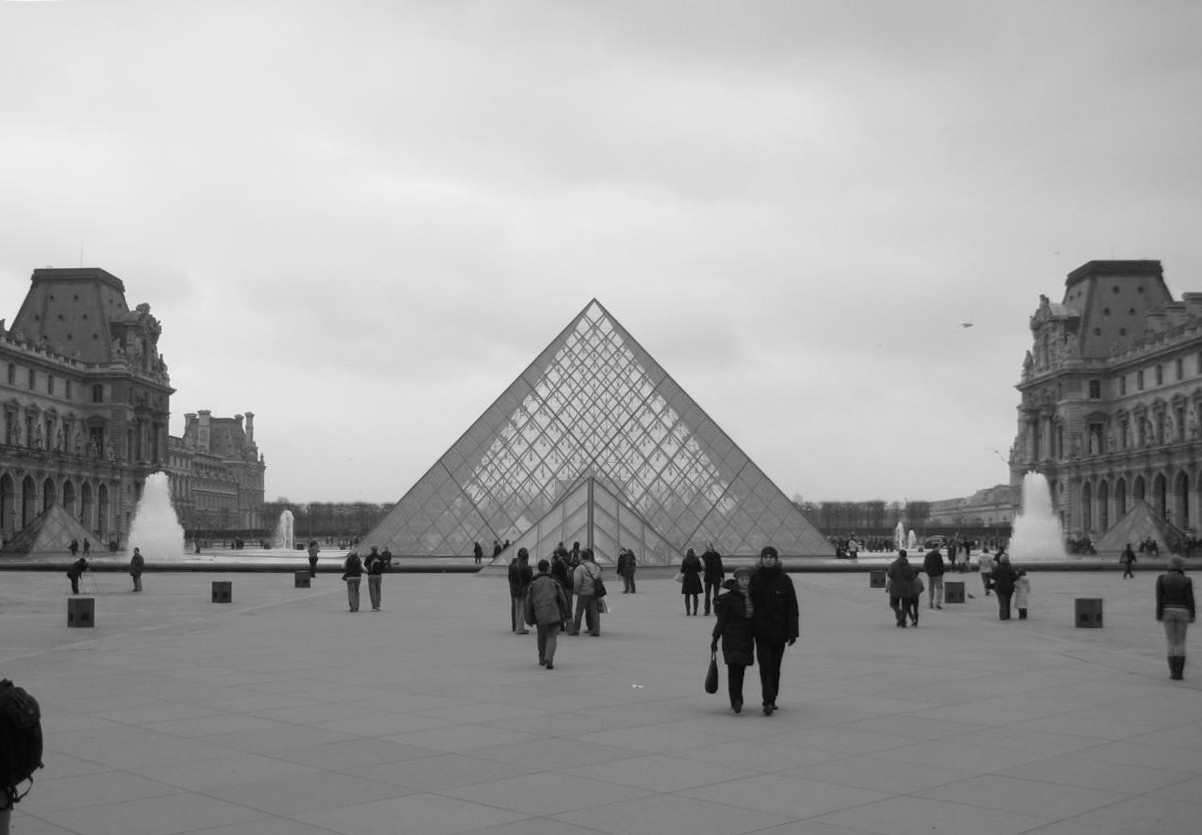
Yet the pyramid was never conceived as provocation alone. It was an infrastructural solution to a logistical problem. The museum needed to reorganize access and circulation for a global public. The clarity of the pyramid’s geometry and the way daylight filters down into the underground concourse turned necessity into legibility. Over time, usefulness softened resistance. Visitors learned the pyramid not as an object to be judged, but as a threshold to be crossed.
Architecture rarely wins arguments on symbolism alone. It wins by shaping experience. The Louvre Pyramid did exactly that, and in doing so it rewrote the rules of how modern architecture could coexist with historical authority.
CENTRE POMPIDOU: THE INDUSTRIAL SHOCK THAT BECAME A PUBLIC LIVING ROOM
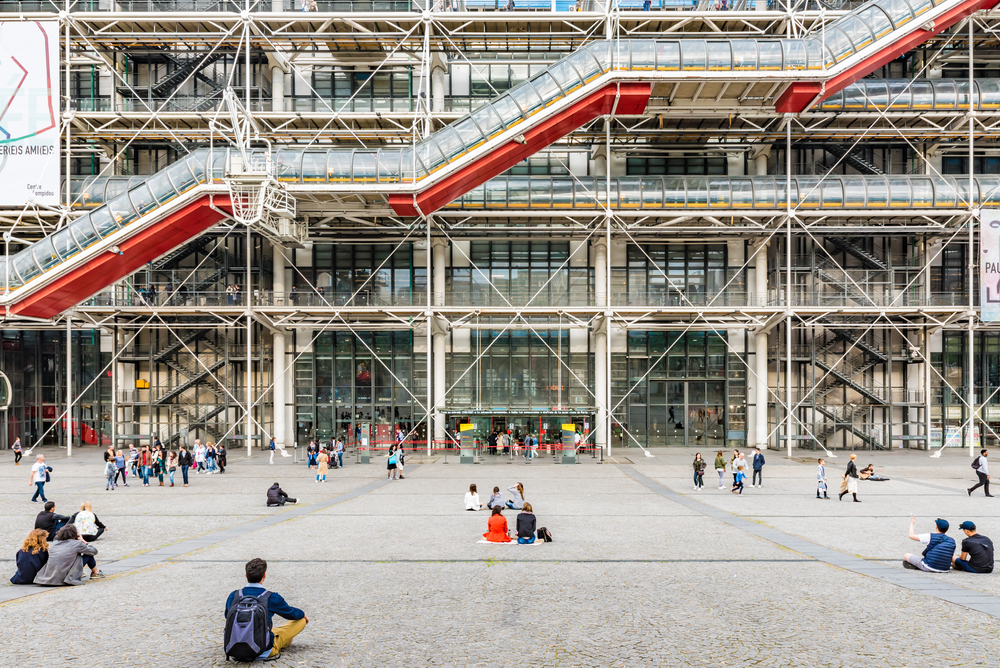
The Centre Pompidou arrived in Paris like a provocation made solid. Its exposed structure and services inverted architectural etiquette, transforming what was usually hidden into a public display. Early reactions were brutal. The building was likened to an oil refinery or factory.
But the Pompidou’s enduring significance lies less in its aesthetics than in its social ambition. Its most powerful contribution is not a gallery but the vast public piazza that unfolds in front of it. Street performers, students, tourists, and locals occupy the space daily, often without entering the museum at all. Culture here is not ceremonial. It is ambient.
By creating a new ritual of public gathering, the Pompidou accelerated its own acceptance. Habit is the precursor to affection. Once the building became part of everyday urban life, its shock value dissolved into familiarity.
SYDNEY OPERA HOUSE: AN ICON FORGED THROUGH CONFLICT
The Sydney Opera House demonstrates that architectural icons are not always born of smooth consensus. From the outset, the project was entangled in political tension, escalating costs, and administrative conflict. The resignation of its architect before completion turned the building into a symbol of institutional failure as much as artistic ambition.
Yet even as governance faltered, the building’s image took hold. Seen from the harbor, its sculptural shells caught light and weather in a way no photograph could fully capture. The form entered global consciousness long before the project’s internal struggles were resolved. In this case, controversy did not precede iconicity. It accompanied it.
The Opera House teaches a harder lesson. Visionary architecture can outpace the systems meant to deliver it. A city may gain an icon while simultaneously exposing its own procedural fragility. Both outcomes become part of the building’s legacy.

Credit: © Budget Direct via NeoMam Studios
GUGGENHEIM BILBAO: SKEPTICISM AND THE MAKING OF A MYTH
Few buildings have generated as much discourse as the Guggenheim Museum in Bilbao. At its inception, skepticism focused on cost, relevance, and the wisdom of importing a global cultural brand into a post-industrial city. What followed became shorthand for an entire era, the so-called Bilbao effect.
Yet the museum’s success was never solely about its titanium curves. It coincided with a broader urban strategy. Investment in infrastructure, public space, and cultural programming preceded and supported the building’s impact. Walking along the Nervión River today, the museum reads less as an isolated object than as a hinge within a larger urban sequence.
Bilbao’s story has since been simplified, sometimes dangerously so. Iconic architecture does not automatically regenerate cities. But when paired with context and intent, it can crystallize change into a legible form.

WHAT THESE STORIES REVEAL
Across these cases, a pattern emerges.
First, buildings become iconic when they generate new public rituals. The Eiffel Tower redefined the skyline as spectacle. The Louvre Pyramid reorganized arrival. The Pompidou turned culture into a daily event. Architecture earns affection by being lived.
Second, icons are legible. They may be complex in conception, but they are graspable in silhouette. A tower, a pyramid, a machine, a set of sails, a shimmering bloom. These forms lodge in collective memory because they can be held in a single glance.
Third, icons survive long enough to become normal. Backlash peaks at proposal and again during construction. If a building endures beyond those moments, resistance often gives way to familiarity. What once felt like intrusion becomes seam.
It is tempting, and ultimately misleading, to turn these histories into a comforting narrative in which public resistance is merely a prelude to eventual admiration. Not every controversial building is redeemed by time, and not every skyline experiment becomes an icon.
Paris itself offers a cautionary counterexample. Completed in the early 1970s, the Tour Montparnasse has never been fully absorbed into the city’s collective affection. Despite its longevity, it is still widely regarded as a rupture rather than a seam. It is less a misunderstood landmark than a lasting reminder that disapproval, once embedded in a skyline, cannot always be reversed.
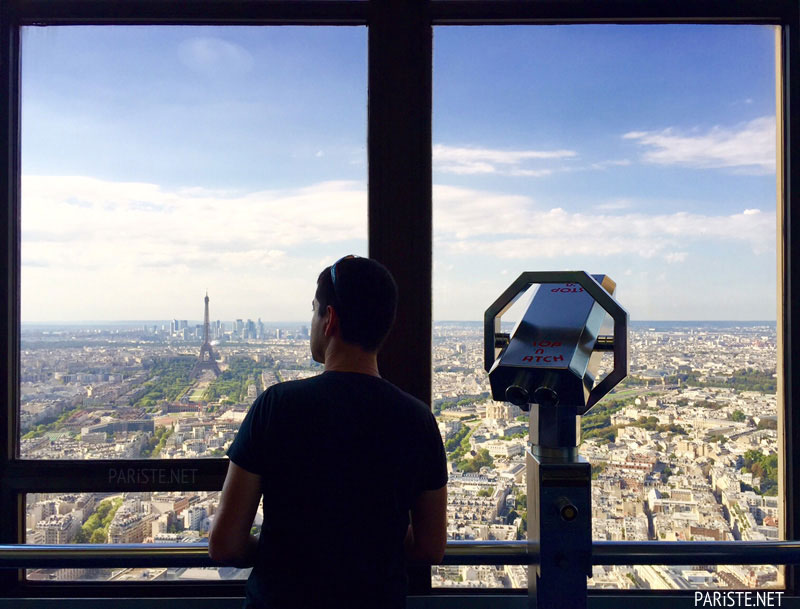
These counterexamples matter because they expose a harder truth. Controversy is not a guarantee of significance. It is only a test. Some buildings pass it by reshaping public life and memory. Others endure without ever being claimed.
TOUR TRIANGLE AND THE ARGUMENT STILL UNFOLDING
Paris now finds itself rehearsing this argument once more.
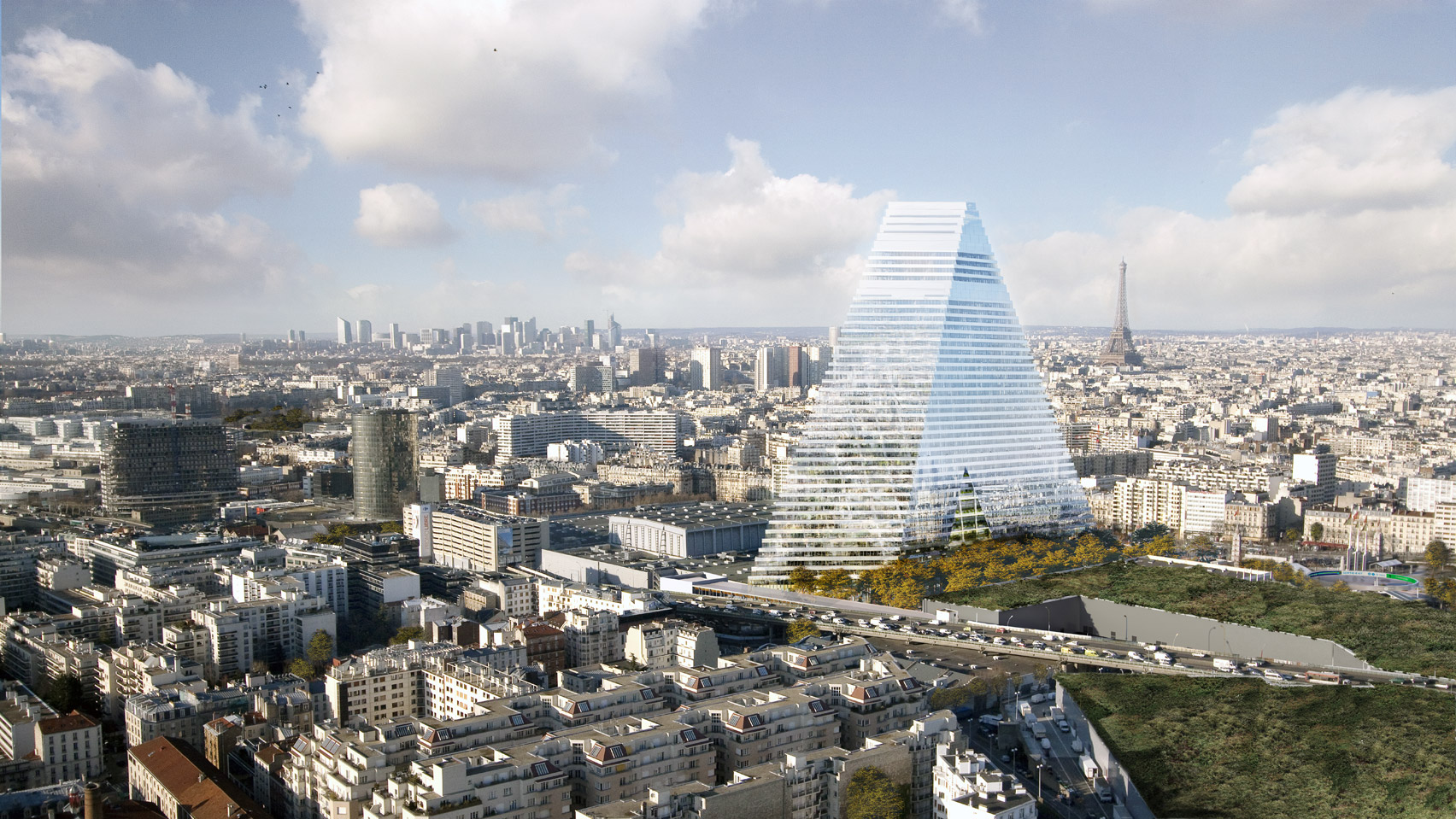
Rising at Porte de Versailles, Tour Triangle represents one of the city’s rare contemporary experiments with height. Designed as a sharply faceted prism, the tower has provoked years of debate over skyline preservation, urban necessity, and the meaning of modernization in a city long defined by restraint.
The project’s history mirrors Paris’s familiar pattern. Rejection was followed by legal challenge, revision, and eventual construction. What remains unresolved is not the building’s form, but its future relationship with the city.

Tour Triangle has not yet earned the only judgment that ultimately matters, how it will be lived. If it succeeds, it will not be because Parisians suddenly embrace skyscrapers. It will be because the building establishes a public contract through access, experience, and the sense that it contributes more than a corporate silhouette. If it fails, it may join a lineage of projects that survive in concrete and glass yet never become part of the city’s emotional ownership.
The opponents of the Eiffel Tower believed they were defending Paris. In a sense, they were. They defended the Paris they recognized. Tour Triangle asks whether the Paris of the coming decades is willing to recognize itself anew, without abandoning its memory, but without freezing it either.
That tension may be the truest measure of an architectural icon. Not universal approval at birth, but the capacity to endure refusal and, over time, persuade a city to see itself differently.
Photo Cover
Tour Triangle under construction, Paris’s latest test of height and modernity amid ongoing debate. Credit: Courtesy of Herzog & de Meuron.