Now Reading: d-o-t-s turns reclaimed materials into a mobile communal kitchen in Luxembourg
-
01
d-o-t-s turns reclaimed materials into a mobile communal kitchen in Luxembourg

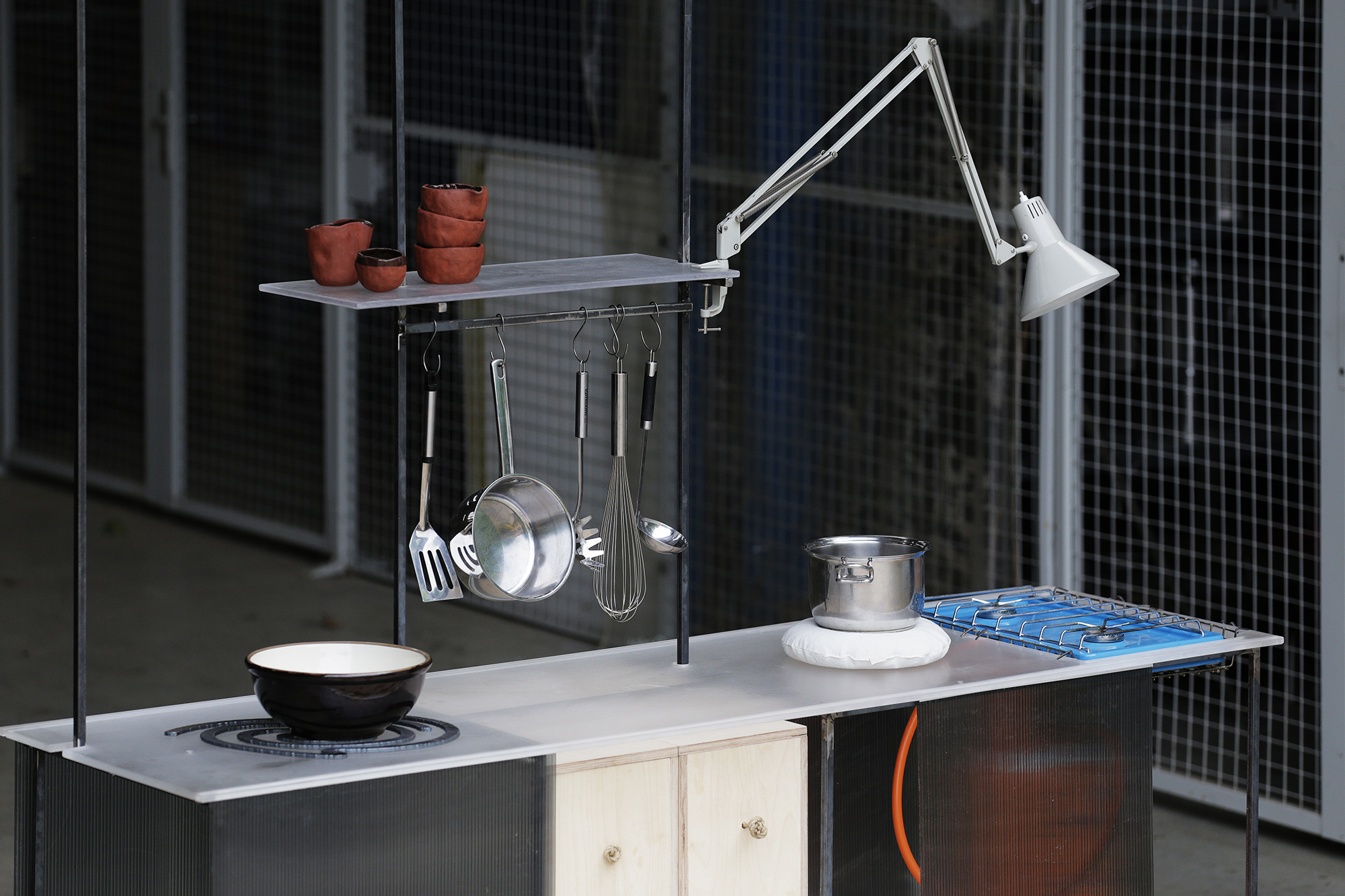

In Sanem, Luxembourg, a temporary residency has produced a kitchen designed less as an appliance than as a civic tool. Cuisine Banale, initiated and curated by d-o-t-s, brings together a set of freestanding modules made primarily from reclaimed materials and remnants of previous art installations, turning cooking into a framework for collective use, exchange and storytelling.
The project takes its name from the medieval system of banalités, in which infrastructures such as ovens and mills were shared collectively. Cuisine Banale translates that model into a contemporary commons, replacing fixed domestic equipment with a mobile system that can be configured around different forms of preparation, cooking, washing, archiving and gathering.
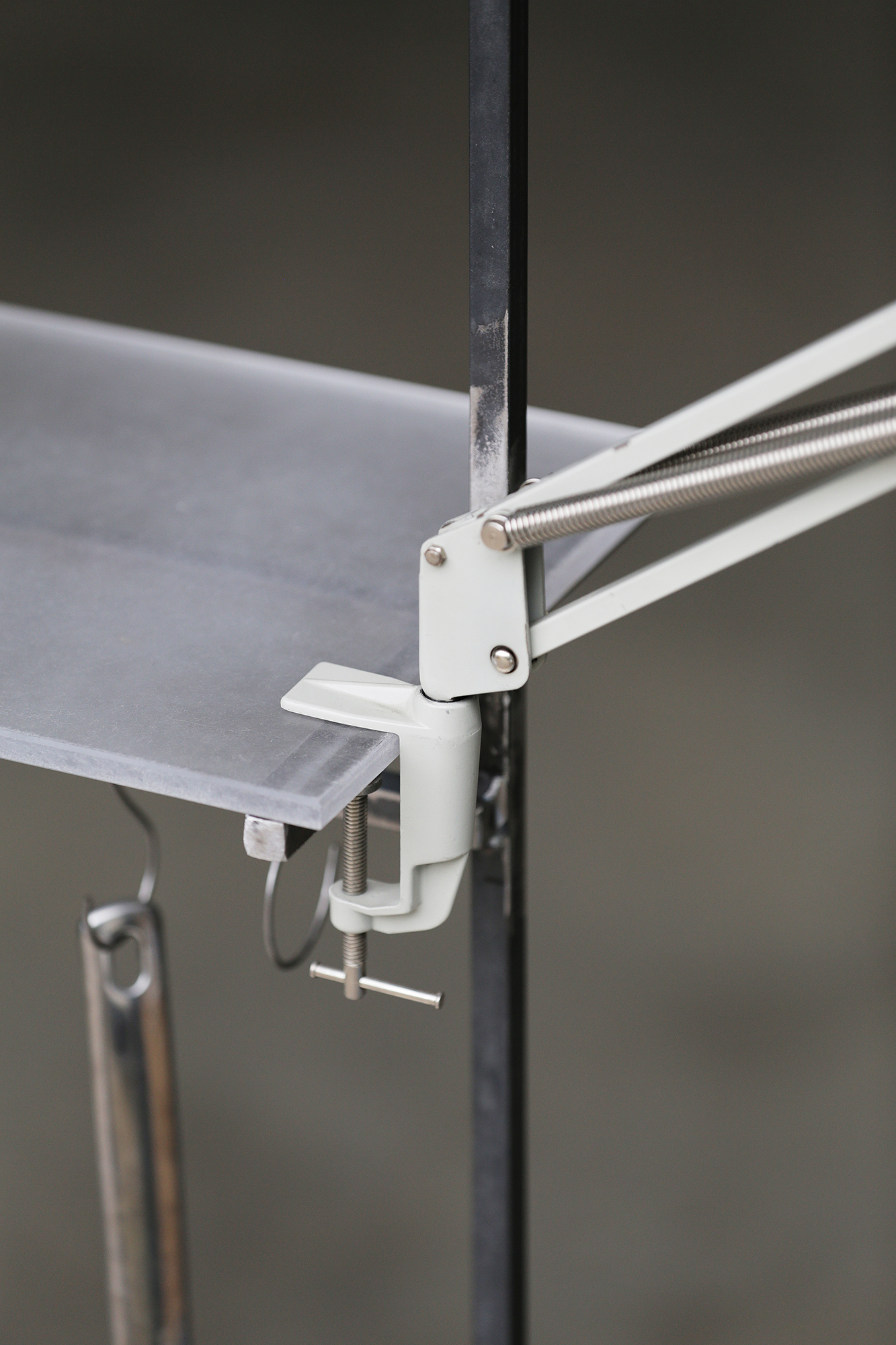
Its circular logic is visible in the materials themselves. Salvaged metal rods, polycarbonate offcuts, scratched plexiglass, tarnished zinc sinks, vintage camping stoves and abandoned trolleys are retained with their previous lives still legible. Rather than disguising wear, the project uses marks, patina and irregularity as evidence of continued use.
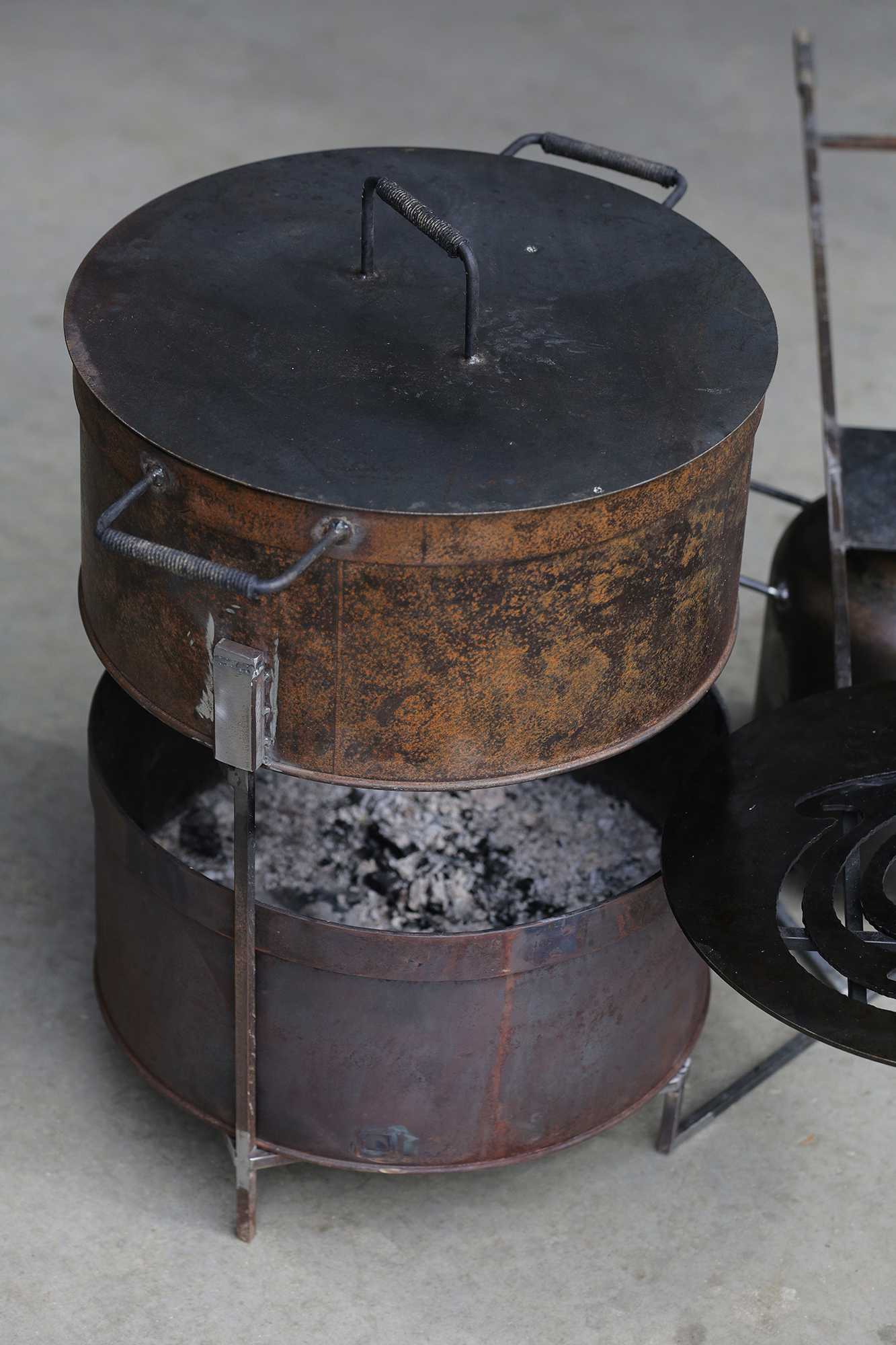
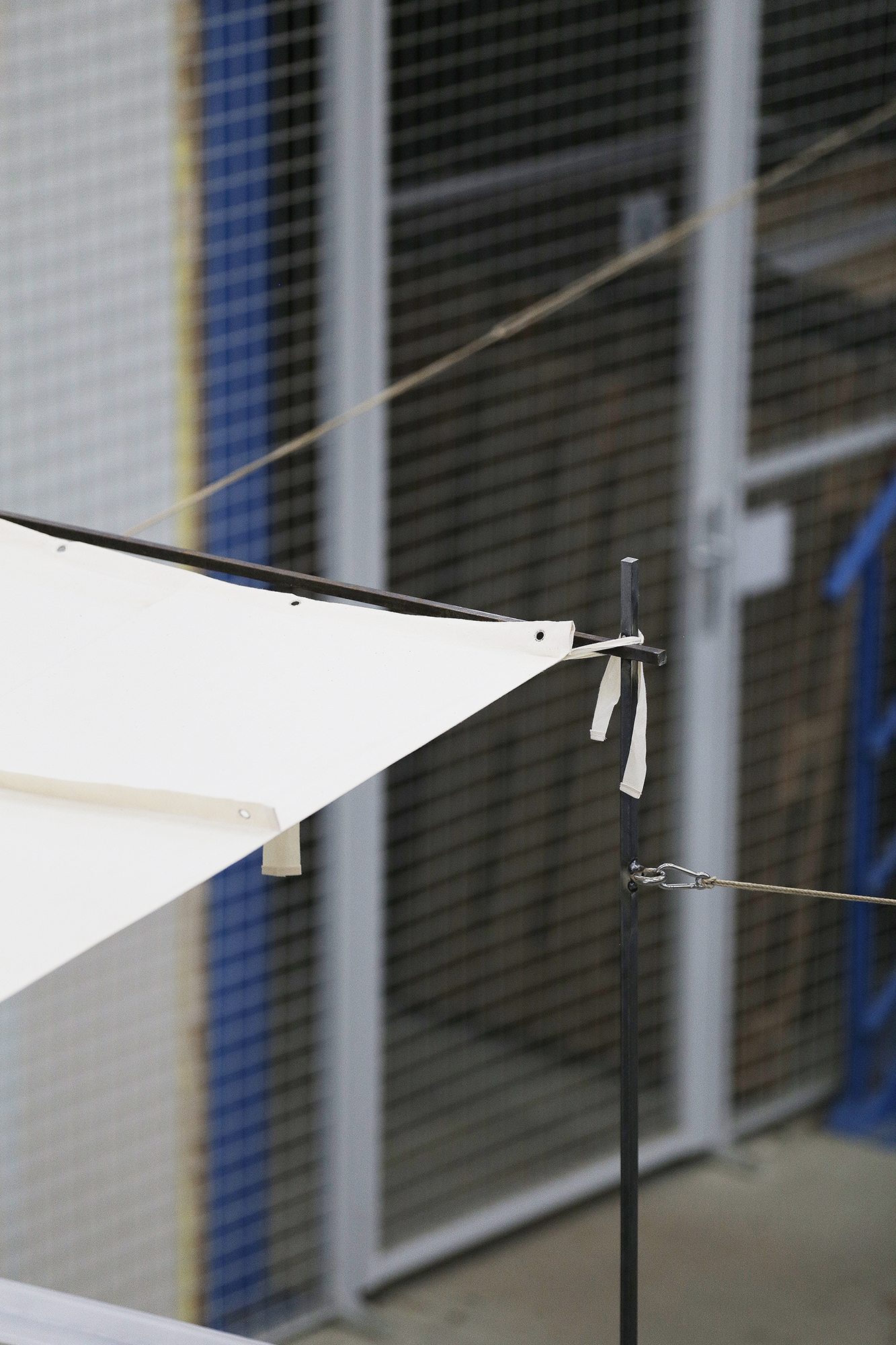
The five-part system separates kitchen functions without fixing them into a single arrangement. A preparation module operates as worktop, storage and temporary station; a fire module supports grilling, smoking, steaming and other heat-based processes; and a wash module concentrates cleaning and maintenance. A lightweight shade canopy can then draw the separate elements together around a temporary central space for meals and gatherings.
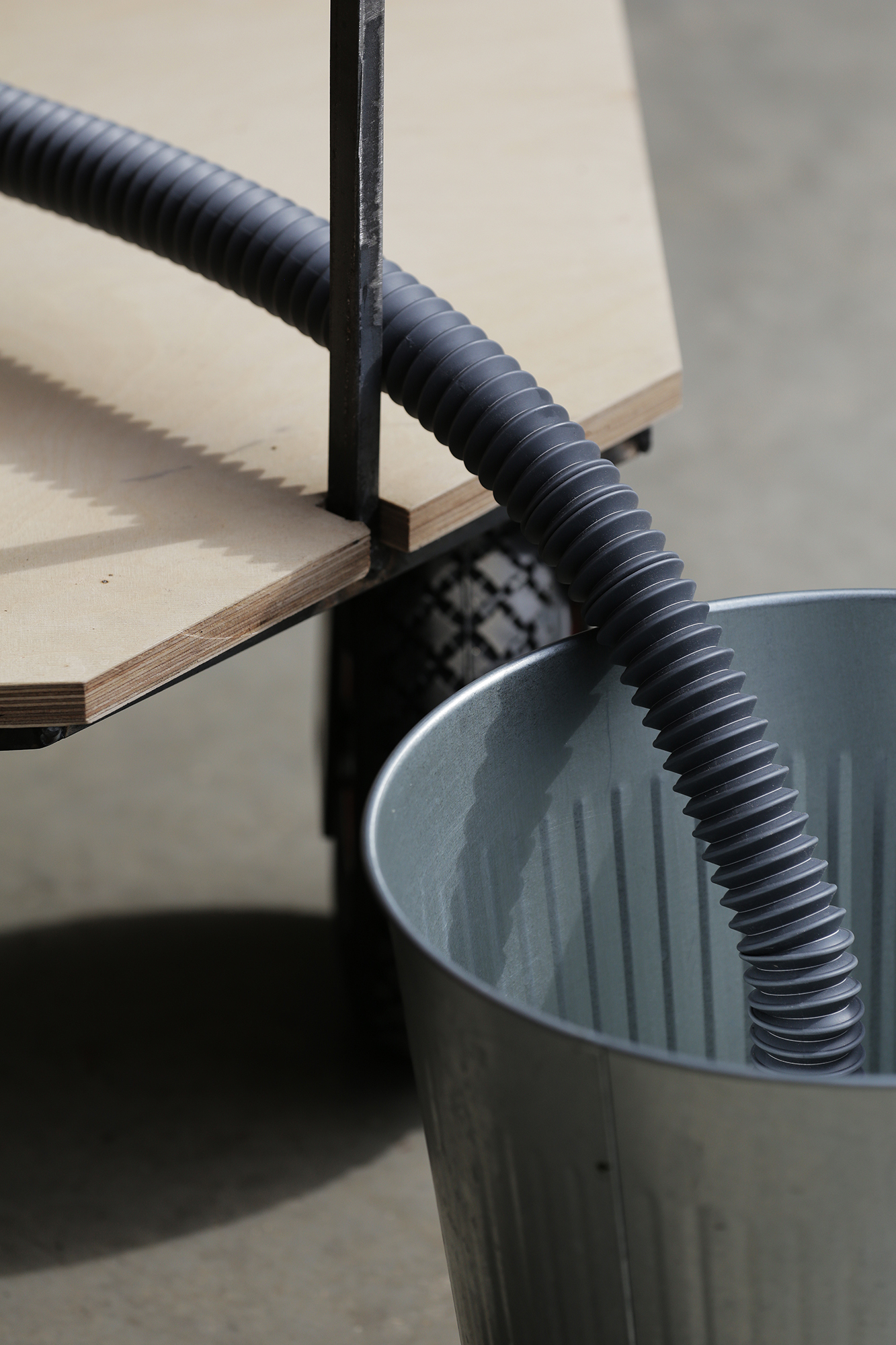
The archive and compost module gives the project its less conventional centre. Users are invited to contribute recipes, anecdotes and culinary traditions connected to family, territory or personal experience. These are stored alongside the material residues of cooking, creating what the project team describes as a form of social compost in which memory and matter continue to accumulate and transform.
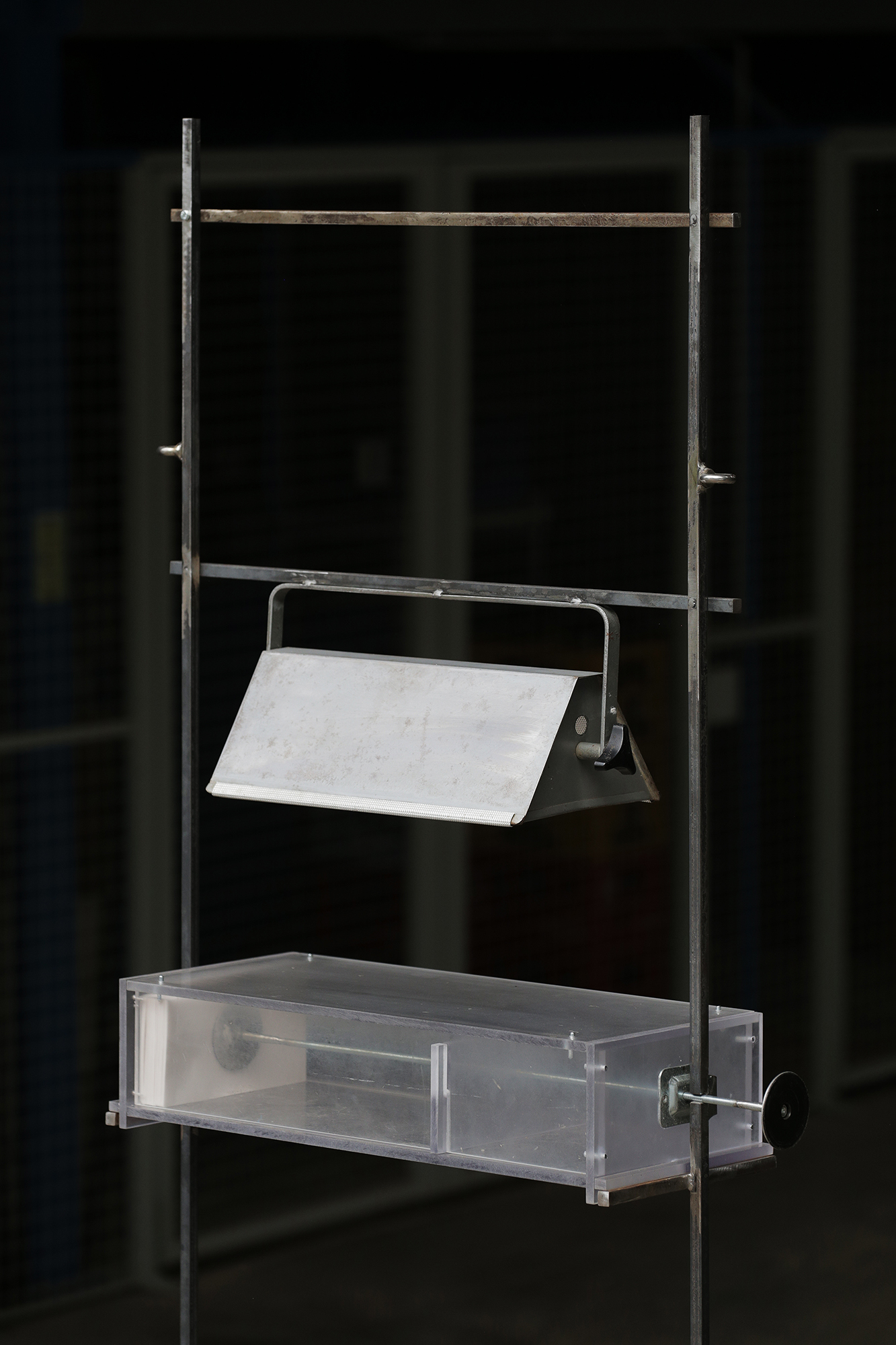
This approach extends the idea of circularity beyond material reuse. Access to the kitchen is not framed as a commercial transaction but as participation: the contribution of a recipe or story becomes a form of exchange. The structure is therefore both functional equipment and a device for accumulating local knowledge through repeated activation.
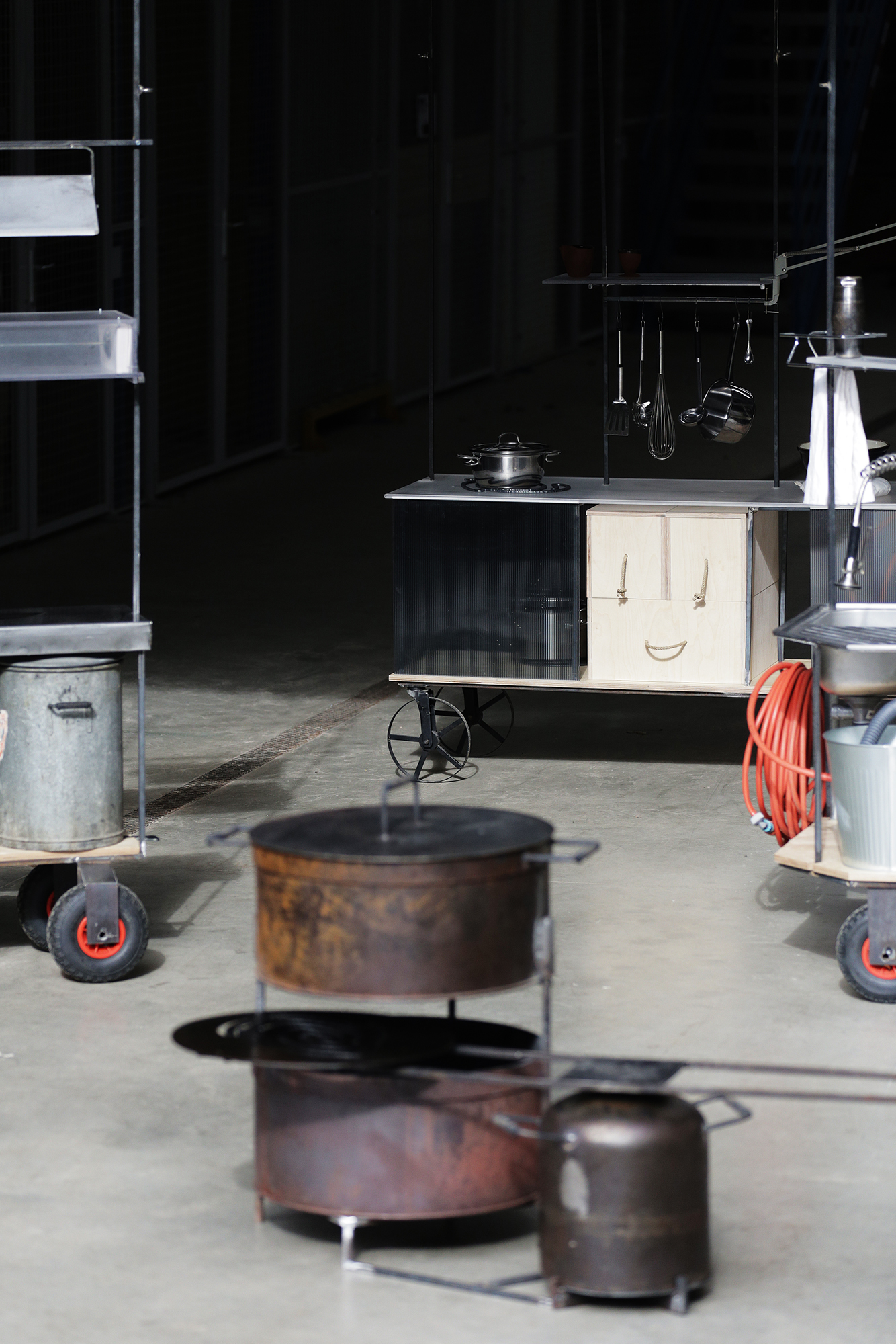
The project also draws on the Panamanian dish terremoto con derrumbe, a broth made from whatever ingredients remain available and therefore never reproduced exactly the same way twice. The reference mirrors Cuisine Banale’s construction method, in which discarded components are treated as resources whose next use is determined through adaptation rather than replacement.
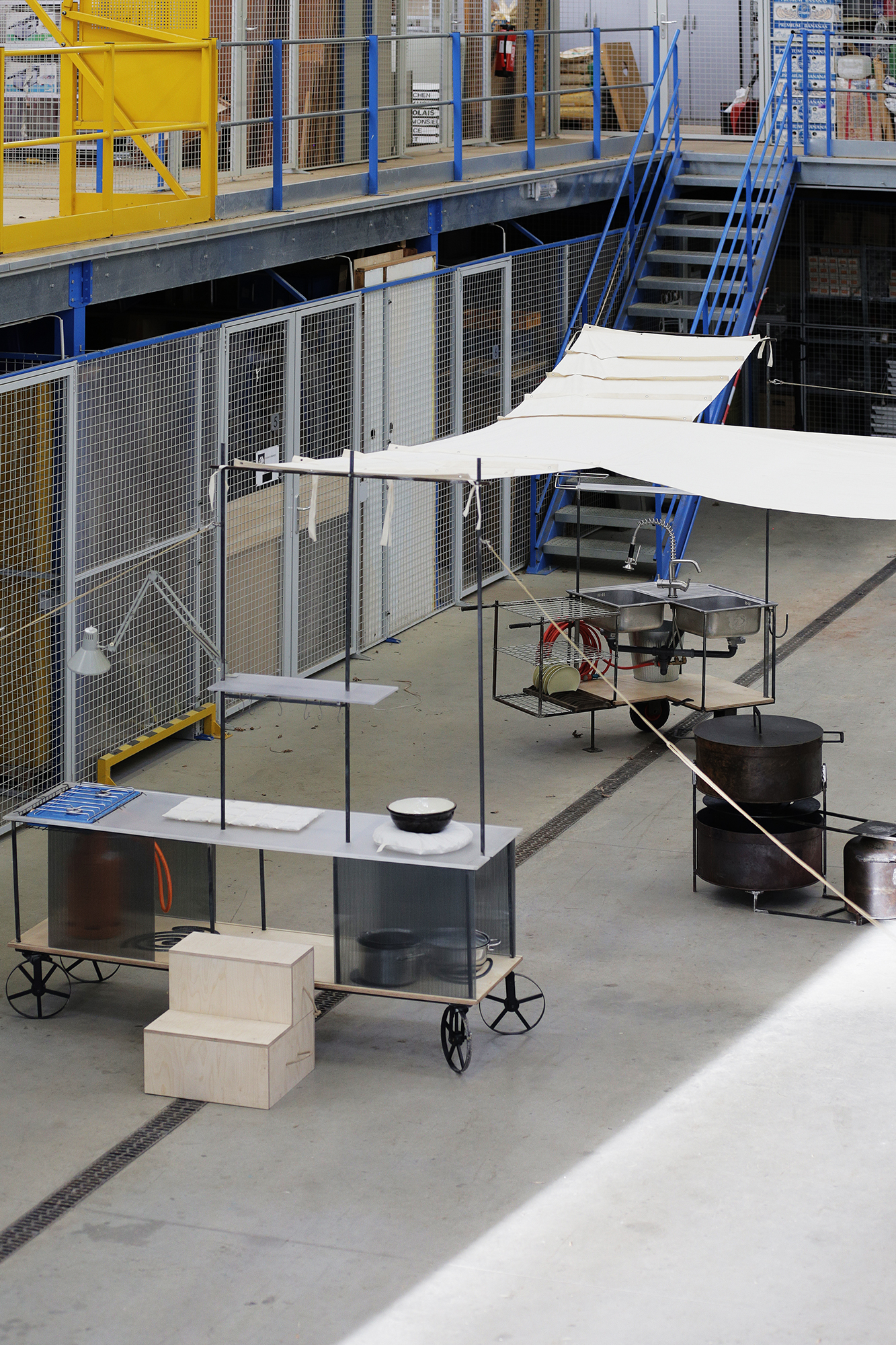
Developed during a three-week residency from 11 to 31 May 2026, Cuisine Banale is now owned by the Municipality of Sanem. It is intended to continue operating as a municipal tool for residents while remaining available for collaborations with European art and design institutions through workshops, exhibitions, food-related activations and community gatherings.
Project Credit
Project name: Cuisine Banale
Location: Sanem, Luxembourg
Residency: 11–31 May 2026
Concept & curation: d-o-t-s (Laura Drouet / Olivier Lacrouts) · @we_are_dots
Design: Breanne Johnson / @beaijo; Quentin Gaudry / Atelier nom commun / @ateliernomcommun
Textile design: Eléonore Grignon / @eleonore.grignon
Food design: Sarah Hornung / @mangerausoleil
Metal work & design consulting: Pascal Reinert, Andy Peters, Pol Thiry
Production: Gemeng Suessem
Reclaimed materials: SIVEC
Photography: Olly Cruise, d-o-t-s