Now Reading: Te Ara Tukutuku: Regenerating Auckland’s Waterfront
- 01
Te Ara Tukutuku: Regenerating Auckland’s Waterfront


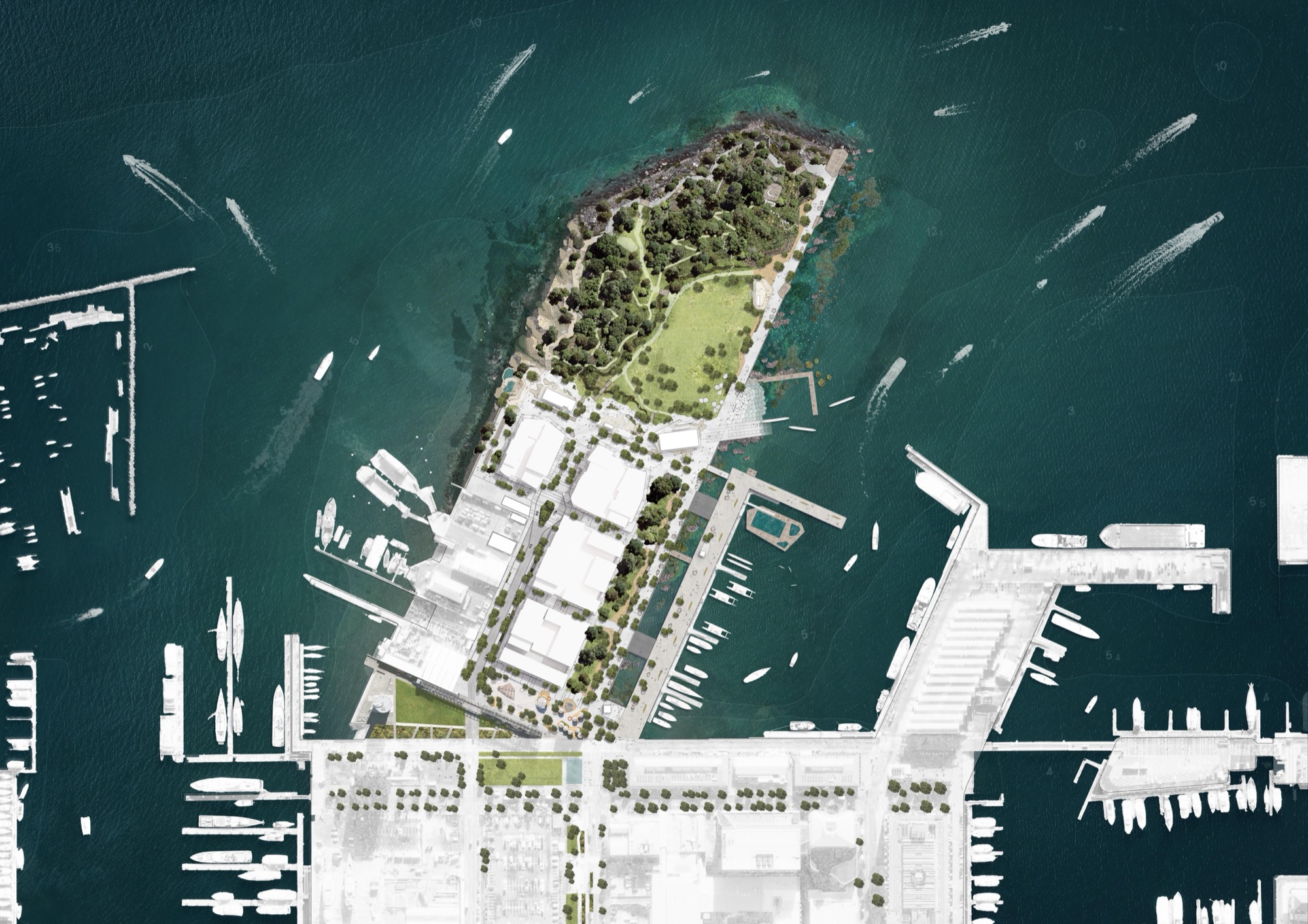
Set on the edge of Te Waitematā Harbour, Te Ara Tukutuku proposes a profound reimagining of Auckland’s waterfront. Developed by LandLAB in collaboration with SCAPE, the project transforms five hectares of former petro chemical land into the largest new city centre open space Auckland has seen in a century. More than a park, it is conceived as a living cultural and ecological system that reconnects land, sea, and people through indigenous leadership and regenerative design.

At the heart of Te Ara Tukutuku lies a waka metaphor, binding whenua, moana, and tāngata into a continuous spatial narrative. The design establishes a symbolic and physical connection between Tangaroa, the ocean, Tāwhirimātea, the wind and atmosphere, and Papatūānuku, Mother Earth. Rather than imposing a finished form, the landscape is envisioned as something that will emerge over time, shaped by Mana Whenua led initiatives that weave together mātauranga Māori, contemporary science, infrastructure, and place making.

This temporal approach challenges conventional notions of public space. Te Ara Tukutuku is not designed as a static civic amenity, but as an evolving environment where cultural practice, ecological restoration, and daily urban life intersect.

The project reimagines the original coastal terrain, sculpting a new headland inspired by the natural forms of bays and promontories. A carefully shaped topography creates diverse spatial conditions, from elevated outlooks to sheltered inlets, while restoring a resilient coastal edge. Native ngahere, marine restoration zones, and water sensitive systems re establish ecological processes that were once suppressed by industrial use.


Within this landscape, spaces for learning and gathering are embedded rather than isolated. Outdoor classrooms, whare waka, and community infrastructure for traditional canoe storage and launching connect cultural continuity with everyday public use. Moments for pause and reflection are woven throughout, reinforcing the idea of the site as a place of collective wellbeing rather than spectacle.


Regeneration is not treated as a technical add on, but as the guiding framework of the project. LandLAB’s mahi is grounded in a holistic understanding of health across interconnected systems. Whenua, moana, wai, and tāngata are approached as inseparable, each dependent on the vitality of the others. The concept of mauri tū, mauri ora articulates this shared state of wellbeing, where ecological repair and social resilience unfold together.

Through education based activations and hands on ecological care, the site becomes a living classroom, demonstrating how urban landscapes can actively heal rather than merely mitigate damage.


Te Ara Tukutuku signals a shift in how cities might conceive public space in the twenty first century. By placing indigenous knowledge at the centre of the design process, the project moves beyond representation toward genuine leadership and authorship. The result is a landscape that resonates with meaning, belonging, and long term stewardship.


As Auckland, New Zealand looks toward a future shaped by climate adaptation and cultural reconciliation, Te Ara Tukutuku stands as a compelling international reference. It shows how regenerative landscape architecture can operate simultaneously as infrastructure, ecology, and cultural expression, redefining the role of the waterfront as a shared ground for healing and connection.
Project Credit
Project name: Te Ara Tukutuku
Location: Tāmaki Makaurau, Auckland – Aotearoa, New Zealand
Designer Credit: LandLAB / @landlab_ + SCAPE / @scapeau
Photo: LandLAB