Now Reading: Jaro Gielens and the tender afterlife of post war domestic design
- 01
Jaro Gielens and the tender afterlife of post war domestic design


THE GENTLE DRIP OF MEMORY
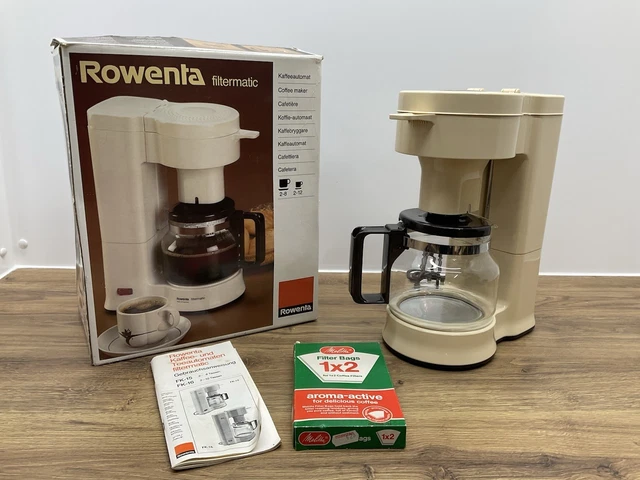
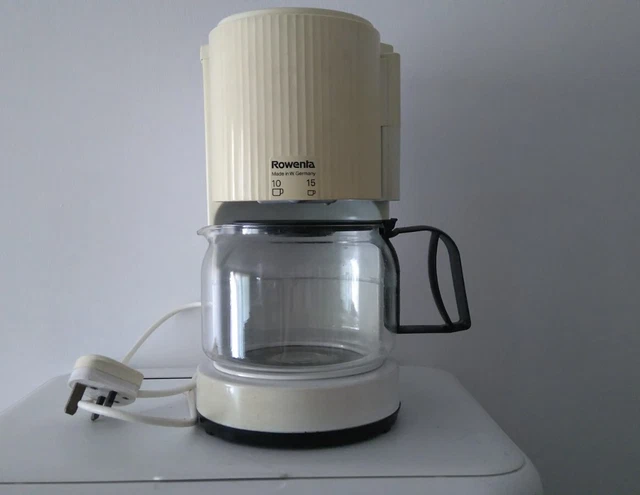
A quiet kitchen in West Germany around 1980. Morning light settles on a laminate countertop. A drip coffee maker waits in stillness before the day begins. The Rowenta Filtermatic FK 11 does not present itself as a symbol of authority or technical prowess. Its body is rounded and legible. A translucent water reservoir marked with measured lines explains its function at a glance. A glass carafe rests within a moulded plastic cradle. One switch, clearly visible, asks for a single decision.
In an era when good design was often equated with discipline and restraint, this machine offered a different proposition. Technology here did not command. It accompanied. The FK 11 belonged to a moment when domestic appliances learned to soften their presence, not to obscure function but to humanise it.


Four decades later, this sensibility has found an unexpected guardian in Eindhoven. Dutch designer and collector Jaro Gielens has assembled one of the most extensive private collections of vintage small household appliances from the 1960s to the 1990s. By 2022, the collection numbered more than 1,300 objects, stored and catalogued with remarkable precision, many preserved in their original packaging. What began as a private fascination has grown into a systematic archive that reframes everyday technology as cultural evidence rather than disposable utility.

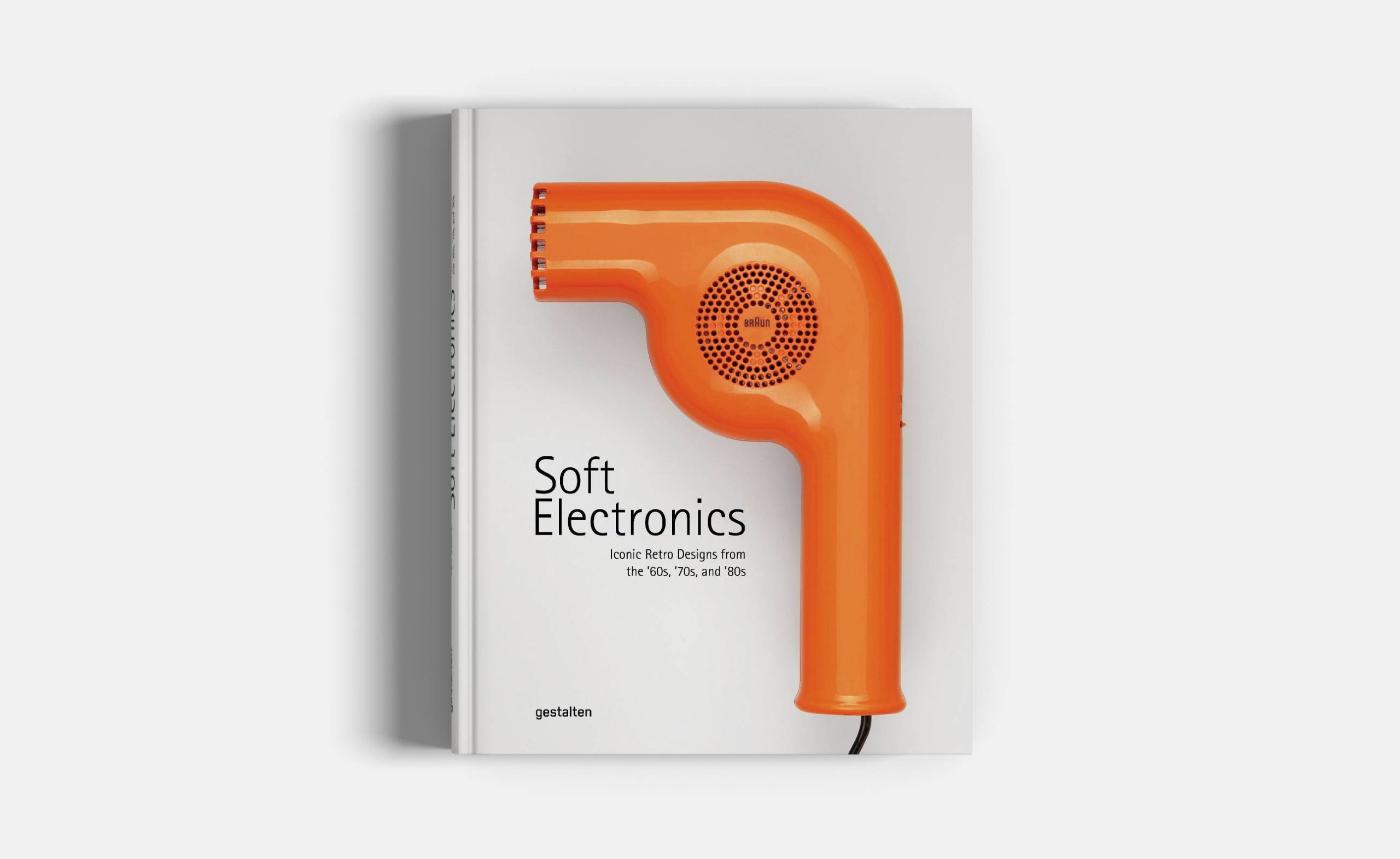
Gielens is also the co editor of Soft Electronics, published in 2022, a 256 page survey that traces a generation of domestic devices defined by curvature, colour and tactile clarity. The book is not a catalogue of nostalgia. It is an argument. Against sealed black boxes and short product cycles, Gielens proposes an alternative lineage in which appliances were designed to be understood, trusted and kept.
Through the lens of the Filtermatic FK 11, this essay examines that lineage. It traces the emergence of softness in post war domestic design, the philosophy that underpins Gielens’ archive, and the relevance of these objects in a present defined by planned obsolescence and digital opacity.
THE POST BAUHAUS THAW
To understand the appeal of soft electronics, it is necessary to recall the design climate that preceded them. Post war European industrial design inherited the legacy of modernism, with its emphasis on rationality, clarity and formal restraint. In many domestic products, this translated into hard edges, monochrome palettes and a visual language closer to the factory than the home.
By the late 1960s and throughout the 1970s, this language began to shift. Economic recovery, changing household structures and the rapid spread of consumer appliances altered expectations. Technology was no longer novel. It was constant. Designers were asked to make machines that could live comfortably alongside daily routines, not dominate them.
Softness emerged as a response to this condition. Rounded forms reduced visual aggression. Warm colours aligned appliances with furniture and interiors. Controls became fewer and more explicit. Function remained central, but it was communicated through reassurance rather than severity.
The FK 11 belongs squarely to this moment. Its form does not reject industrial logic. Instead, it translates engineering into a domestic idiom. Process is made visible. Interaction is simplified. The machine explains itself through its shape.
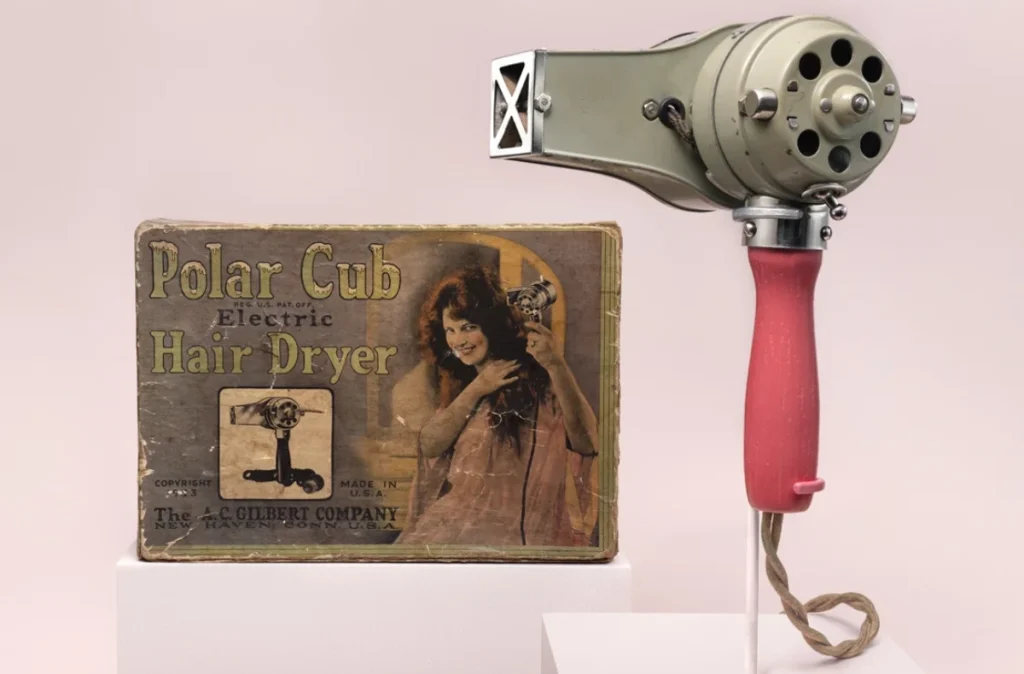
Gielens’ collection captures this shift at scale. Coffee makers form the largest group, followed by hair dryers, mixers and personal care devices. Together, they reveal a design culture that treated domestic technology as atmosphere as much as function. Appliances were not designed to impress. They were designed to settle in.
PHILOSOPHY OF TENDERNESS
Gielens uses the term soft electronics not as a stylistic label but as a cultural category. For him, softness describes a mode of engagement between people and machines. It is characterised by legibility, physical approachability and a calm emotional register that leans toward comfort rather than control.
This philosophy stands in contrast to contemporary product ecosystems that prioritise connectivity and abstraction. Many current devices conceal their workings, depend on software updates and resist repair. Their interfaces promise intelligence but often withhold understanding.

Soft electronics operate differently. Water levels are visible. Switches communicate state without screens. Components can be opened, cleaned and replaced. These qualities do not belong to nostalgia alone. They belong to a different design ethic, one that values trust and continuity.

Gielens’ background in digital design sharpens this critique. After decades working with interfaces optimised for attention and conversion, his archive reads as a counter archive. It documents objects designed for endurance rather than acceleration.
Tenderness here is not sentimentality. It is discipline applied toward clarity and care. The survival of many of these objects is not accidental. They were built to last, and they were easy to live with. In design terms, they earned attachment.
LEXICON OF CURVES AND COLOUR
Soft electronics speak a consistent visual language. Curves replace corners. Surfaces are matte or softly reflective. Colours lean toward beige, brown, orange and muted pastels that harmonise with domestic interiors rather than standing apart from them.
These choices were not arbitrary. Plastics made it possible to mould expressive forms at accessible price points. Colour allowed appliances to participate in the emotional tone of the home. Texture and curvature guided the hand intuitively, reducing the cognitive effort required to operate a device.
In the FK 11, this lexicon is evident in every detail. The reservoir invites reading rather than guessing. The handle anticipates grip. The base anchors the object without drawing attention. The coffee maker does not perform intelligence. It performs reliability.

At the same time, this language reflects the social assumptions of its era. Many products were explicitly gendered through colour and form. While these codes now appear limiting, they are part of the historical record that soft electronics reveal. Design here becomes a mirror of domestic roles as much as a tool for efficiency.
What distinguishes this lexicon from contemporary minimalism is not complexity but presence. These objects do not disappear. They coexist. Their materiality acknowledges the body, the hand and the ritual of use.

THE ARCHIVE AS PRACTICE
Gielens’ work occupies a space between collecting, research and design criticism. His archive is not organised for spectacle but for understanding. Objects are documented alongside packaging, manuals and branding, allowing each appliance to be read as a complete cultural artefact.

The book Soft Electronics extends this approach into print. Rather than isolating icons, it assembles a field. The reader moves across brands, decades and categories, tracing how softness evolved as a shared response to domestic modernity.
This method resists the heroic narrative of design history. Instead of singular masterpieces, it foregrounds ordinary tools. Coffee makers, hair dryers and mixers become evidence of how design ideas enter everyday life.

In doing so, Gielens positions the archive as an active practice. Preservation becomes a form of critique. By keeping these objects visible, he questions what has been normalised in contemporary product culture, from sealed enclosures to rapid replacement cycles.
SOFTNESS AND RESTRAINT
A useful counterpoint to soft electronics appears in the early 2000s return to restrained minimalism. In 2004, Jasper Morrison designed a set of home appliances for Rowenta that exemplified understatement and formal neutrality. Curves remained, but they were subdued. Colour receded. The goal was quiet integration.
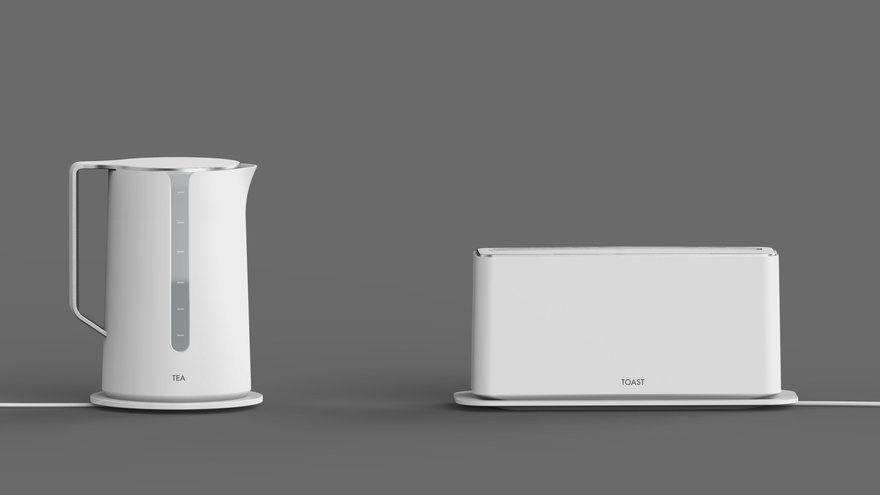
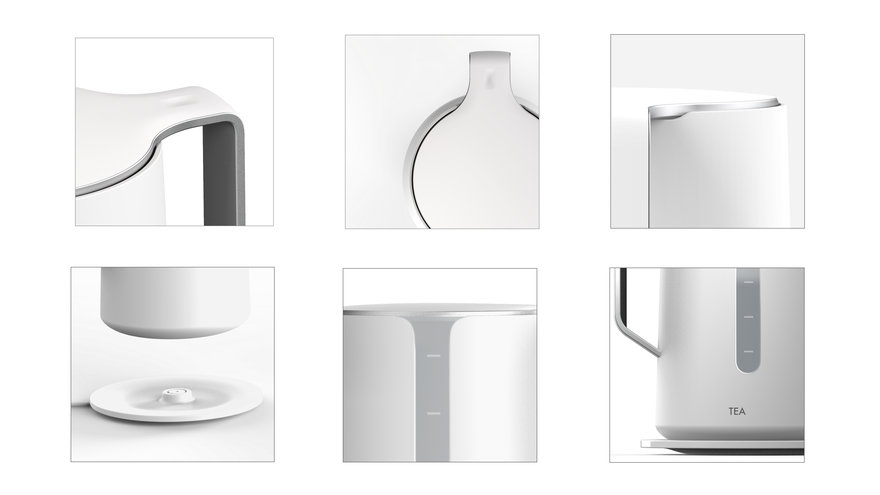
This approach is not opposed to softness, but it interprets it differently. Where soft electronics sought companionship, restrained minimalism sought disappearance. One makes presence gentle. The other makes presence discreet.
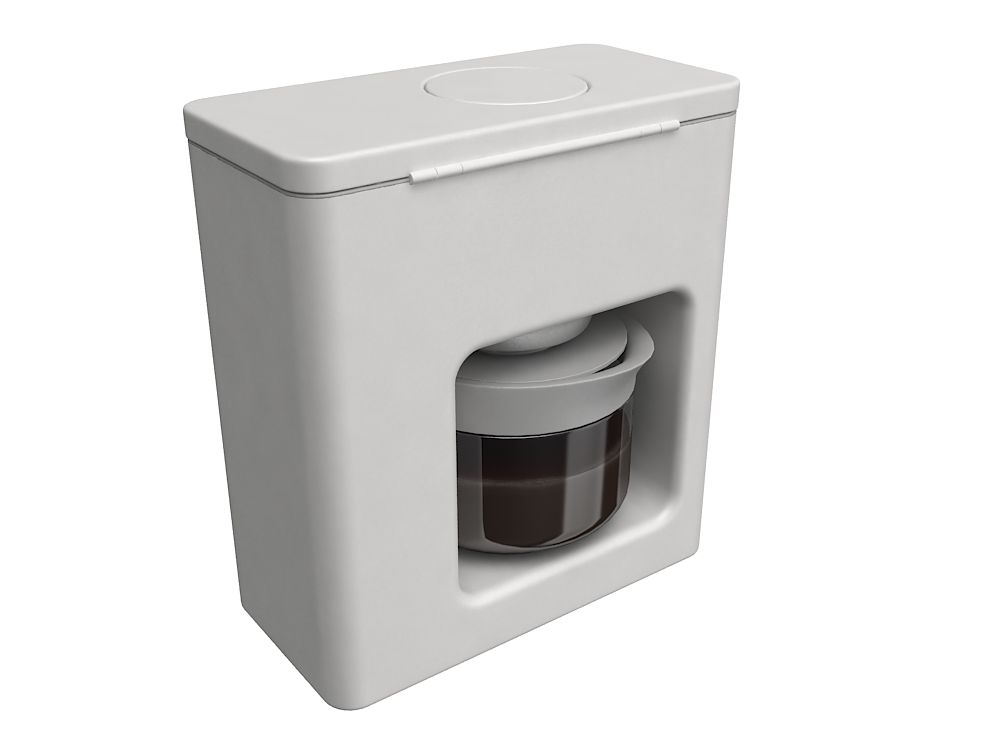
The comparison clarifies what is at stake in Gielens’ archive. Soft electronics are not simply less minimal. They are more relational. They accept that domestic objects are encountered daily and that their forms shape mood as well as function.
BREWING TOMORROW’S MEMORY
The Rowenta Filtermatic FK 11 begins as a coffee maker and ends as a proposition. Its rounded body and transparent logic suggest a relationship with technology grounded in comprehension and trust. Through Jaro Gielens’ archive, this proposition expands into a broader design history, one in which domestic machines learned to soften their presence and, in doing so, found ways to endure.
The relevance of soft electronics today lies not in revival but in reminder. These objects show that longevity is not achieved through intelligence alone. It is achieved through clarity, repairability and a calm emotional register that invites care.
As contemporary design confronts the consequences of disposability, Gielens’ work offers a quiet but persistent question. What would it mean to design objects that people choose to keep, not because they are smart, but because they feel right to live with.
Photo Cover
Soft Electronics book cover featuring iconic Braun orange hair dryer, surveying retro soft designs. Credit: Wallpaper* / gestalten.