
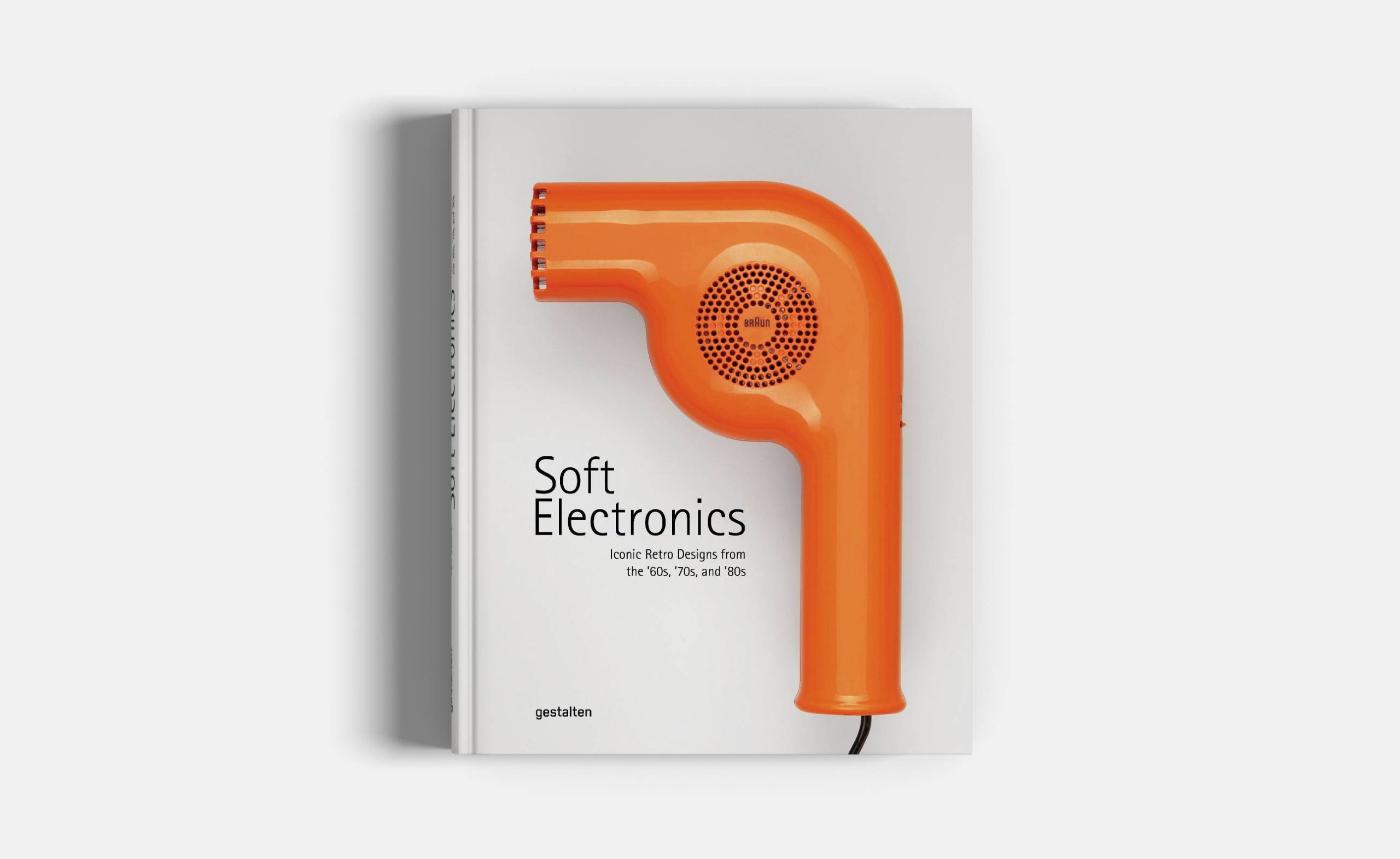
Soft electronics describe a post war design language that made household technology approachable through rounded forms, warm colours and readable interfaces. Using the Rowenta Filtermatic FK 11 as a point of entry, this essay examines how Dutch designer and collector Jaro Gielens has reframed everyday appliances as cultural evidence rather than disposable tools. It maps the historical shift away from hard modernist severity, outlines a philosophy of tenderness grounded in clarity and repairability, and considers why the soft turn matters now, in an age defined by sealed devices, planned obsolescence and digital opacity. The archive becomes a method of critique, reminding us that the most durable objects are often those designed to be trusted, understood and kept.