Now Reading: Of their bones are coral made brings SUPERFLEX and Marco Barotti to Ocean Space in 2027
- 01
Of their bones are coral made brings SUPERFLEX and Marco Barotti to Ocean Space in 2027

Of their bones are coral made brings SUPERFLEX and Marco Barotti to Ocean Space in 2027
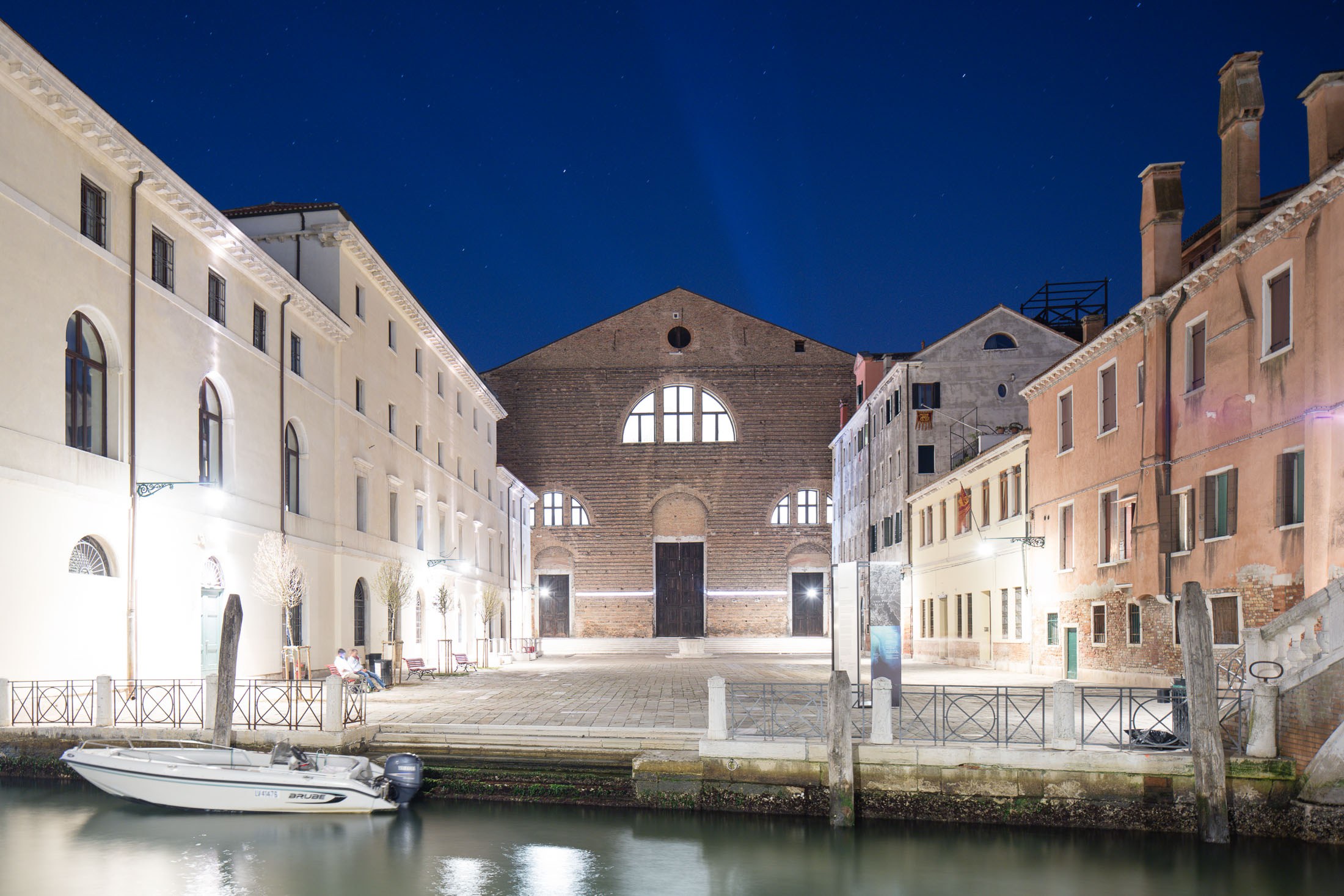
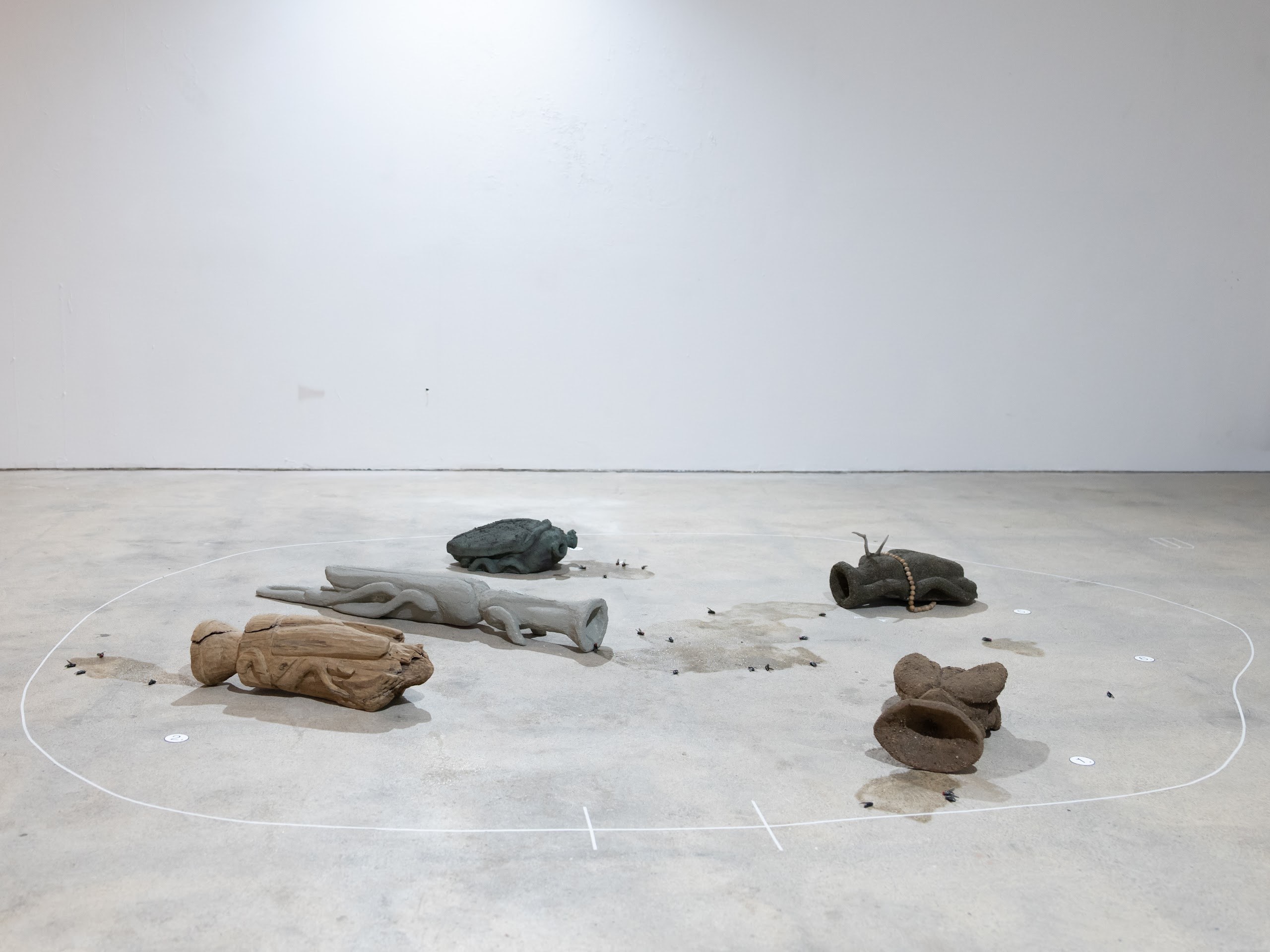
TBA21–Academy has announced its 2027 exhibition at Ocean Space in Venice. (…) Of their bones are coral made runs from 3 April to 17 October 2027 in the former Church of San Lorenzo, with two new site-specific commissions by SUPERFLEX and Marco Barotti. TBA21–Academy’s Director Eduardo Castillo-Vinuesa curates the show, and Schmidt Ocean Institute joins as production partner.
A sea-change
First of all, the two works speak not only to humans but also to reefs, fish, ice and machines. In addition, the title lightly adapts a line from Ariel’s song in Shakespeare’s The Tempest, in which a drowned body undergoes a “sea-change”. For the curators, that image holds together mourning, transformation and the chance of other forms of life emerging from what is left behind.
Moreover, Of their bones are coral made opens alongside the Venice Architecture Biennale. In the end, it asks how we might learn to design not only for ourselves, but with and for the other forms of life that share the planet.
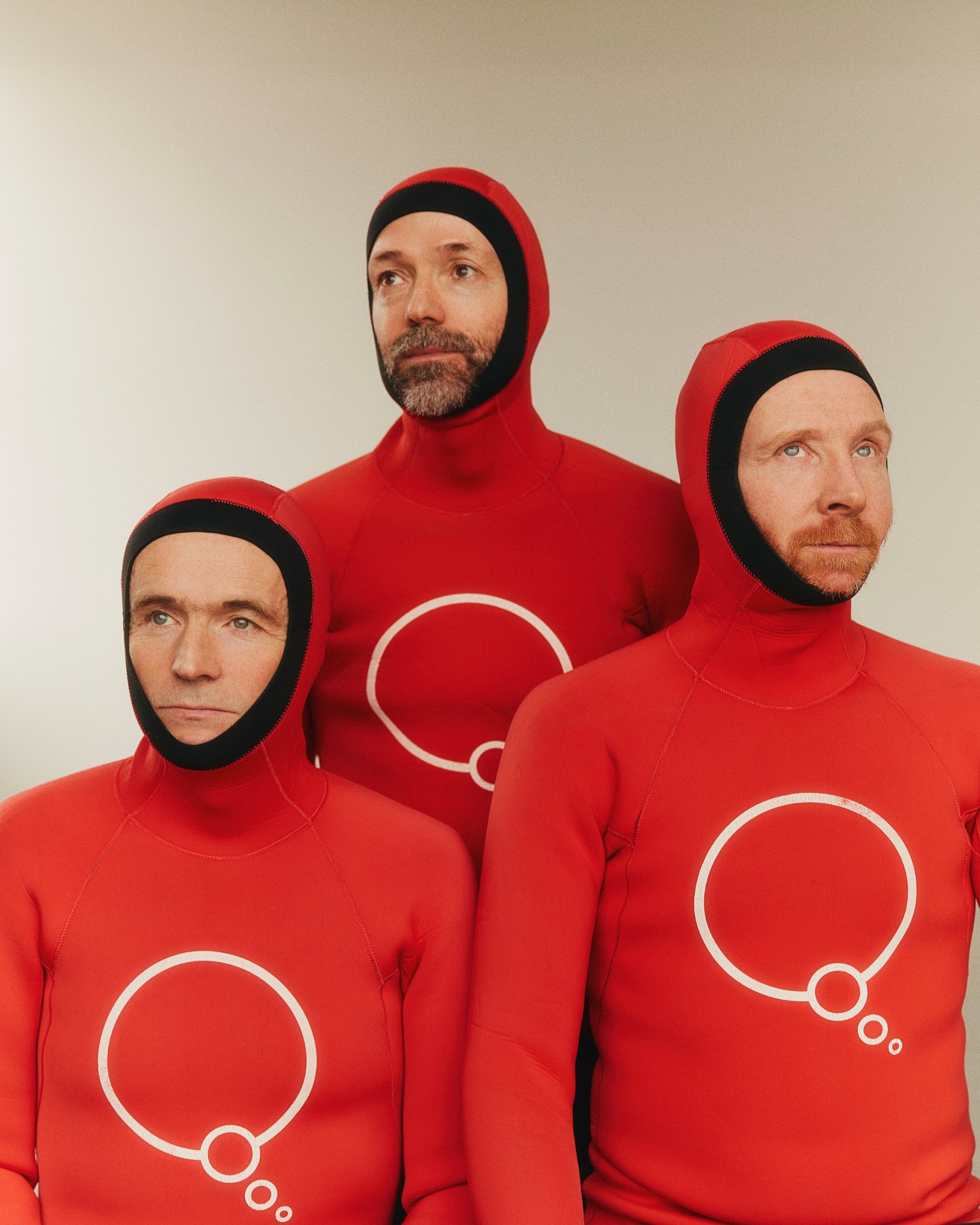

SUPERFLEX and a stage cast from ice
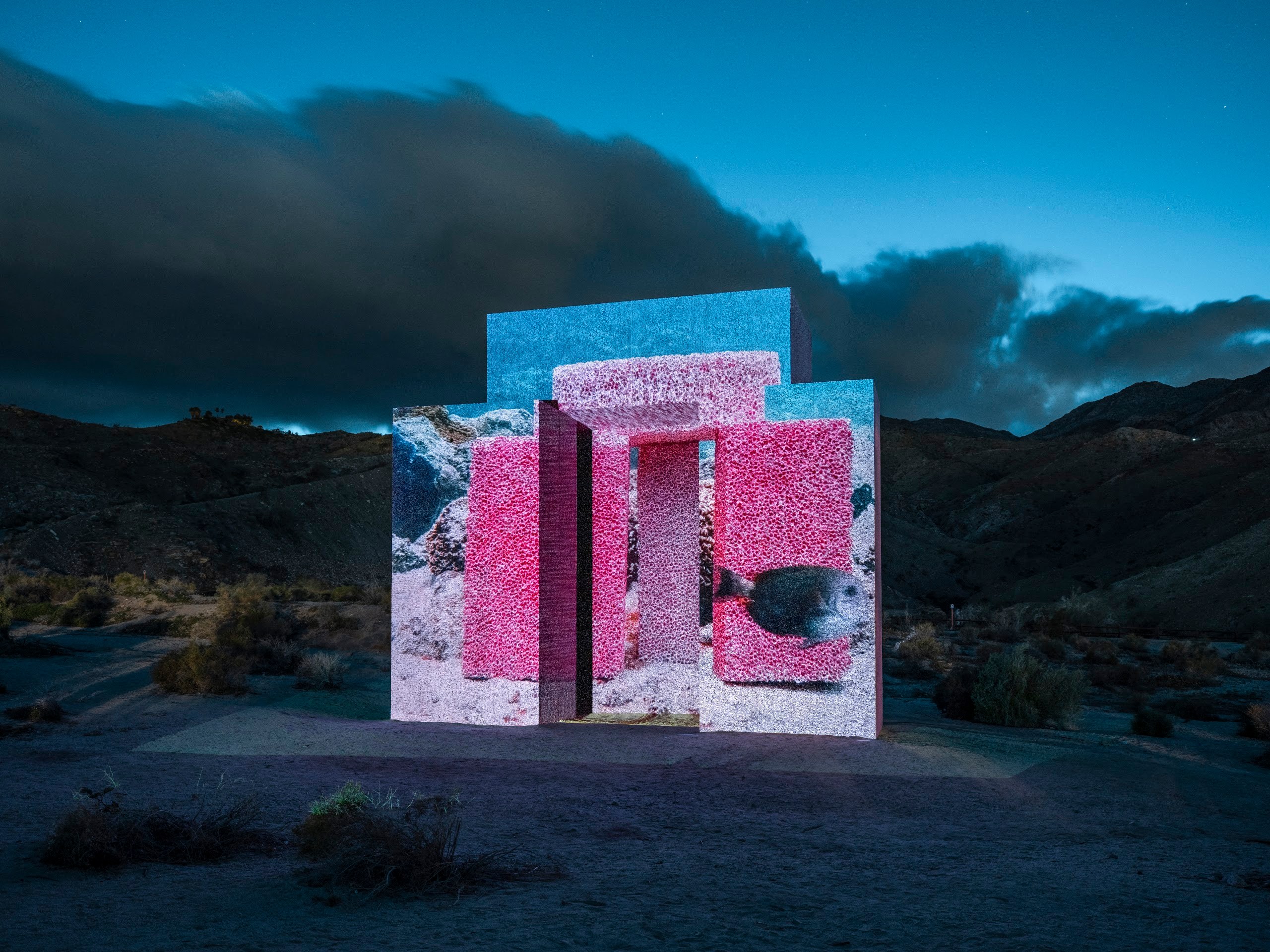
SUPERFLEX will present an architectural installation cast from ice that no longer exists. In this way, it becomes a stage where ephemeral choirs sing to the cold, reaching toward other times and toward forms of life that may continue beyond us.
Meanwhile, the work builds on a long engagement with marine biologist Alex Jordan and on exchanges with the Alligator Head Foundation in Jamaica. Drawing on behavioural ecology and architectural experiment, the piece then looks at how space shapes the social behaviour of fish. In turn, it asks how fish might inform the design of habitats for interspecies coexistence.
For the Danish collective, therefore, the show is a return. Between 2018 and 2020, SUPERFLEX served as Expedition Leaders of The Current II, TBA21–Academy’s fellowship programme, where they led the research project Deep Sea Minding.
Marco Barotti and the sound of a healthy reef
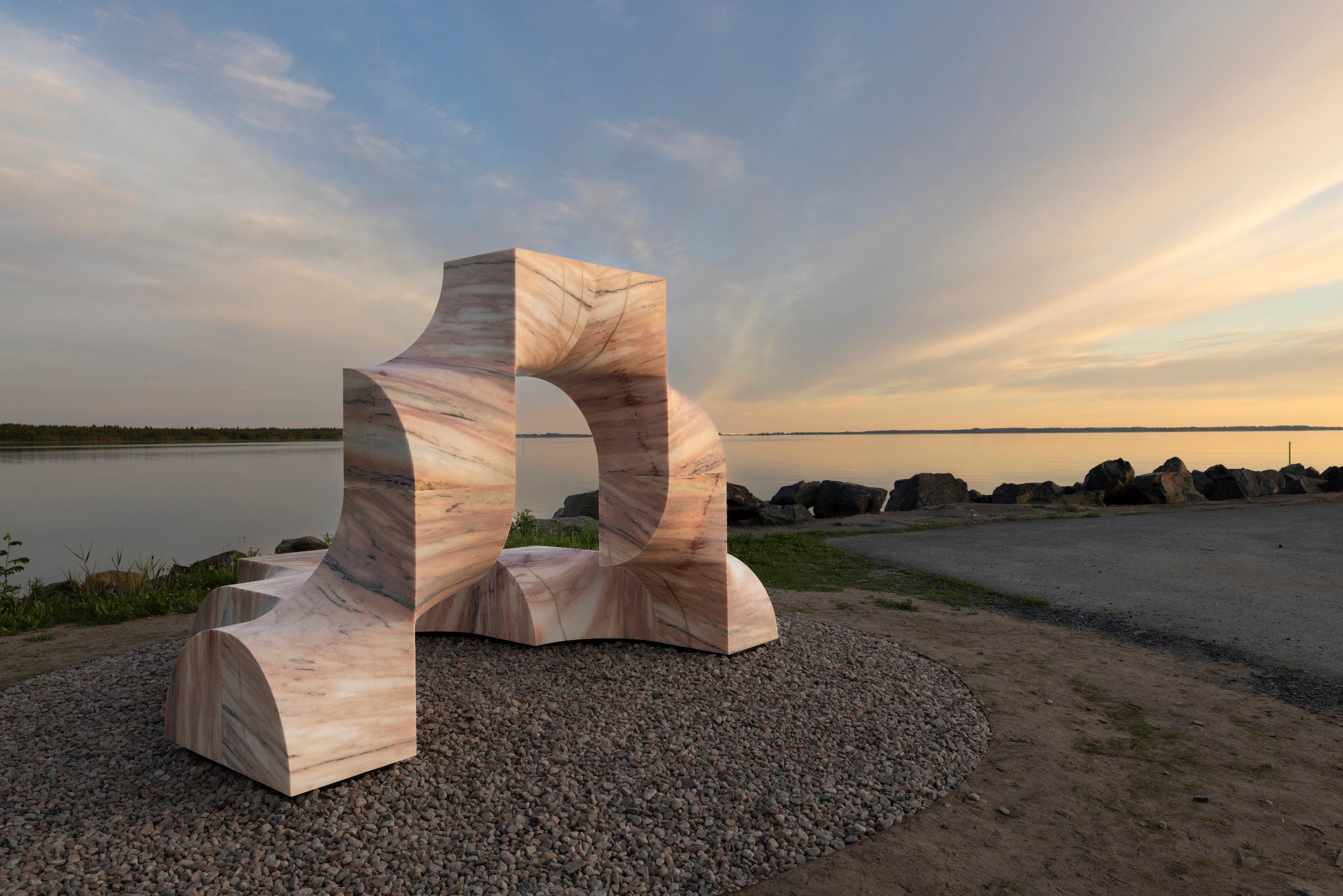
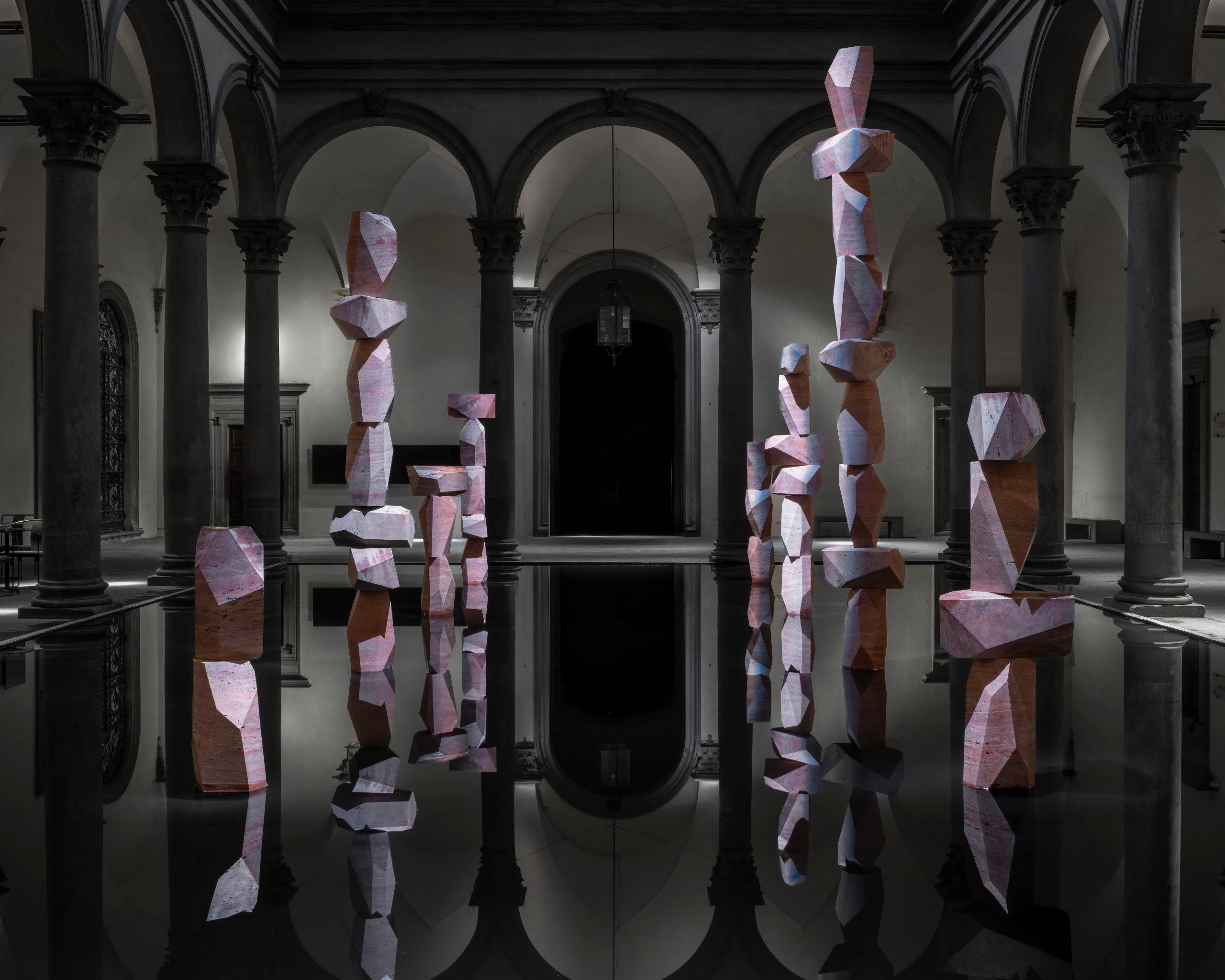
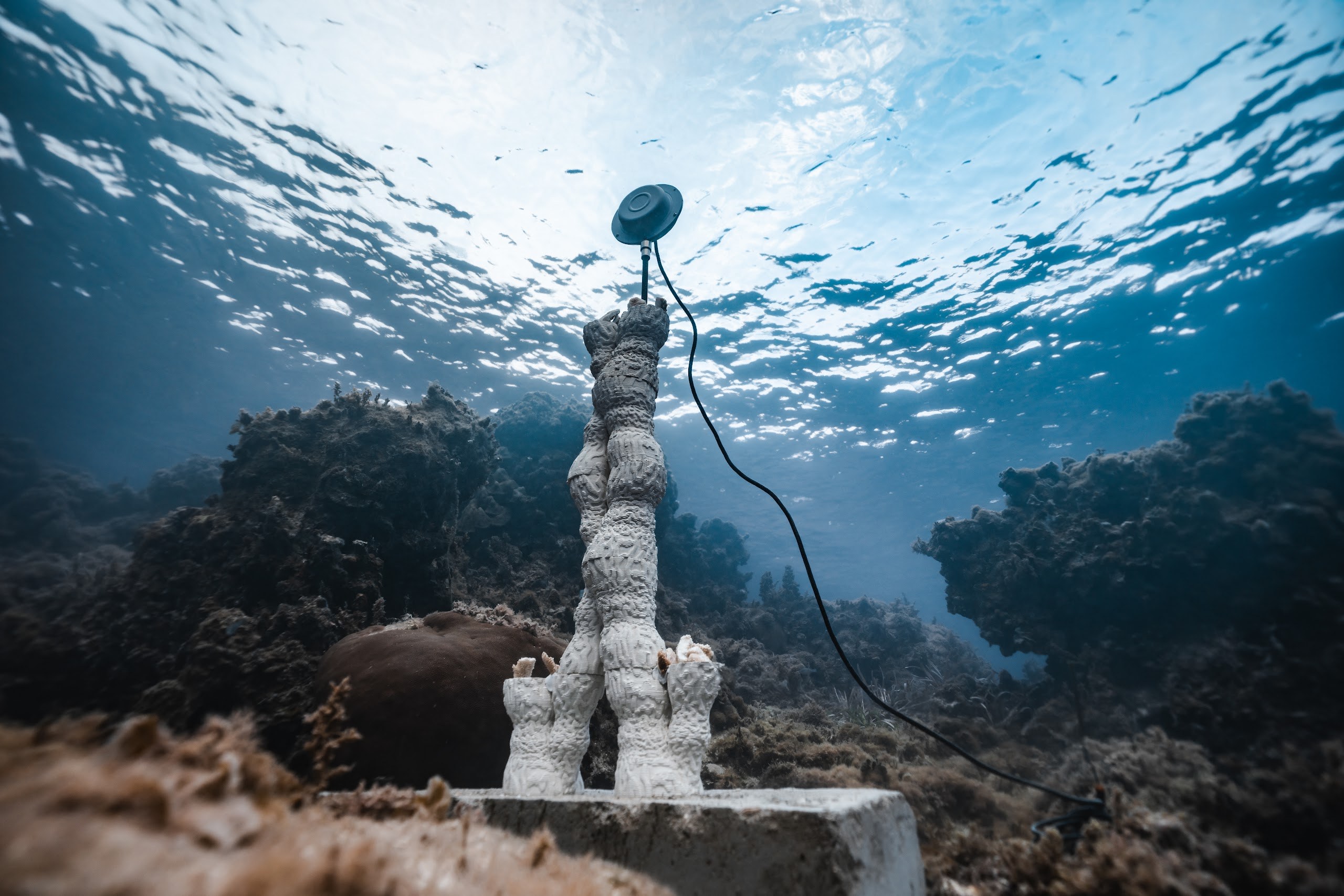
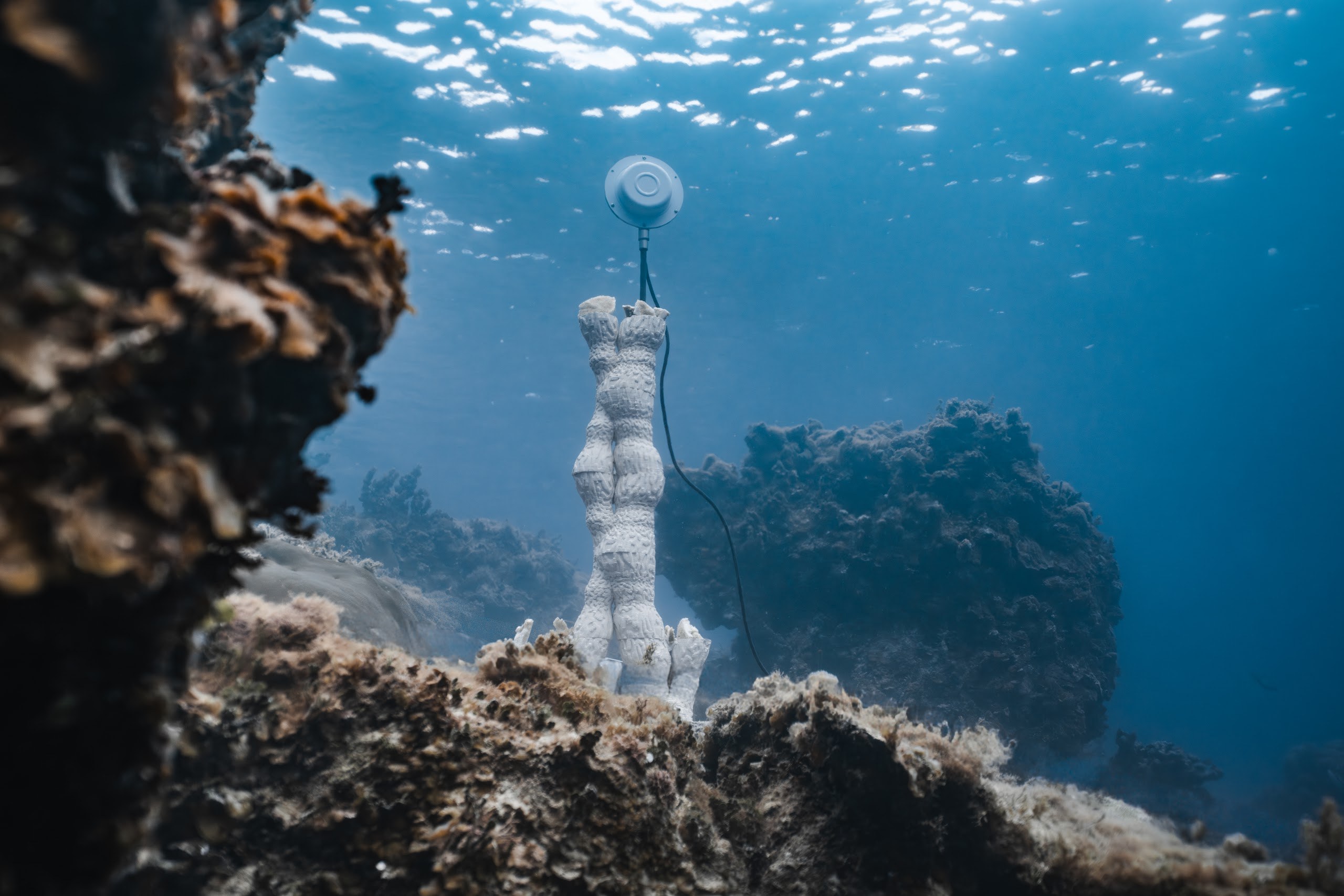
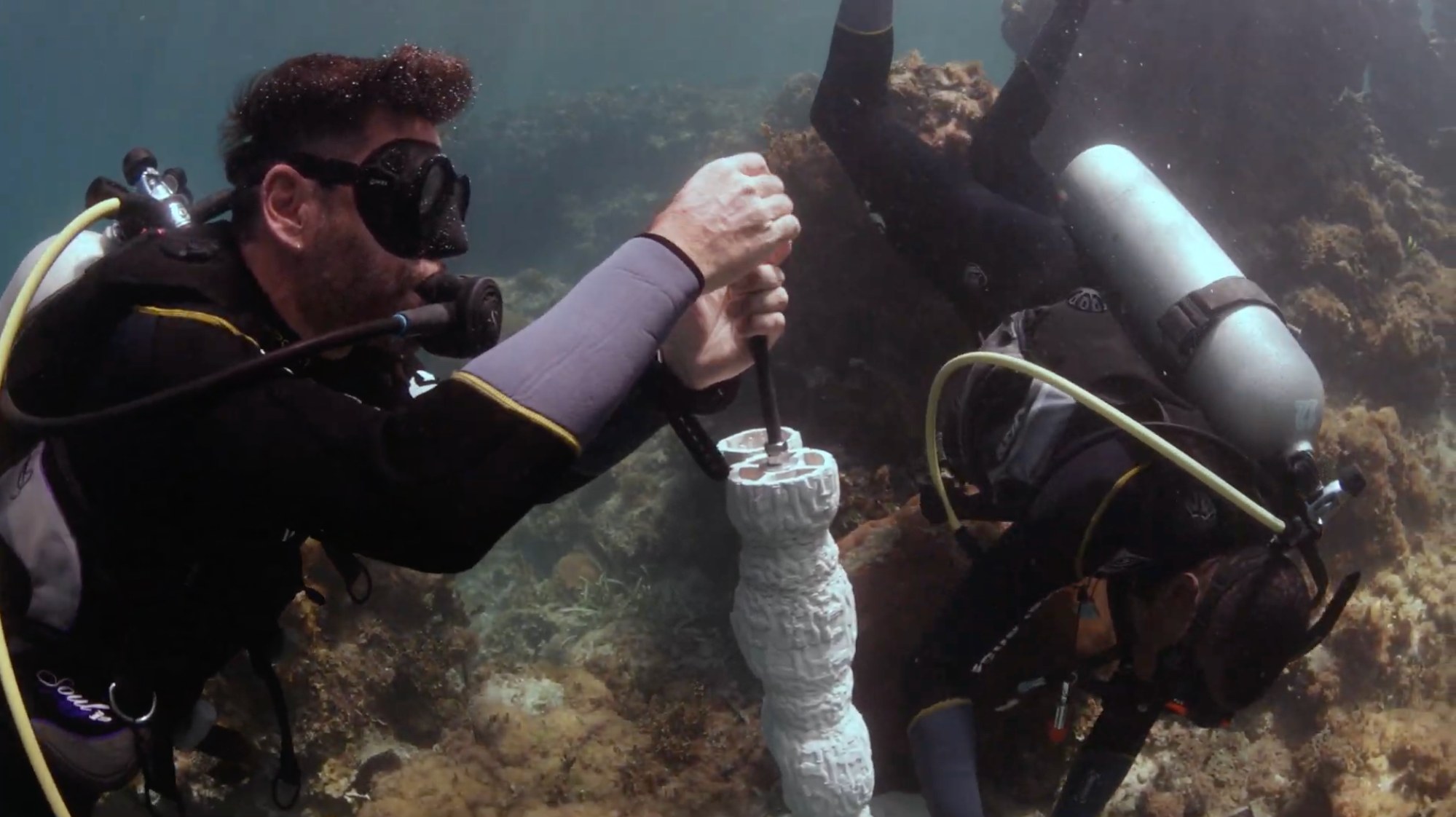
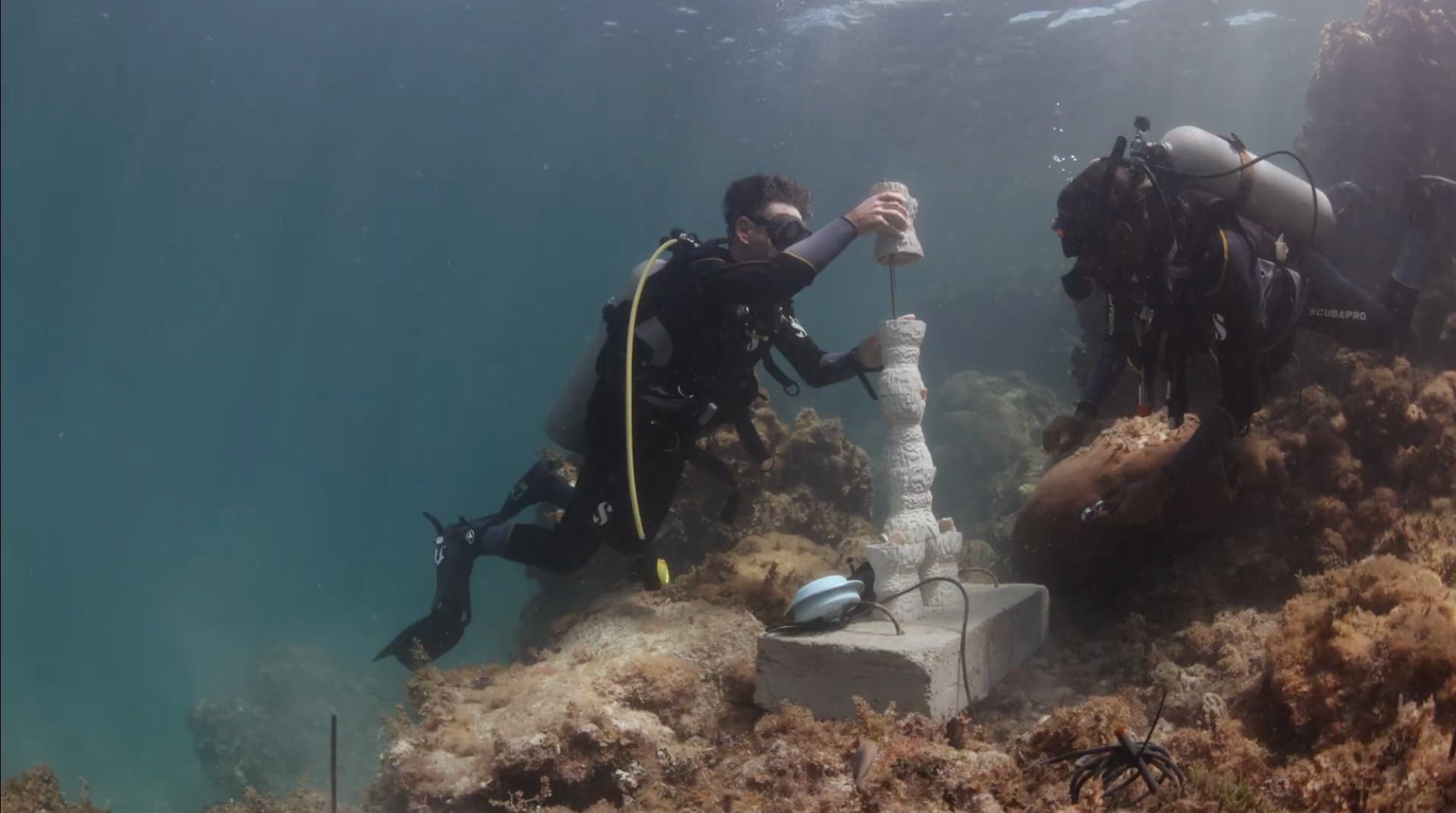
To begin with, Barotti, winner of the Italian Council 2026, is the first Italian artist to present a new commission for an exhibition at Ocean Space. Specifically, he explores sound as a tool for marine ecological restoration. Drawing on research into acoustic enrichment, for example, his underwater sound sculptures reproduce the acoustic environment of healthy coral reefs, with the aim of drawing marine life back to degraded habitats.
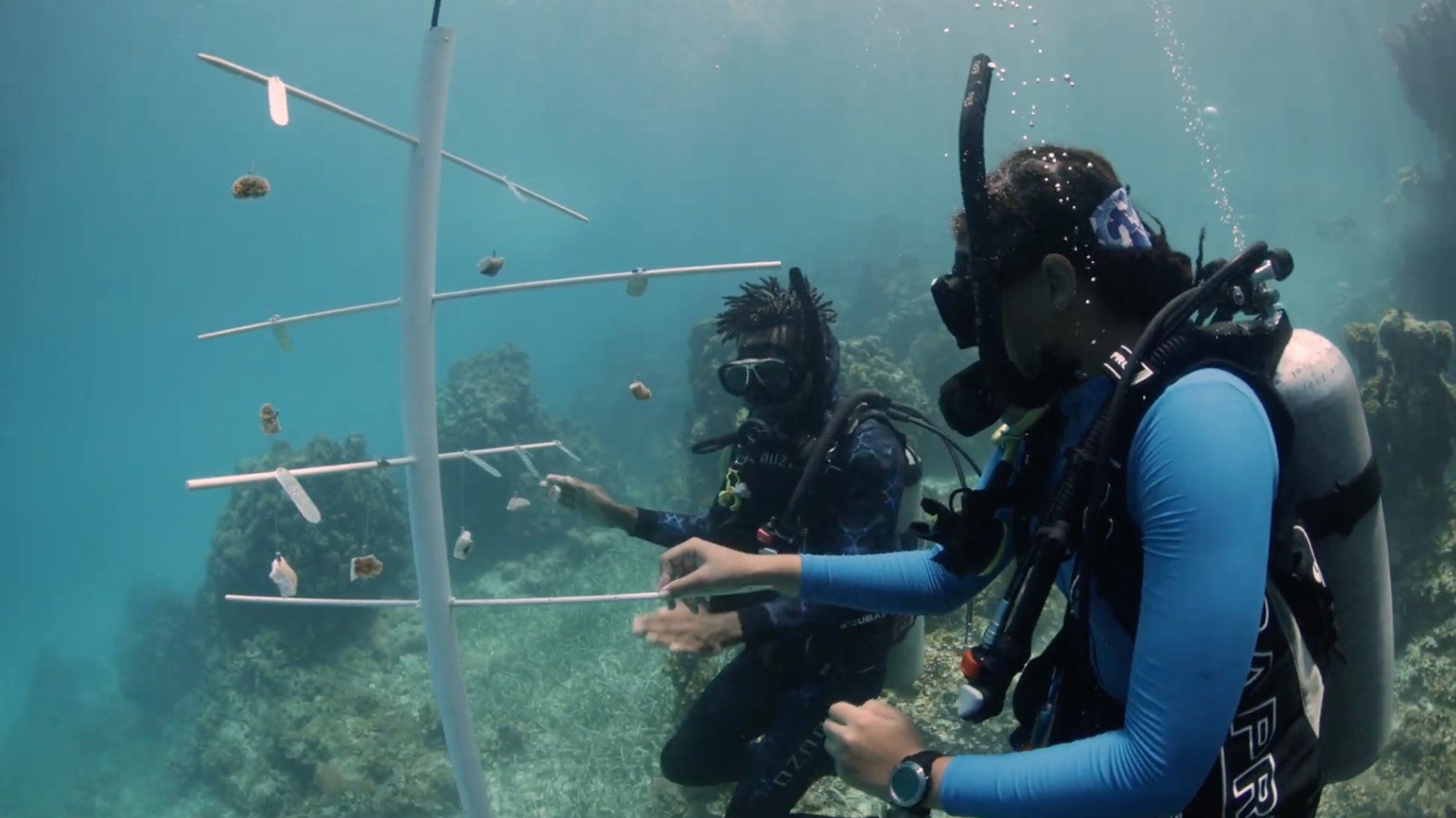
Barotti developed the project with researchers from the University of Padua and marine biologist Timothy Lamont of Lancaster University. He then tested it through reef conservation initiatives such as the Coral Restoration Project Feridhoo in the Maldives and the Alligator Head Foundation in Jamaica. More recently, an Artist-at-Sea residency aboard Schmidt Ocean Institute’s research vessel Falkor (too) carried the work into the deep-sea ecosystems of Trinidad and Tobago.
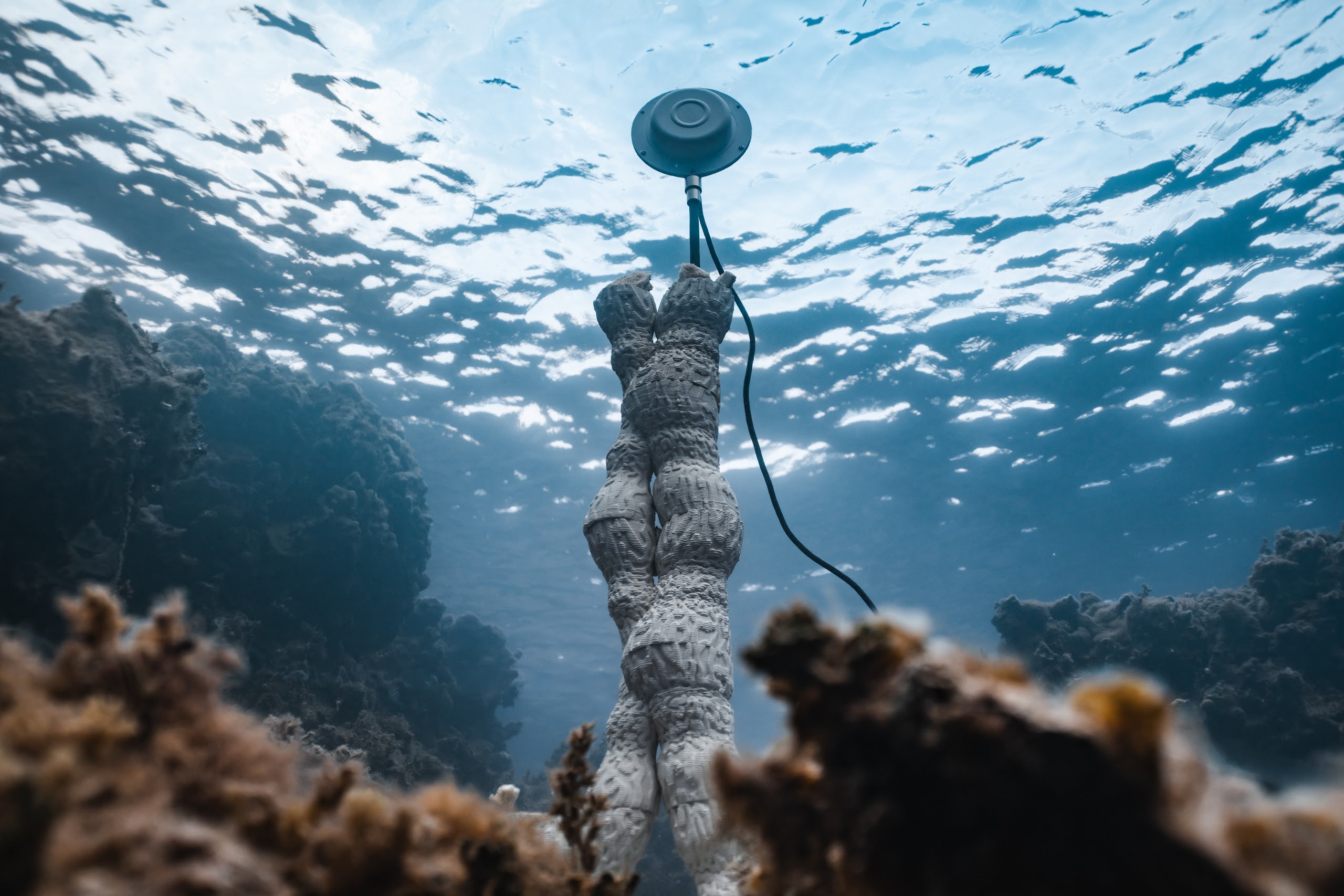
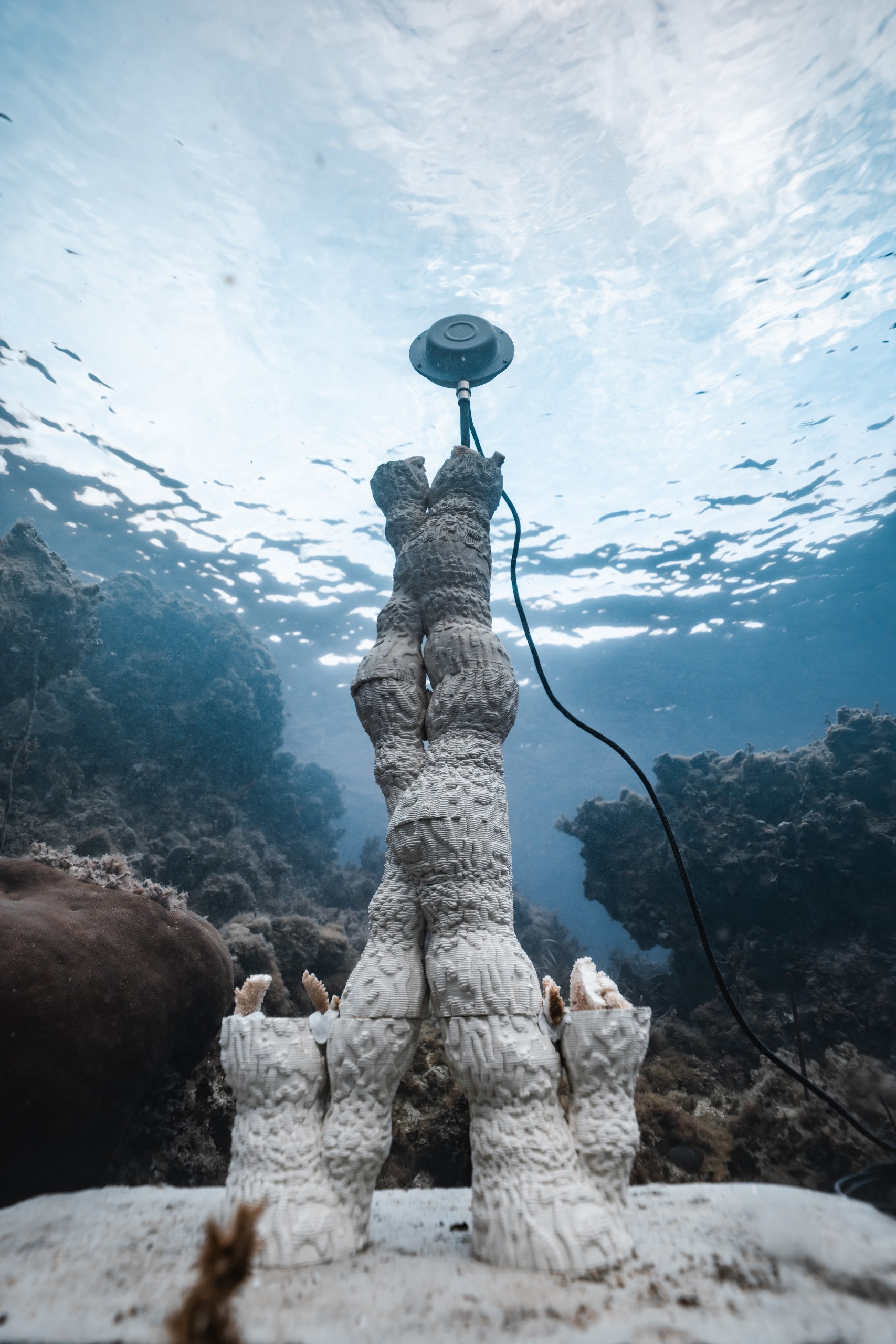
Similarly, his ongoing project Coral Sonic Resilience uses solar-powered underwater sculptures, 3D-printed from ceramic and calcium carbonate, to carry the sounds of healthy reefs into damaged areas. Finally, at Ocean Space, his sculpture asks whether listening might begin to repair what our pursuit of knowledge may have disrupted.
What Of their bones are coral made proposes for conservation
Taken together, the two commissions in Of their bones are coral made speak to TBA21–Academy’s research into new paradigms of environmental conservation. Instead of keeping natural and human environments apart, they explore how shared habitats might be sustained through new symbiotic relationships, forms of care and protocols of coexistence. At the same time, they question the line between natural and artificial, treating architectures and acoustic devices as part of the ecological relations that keep shaping an environment.
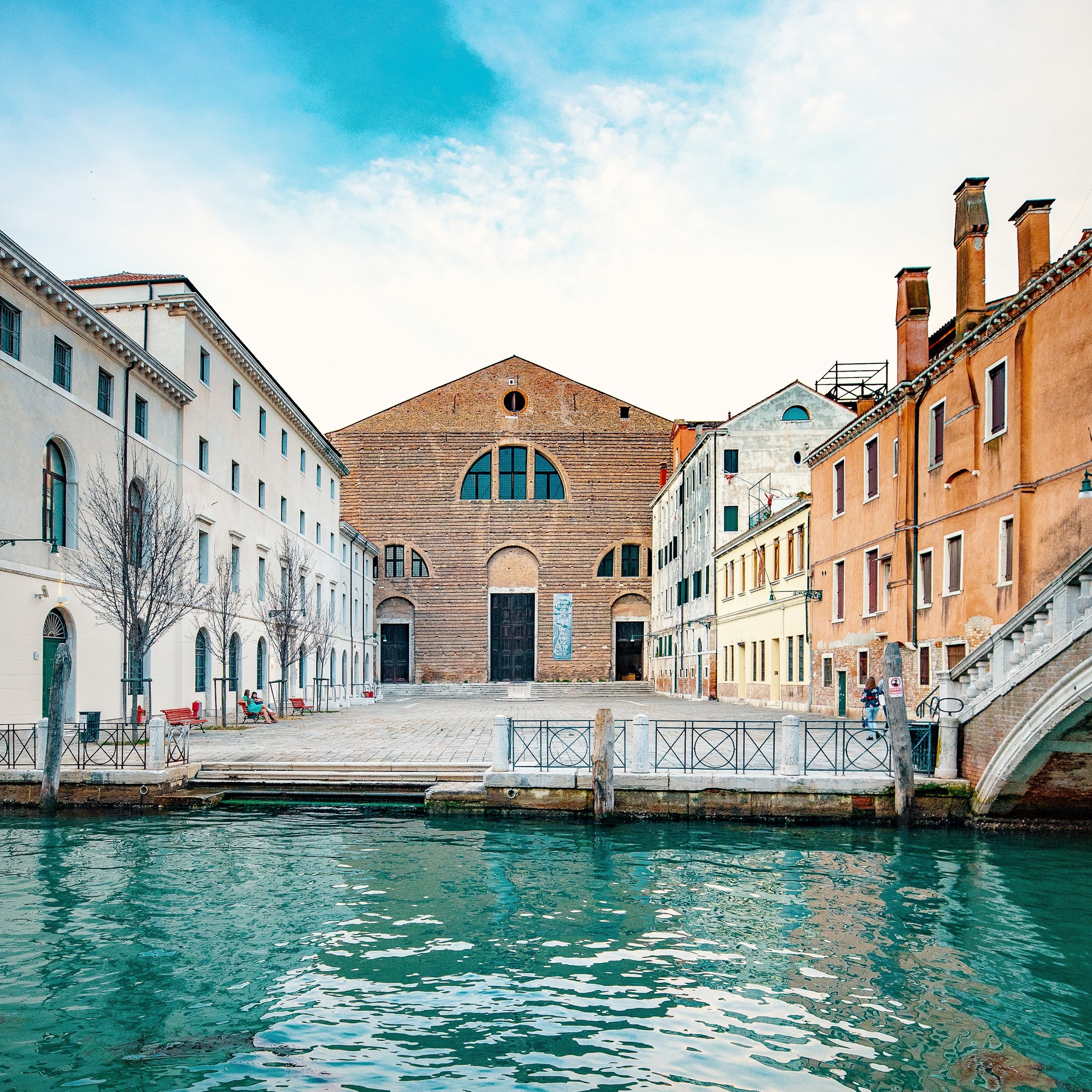
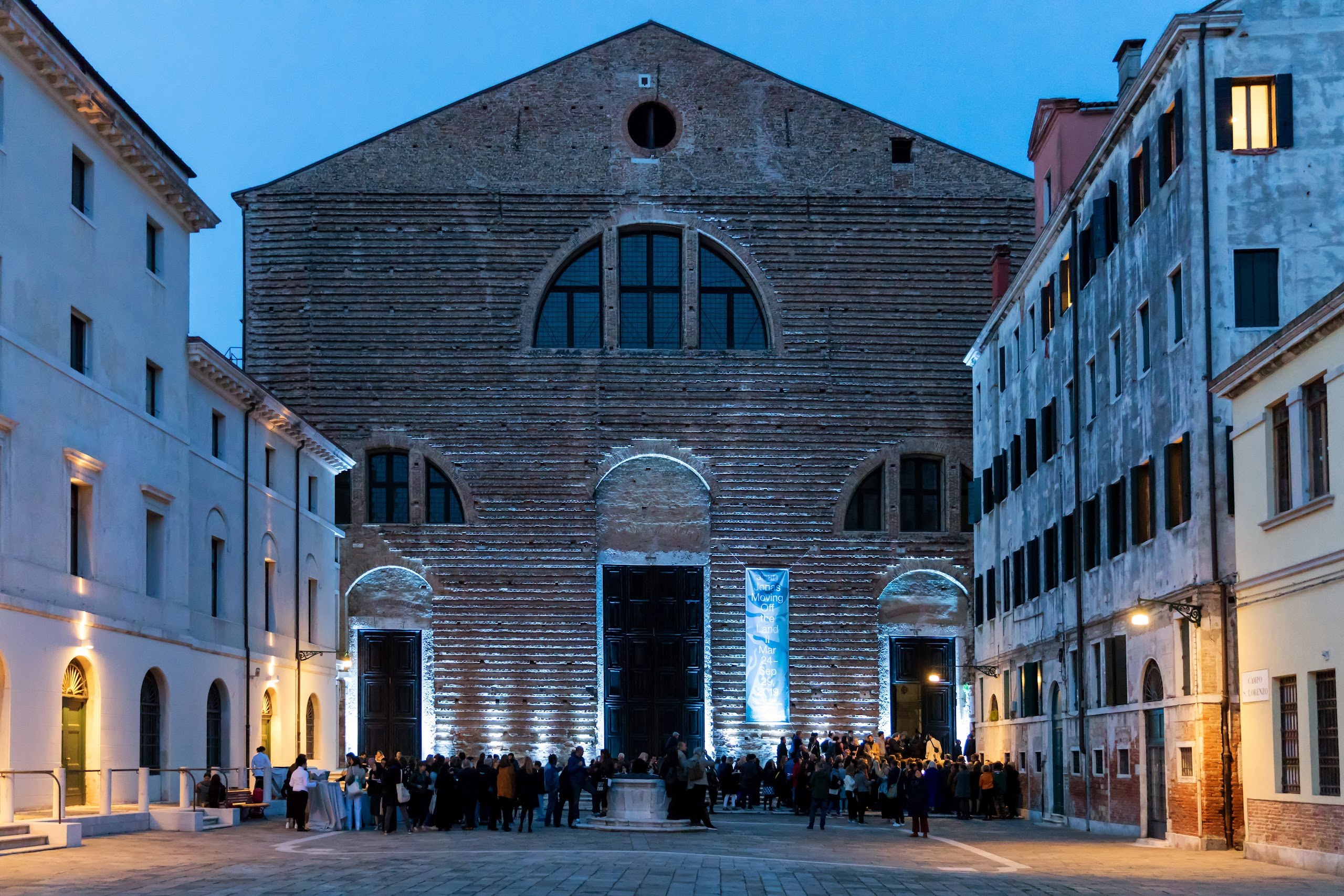
Ocean Space in the Church of San Lorenzo
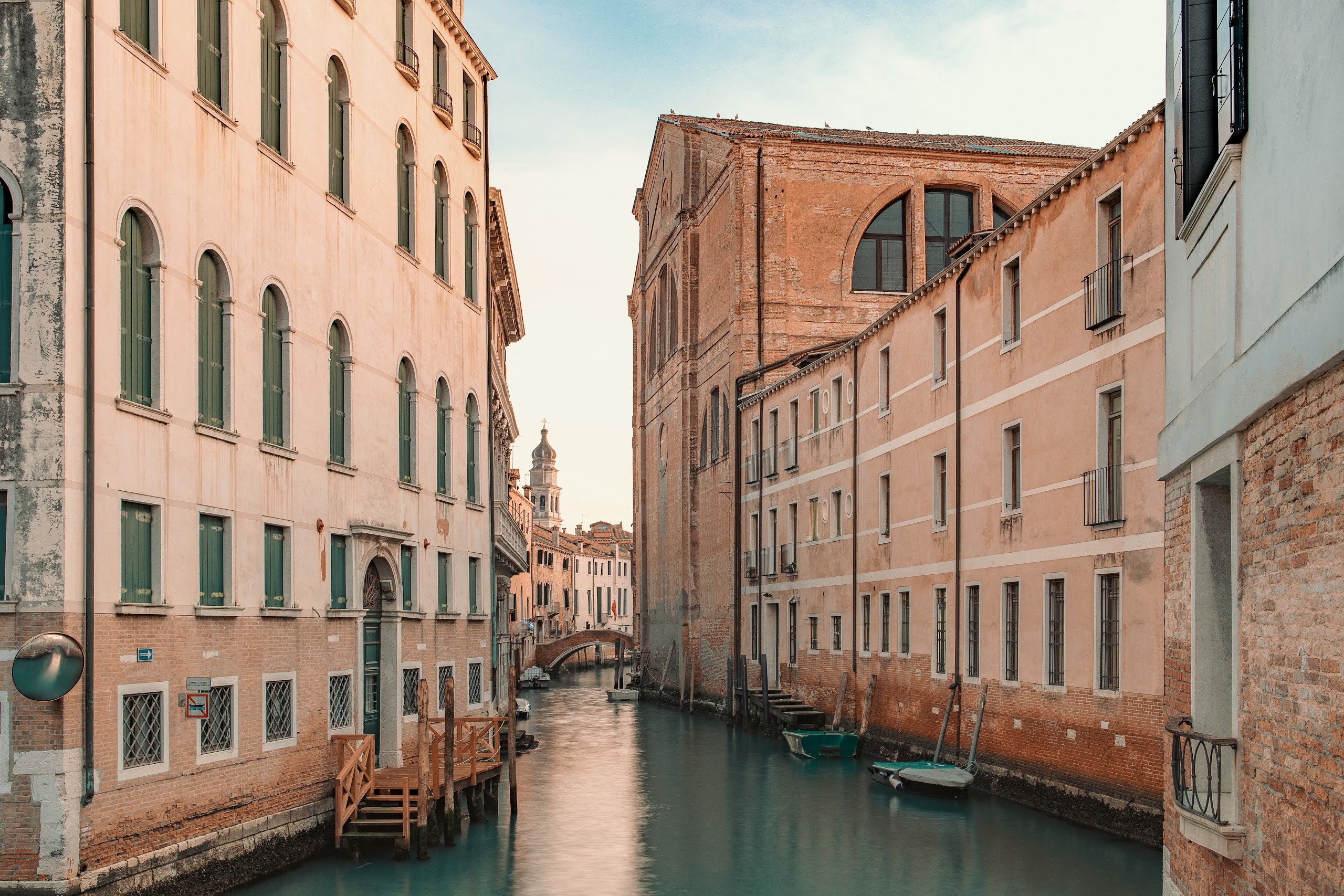
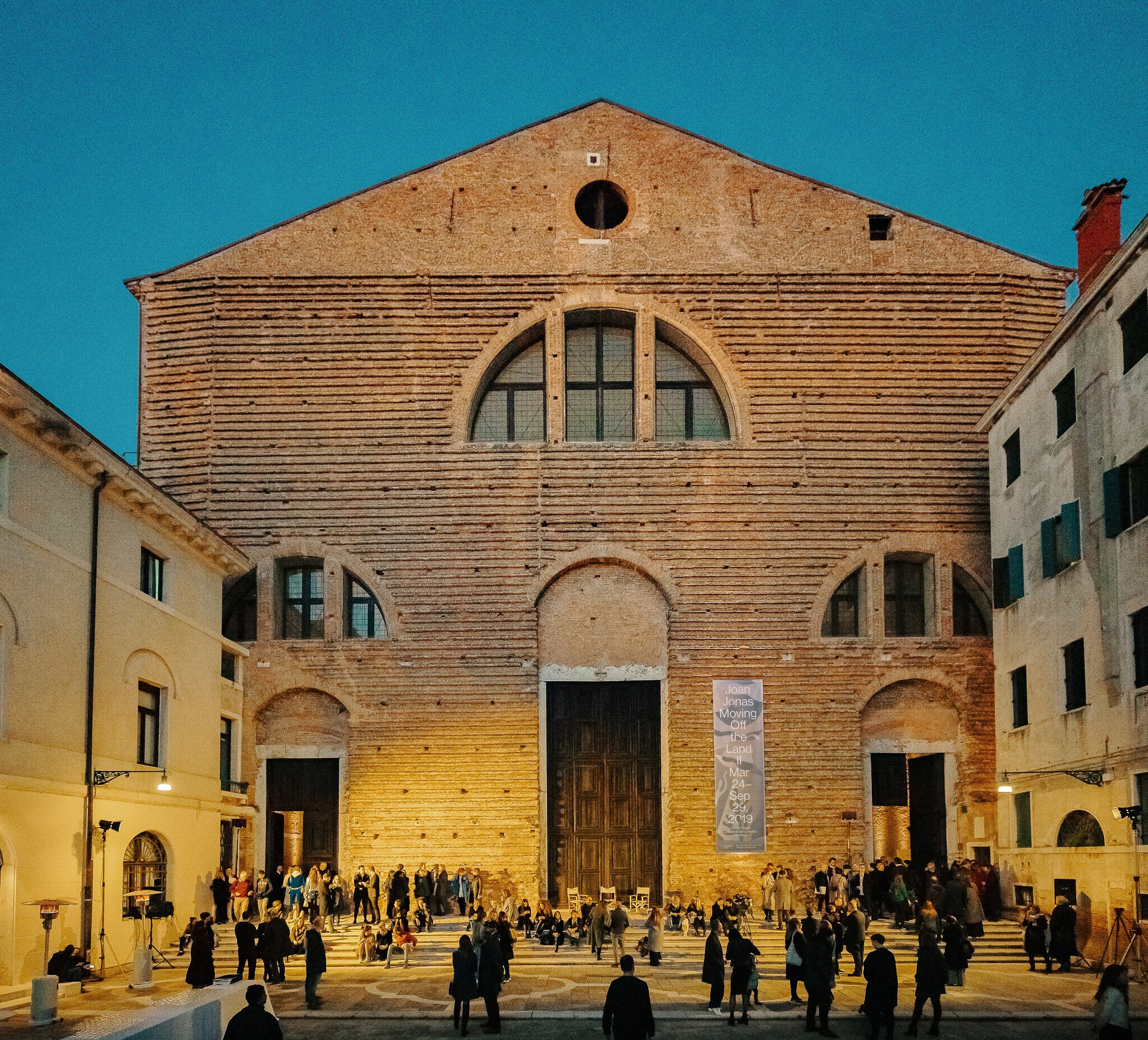
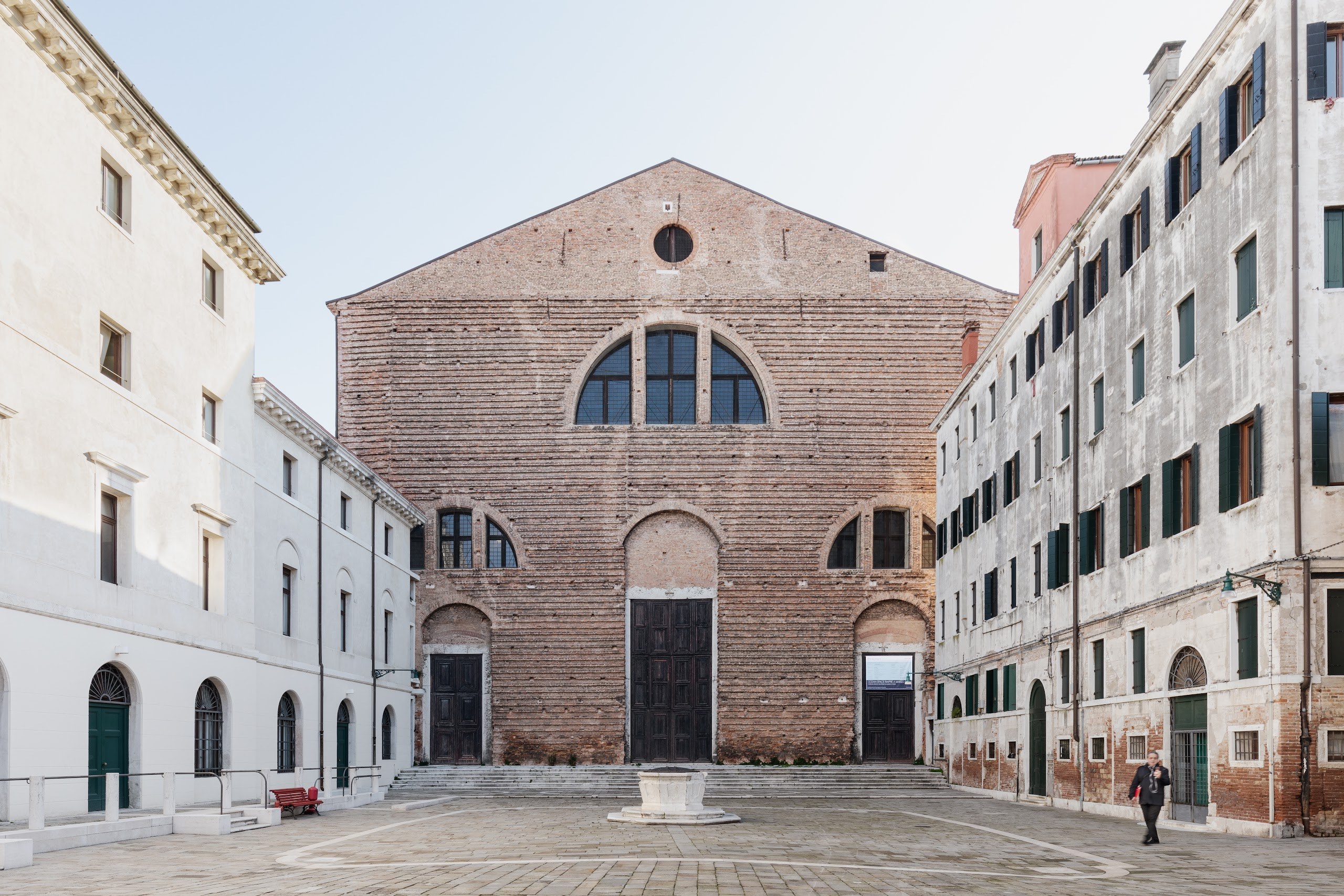
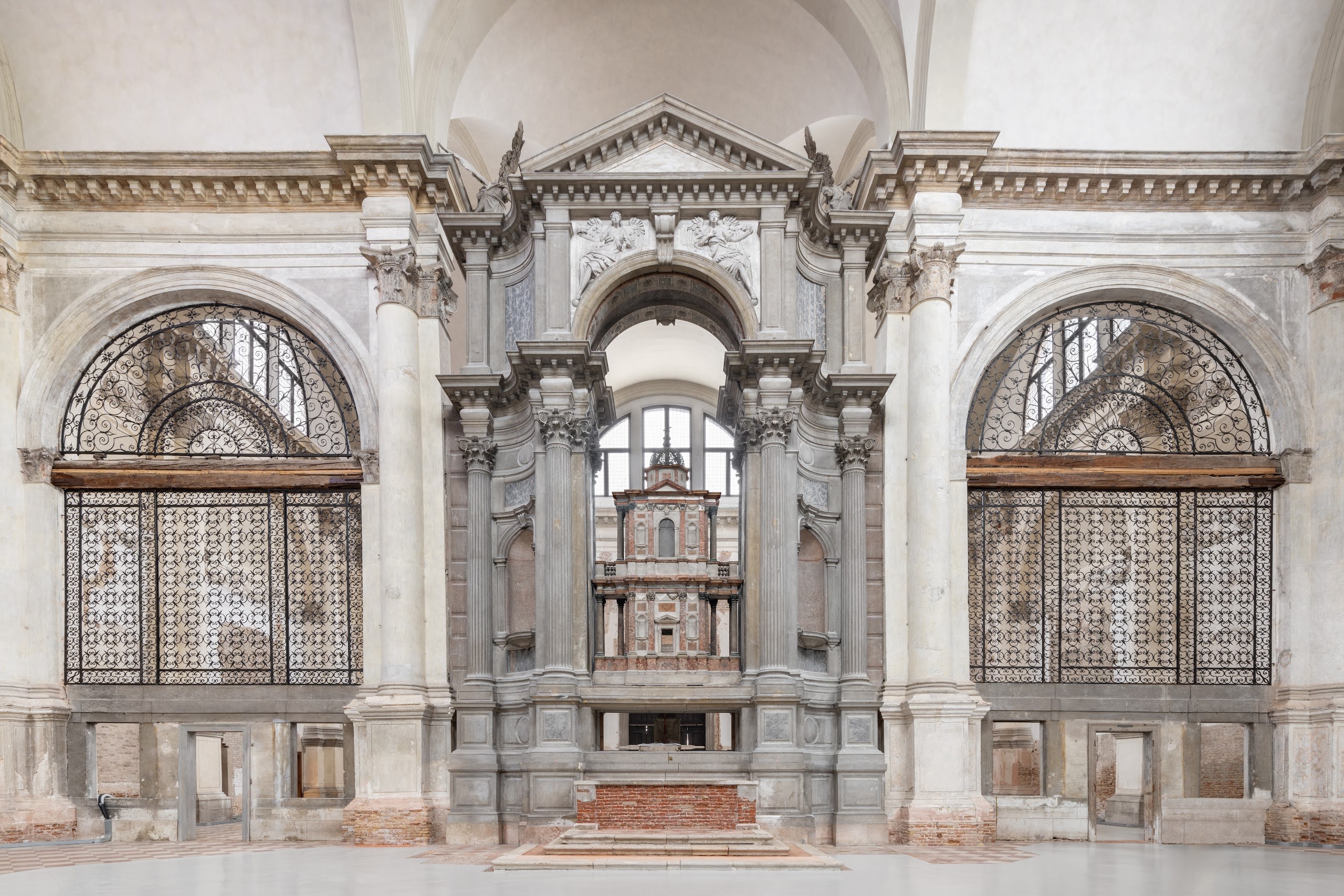
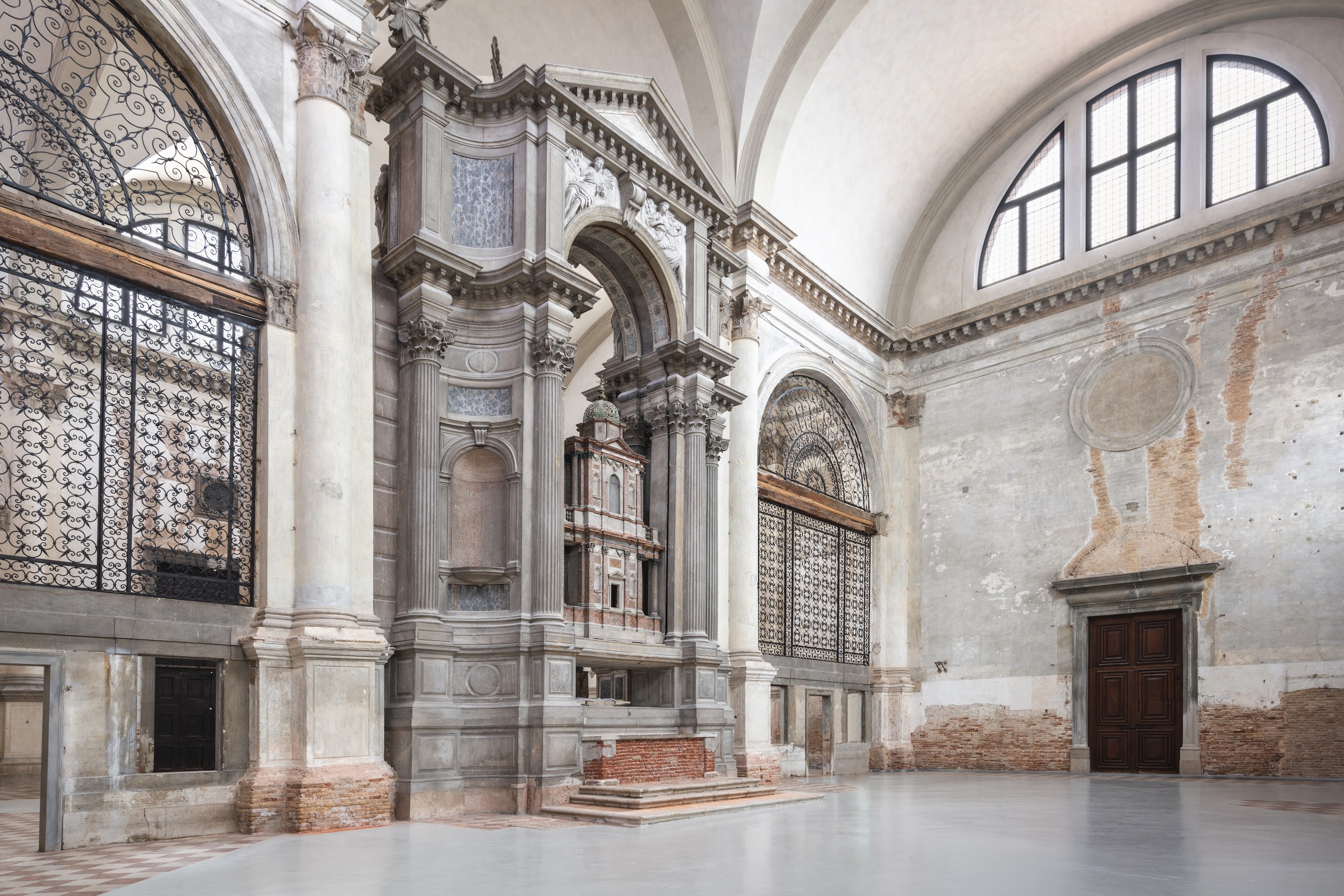
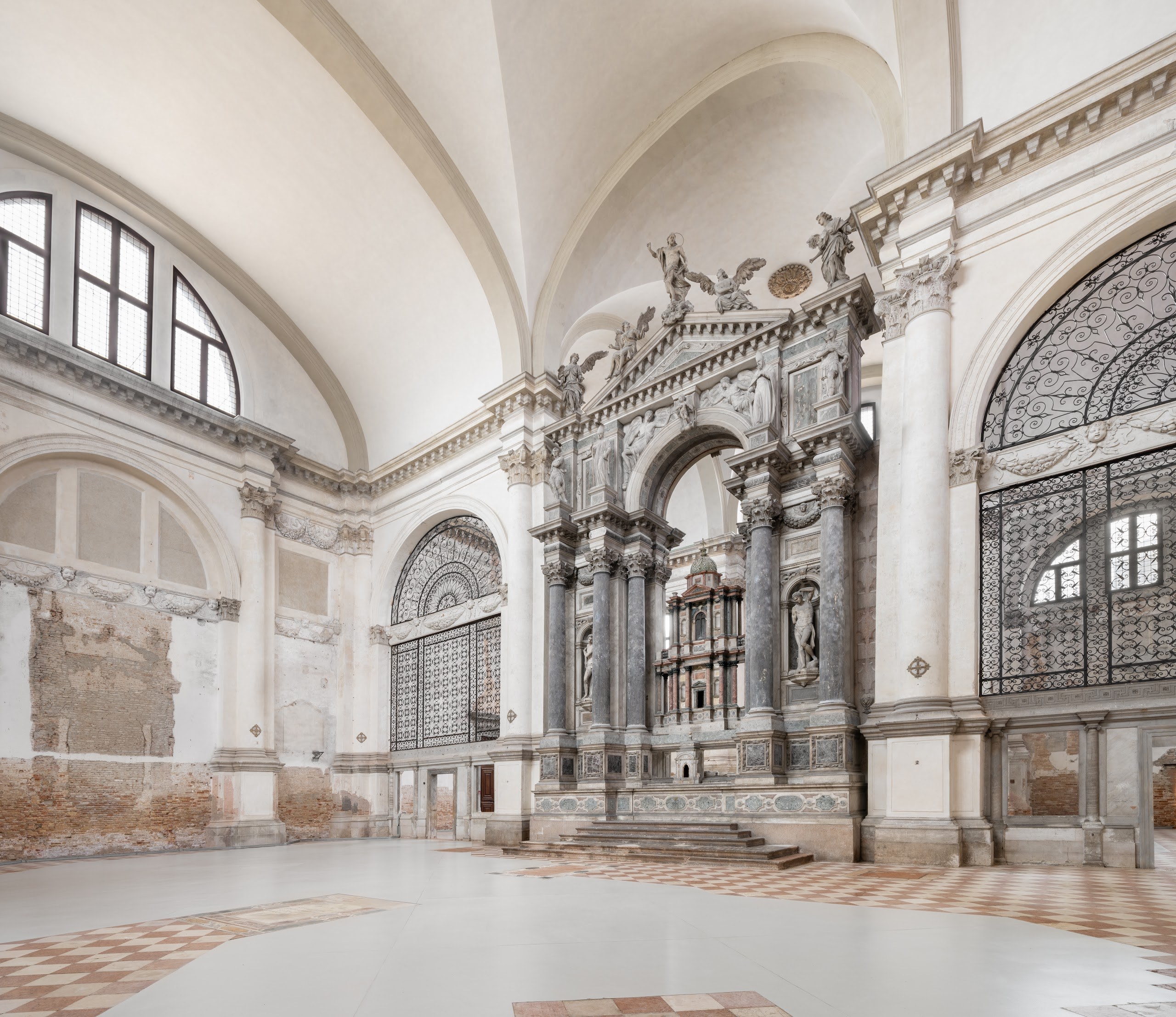
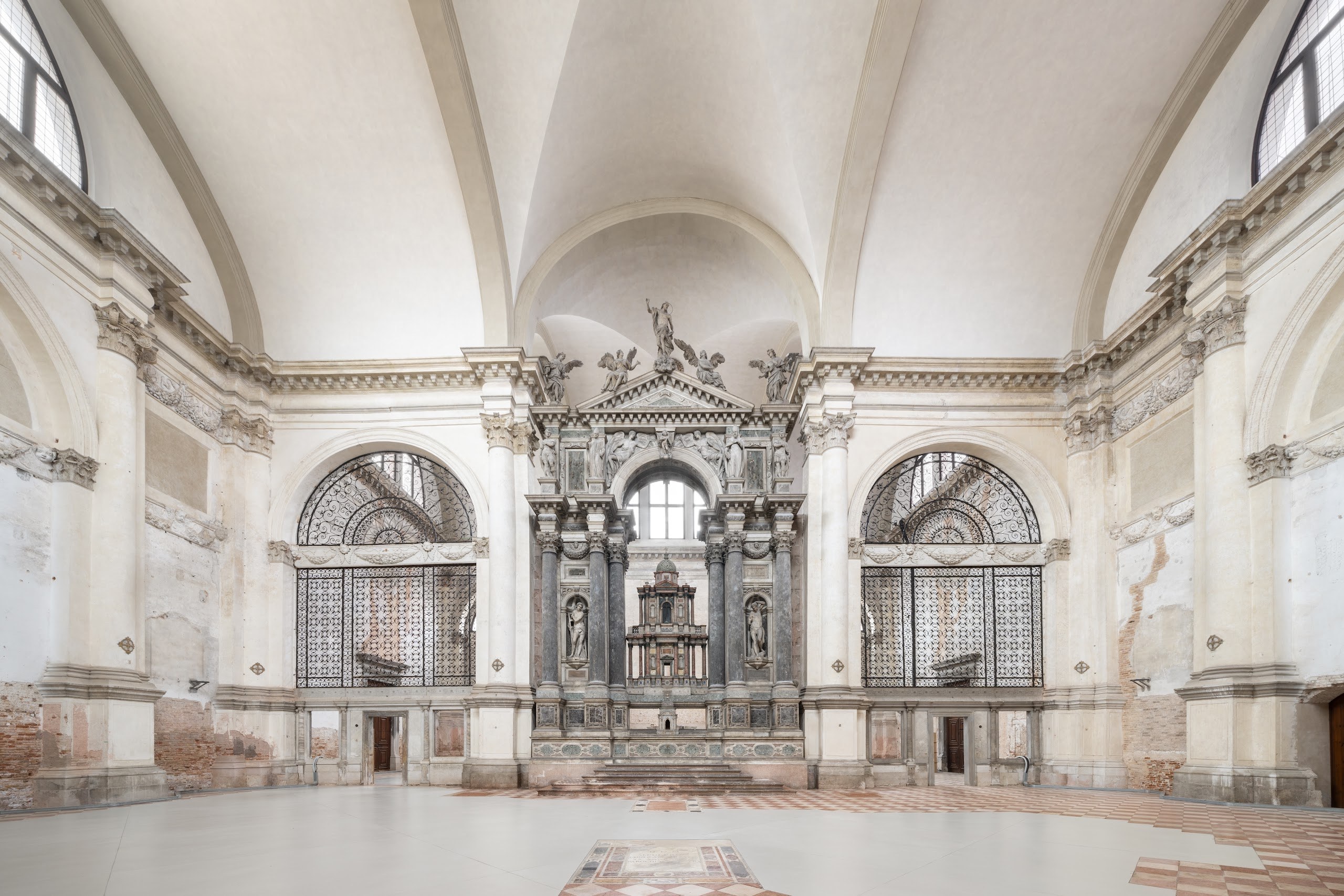
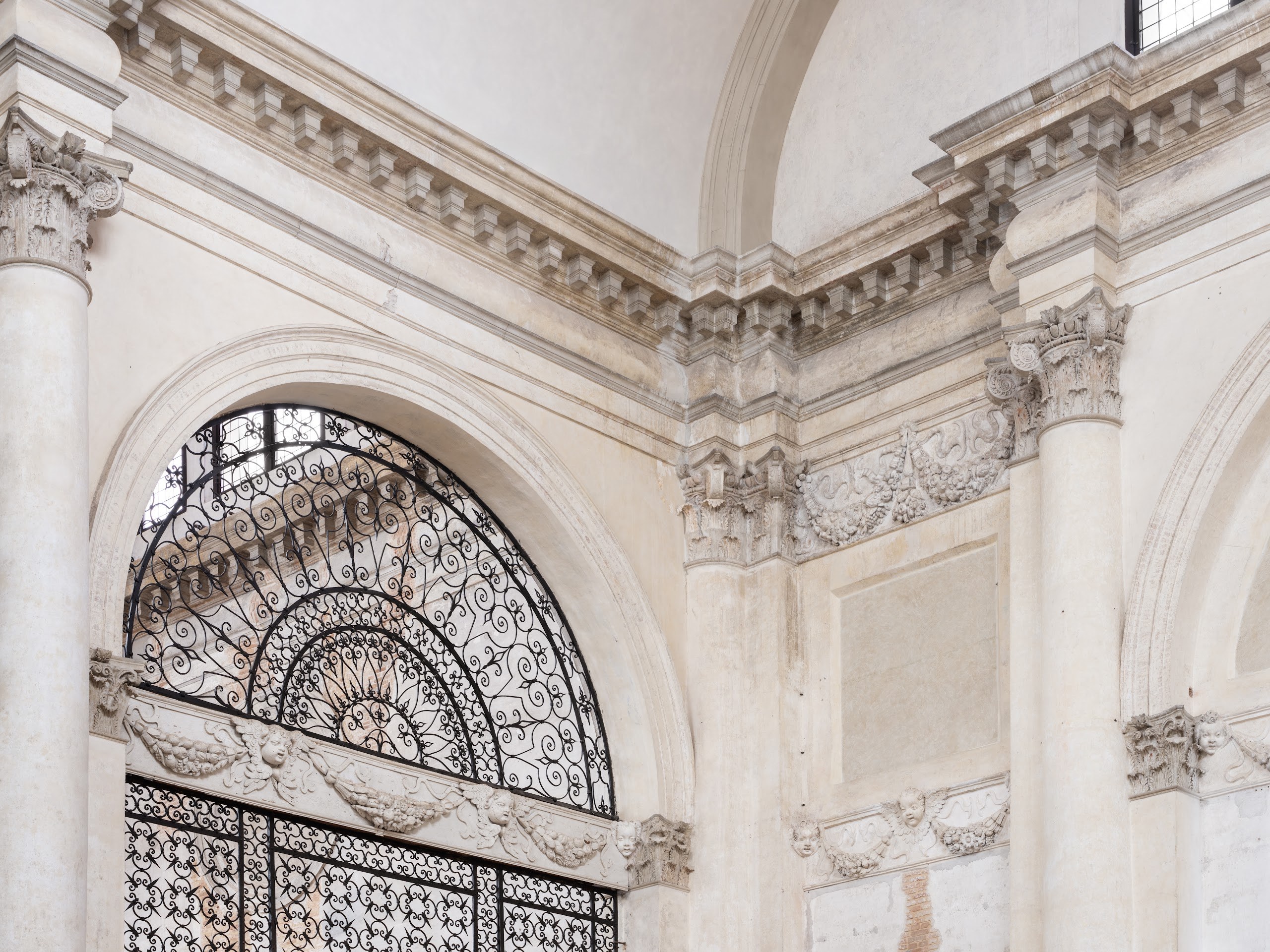
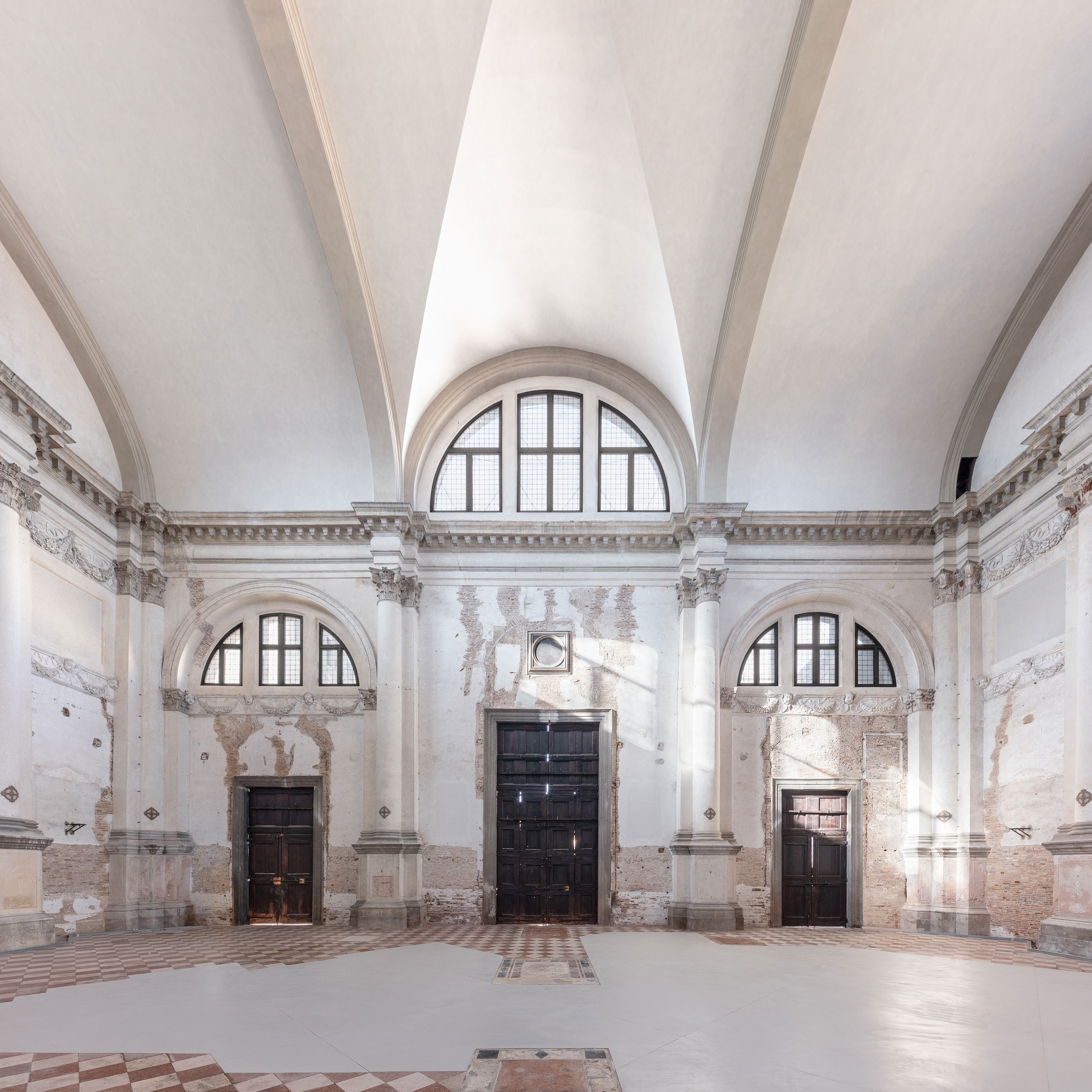
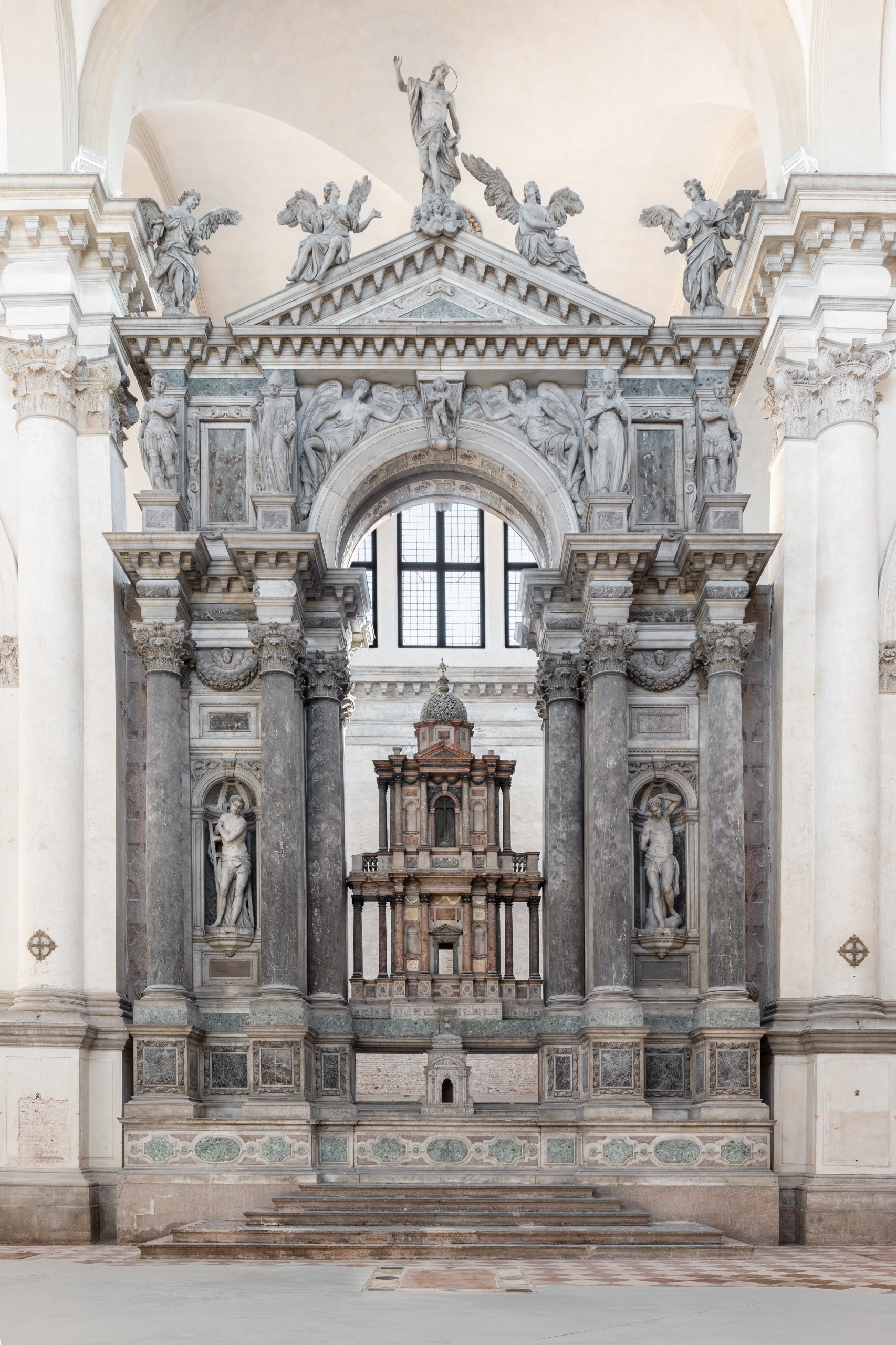
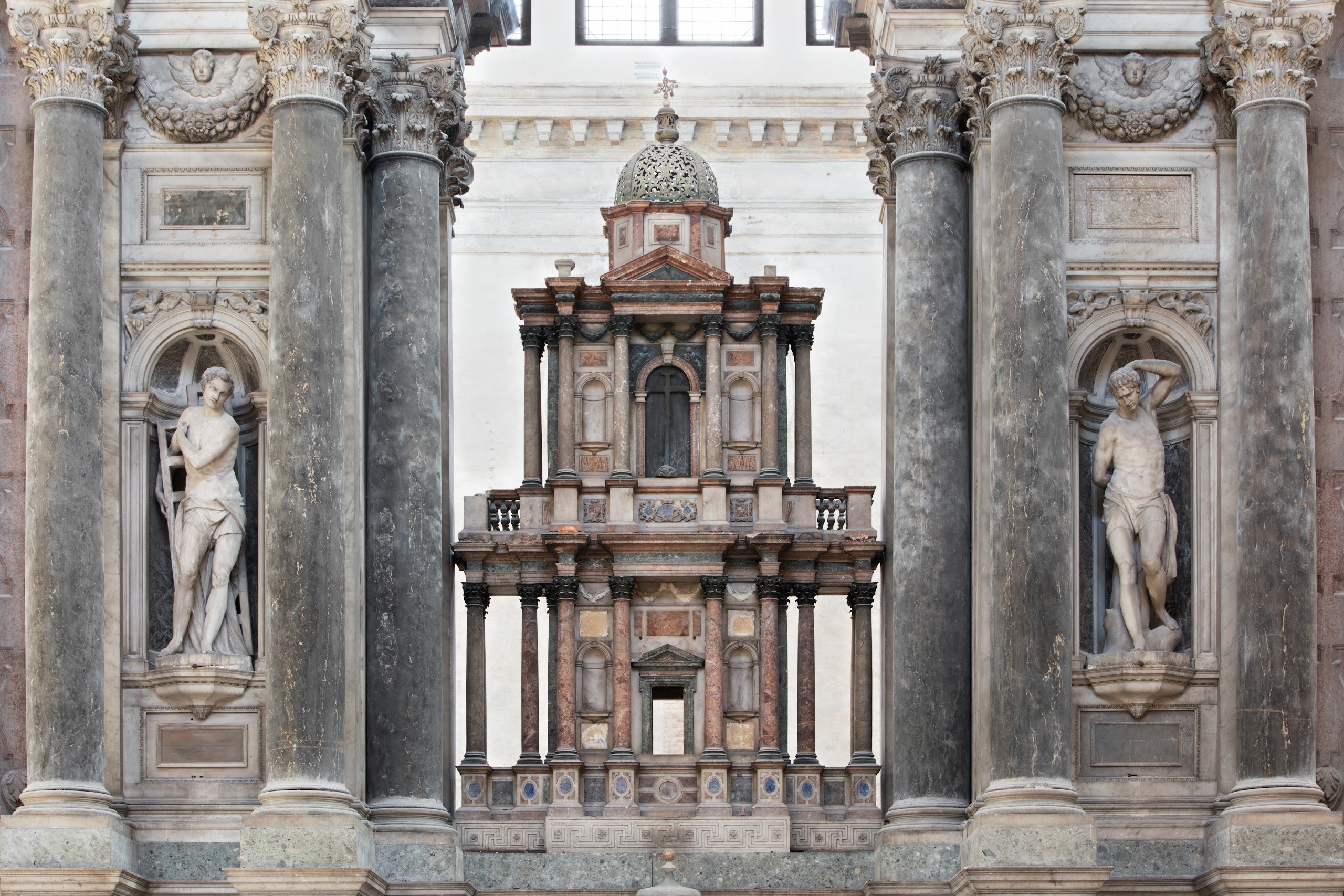
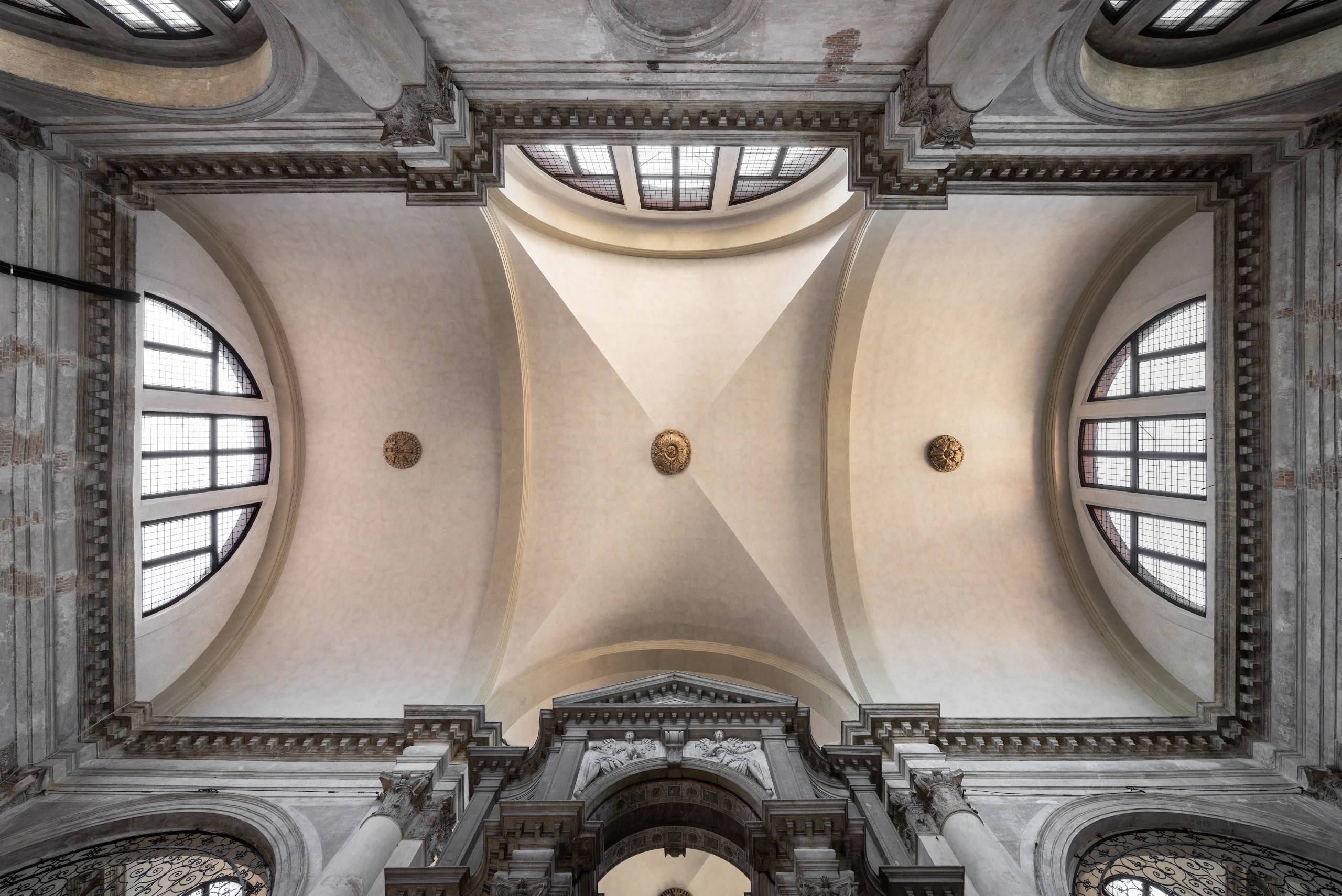
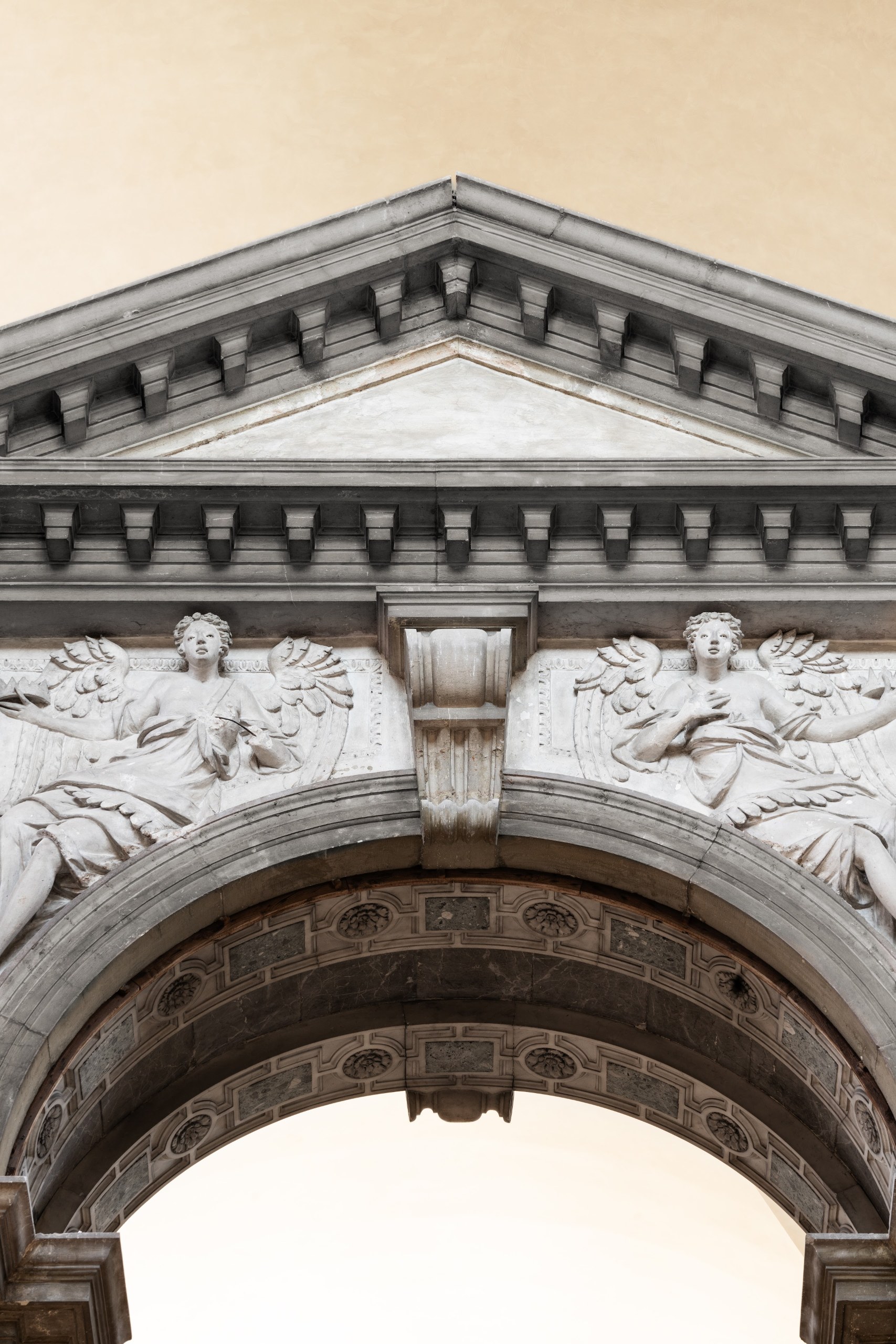
For context, TBA21–Academy opened Ocean Space in 2019 as a centre for Ocean literacy, research and advocacy through the arts. Before that, the church had been largely closed for over 100 years, and its renovation ended in early 2020. After that, architect Gionata Rizzi planned and oversaw the restoration with Studio Pianon Ing. Franco e Associati, working to make the building safe without erasing the traces of its past.
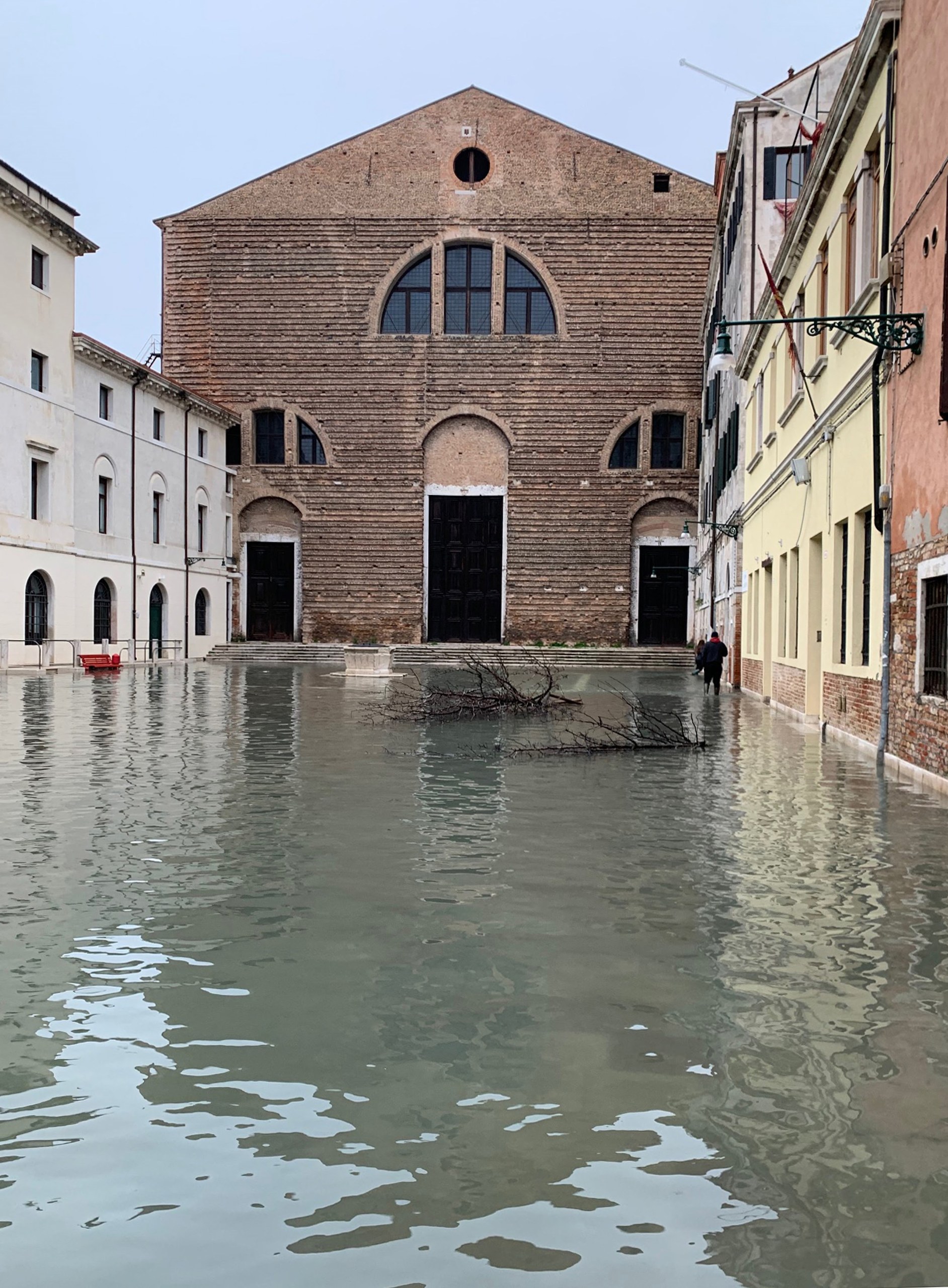
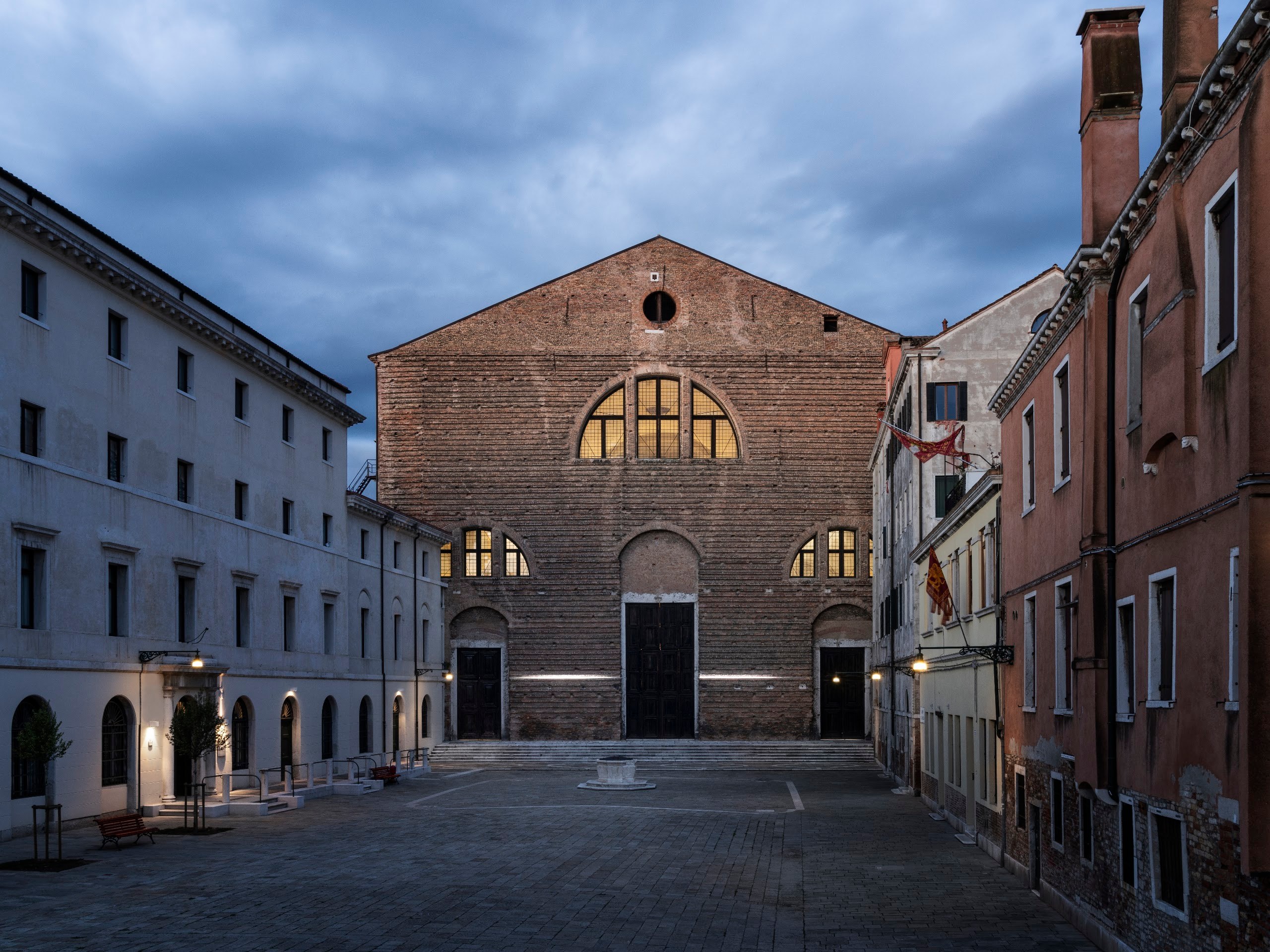
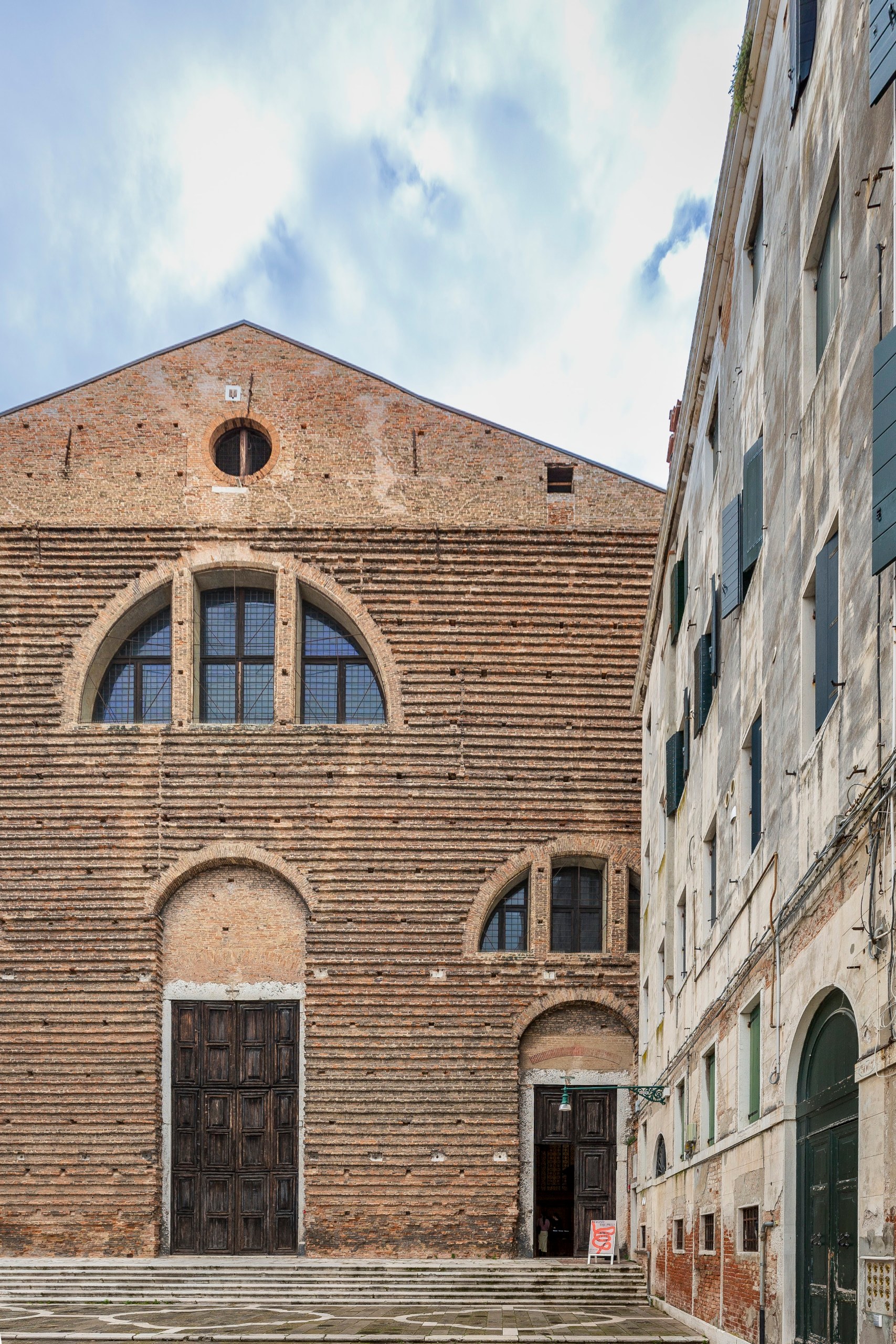
The church dates back to 809. Later, architect Simone Sorella rebuilt it between 1592 and 1602, in a late Renaissance style with Palladian influences, and it also remains the contested resting place of Marco Polo.
Project Credits
Exhibition: (…) Of their bones are coral made
Artists: SUPERFLEX, Marco Barotti
Curator: Eduardo Castillo-Vinuesa
Dates: 3 April to 17 October 2027
Venue: Ocean Space / @oceanspaceorg, Church of San Lorenzo, Venice, Italy
Commissioned and produced by: TBA21–Academy, in collaboration with Schmidt Ocean Institute
Support: Italian Council (15th edition, 2026), a programme of the Directorate-General for Contemporary Creativity of the Italian Ministry of Culture, for Marco Barotti’s Future Landscape of Sonic Reparation
Related Posts
Previous Post
Next Post
- OTLA terraces a forest slope into a village for retreat staff in Karnataka

- ARP studio sets a steel frame inside a 19th-century salt warehouse in Koper

- Pavillon wraps a family chalet in silver metal and old memories

- Stuart Ian Frost and Gunhild Lien raise a cylinder of spruce in an Alpine forest

- ecoLogicStudio threads a living garden through the vineyards of Canelli
- TAKK turns a bed into common ground for the Beaux Arts Ball