
Now Reading: Liu Jiakun: Architecture as a Form of Living
- 01
Liu Jiakun: Architecture as a Form of Living

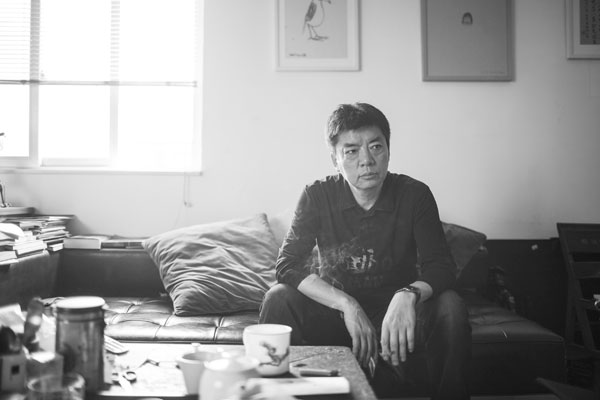

Born in 1956 in Chengdu, Liu Jiakun belongs to a generation of Chinese architects whose professional formation was shaped by rupture rather than continuity. His path toward architecture did not follow a linear trajectory. Long before international recognition, Liu experienced periods of interruption, displacement, and doubt-experiences that would later define a practice grounded in restraint, attentiveness, and a deep engagement with everyday life.
Liu grew up within the compound of Chengdu Second People’s Hospital, where his mother worked as an internist. Surrounded by doctors and patients, his early environment was marked by care, tolerance, and quiet discipline. This formative context (part medical, part communal) left a lasting imprint on his understanding of human presence and ethical responsibility. As a child, he was drawn to drawing and literature, and architecture entered his life not as a vocation of certainty but as a convergence between artistic expression and practical engagement.

At seventeen, Liu was sent to the countryside as part of the zhiqing movement, joining a generation of educated youth assigned to rural labor. The experience, often described by Liu as both humbling and disorienting, cultivated an awareness of collective life, material scarcity, and endurance. When China reopened its universities, he entered the Chongqing Institute of Architecture and Engineering, graduating in 1982 as part of the first cohort of architects tasked with rebuilding a rapidly transforming nation.
Following graduation, Liu joined the Chengdu Architectural Design and Research Institute. Soon after, he volunteered for work in Nagqu, Tibet, between 1984 and 1986. Life on the plateau, defined by altitude, isolation, and physical limits, coincided with an intense period of personal reflection. During this time, Liu devoted himself equally to architecture, writing, and painting. There were moments when he seriously considered abandoning architecture altogether in favor of literature. It was only in the early 1990s, after encountering a solo exhibition by a former classmate in Shanghai, that he began to reassess architecture as a field capable of personal deviation, ambiguity, and intellectual freedom.
In 1999, Liu founded Jiakun Architects in Chengdu. At a time when many Chinese architects gravitated toward Beijing, Shanghai, or overseas markets, Liu chose to remain in his hometown. His practice developed slowly, shaped by modest commissions and specific contexts rather than large-scale speculative development. This decision would become a defining feature of his work: an architecture rooted in place, resistant to acceleration, and attentive to use rather than image.
Liu Jiakun does not pursue a recognizable formal language. He has consistently framed his work as a matter of strategy rather than style. Each project begins with the conditions at hand-site, climate, materials, labor, memory and develops through negotiation rather than imposition. Architecture, in his view, should not dominate its surroundings but seep into them, adapting like water while retaining its substance.
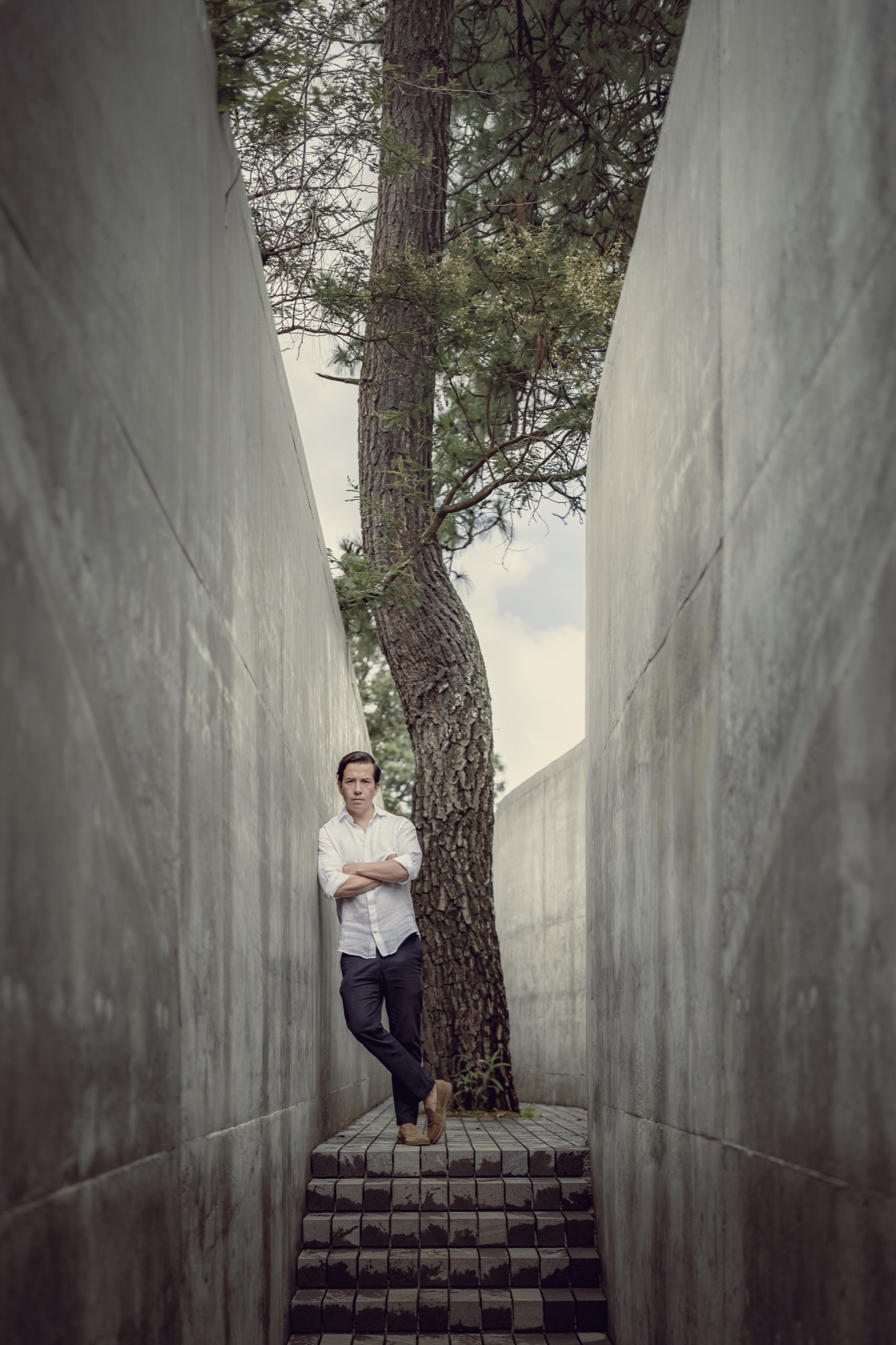
Early works such as the Luyeyuan Stone Sculpture Art Museum reveal this approach with clarity. Conceived as a spatial sequence rather than an object, the museum draws from the logic of traditional gardens, where architecture, stone, water, and vegetation coexist in a balanced relationship. Concrete walls punctuated by narrow openings guide light and movement, producing an atmosphere of quiet contemplation rather than spectacle.


At the Department of Sculpture at the Sichuan Fine Arts Institute, Liu responded to a constrained site by projecting upper volumes outward, creating generous working spaces while enhancing ventilation and climatic comfort. The use of local plaster and exposed surfaces foregrounds process over finish, allowing the building to age and adapt alongside its users.
The 2008 Wenchuan earthquake marked a decisive moment in Liu’s practice. In its aftermath, he developed “Rebirth Bricks,” produced from earthquake rubble mixed with cement and plant fibers. These bricks were not conceived merely as a construction solution but as a material repository of memory. The Hu Huishan Memorial, a small self-funded project dedicated to a teenage victim, embodies this approach. Modest in scale and restrained in expression, the structure functions less as a monument than as a space for quiet reflection, where absence is acknowledged without dramatization.


West Village in Chengdu expanded these concerns to an urban scale. Occupying an entire city block, the project integrates cultural, athletic, and commercial programs within a low-rise, porous structure. Sloping walkways, courtyards, and semi-public spaces blur boundaries between inside and outside, offering an alternative to the isolated towers that dominate contemporary urban development. Rather than separating functions, West Village allows them to overlap, producing a dense but accessible social landscape.

West Village / Jiakun Architects. Photo by Chin Hyosook West Village / Jiakun Architects. Photo by Chin Hyosook West Village / Jiakun Architects. Photo by Chin Hyosook West Village / Jiakun Architects. Photo by Chin Hyosook West Village / Jiakun Architects. Photo by Chin Hyosook 
Materials provided by Jiakun Architects West Village / Jiakun Architects. Photo by Chin Hyosook


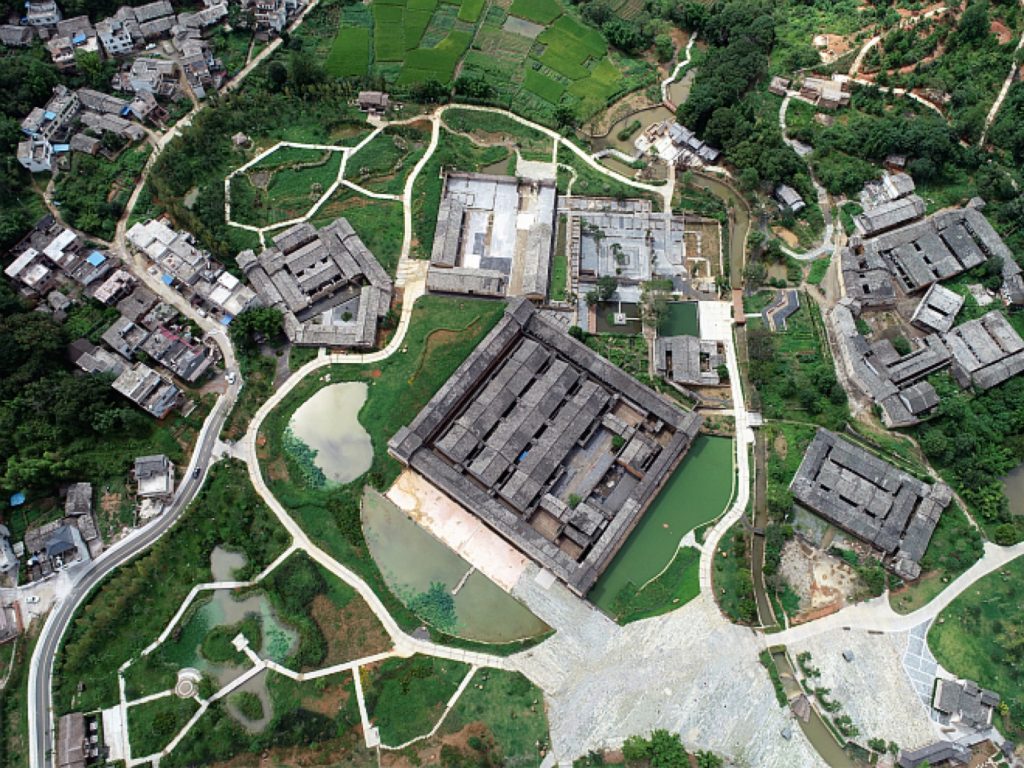
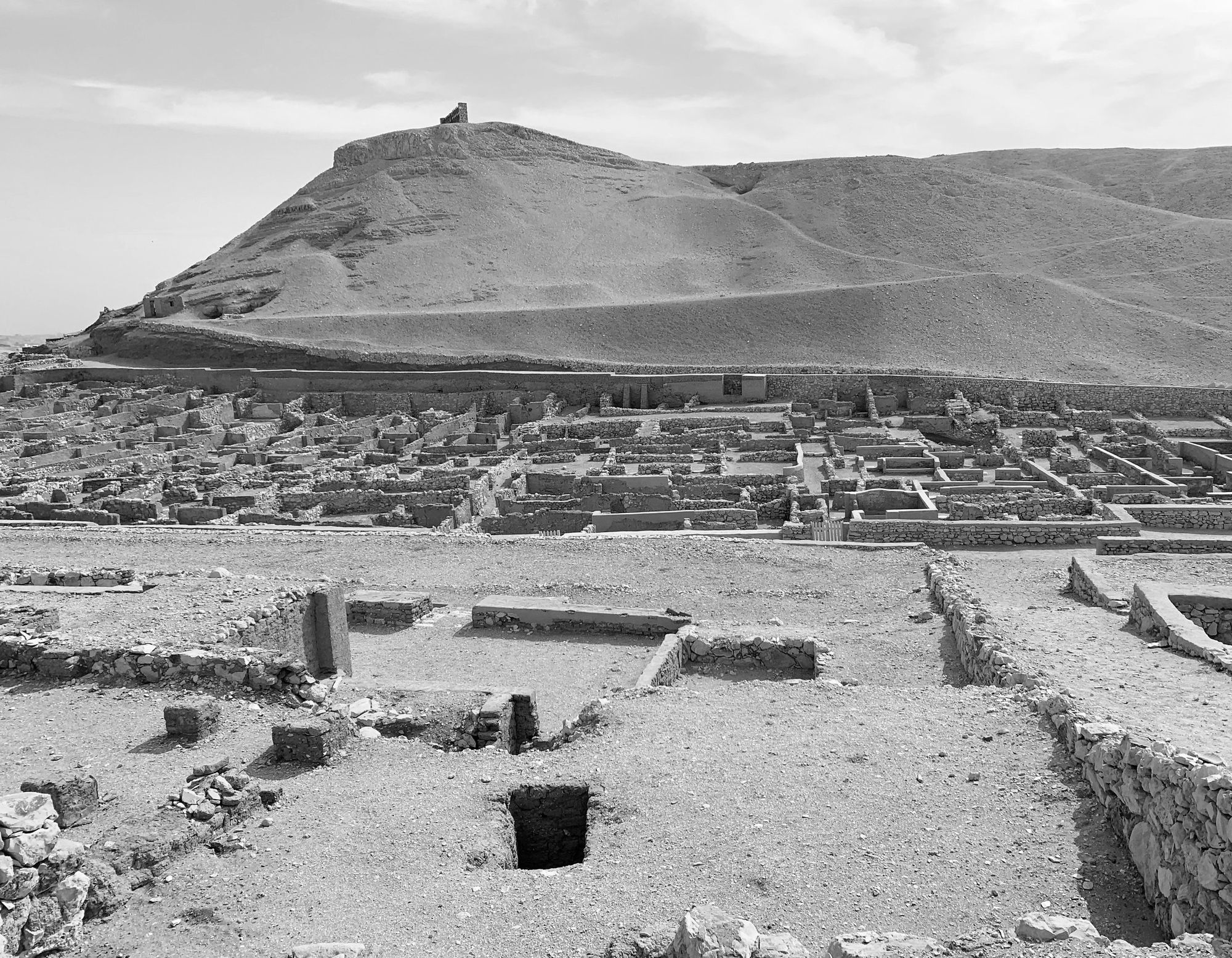
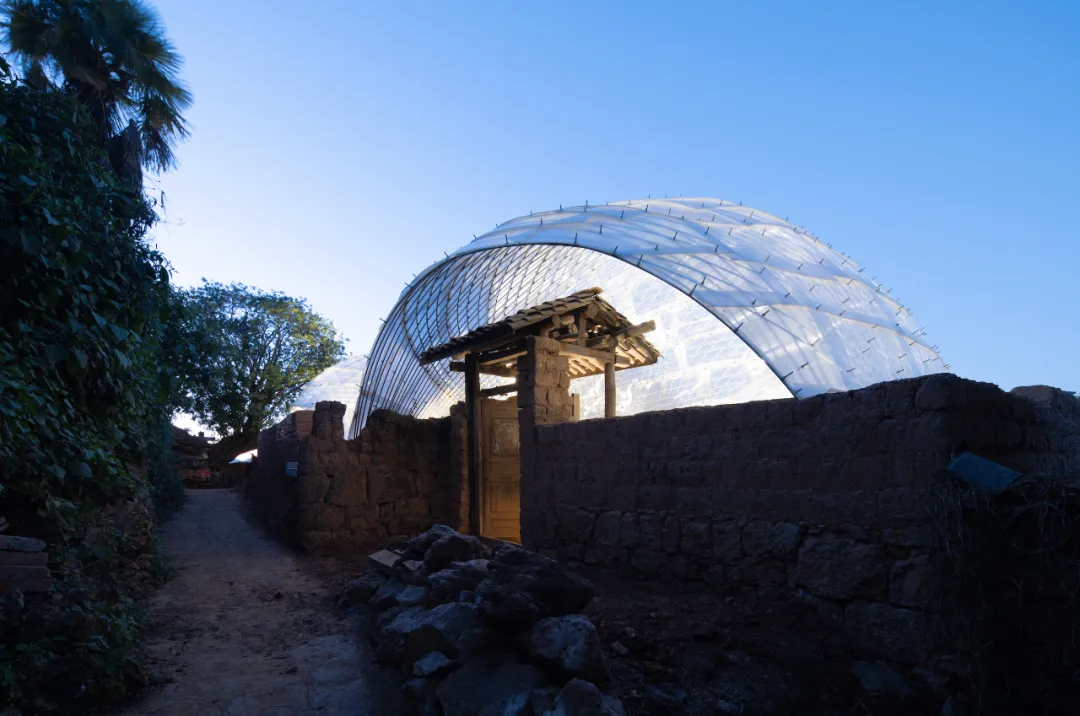
Later works, including the Suzhou Museum of Imperial Kiln Brick and the renovation of the Tianbao Cave District, further articulate Liu’s interest in material continuity and landscape integration. In these projects, architecture does not resolve itself into a finished image. Openings are left for trees, surfaces accommodate weathering, and spatial sequences unfold gradually, shaped by movement and time.


Alongside his architectural practice, Liu Jiakun has remained committed to writing and teaching. His texts are neither theoretical manifestos nor technical manuals but reflections drawn from lived experience. Architecture, for Liu, belongs to the realm of ordinary life. Its value lies not in novelty or perfection but in its capacity to absorb use, memory, and imperfection.
Liu Jiakun’s work offers a distinct position within contemporary Chinese architecture. Quiet in tone yet rigorous in intent, his buildings resist spectacle in favor of durability, empathy, and contextual intelligence. In an era defined by speed and standardization, his practice insists on slowness, specificity, and the ethical weight of building. Architecture, as Liu demonstrates, can still function as a form of living – one grounded in attention, responsibility, and care.