
Now Reading: Less, but better: Benjamin Hubert on craft, technology and human-centered design
- 01
Less, but better: Benjamin Hubert on craft, technology and human-centered design

Less, but better: Benjamin Hubert on craft, technology and human-centered design

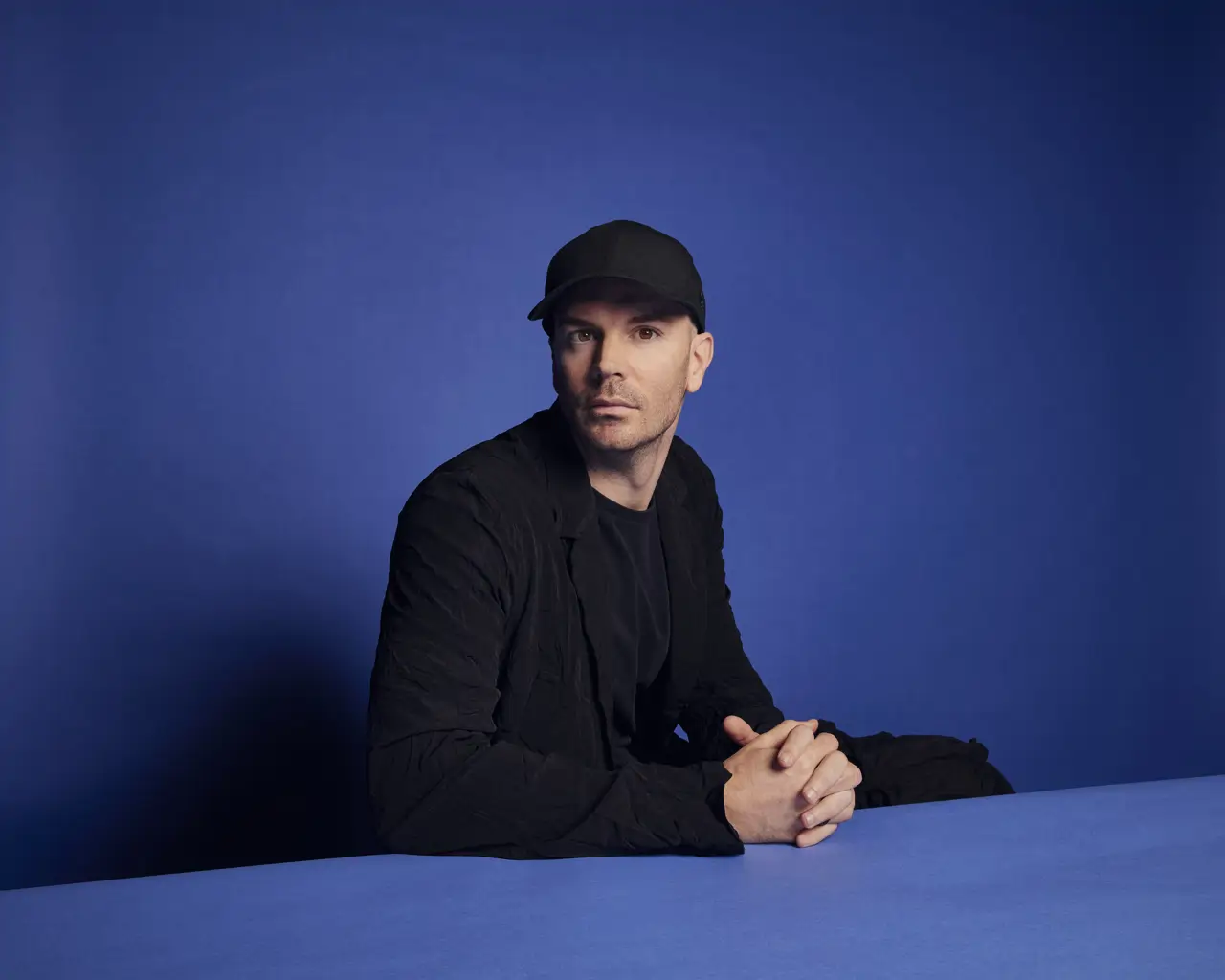
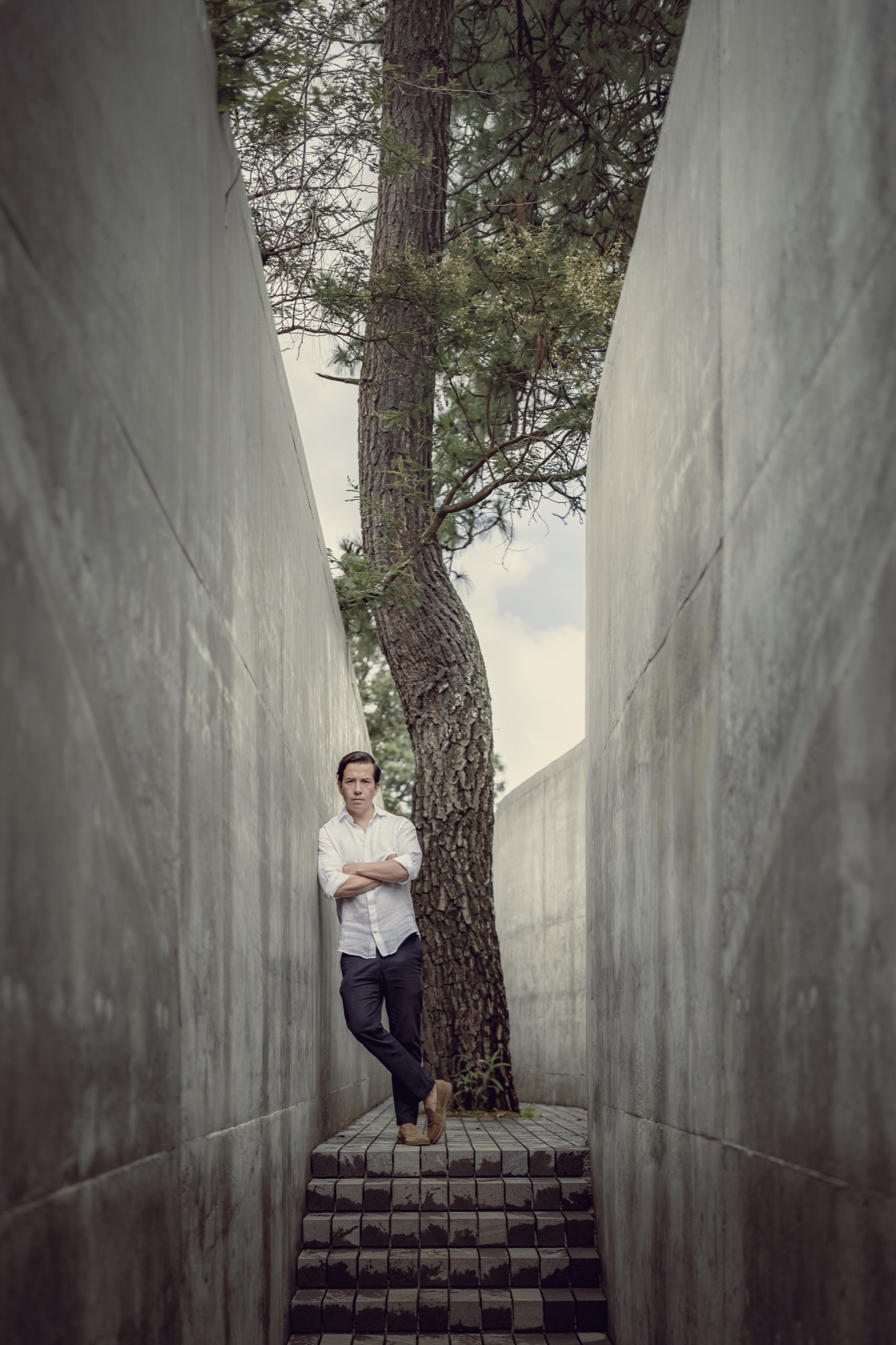
Benjamin Hubert is one of the most influential contemporary industrial designers in the United Kingdom. He is the founder and creative director of LAYER – a renowned London-based design studio specializing in experience design, technology, products, and brand strategy. With a design philosophy deeply rooted in creating positive impact on human life, Hubert’s projects are always characterized by rigorous research, cutting-edge technology, and timeless human-centered values.
From a one-man studio to an internationally recognized design brand, Benjamin Hubert’s journey is a testament to his ability to seamlessly blend creative thinking, strategic leadership, and a commitment to sustainability. We had the privilege of speaking with the designer about his creative philosophy, how he defines contemporary design value, and his observations on the creative landscape in Vietnam and the region.

Hello Ben, what does a typical working day look like for you?
I start the day at the studio with a pretty packed schedule: client meetings, project coordination, design reviews, and sessions with specialist teams. Sometimes I’m traveling internationally to solve issues on the ground. Right now our work is most concentrated in the US, but we’re also expanding across Asia and Europe.
What made you want to become a designer, and why industrial design in particular?
I love problem-solving. Design lets me identify weaknesses in existing products and find ways to make them better. I’m particularly interested in people and always try to address their real needs. Industrial design spans physical products, digital interfaces, and experiences, which perfectly matches the adaptable, multidisciplinary nature of our team. It also gives us the chance to engage with many different cultures.

Is there any individual who has strongly shaped your design thinking?
No single person, but working at various companies and then building my own business has had the biggest influence. Actually practicing design and collaborating with teams is what has helped me grow the most. The evolution of the studio – from founding to scaling – has been a profound personal journey.
Why did you choose the name LAYER for the studio?
Originally the company was called BENJAMIN HUBERT LIMITED. But I wanted a name that could represent something bigger and more diverse. “LAYER” reflects the layered, multi-stage process of product development. Rebranding also helped us move away from being personality-driven and gave us a more professional identity when working with major global brands.

How have you managed to run a business when you didn’t come from a business background?
Building a company is itself a design project: it needs vision, systems, and efficient organization. I believe the core skill of a designer is leadership. I place huge importance on planning, people, and space. Choosing London as our base was strategic – it’s a global creative hub with an incredibly diverse and vibrant design community.
Your work at LAYER is extremely varied. How do you achieve that while staying focused on the essence of design?
For every project we ask the client: what do you really want to communicate? Is it about people, sustainability, or technological breakthrough? We make sure those values are prioritized and translated into meaningful design choices. It’s about genuine collaboration, deep listening, and turning insight into tangible, useful products.
Some people say everything has already been designed – maybe we should stop making new things, like chairs, for example. What do you think?
I think about that a lot. But everything can always be done better – smarter, more sustainable, more beautiful. The world keeps changing, and design has to evolve with it. A chair that’s perfect today can become obsolete next year. There’s always a reason to improve.
Do humans depend on design, or does design depend on humans?
Both. Design exists to serve people, but people constantly redefine what design is and what it should value.

Which project has been the most emotional for you?
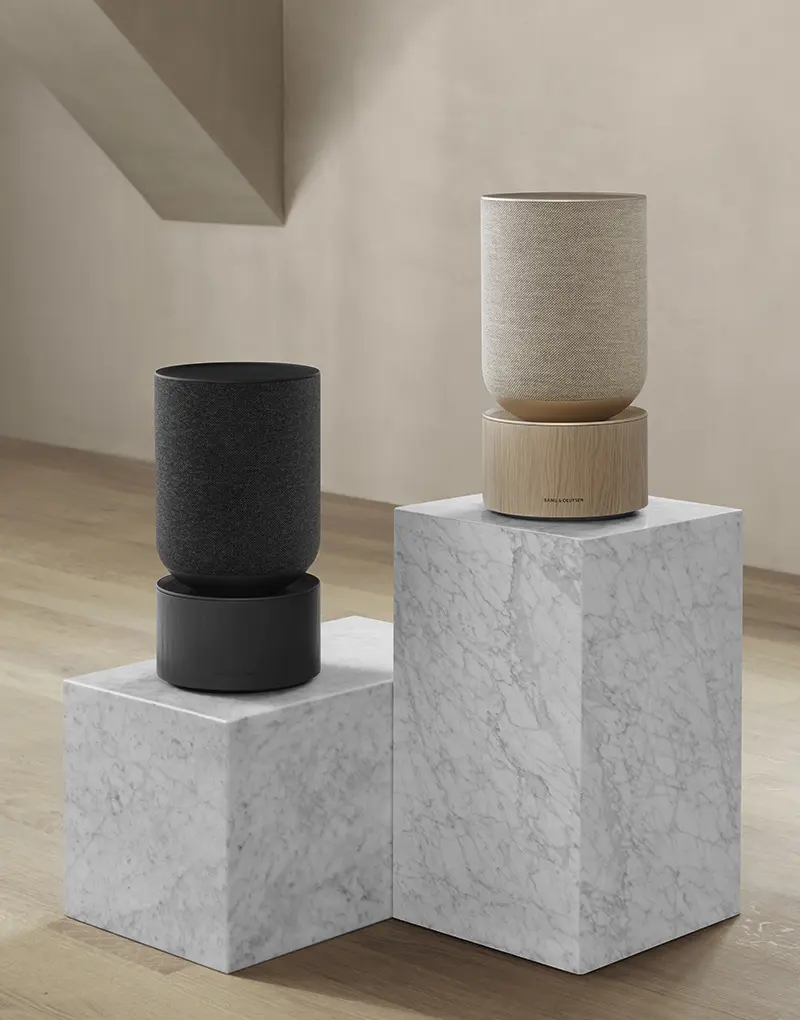
LAYER itself is the most emotional project because it’s so tied to my personal journey. Beyond that, I’m very proud of the chair we did with MDF Italia and the “Connectivity Concept” technology series for Deutsche Telekom. Every project brings different emotions because we work across so many fields.
What is your view on sustainable design?
Sustainable design isn’t just about materials or technology – it’s a chain of questions: Does the user actually need this? How can we extend its lifespan? Can it be recycled or biodegraded? I don’t always have the answers, but those questions drive us to create more responsibly.

Some say LAYER carries forward the spirit of Dieter Rams. What is your own personal driving force?
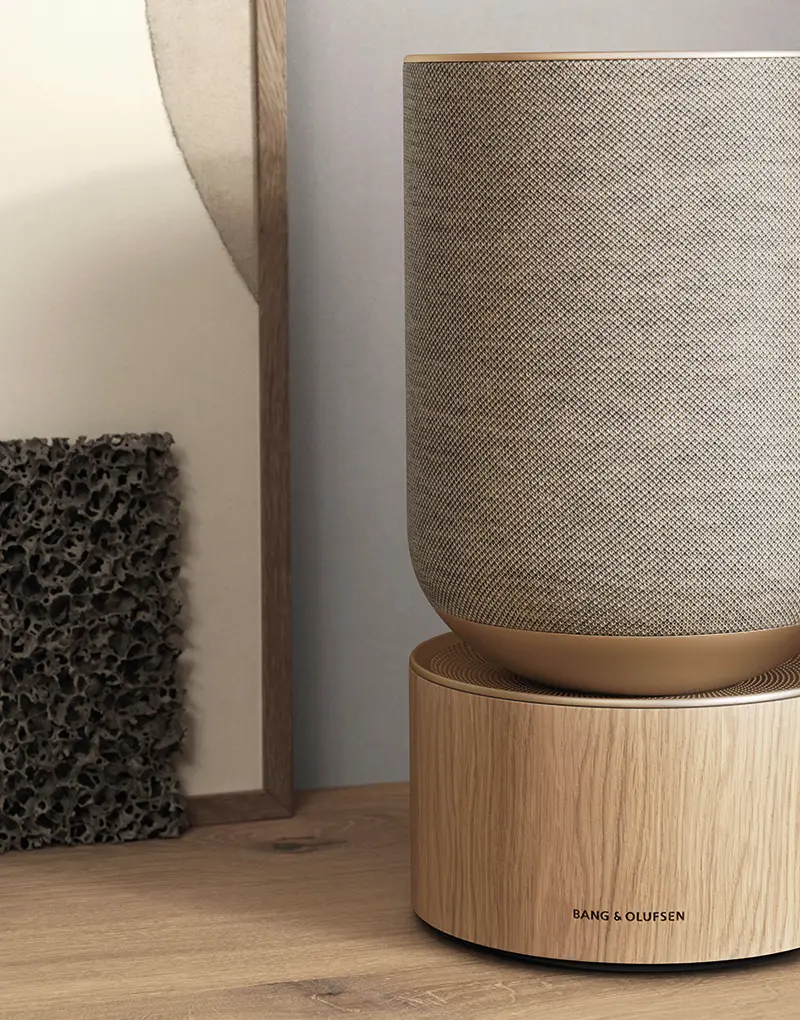
My biggest motivation is the ability to imagine what could exist. We love combining technological strategy and new behaviors with craftsmanship. For us, technology is a tool to elevate the refinement and human depth of craft.


Is there something you’ve always wanted to design?
I’d love to work in developing communities – designing products that give access to clean water, sustainable energy, or food security. As a designer I believe in creating value for life, and I’m open to partnering with organizations that serve communities. We don’t limit our scope. If someone has a compelling idea, we’re always ready to jump in. I especially love collaborating with artisans and exploring local materials – that’s a profound way to connect with culture.

What future design trends do you think we absolutely shouldn’t miss?
We should create things that bring people together and feel deeply human. The world already has too much division and crisis. Now is the time for design to help heal and care for the planet.

Article Credit
Interview conducted with Benjamin Hubert in May 2025
All designs mentioned in this article are by LAYER DESIGN
Interview & text: Tan Nhang
Photography: LAYER DESIGN (@layer_design)