Now Reading: Zadik Zadikian turns the Armenian Pavilion into a working studio
- 01
Zadik Zadikian turns the Armenian Pavilion into a working studio

Zadik Zadikian turns the Armenian Pavilion into a working studio
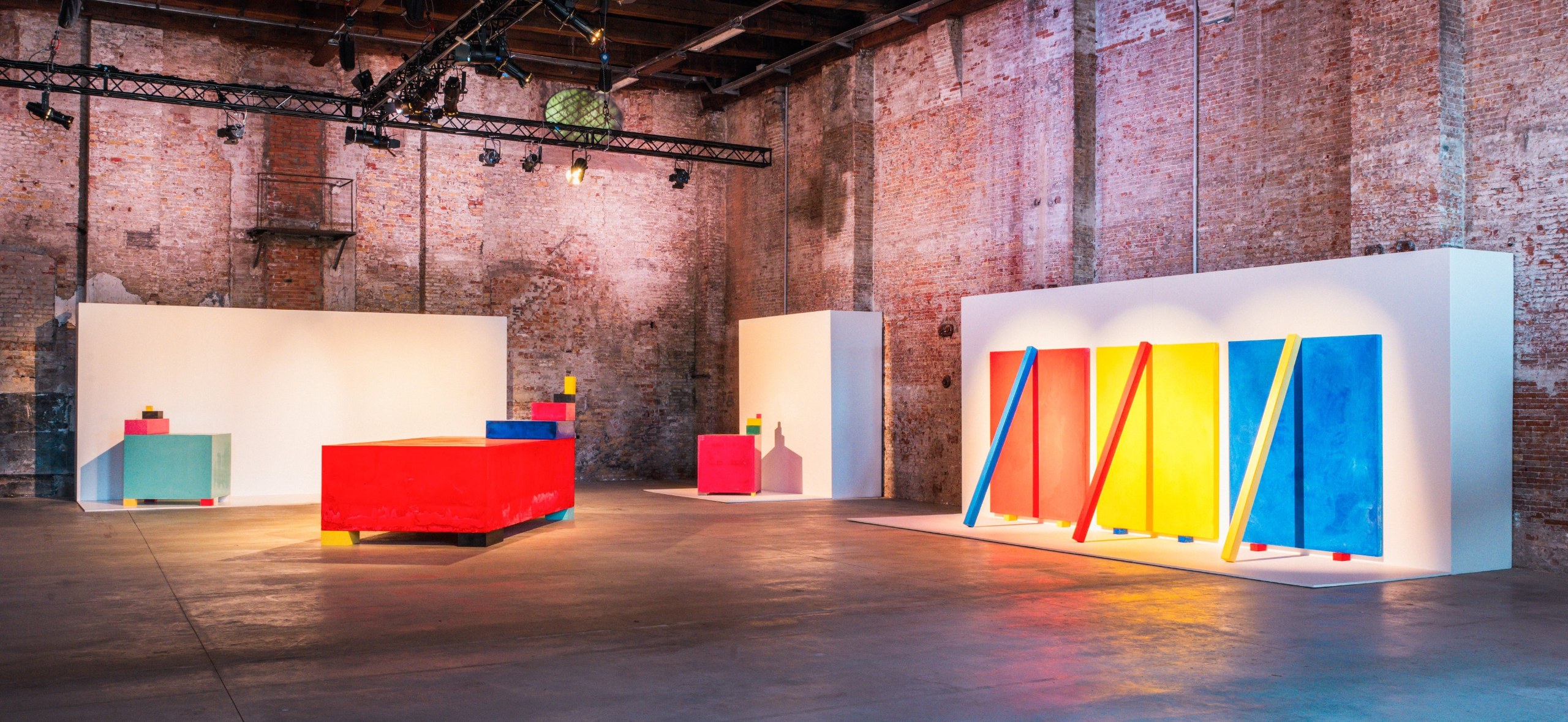
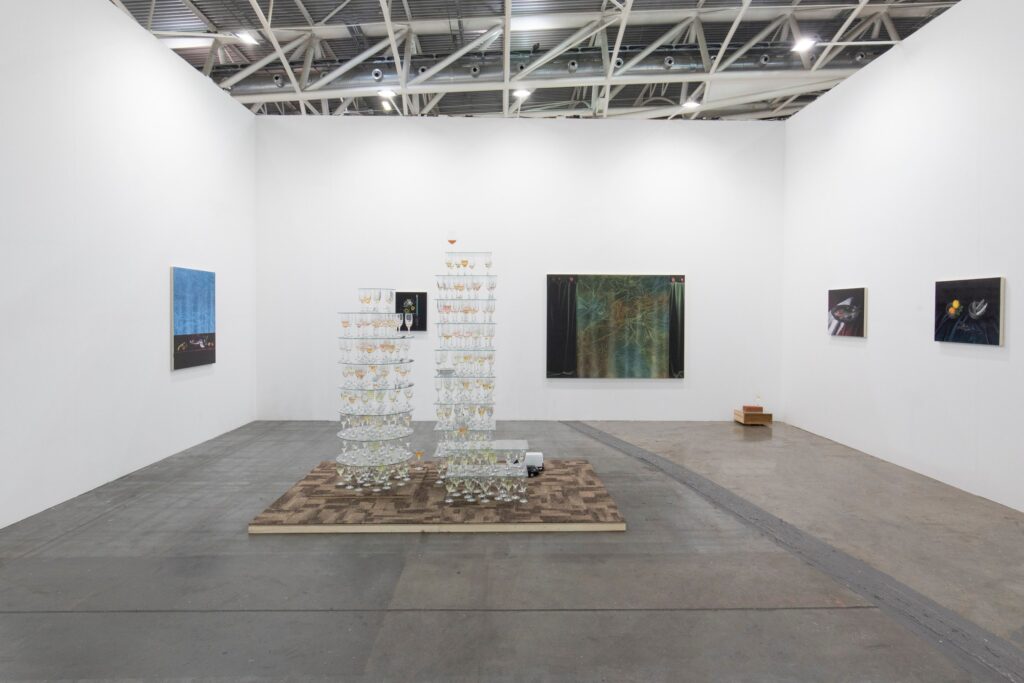
For the 61st International Art Exhibition, the Armenian Pavilion is not a finished display. Zadik Zadikian: The Studio, the National Participation of the Republic of Armenia, has run since May as a working sculpture studio in Tesa 41, Arsenale Militare. It closes on Sunday 22 November 2026.
Instead, Zadik Zadikian makes his work here in public, six days a week. As a result, the room has changed week by week since the opening, and every visit shows a different stage.
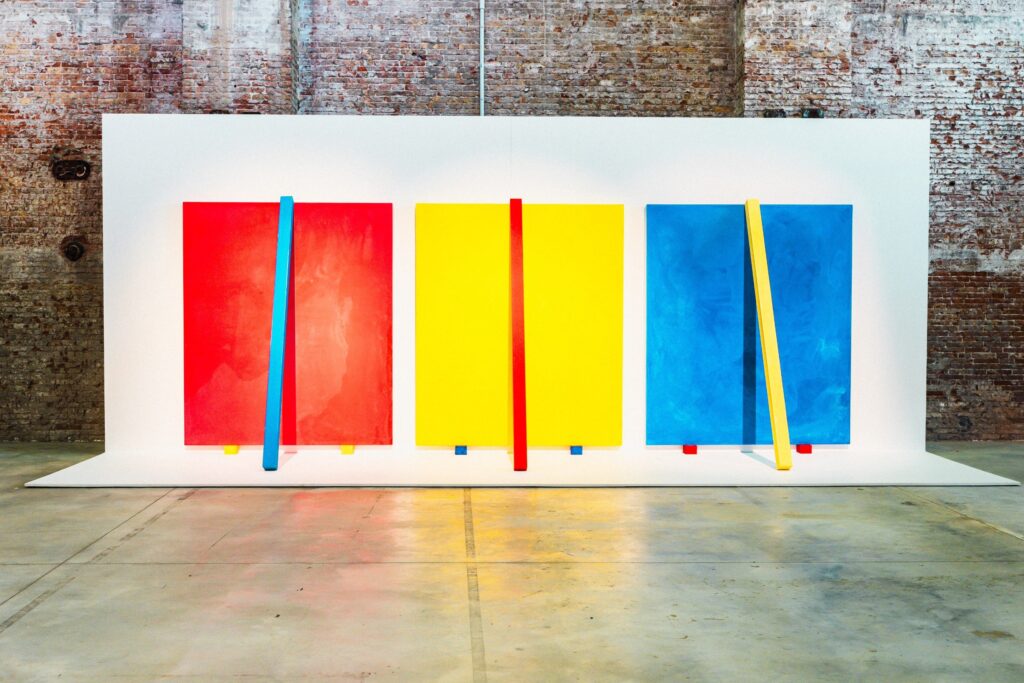
Photo: Aram Zadikian
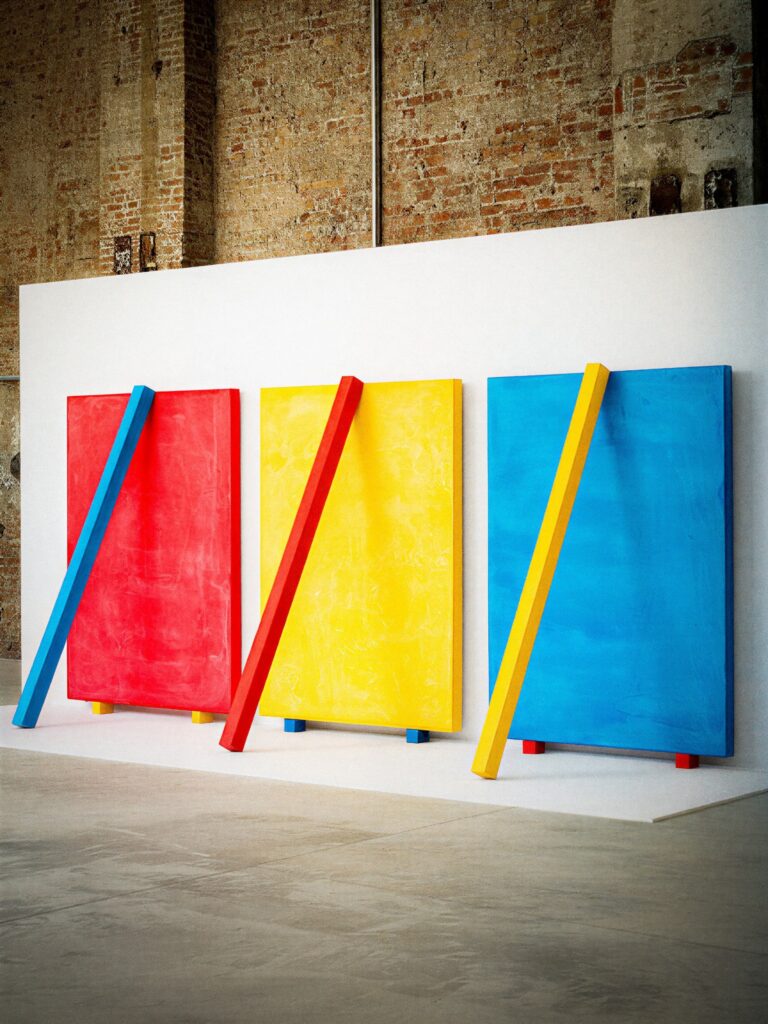
Image: Aram Zadikian
Credit: Aram Zadikian
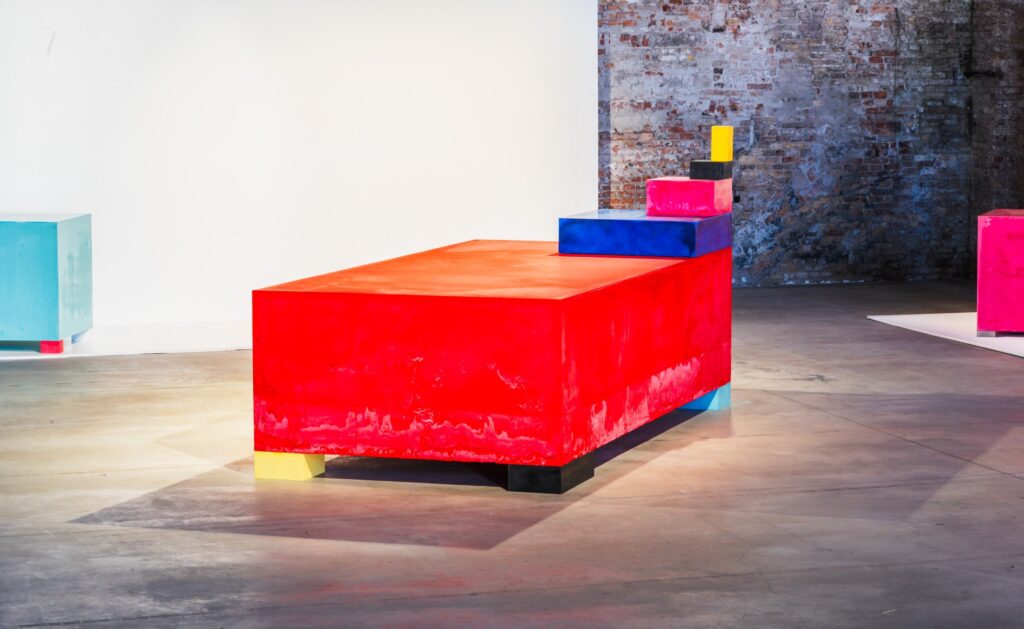
Photo: Aram Zadikian
How Zadik Zadikian makes in public
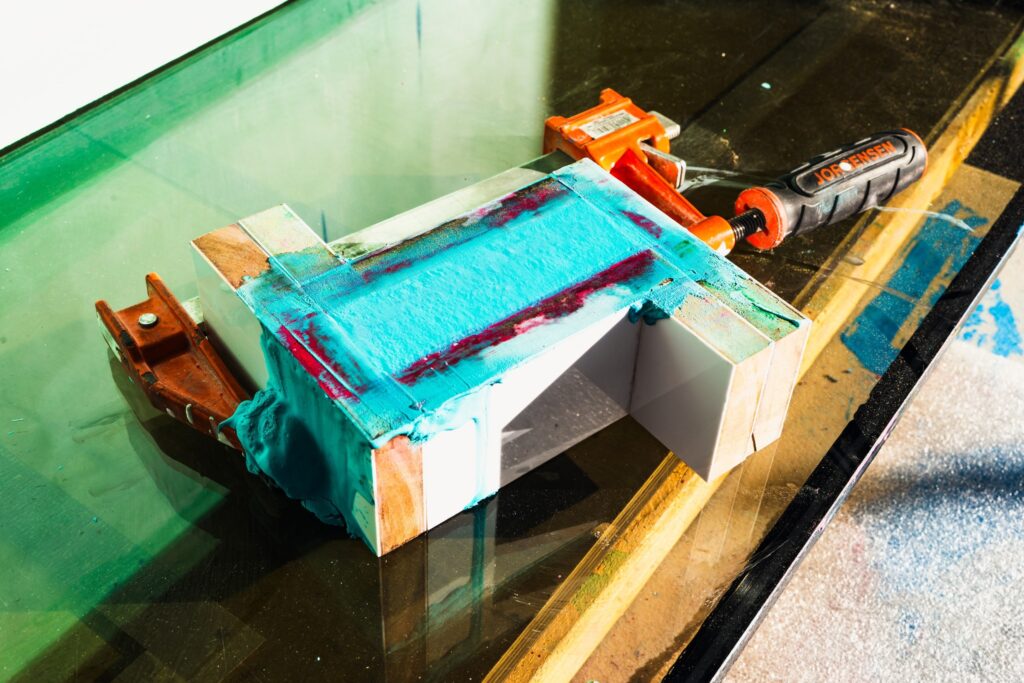
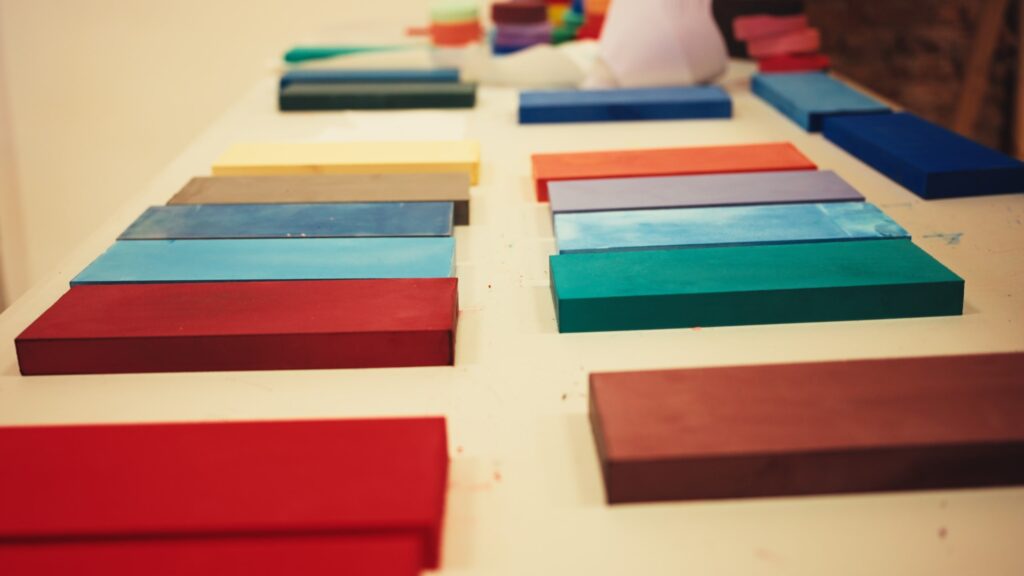
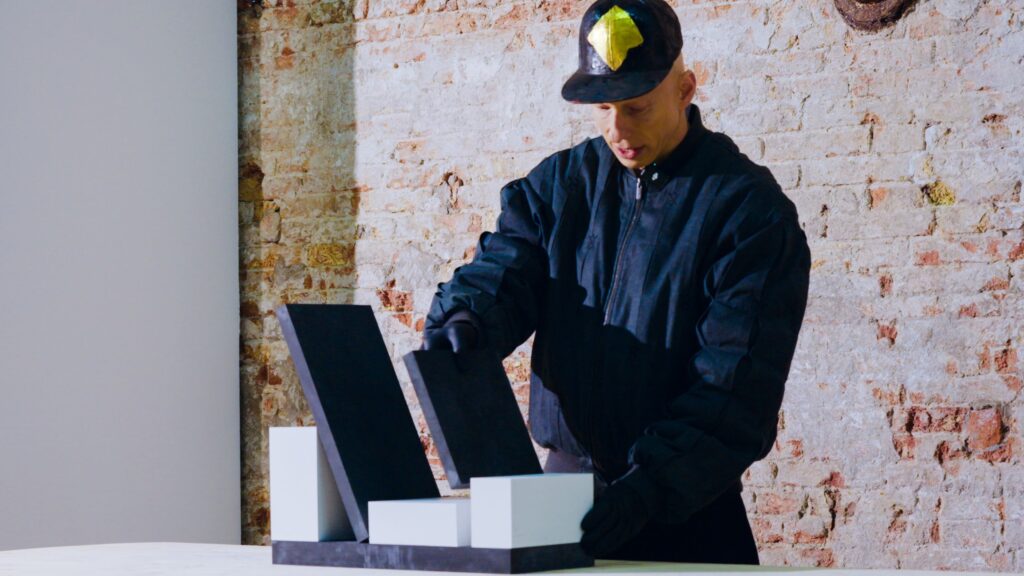
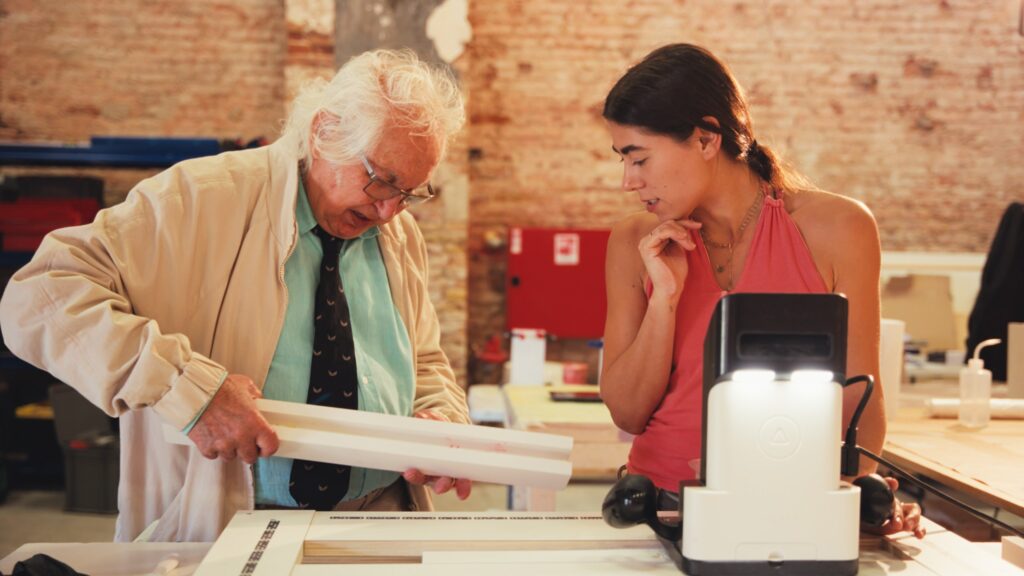
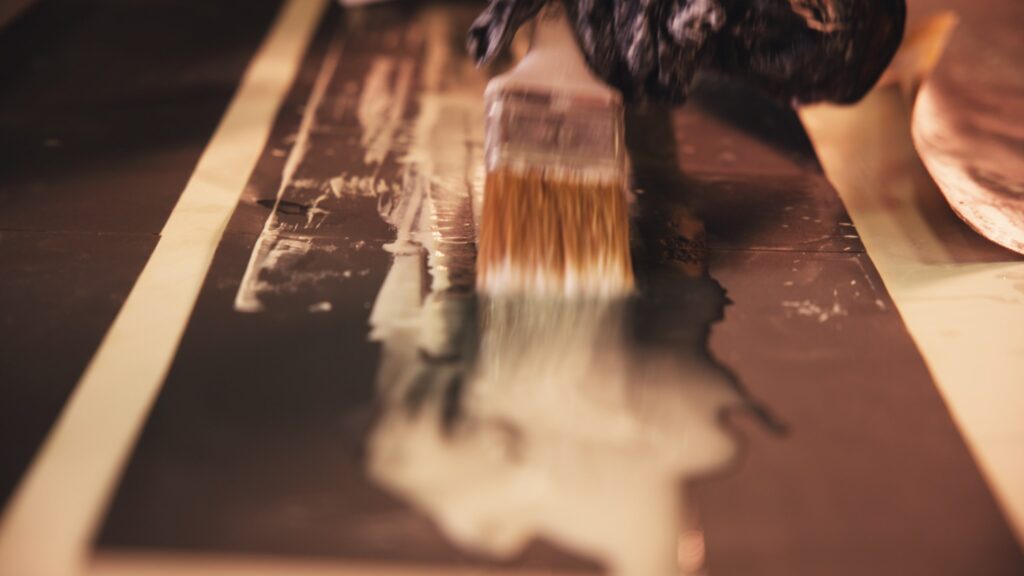
First of all, his son Aram Zadikian runs the studio. In addition, seven students of the Accademia di Belle Arti di Venezia work as his assistants. Together, they cast plaster units with the pigment mixed through the material.
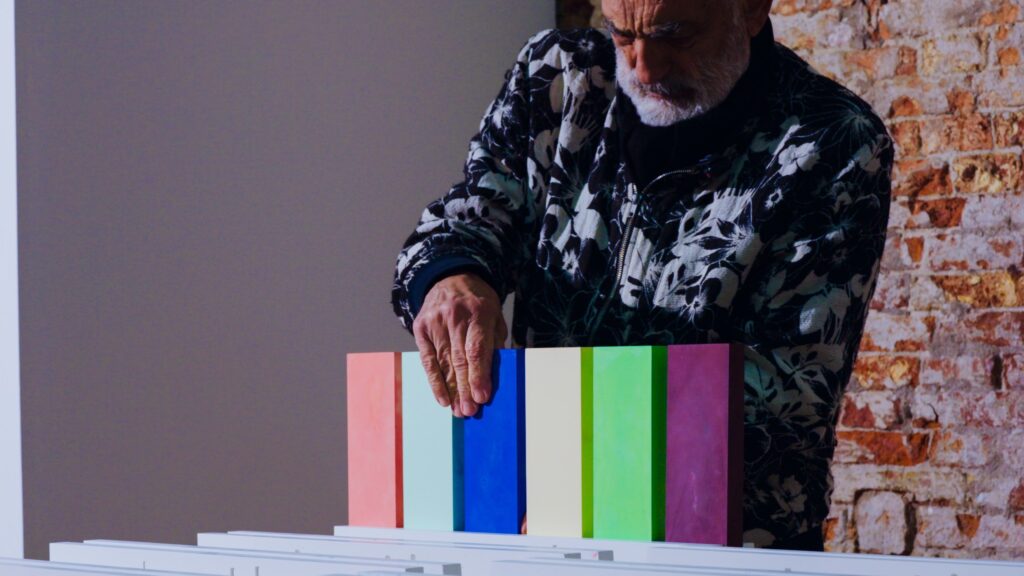
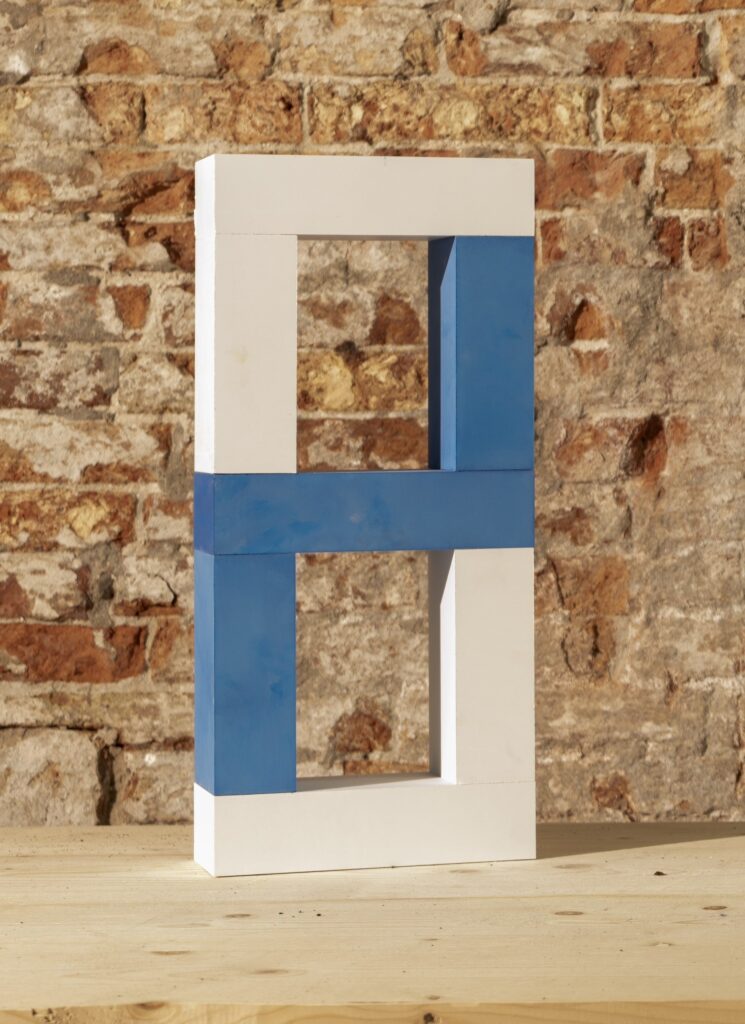
After casting, the units are stacked, taken apart and stacked again. However, they always stay separate and movable. Hundreds have been cast since May, so a visitor sees the work at whatever stage it has reached that day: plaster poured, pigment mixed, surfaces sanded, a stack rebuilt.
In other words, the gaps matter. “I leave spaces between my blocks, my units, so that they can breathe,” Zadikian says.
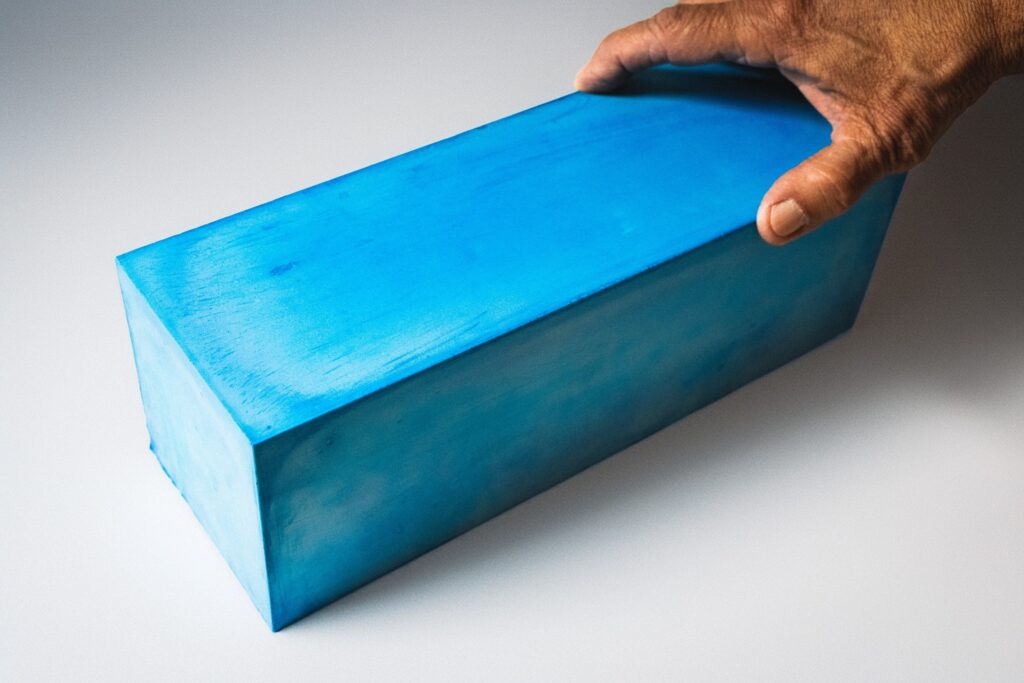
Image: Aram Zadikian
Credit: Aram Zadikian
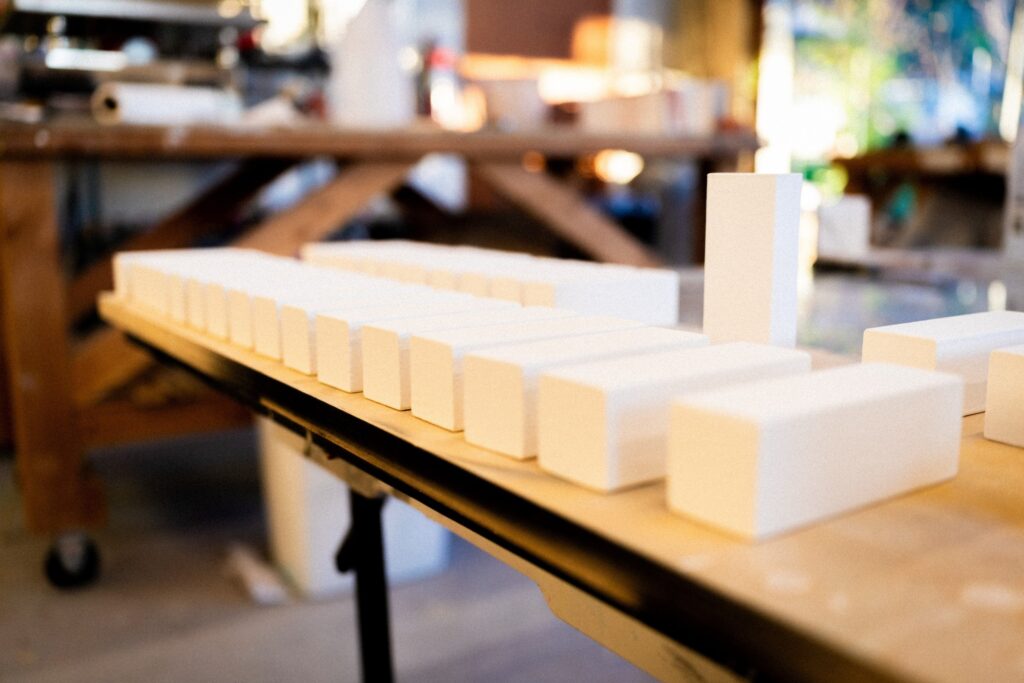
Photo: Aram Zadikian
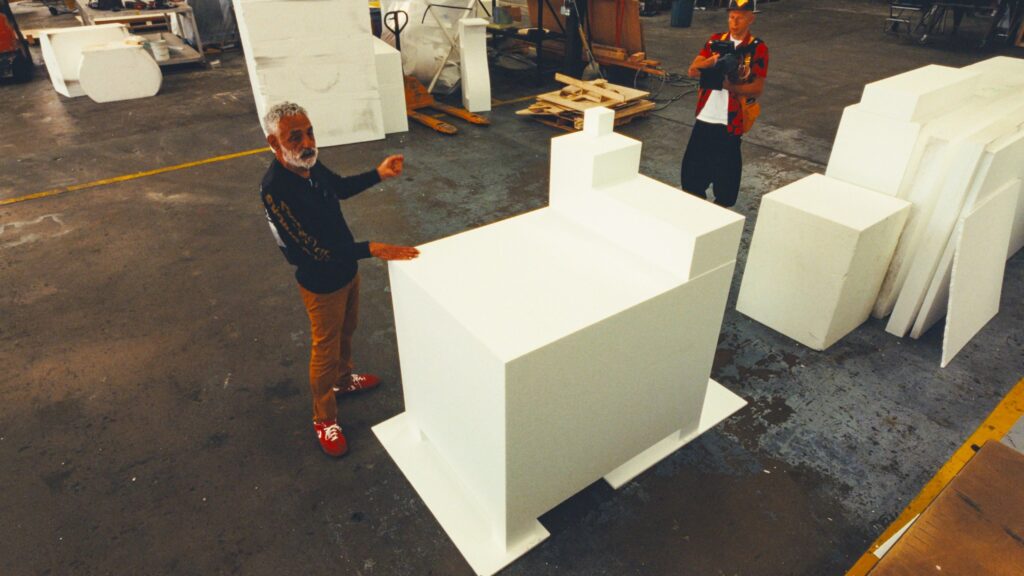
Image: Bibiana Juritz
Credit: Aram Zadikian
Works that remember other artists
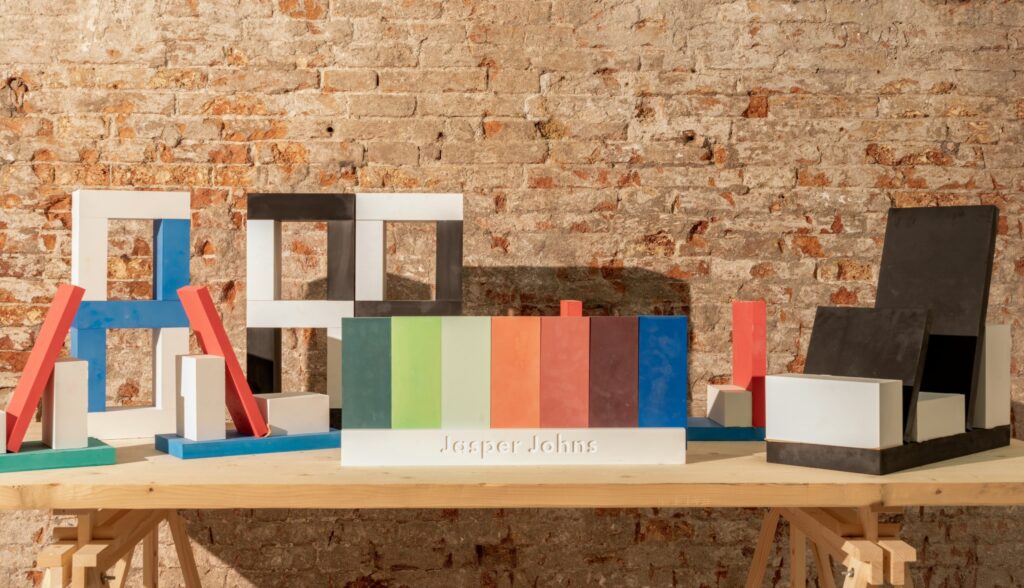
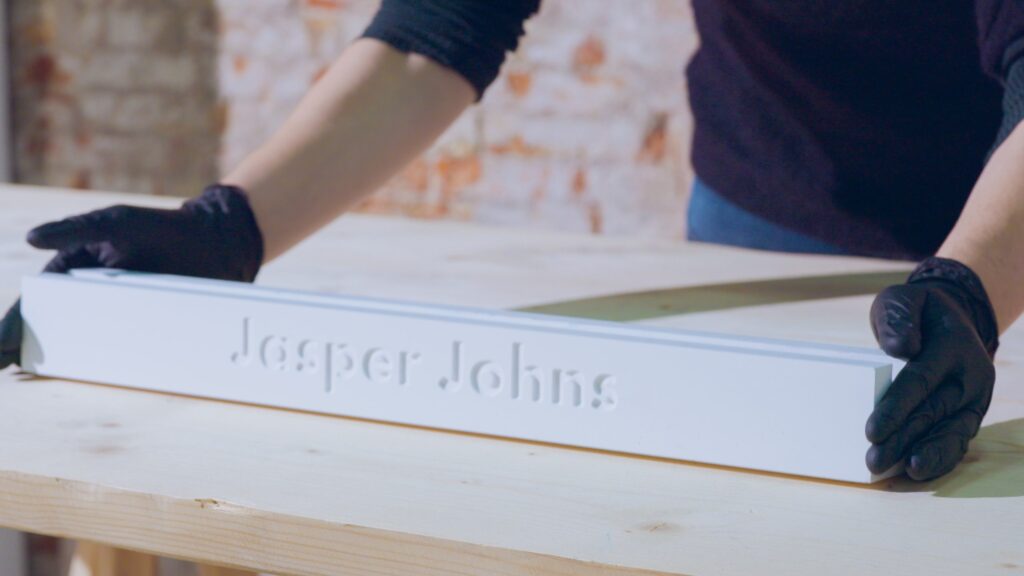
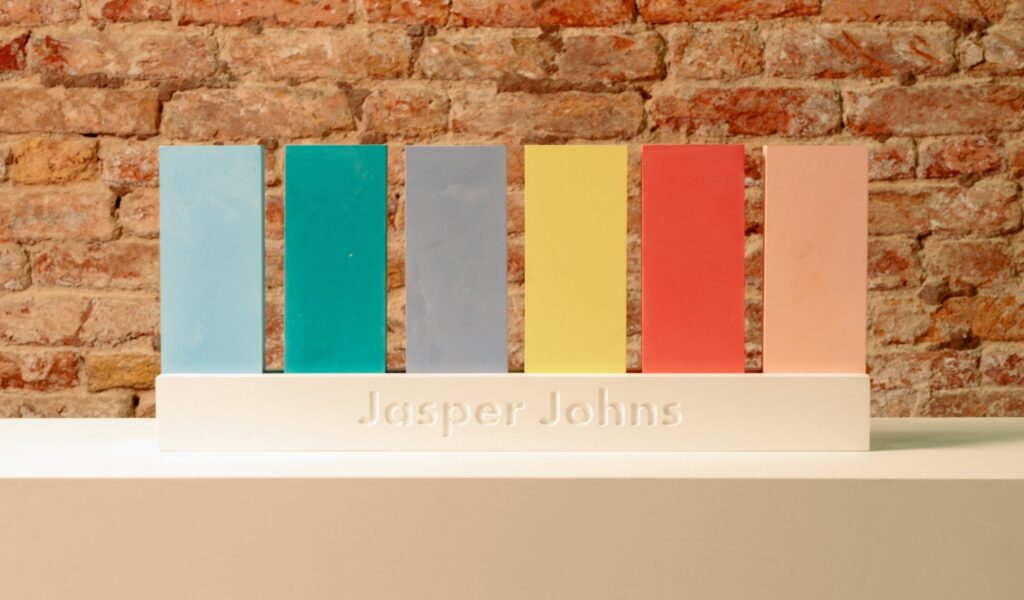
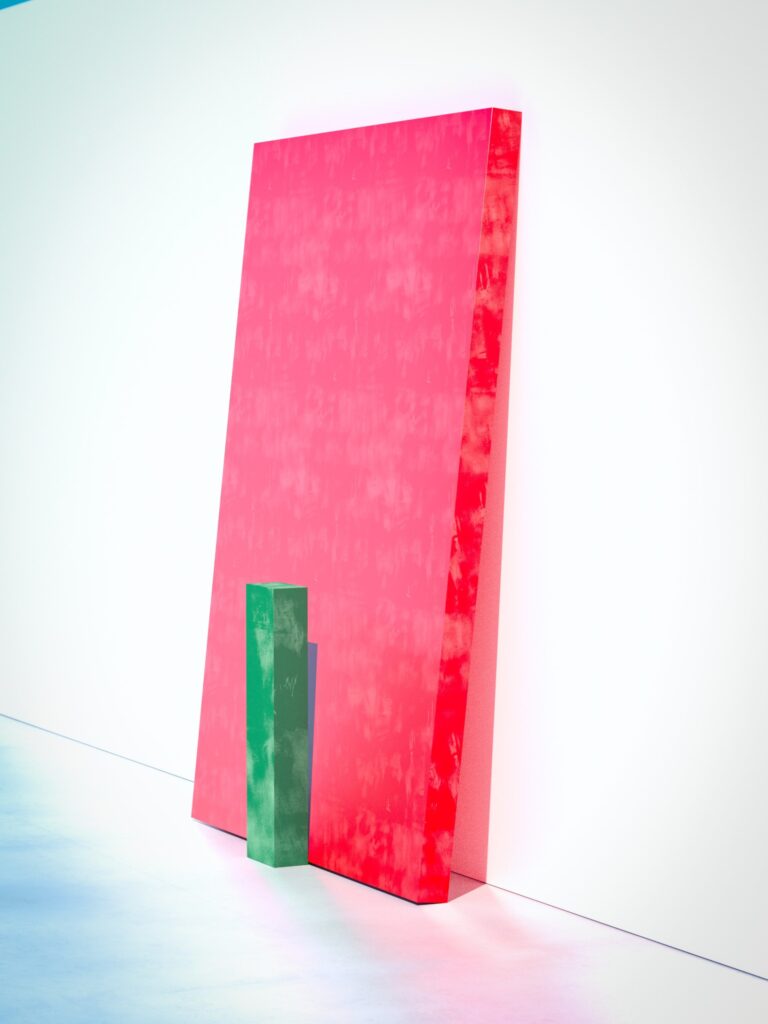
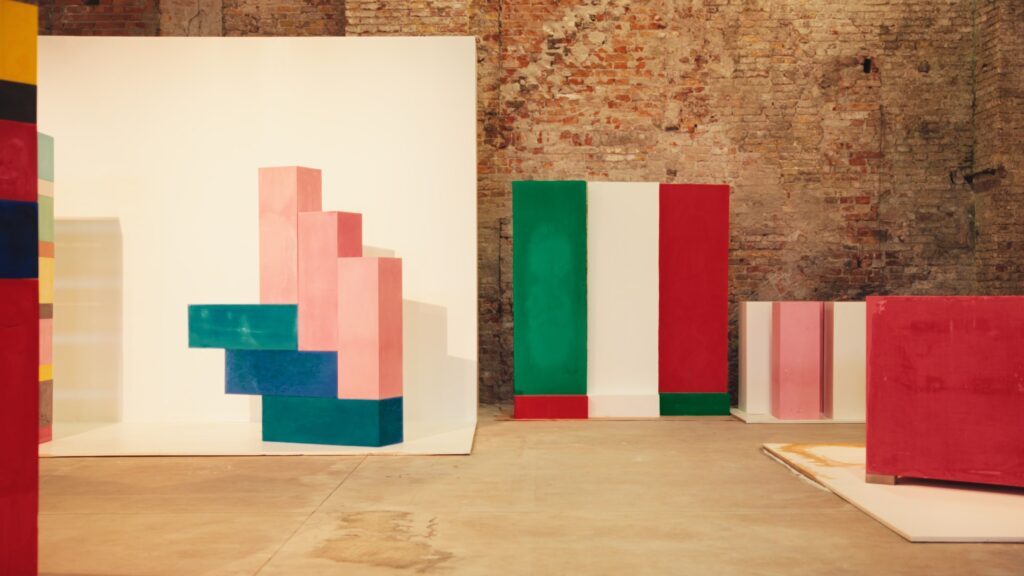
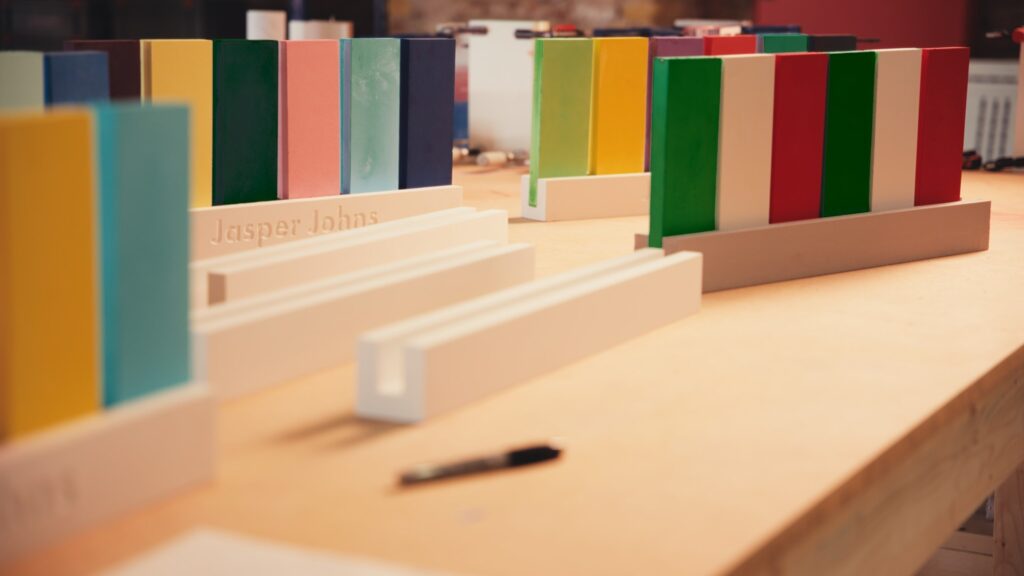
Several pieces, for example, carry dedications. Who’s Afraid of Red, Yellow, and Blue? Remembering Barnett Newman sets three coloured panels against three columns. Seven Steps to Heaven! In Memory of Robert Smithson similarly rises as a flight of plaster steps. Meanwhile, Jasper Johns – The Seven was cast and arranged panel by panel in the room.
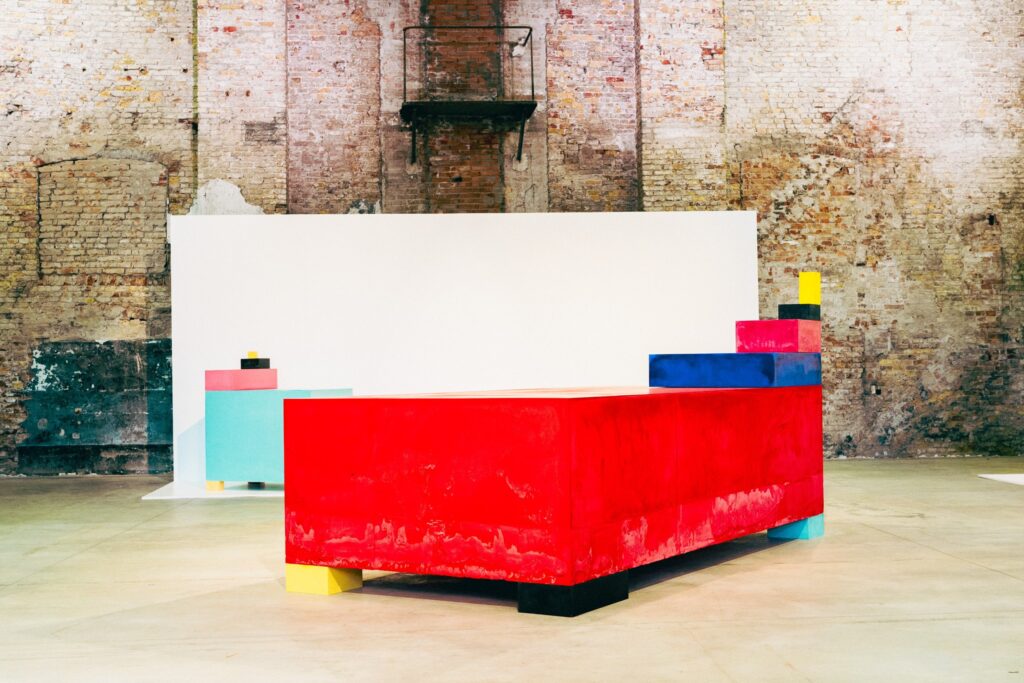
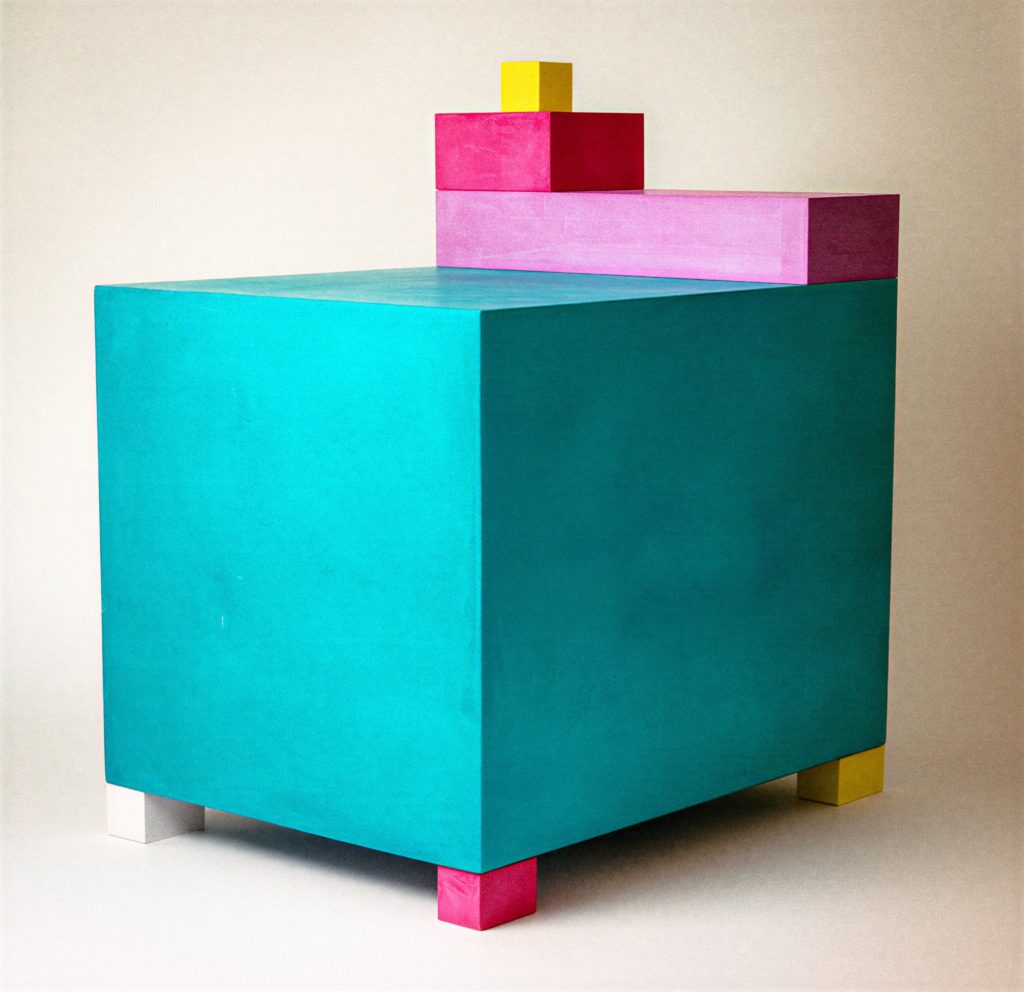
Big Red Bed Where Dreams Come True and a group of untitled blocks complete the installation. Altogether, they are made of plaster, acrylic and pure pigment, and several also use EPS foam.
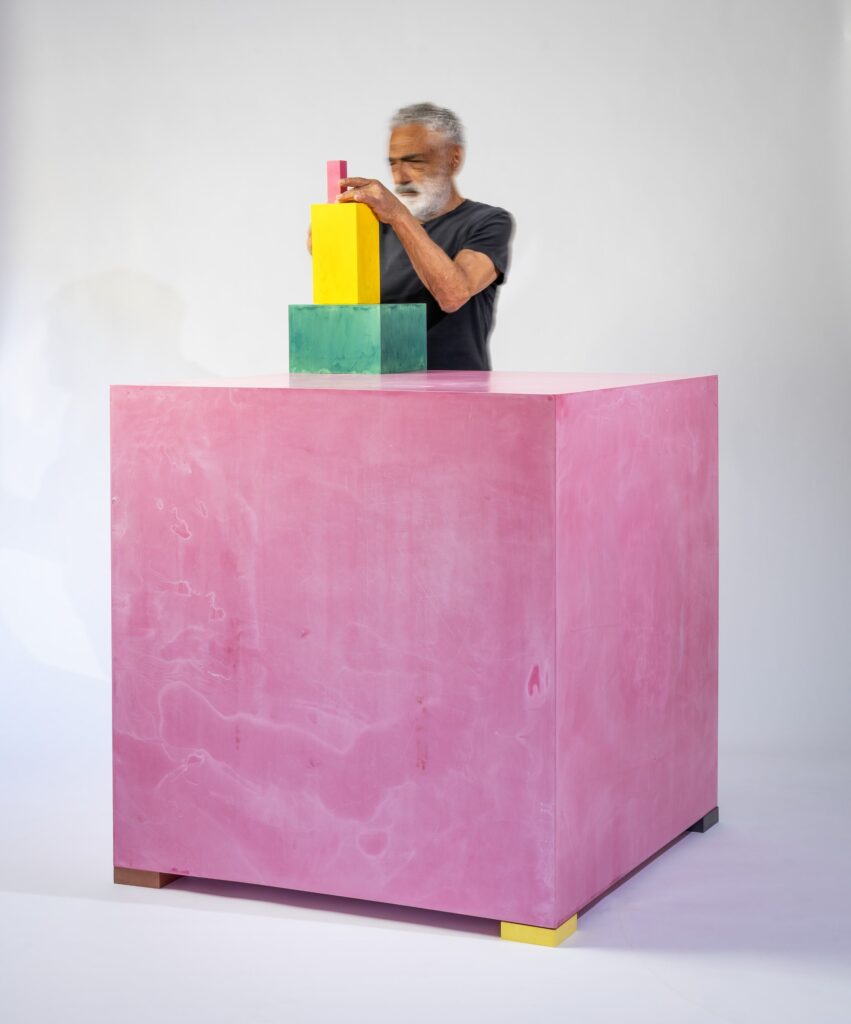
Photo: Aram Zadikian
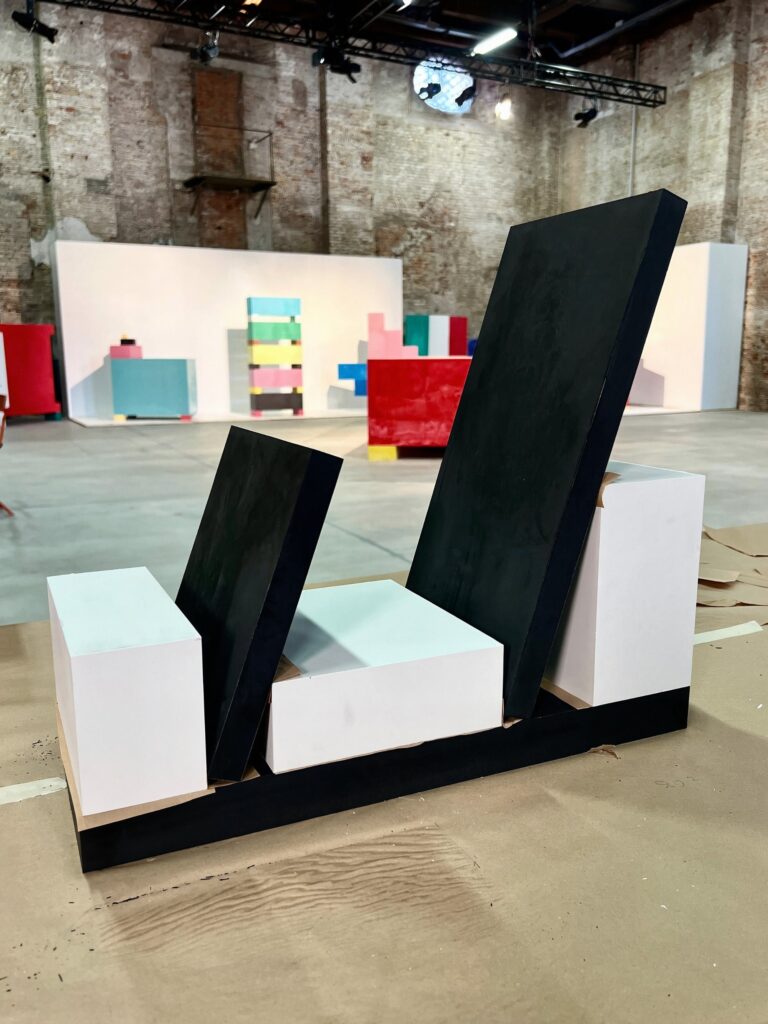
Photo: Zadik Zadikian
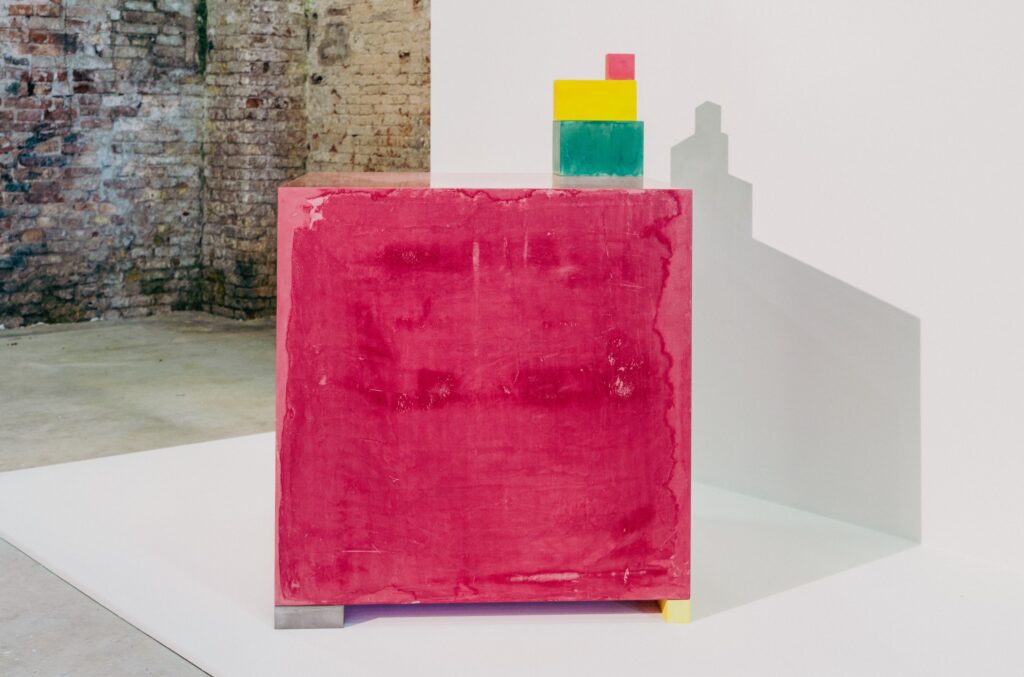
Image: Aram Zadikian
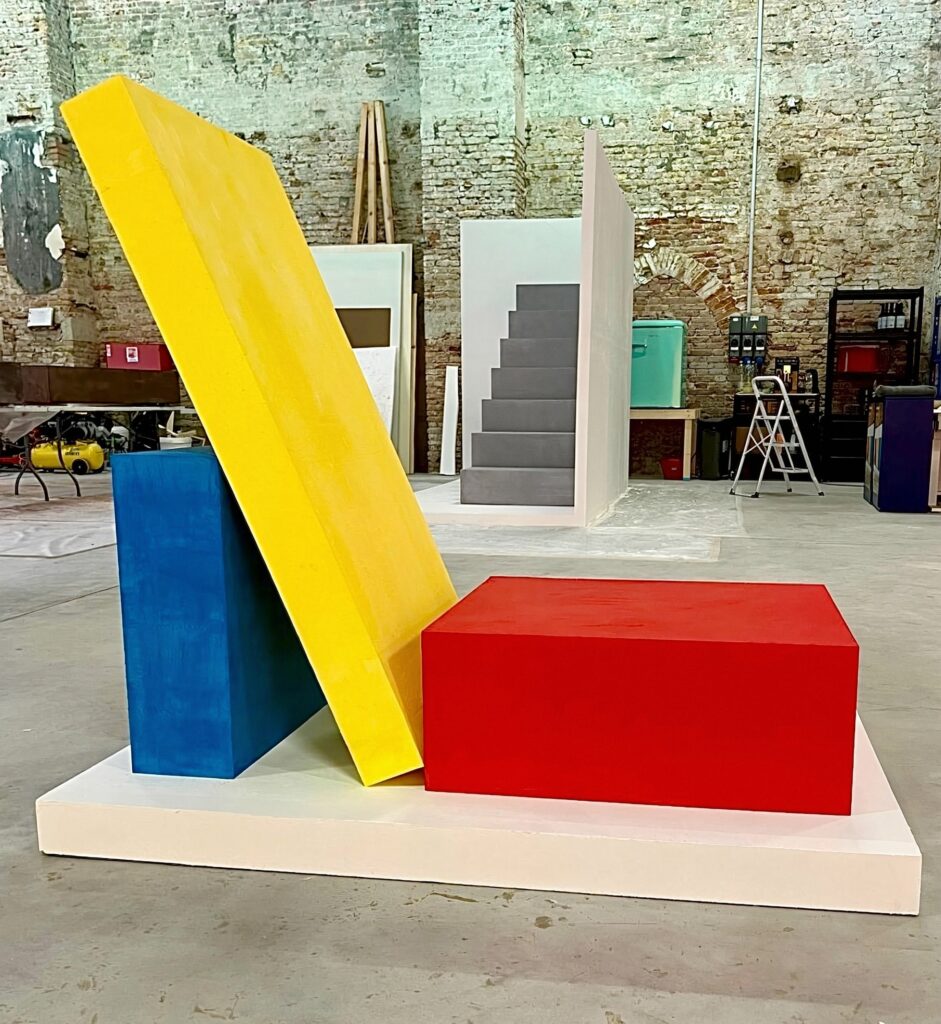
Image: Zadik Zadikian
Credit: Aram Zadikian
Credit: Aram Zadikian
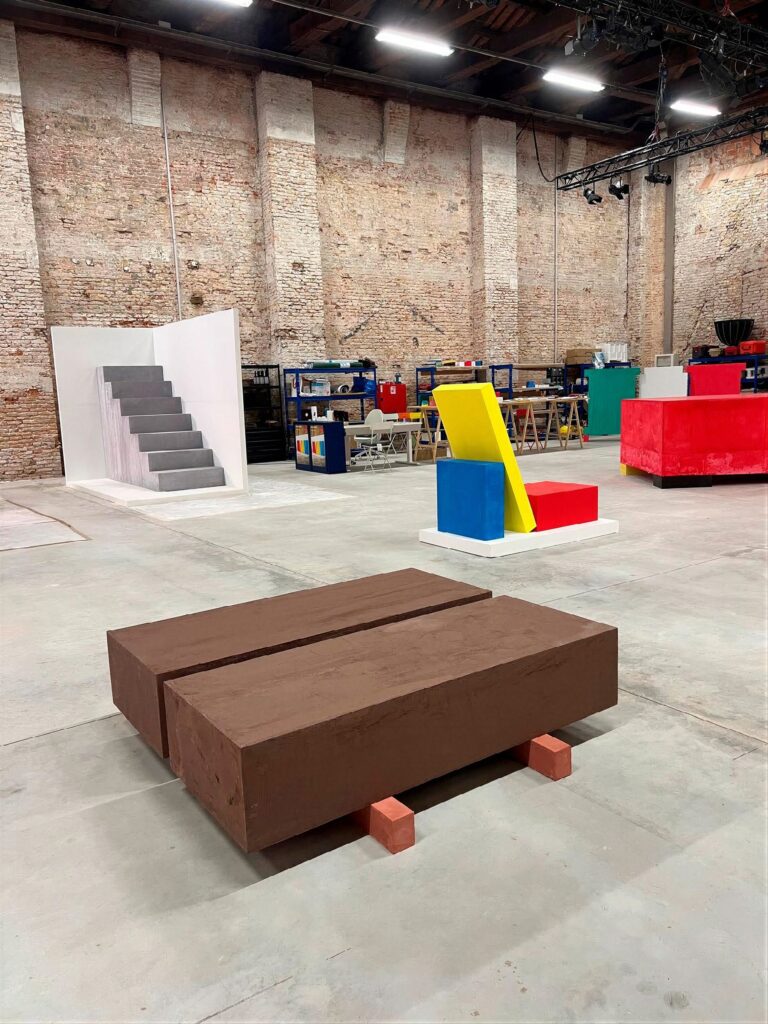
Photo: Zadik Zadikian
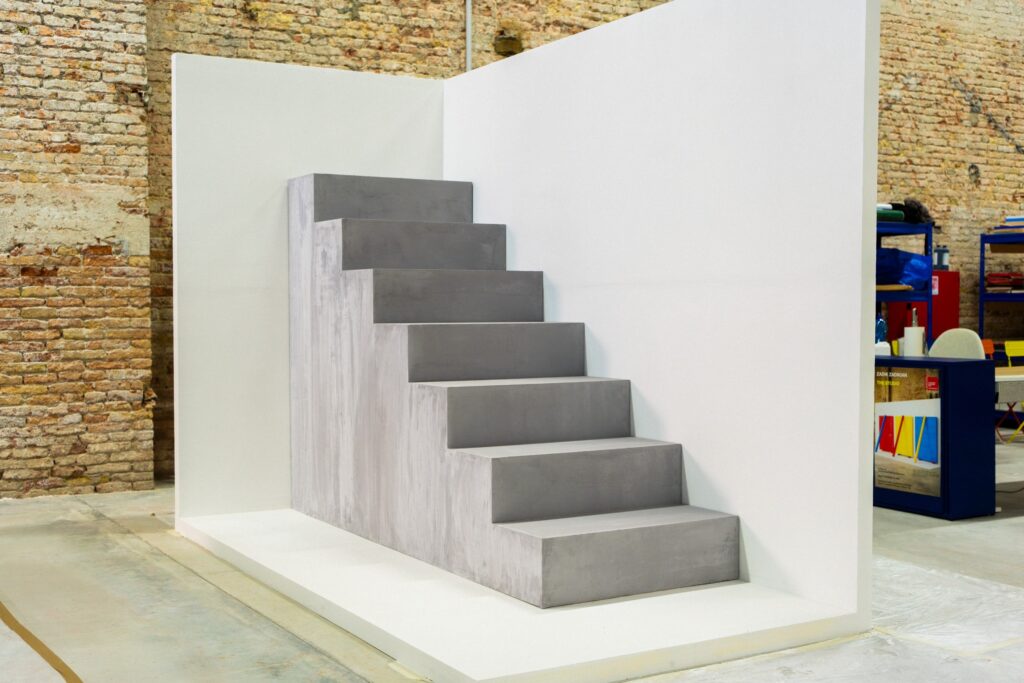
Image: Zadik Zadikian
An Italian flag made to be carried
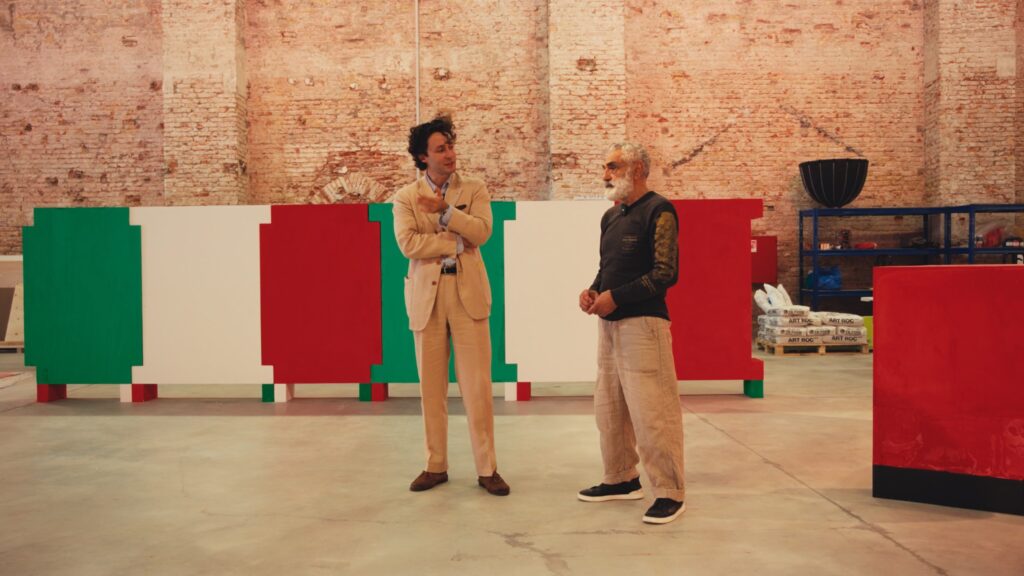
More recently, the studio also built an Italian flag in green, white and red. Like the other works, it is made from separate units that stand on their own feet and that two people can lift. Since 5 November, sections of the flag have been strapped to frames and carried on people’s backs through Venice, a city where everything is carried by hand or by boat. Then, set down side by side, they make the flag.
Credit: Aram Zadikian
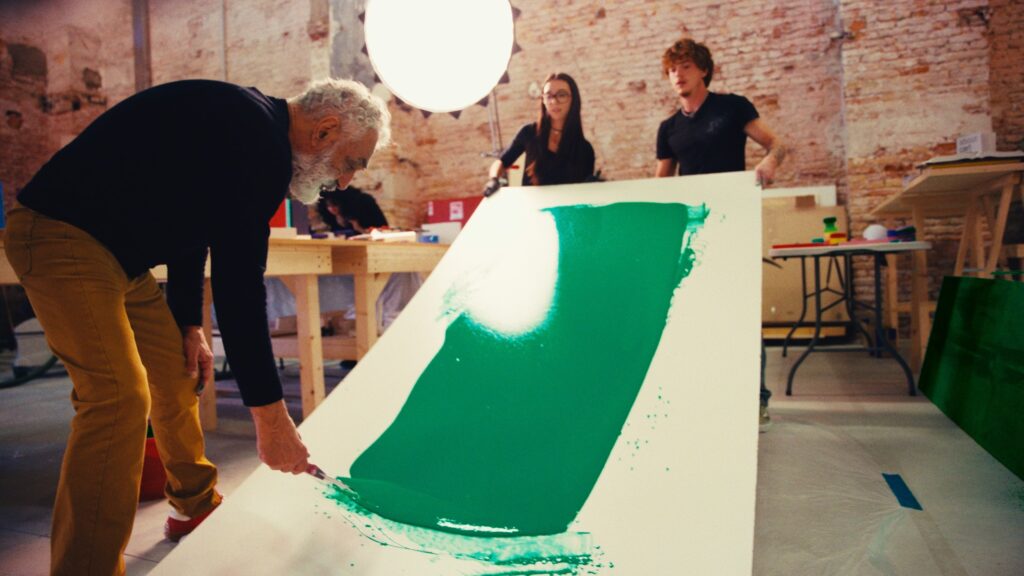
Photo: Aram Zadikian
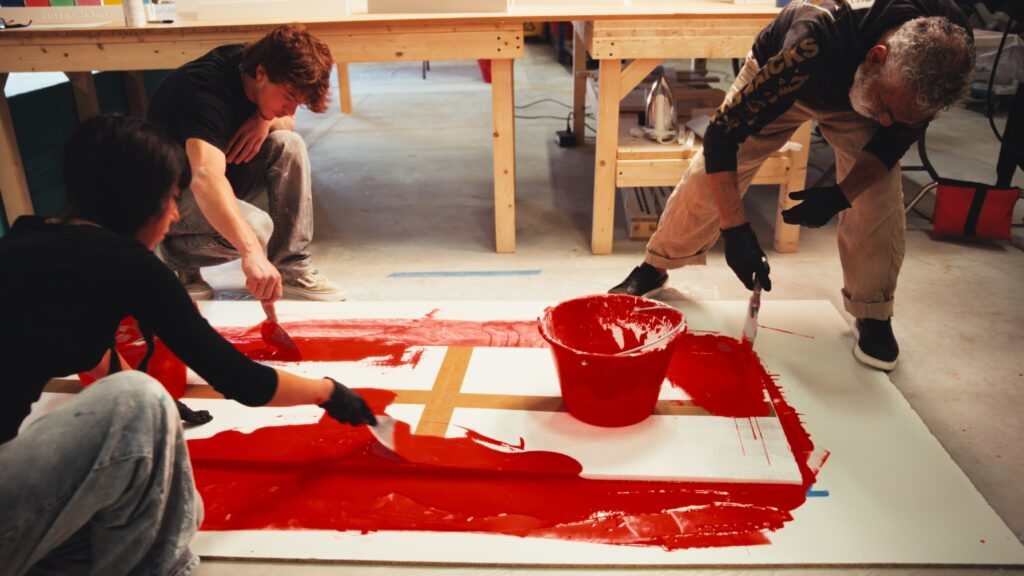
Image: Aram Zadikian
A friendship that began in Serra’s studio
In 1974 Richard Serra titled one of his first installation drawings Zadikians, after the young artist then working in his studio. Today, the drawing is in the collection of the Solomon R. Guggenheim Museum. It was in Serra’s studio, in 1973, that Zadikian met Tony Shafrazi, now the Pavilion’s curator.
Later, Zadikian went on to open both of Shafrazi’s galleries. On 31 October 1978, Gold Bricks opened Tony Shafrazi Gallery in Tehran with about a thousand gilded bricks. Sadly, after the Revolution, the bricks were stolen from storage. A year later, Zadik Zadikian: Sculptures opened Tony Shafrazi Gallery in New York.
The Venice project follows Path to Nine (2024), 999 gilded plaster ingots in eighteen stacks. At the time, that work was shown in Solid Gold at the Brooklyn Museum.
Credit: Aram Zadikian
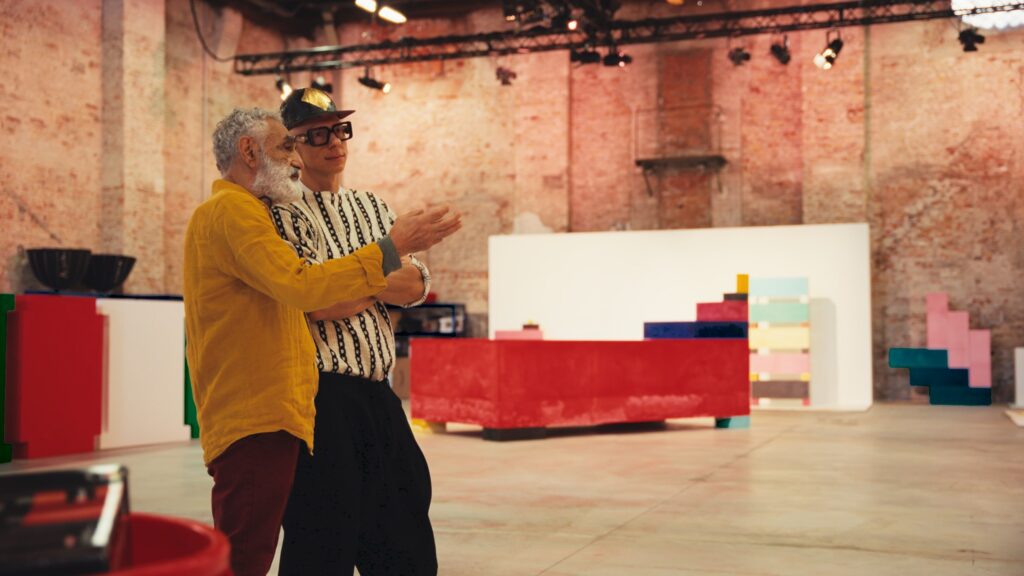
Photo: Aram Zadikian
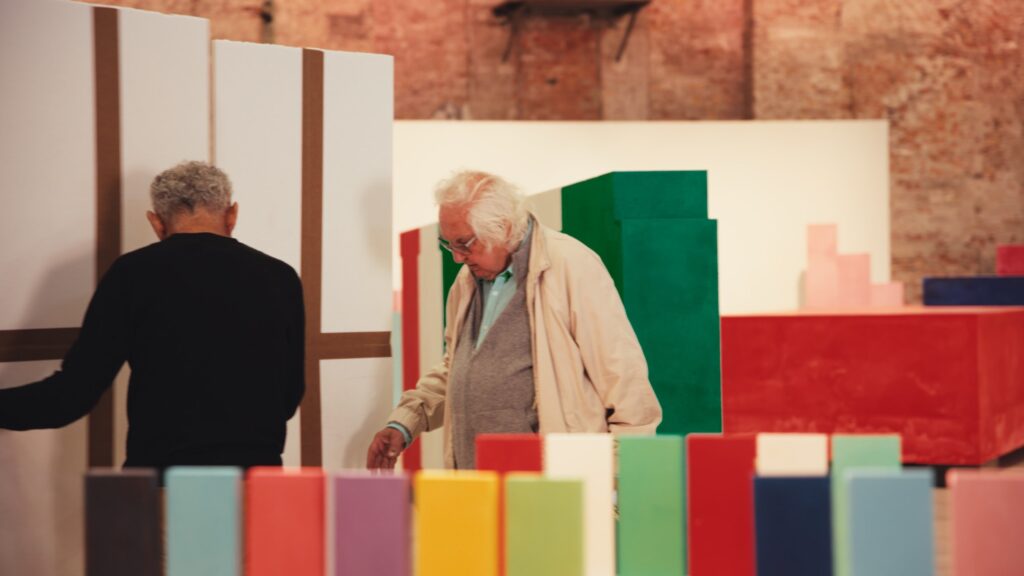
Image: Aram Zadikian
Credit: Aram Zadikian
The studio as the exhibit
In Minor Keys, the 61st International Art Exhibition, was conceived by Koyo Kouoh around listening, slowness and work made in common. In this spirit, curators Tony Shafrazi and Tina Chakarian treat the studio itself as the exhibit. Shafrazi describes it as “seeing and studying art in the making.”
Finally, the pavilion is open Tuesday to Sunday, 10:00 to 17:30, until 22 November.
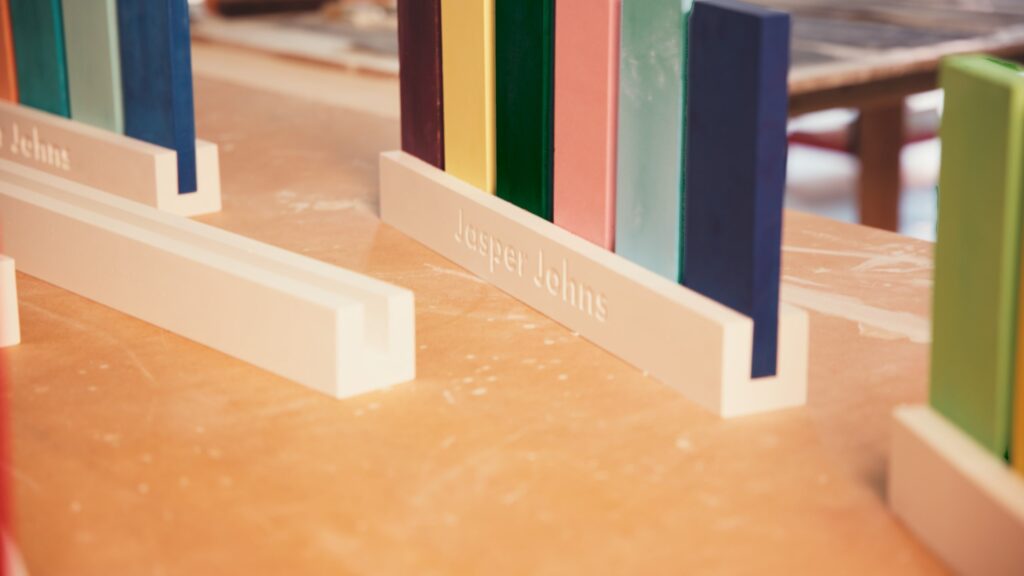
Photo: Aram Zadikian
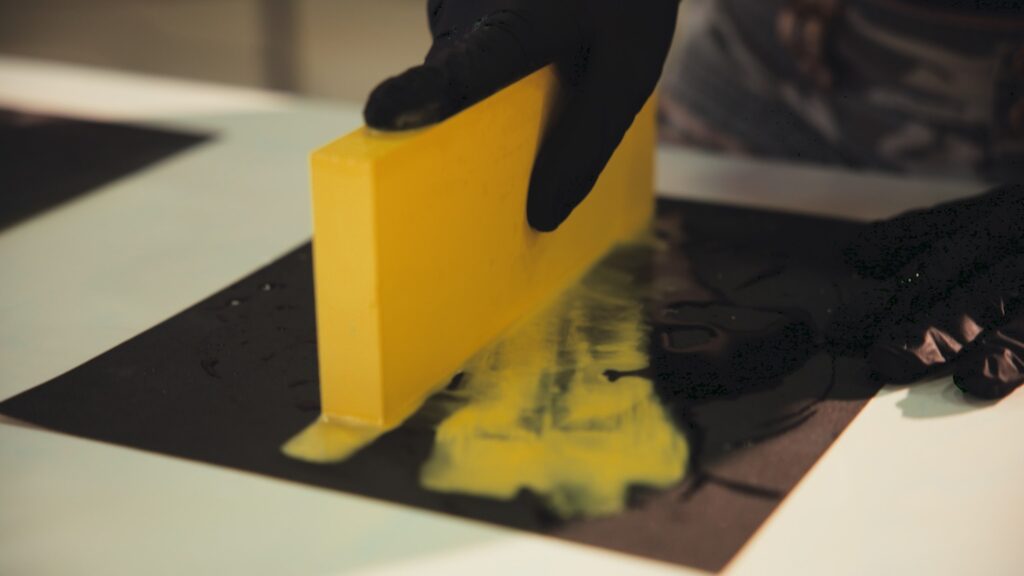
Image: Aram Zadikian
Credit: Aram Zadikian
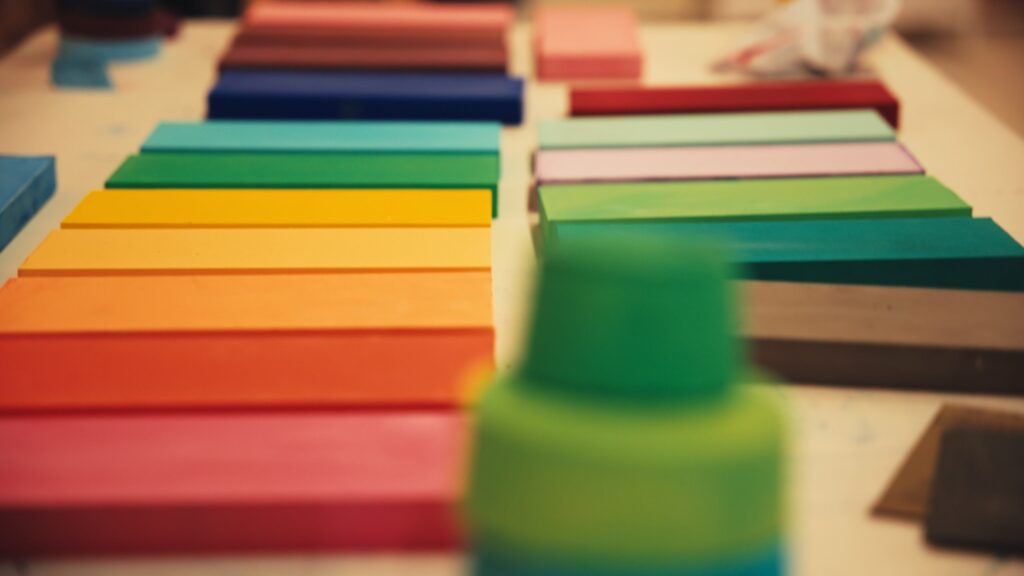
Photo: Aram Zadikian
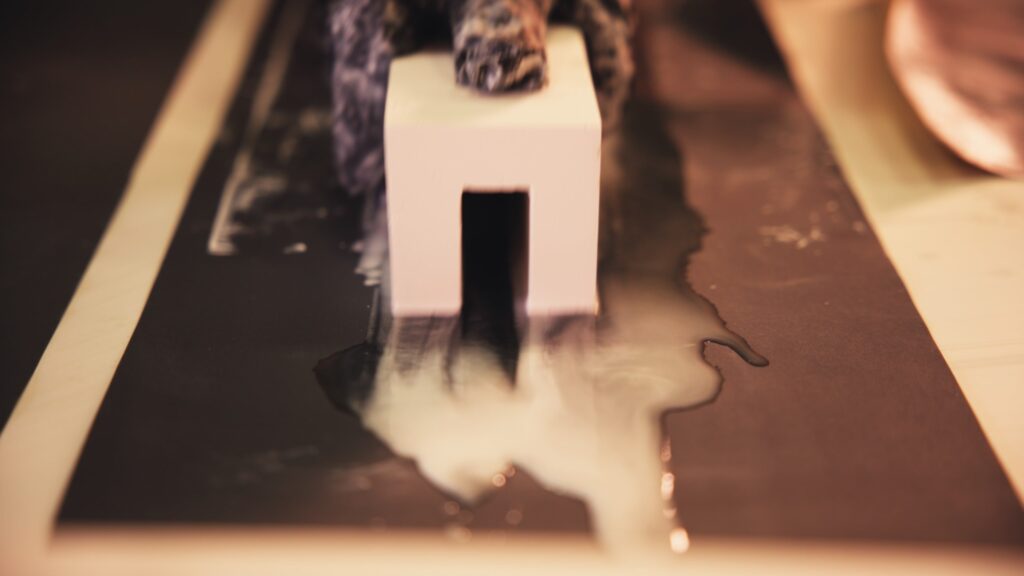
Image: Aram Zadikian
Credit: Aram Zadikian
Project Credits
Artist: Zadik Zadikian / @zadikzadikian
Exhibition: Zadik Zadikian: The Studio, Armenian Pavilion, Biennale Arte 2026
Curators: Tony Shafrazi, Tina Chakarian
Commissioner: Svetlana Sahakyan
Studio: Aram Zadikian, Director, Zadik Zadikian Studio, with seven artist’s assistants from the Accademia di Belle Arti di Venezia
Venue: Tesa 41, Arsenale Militare, Venice
Dates: 9 May – 22 November 2026
Photography: Aram Zadikian, Zadik Zadikian, Bibiana Juritz
Related Posts
Previous Post
Next Post
- OTLA terraces a forest slope into a village for retreat staff in Karnataka

- ARP studio sets a steel frame inside a 19th-century salt warehouse in Koper

- Pavillon wraps a family chalet in silver metal and old memories

- Stuart Ian Frost and Gunhild Lien raise a cylinder of spruce in an Alpine forest

- ecoLogicStudio threads a living garden through the vineyards of Canelli
- TAKK turns a bed into common ground for the Beaux Arts Ball