Now Reading: “Dream in Progress” explores the evolving architecture of travel
- 01
“Dream in Progress” explores the evolving architecture of travel

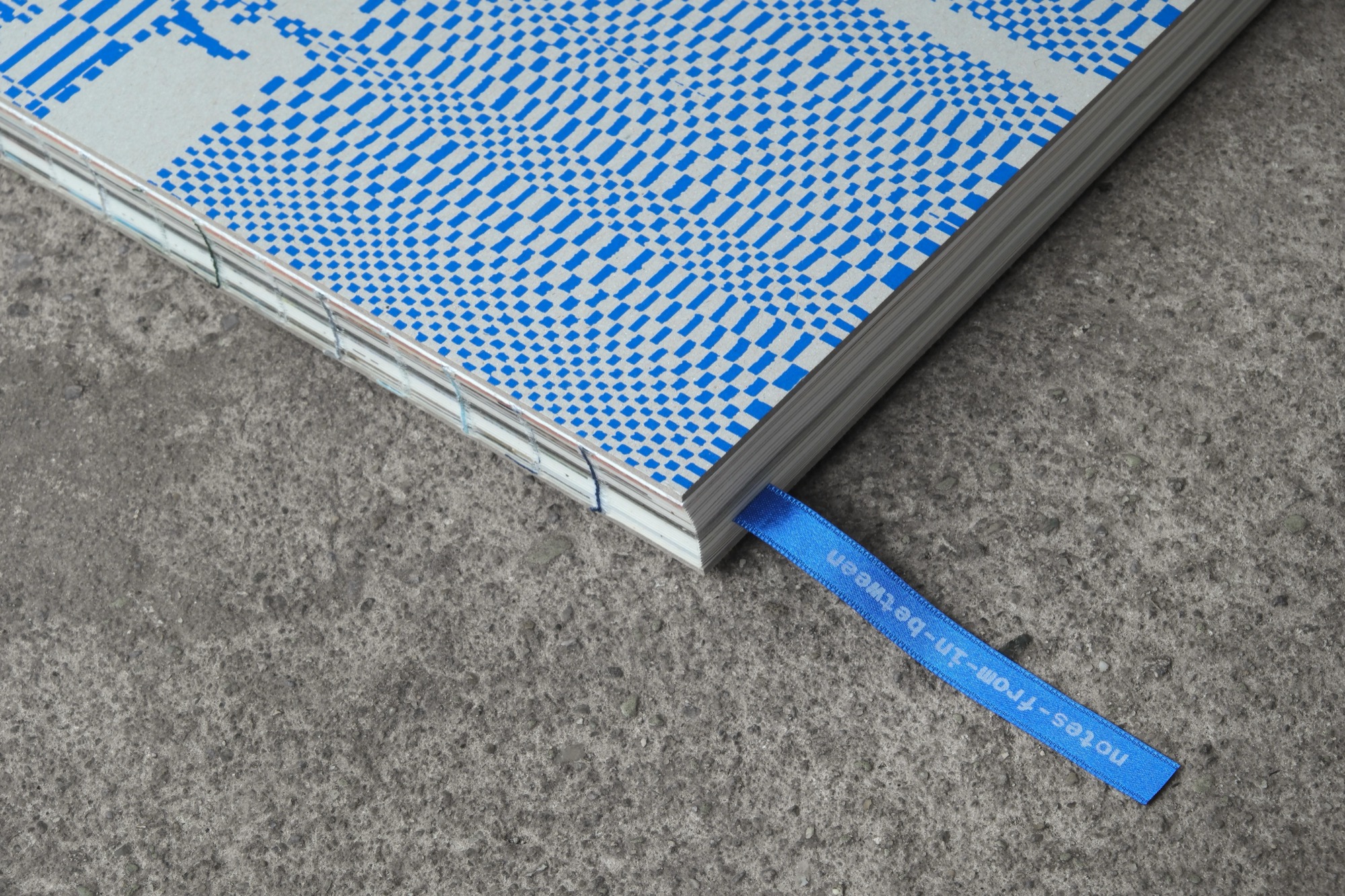

In recent years, architecture publishing has often favoured restraint. Monochrome palettes, pristine interiors and perfectly composed images dominate many volumes dedicated to contemporary design. The new book Dream in Progress, published by Urlaubsarchitektur, takes a different position. Rather than presenting finished icons, the publication explores the creative processes behind places shaped through experimentation, intuition and gradual transformation.

Developed by the platform that has curated architecturally distinctive holiday accommodation since 2007, the book gathers sixteen hotels and holiday houses across Europe. Each project reflects a moment of change. Former industrial buildings, rural structures and overlooked sites are reimagined as destinations where architecture, landscape and hospitality converge.
Among the projects featured are the cultural landmark Trevarefabrikken in the Lofoten Islands, a former fish factory transformed into a hybrid cultural and hospitality space. In Tuscany, the retreat Colle ai Lecci offers a design oriented interpretation of the rural estate. On the La Palma, the music inspired hotel The El Paso reflects the vision of a former chairman of Universal Music Group. Meanwhile, Fowlescombe Farm in Dartmoor reinterprets agricultural heritage through a contemporary hospitality programme.


Across 210 pages, the book presents these projects not as polished outcomes but as evolving environments shaped through dialogue between architecture, context and human use. The editorial approach emphasises transformation rather than completion. Buildings that once served as farms, factories or modest dwellings become places of retreat and reflection, demonstrating how architecture can unlock unexpected narratives when designers embrace uncertainty and experimentation.


The visual structure of the publication mirrors this philosophy. Rather than following a strict linear sequence, readers are invited to navigate the book intuitively. Colour, imagery and graphic rhythm encourage movement between projects, creating a layered reading experience that echoes the exploratory nature of travel itself. The result is a publication that treats architecture not as a static object but as an ongoing process.

Photo credit: Volker Warning

Photo credit: Volker Warning
The project was developed in collaboration with the German artist Jana Gunstheimer. Her screen print Lost in Transformation accompanies the book as a limited edition artwork measuring seventy by fifty centimetres. Produced through traditional screen printing in Berlin, the piece also informs the book’s visual identity. Elements of the artwork appear across eight different embossed and screen printed cover versions, transforming each copy into a subtle variation of the same concept.
This dialogue between editorial design and artistic practice expands the format of the conventional architecture monograph. The publication becomes a collaborative object in its own right, shaped through the interaction between curators, designers and artist. In this sense, the book embodies the same idea it documents. Architecture, like travel, remains a work in progress.

Building on the earlier titles produced by Urlaubsarchitektur, which have long focused on architecturally distinctive holiday destinations, Dream in Progress shifts the emphasis toward optimism and creative courage. At a moment when the hospitality industry continues to rethink the relationship between landscape, culture and experience, the book proposes a broader reflection on how architecture can transform places and the way we inhabit them.

Publication Credit
Title: Dream in Progress
Publisher: URLAUBSARCHITEKTUR / @urlaubsarchitektur
Release Date: 15.12.2025
Language: English
Cover: Book detail with visible stitching / Photo credit: Volker Warning
More Photos

Meraki Studios (GR) by Sigurd Larsen. Photo credit: Leo Jaerisch aka ZOLEO 
Colle ai Lecci (IT) by Nina Mair & Ana Turcan. Photo credit: Ana Turcan Die Scheune (DE) by Stephanie Thatenhorst. Photo credit: Kerstin Weidemeyer 
Ebenrieder (DE) by Stephanie Thatenhorst. Photo credit: Daniel Schäfer Fowlescombe Farm(UK) by Paul Glade, Harry Gugger, Ryan Cook. Photo credit: Jon Tonks Kuća Skala (HR) by Boris Kajmak. Photo credit: Tom de Gay Kuća Skala (HR) by Boris Kajmak. Photo credit: Tom de Gay 
Meraki Studios (GR) by Sigurd Larsen. Photo credit: Zoamee-Mathie Knoche aka ZOLEO Meraki Studios (GR) by Sigurd Larsen. Photo credit: Leo Jaerisch aka ZOLEO The El Paso (ES) by ambits. Photo credit: Francisco Soares Trevarefabrikken (NO) by Tuckey Design Studio. Photo credit: Andrea Gjestvang 
Clay workshop by CLAYA at Colle ai Lecci. Photo credit: Luis Casanova Sorolla 
Clay workshop by CLAYA at Colle ai Lecci. Photo credit: Luis Casanova Sorolla Ebenrieder (DE) by Stephanie Thatenhorst. Photo credit: Daniel Schäfer Johannes Neun (DE) by Sandra Glados. Photo credit: Katrin Kaiser La Ferme de Brouage (FR) by lsl architects. Photo credit: Antoine Leveque La Ferme de Brouage (FR) by lsl architects. Photo credit: Antoine Leveque


About URLAUBSARCHITEKTUR
URLAUBSARCHITEKTUR // HOLIDAYARCHITECTURE is a curated platform founded in 2007 that showcases architecturally distinguished holiday homes across Europe and beyond. Created by architects for design enthusiasts and professionals, it features carefully selected retreats ranging from minimalist fincas to alpine cabins and tree hotels, all defined by strong spatial concepts, architectural quality, and a deep connection to place.