
Now Reading: Circular by design: Inside a pavilion rebuilt from what was already there
- 01
Circular by design: Inside a pavilion rebuilt from what was already there


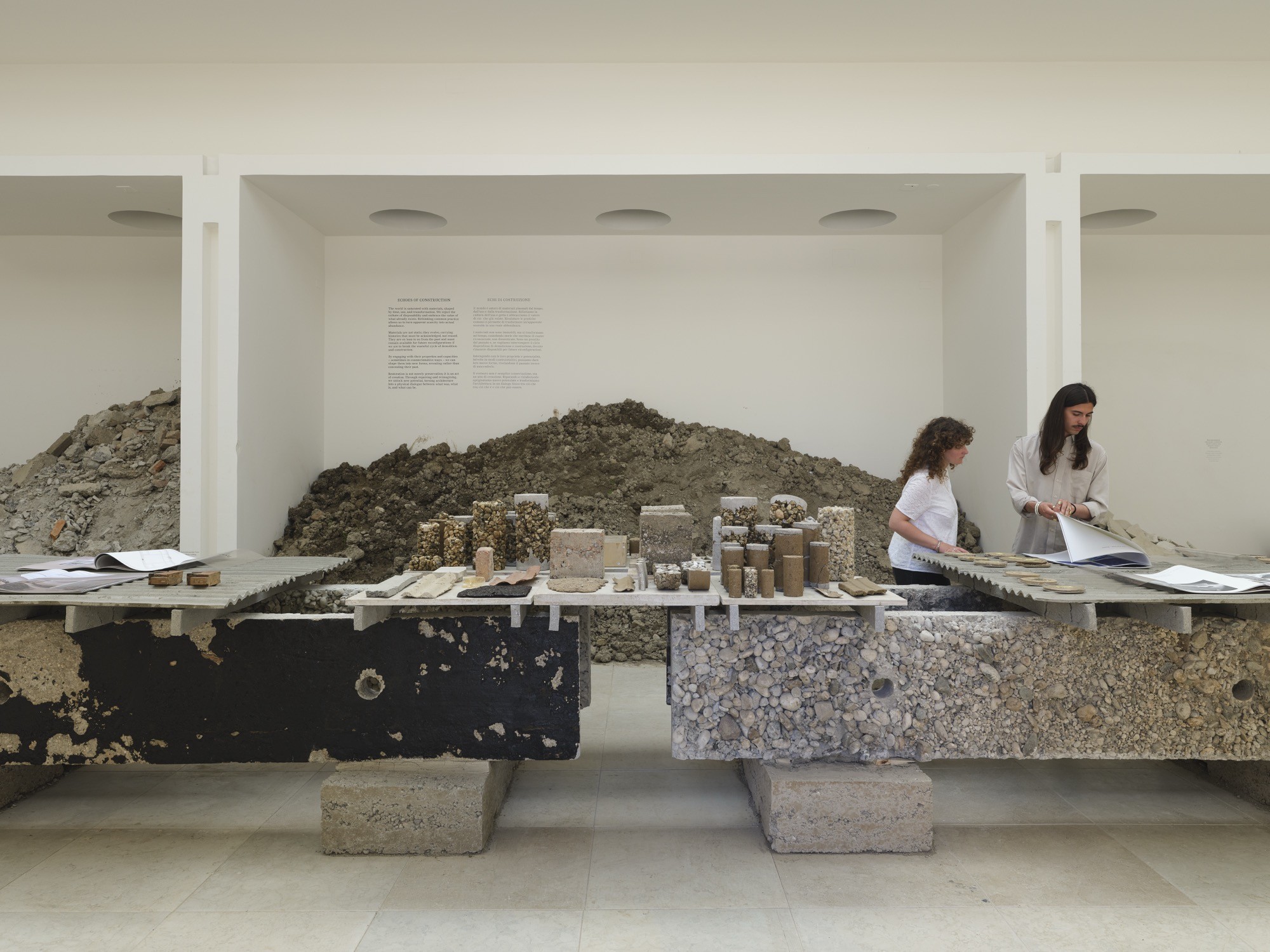
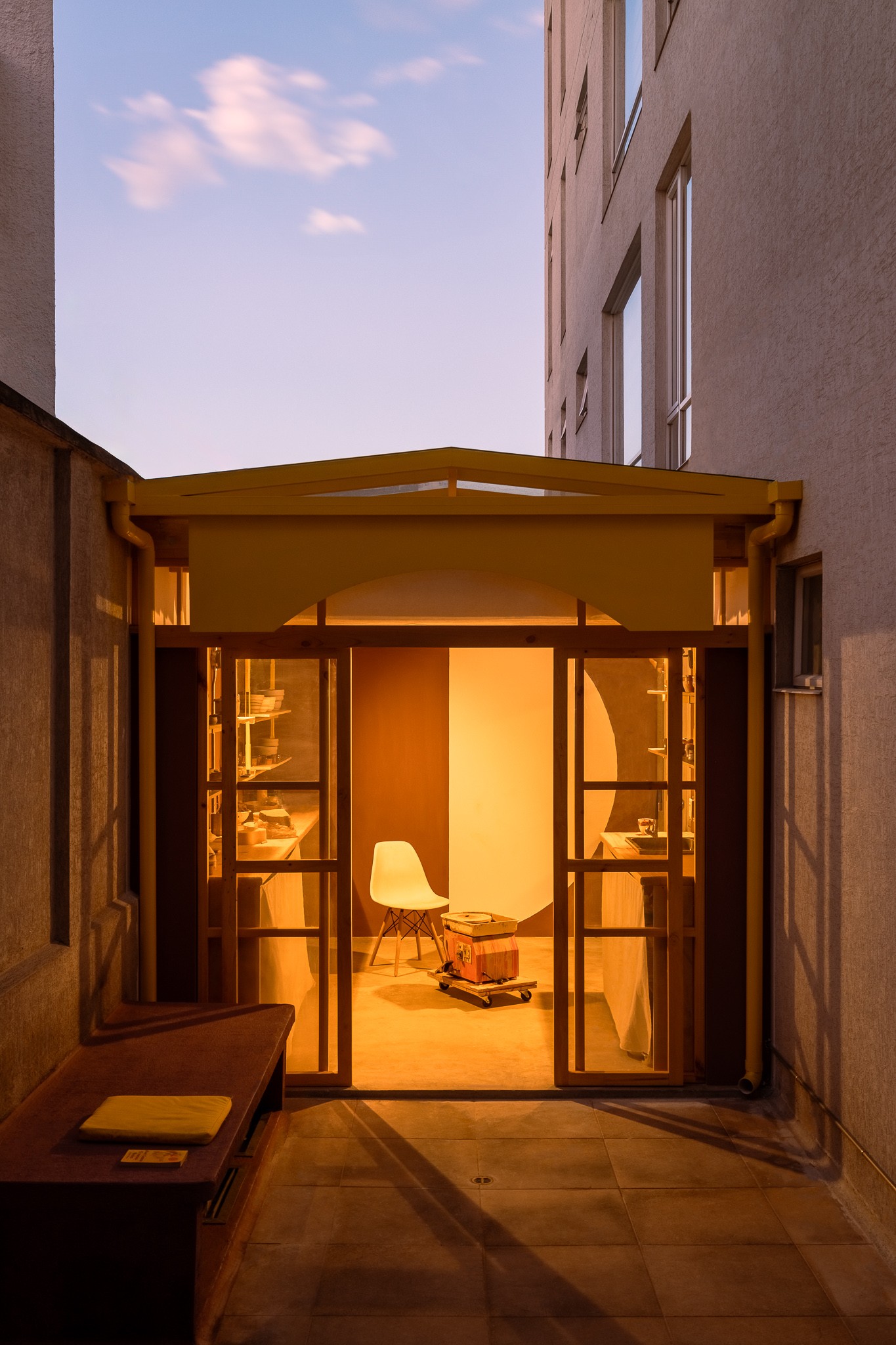
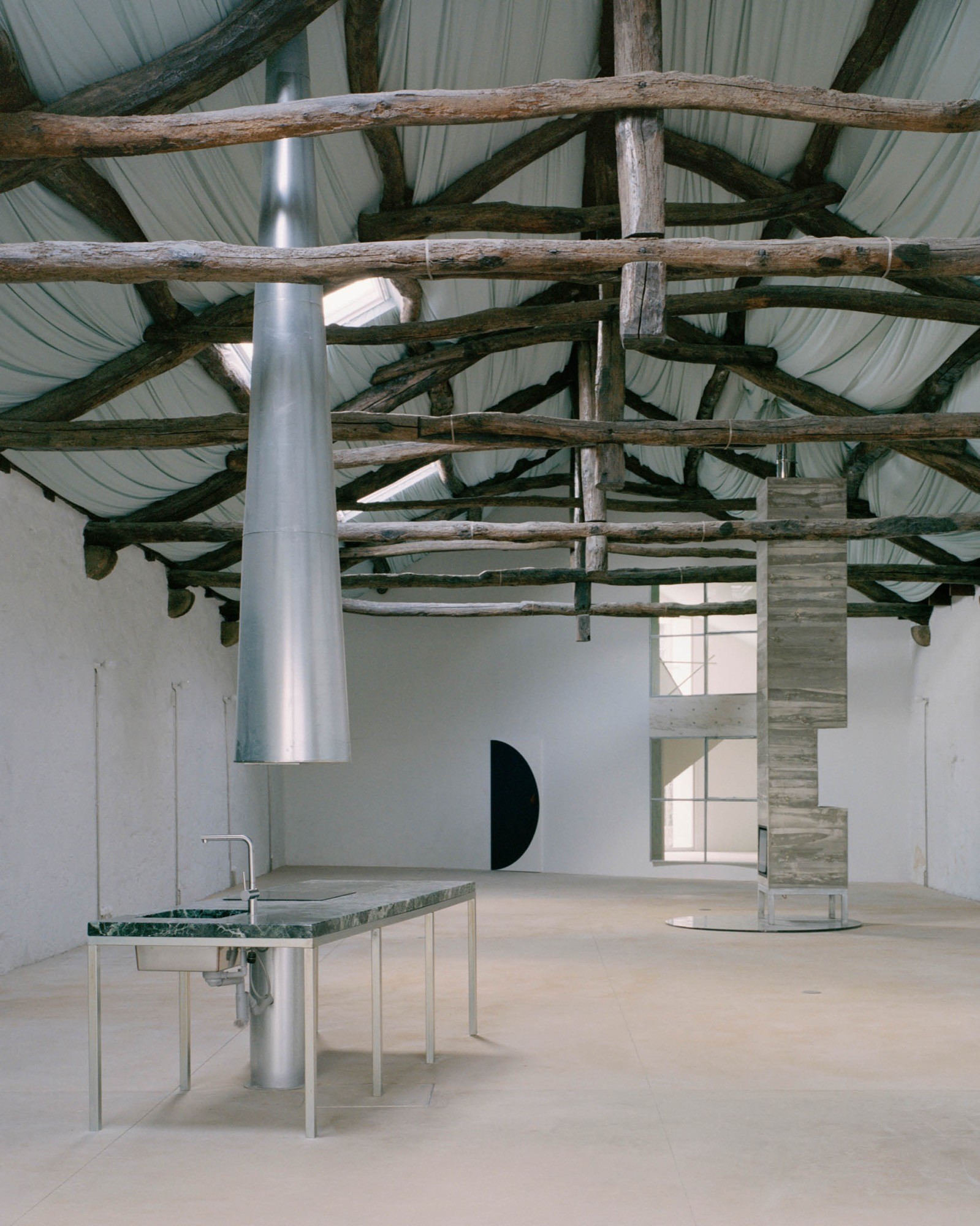
At the Venice Architecture Biennale, Build of Site proposes a different kind of spectacle: one where architecture is not installed, but repaired. Rather than constructing a new exhibition within the Danish Pavilion, the project makes the pavilion’s own renovation the main event, transforming an overdue upgrade into a public, walk-through argument for reuse.

Affected by flooding, ageing infrastructure, and long-standing indoor climate issues, the pavilion becomes both subject and site. Visitors do not enter a pristine gallery. They enter a building mid-process, where change is visible, materials are handled with care, and the limits of “finish” are deliberately postponed.


Renovation began in December 2024 and is scheduled to conclude after the 2025 Architecture Biennale, positioning the pavilion in a rare, extended state of becoming. During the exhibition period it operates as a hybrid: part construction site, part exhibition space. This condition shifts attention away from the final image of architecture and toward its actual lifecycle, revealing the labour, decisions, and negotiations that typically stay backstage.

Rather than hiding the messiness of transformation, Build of Site frames it as a form of knowledge. The pavilion does not simply host an exhibition about sustainability. It enacts sustainability through the way it is being altered, tested, and reassembled. Central to the project is a strict refusal to treat demolition and surplus as waste. Materials uncovered during renovation, including wood, limestone, concrete, and soil, are studied and repurposed as the primary palette for new elements within the pavilion. The approach is investigative as much as it is practical, asking what these materials can still do, what performance they can offer, and how far their second life can be pushed without falling into symbolism.


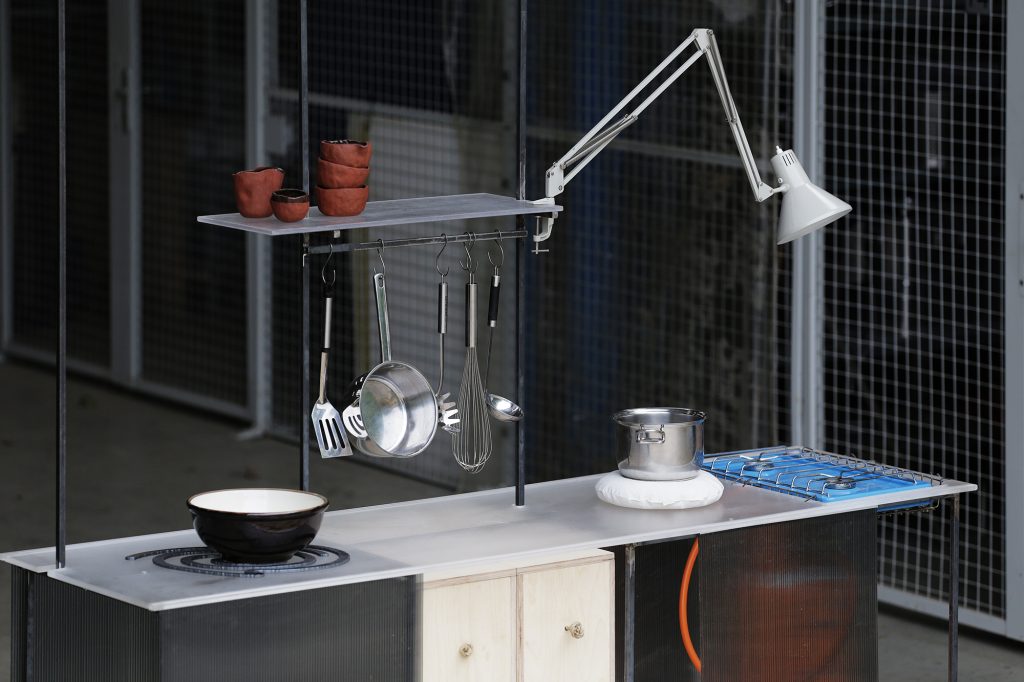
One of the project’s most striking gestures is its willingness to experiment with unconventional recipes, such as combining gelatin with excavated sand to form furniture and surfaces. These techniques are not presented as gimmicks but as prototypes, insisting that reuse can be inventive, sensorial, and materially specific, rather than merely virtuous.

Build of Site also makes a case for accountability. Reuse, here, is not a romantic narrative about patina and salvage. It is a discipline that requires evidence. Non-destructive testing is used to assess the structural integrity of reclaimed materials, modelling how renovation can be both circular and rigorous. The project’s methodology is explicitly interdisciplinary, drawing on architecture, science, and technology to turn the pavilion into a live lab. A set of prototypes, studies, and films opens up the background work to the public, while a companion publication extends the conversation into questions of materiality, responsibility, and the future of renovation culture.


Build of Site ultimately argues that the most radical architectural move today may be to stop treating existing buildings as obstacles to progress. By refusing the default impulse to build anew, the project positions renovation and reuse as creative acts with their own aesthetics, tools, and intelligence.


In Venice, where so much architecture is experienced as image, the Danish Pavilion offers something more demanding and more useful: an exhibition measured in repairs, transformations, and the value of what was already there.


Project Credit
Name: Danish Pavilion
Location: Italy, Venice
Desing Firm: pihlmann architects / @pihlmann
Completed: 2025
Photo: Hampus Berndtson
More Photos