Now Reading: Working within the village: TEAM_BLDG on the Quartet Z Museum in Songzhuang
- 01
Working within the village: TEAM_BLDG on the Quartet Z Museum in Songzhuang


Over the past decade, China has seen a growing number of art museums emerge in rural and peri-urban contexts, from former industrial villages and agricultural settlements to remote mountain communities. Frequently framed as catalysts for cultural tourism or rural revitalisation, these projects have generated widely divergent architectural responses. Some adopt iconic form-making to signal transformation, while others rely on nostalgic imagery, attempting to blend in through superficial references to tradition.
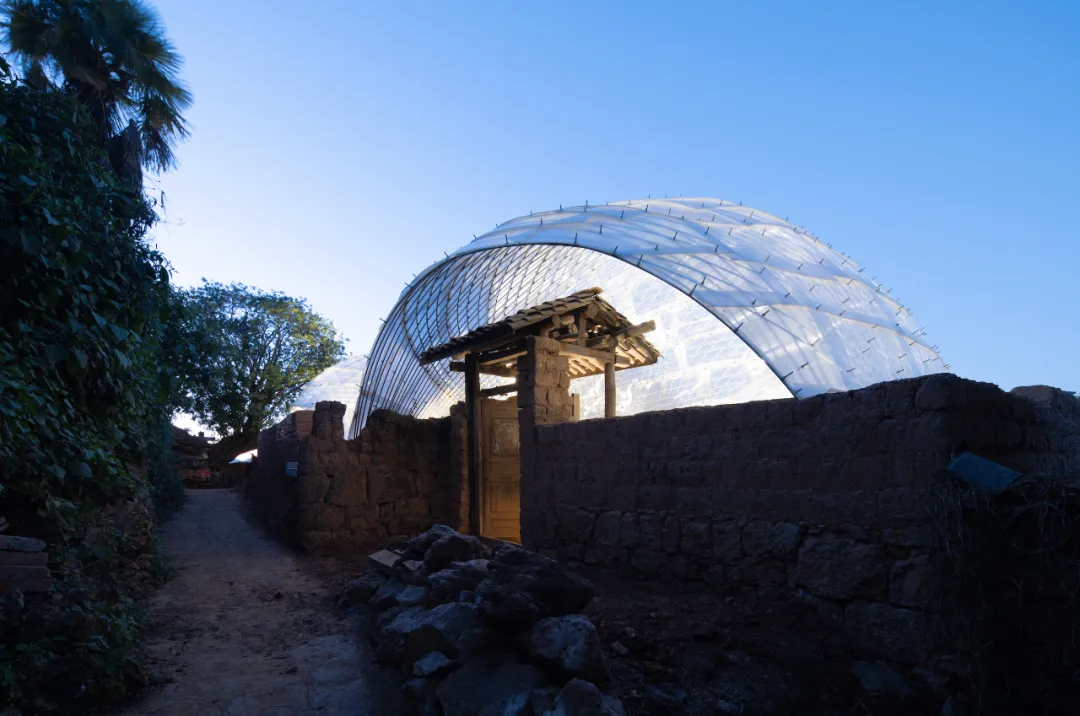
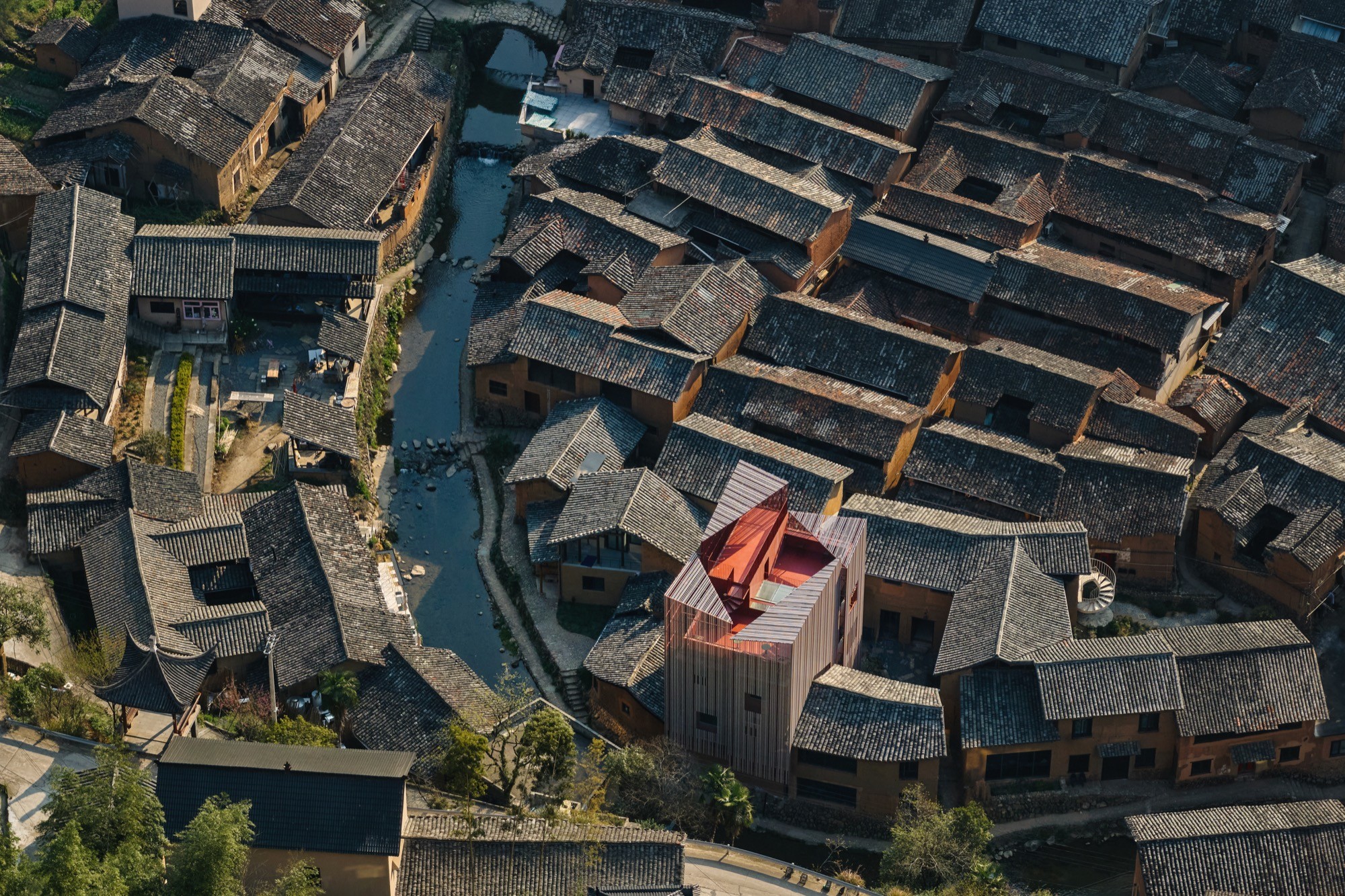
Within this broader landscape, the Quartet – Z Museum in Songzhuang Village adopts a more measured and quietly confident position. Rather than presenting itself as a symbol of renewal, the project engages with the village through its accumulated spatial logic, construction practices, and everyday rhythms. It neither conceals its contemporary nature nor seeks to overwrite the existing built fabric. Instead, it advances an alternative architectural stance grounded in re-editing, restraint, and dialogue.
Designed by Xiao Lei, co-founder of TEAM_BLDG, the museum transforms a heavy concrete structure from the 1990s into a porous, light-responsive ensemble. Drawing conceptual inspiration from traditional weaving techniques that are central both to the artworks exhibited and to the village’s craft heritage, the project reframes solidity and permeability as complementary rather than opposing conditions. The result is not an image of rural nostalgia, but a contemporary spatial framework in which art, landscape, and daily village life coexist without hierarchy.
At a time when rural cultural projects are often burdened with symbolic expectations, the Z Museum proposes a quieter ambition. It suggests that architecture can contribute to rural renewal not through spectacle or mimicry, but by cultivating continuity, spatial generosity, and cultural confidence. In the following interview, Xiao Lei reflects on this position, revealing how architectural decisions at the scale of material, light, and movement express a broader ethic of working within, rather than over, the rural condition.
What inspired you to draw from traditional weaving artistry for the facade design of The Quartet – Songzhuang Z Museum, and how did this choice reflect the village’s cultural heritage?
At our first meeting, the client told us that the Z Museum is a rather special museum, as the works displayed, though contemporary art, are all created using local traditional craftsmanship, especially weaving techniques. This definition inspired us to draw from traditional weaving artistry, while also reminding us that rather than forcefully converting a 1990s brick-concrete house into an imitation of ancient architecture, we hoped it would be an authentic, contemporary building that integrates elements of the ancient village it inhabits. Just like the exhibits within, it should not merely mimic tradition but engage in dialogue with it.
Could you elaborate on your design philosophy of “re-editing” rather than erasing the existing 1990s concrete shell? How did this approach influence the overall narrative of the project?
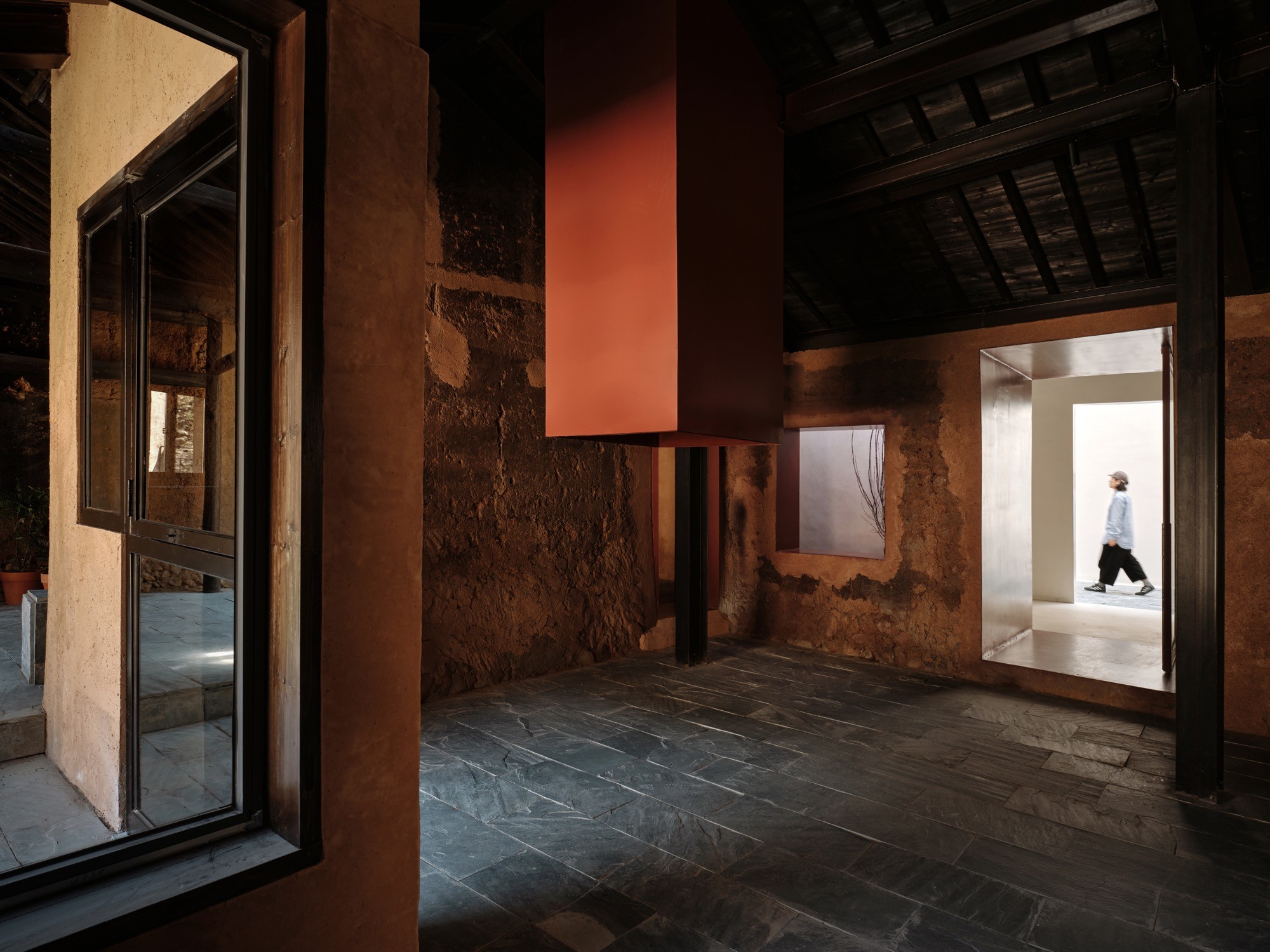
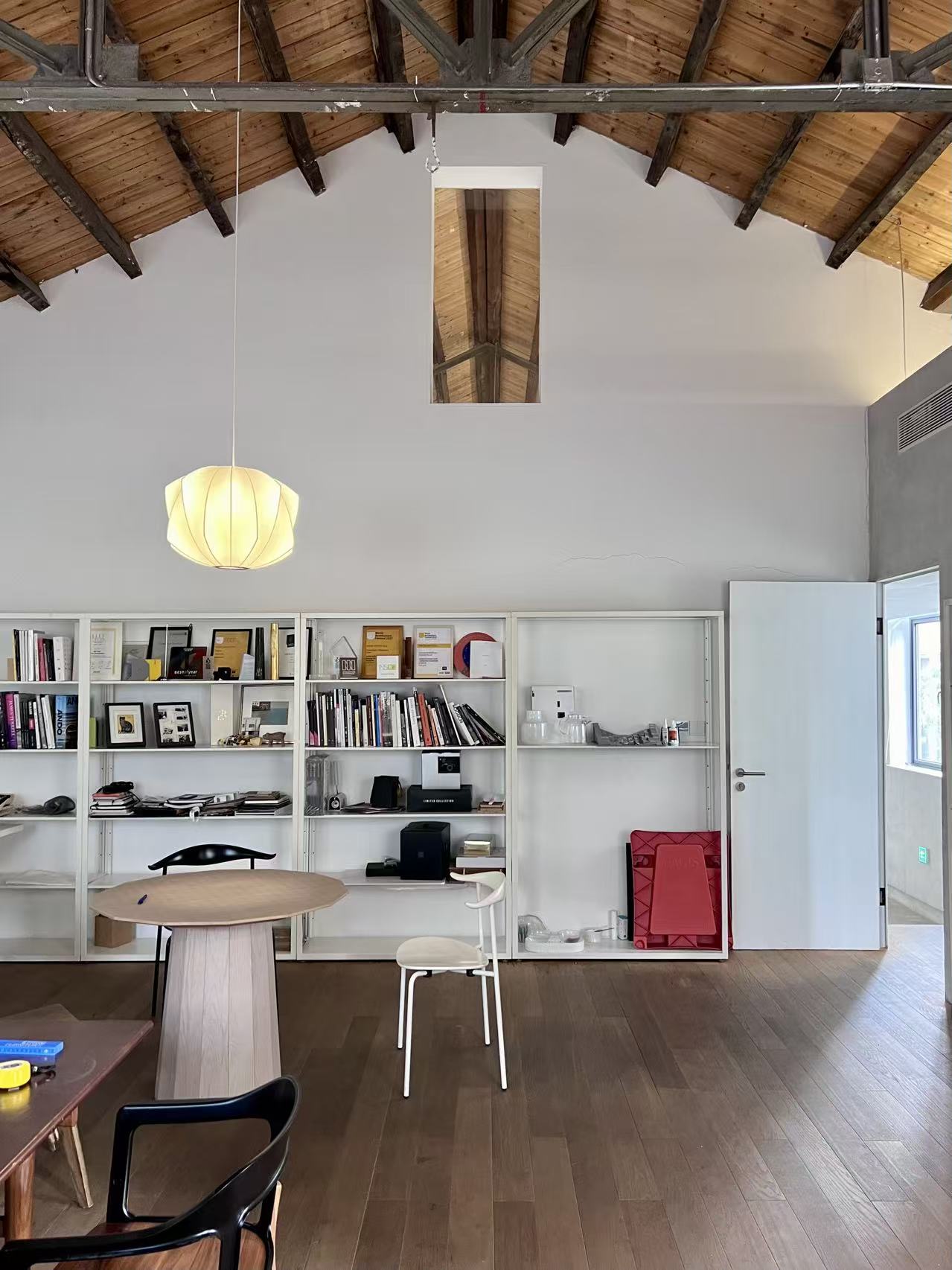
Since its establishment, TEAM_BLDG has been engaged in the renovation of old buildings. Over the past decade, we have consistently believed that deciding what to retain and what to alter is a key challenge in adaptive reuse. One of our design goals was to make the originally bulky 1990s building feel lighter. While directly demolishing the exterior walls was an option, the construction process and resulting waste would have been too “violent” for this ancient village nestled in a mountain valley. Similarly, we exercised restraint in the interior renovations.
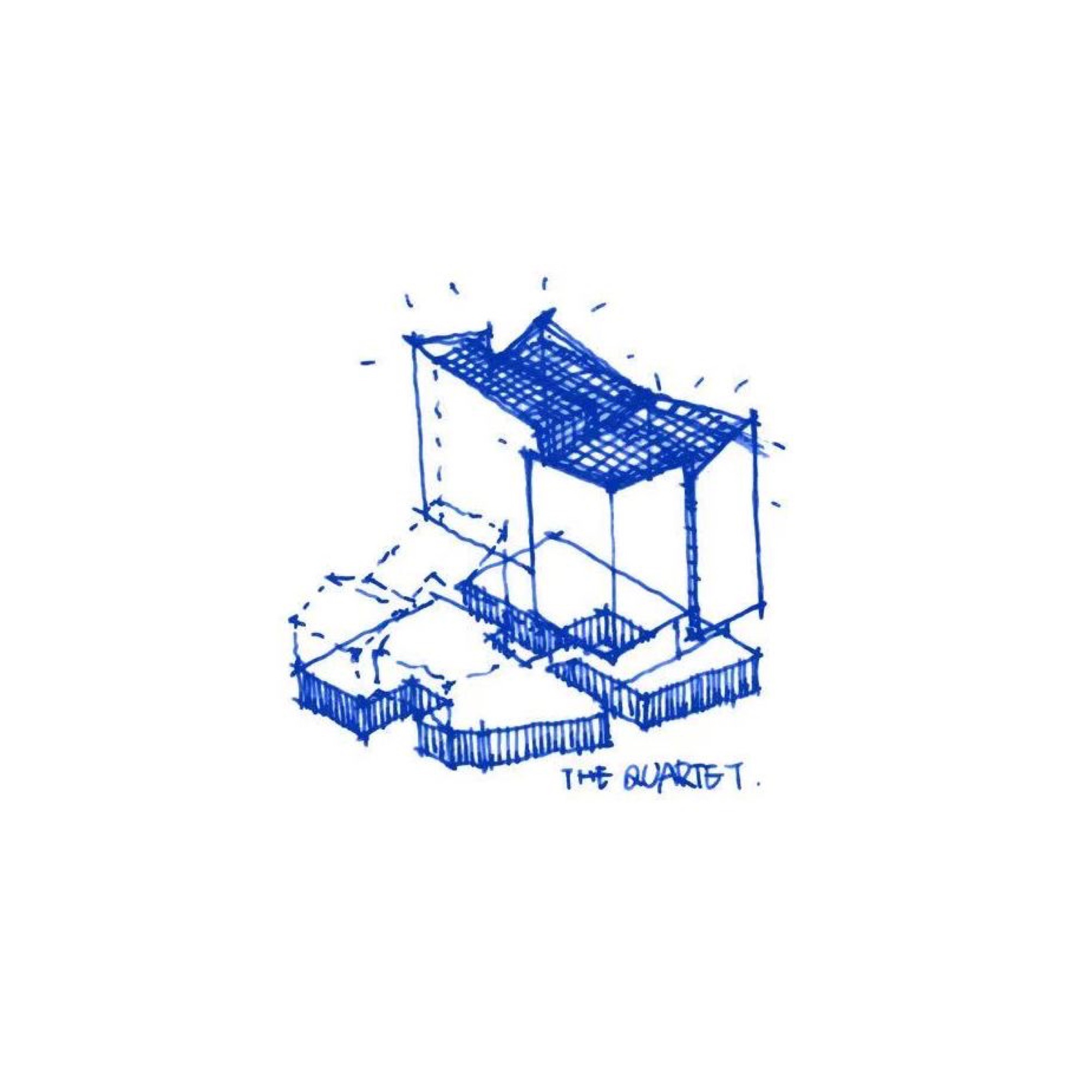
In deconstructing the original monolithic structure into four vertical volumes, what architectural perspectives guided your decisions on rhythm, voids, and overlaps to create a more human-scale interaction?
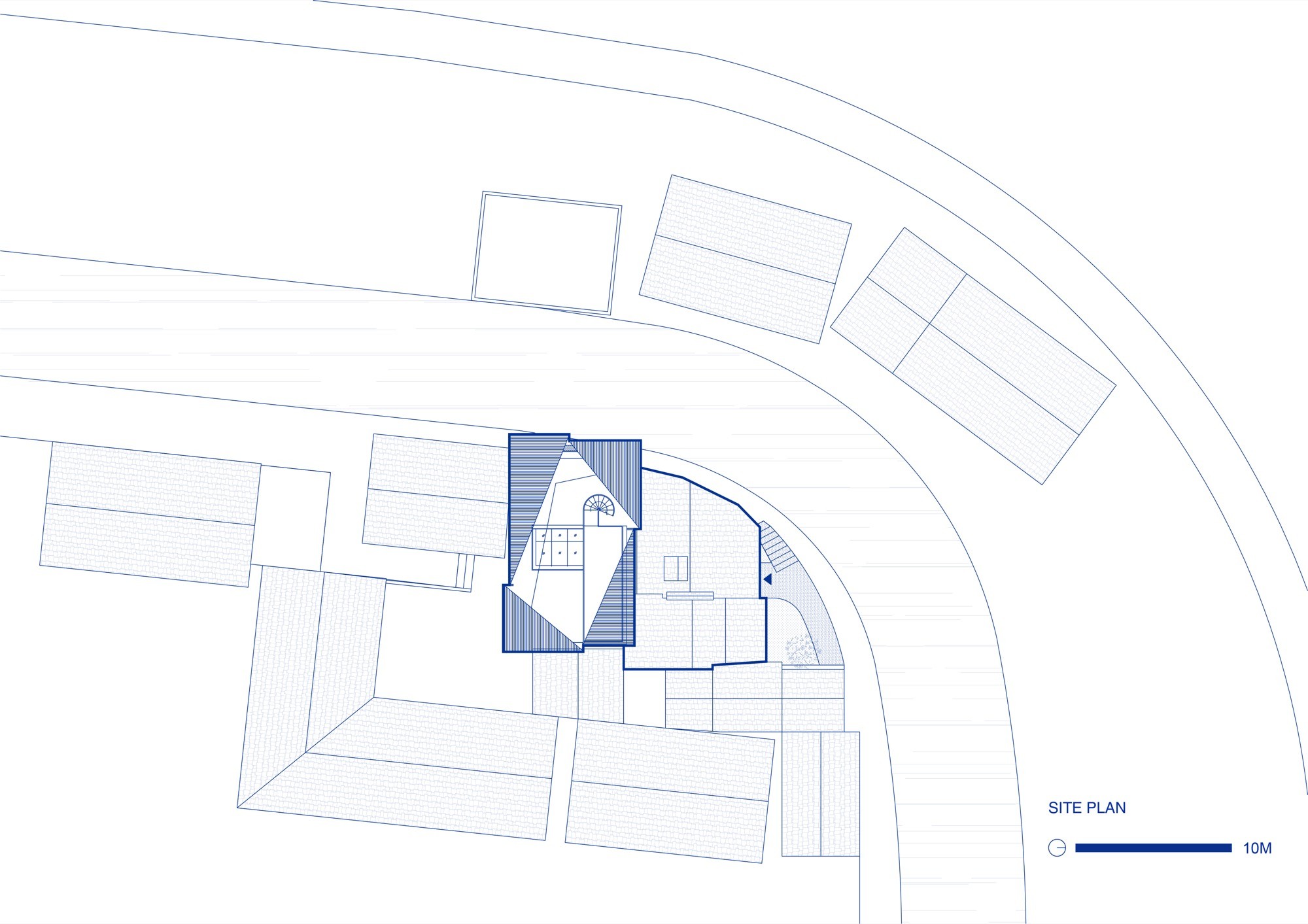
For the deconstruction of the original monolithic structure, the scale was primarily inspired by the surrounding old houses, especially their roof volumes. Additionally, the museum’s location ensures it becomes visible shortly after entering the village. One of the main pedestrian routes winds down the hillside around the museum. Considering this movement, we adjusted the staggered arrangement of the four volumes several times to create varied visual experiences for people as they walk past.
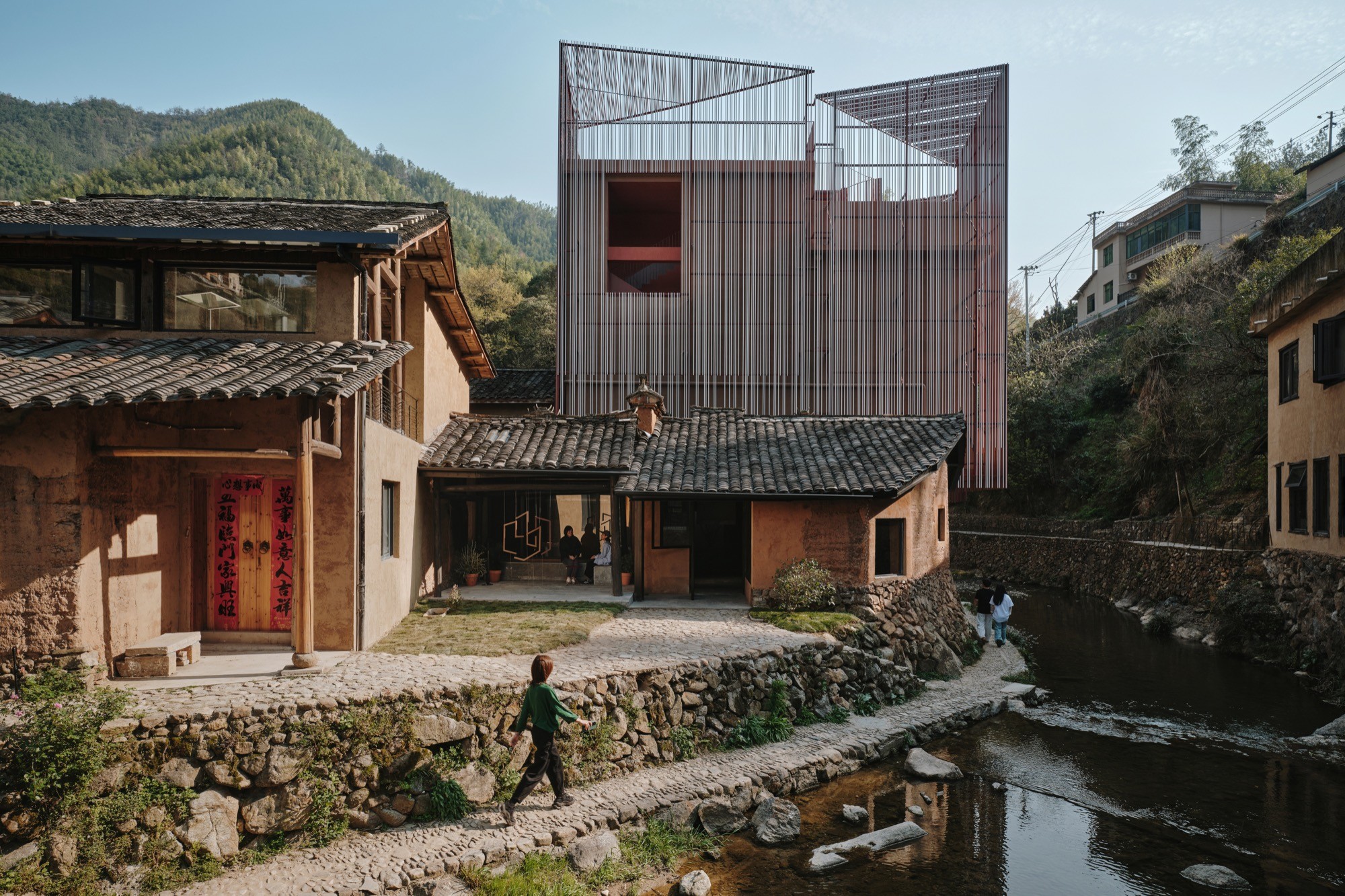
How did the incremental logic of rural construction, such as rammed earth houses and shared courtyards, shape your vision for integrating the museum into Songzhuang Village’s landscape?
This is an excellent question and one we repeatedly discussed during the design process. We believe that the fabric of a traditional village is not merely physical but also encompasses the experiences and habits of its inhabitants. Unlike urban art museums, the Z Museum needed to embody the slow pace and narrative quality of rural life. Therefore, the entry sequence unfolds gradually, from the shared courtyard to the old house lobby and onward to the central atrium, enabling the museum to integrate with the village both spatially and experientially.
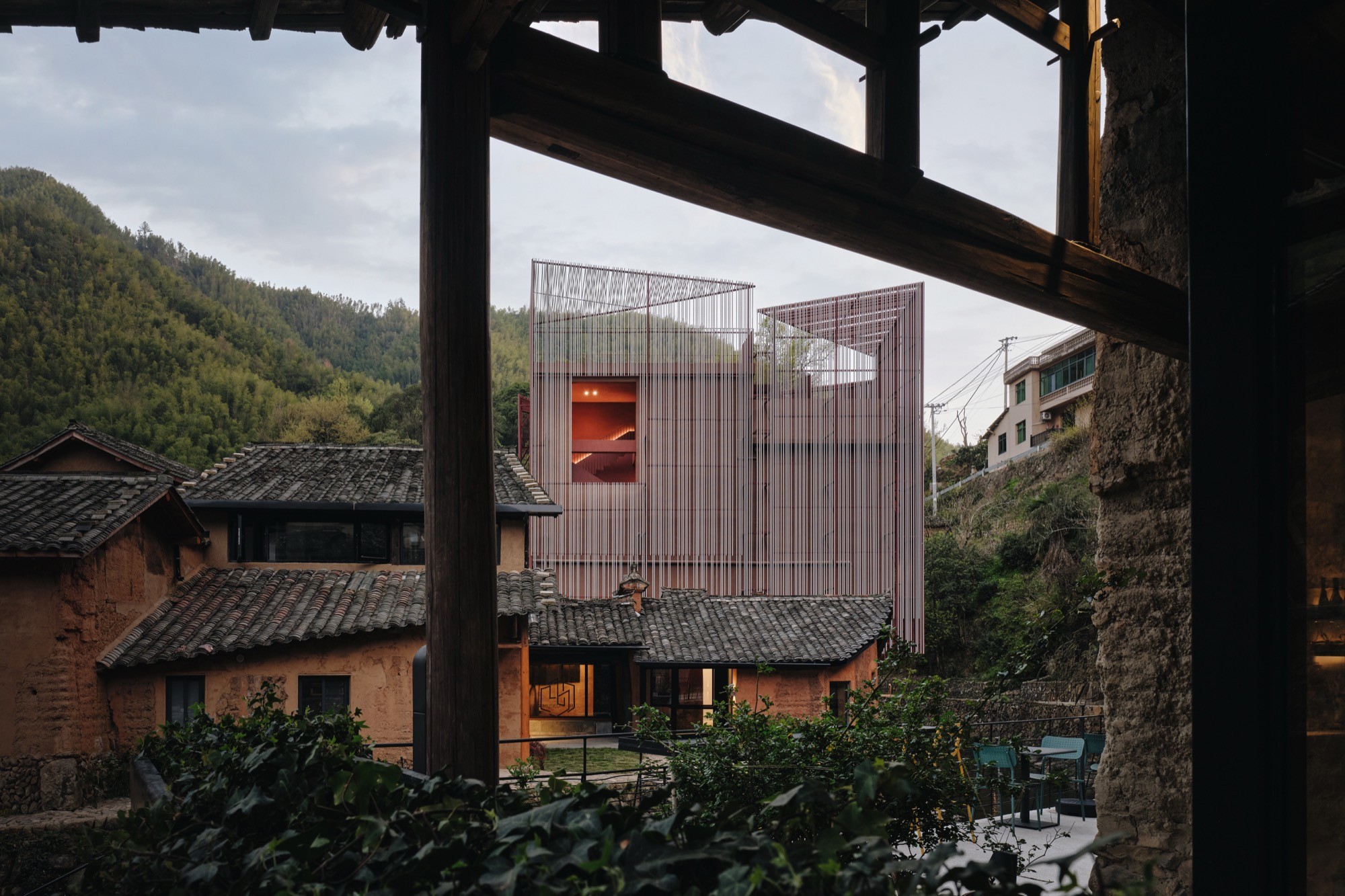
The lattice of aluminum square tubes painted in red and white creates a color-shifting, porous skin. What were the key considerations in varying its density and opacity to achieve optical vibration and lightness?
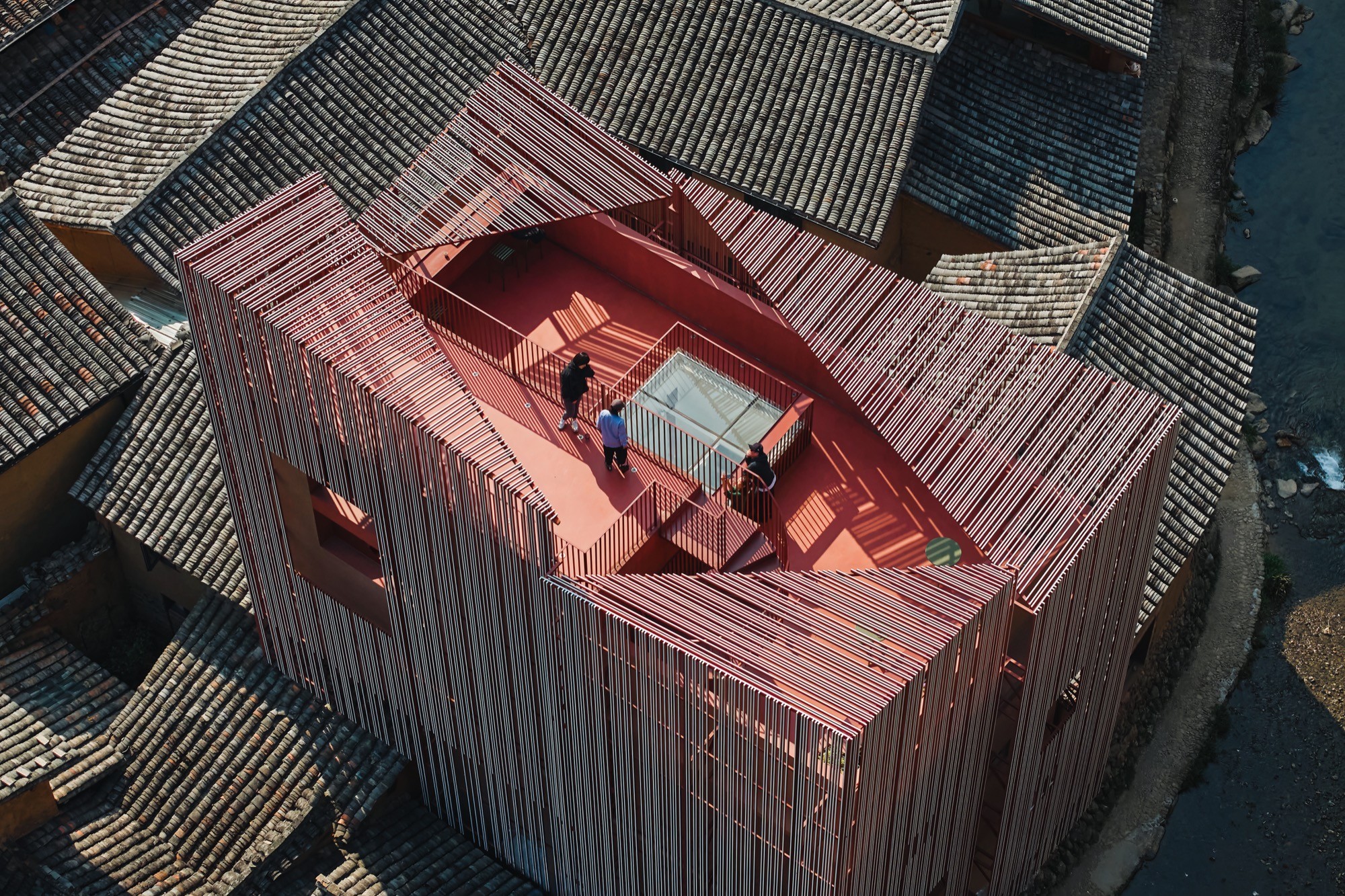
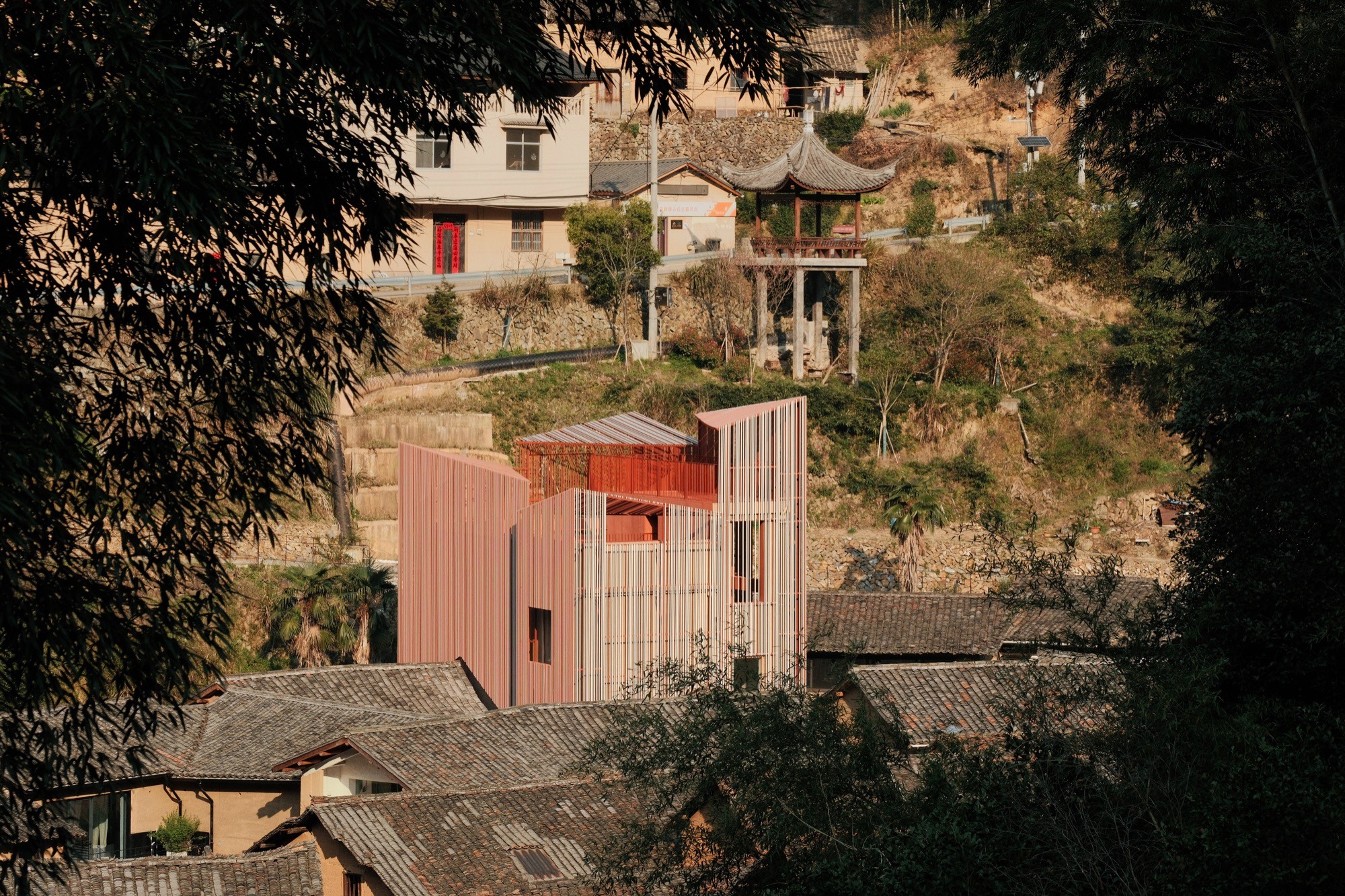
Drawing on the principles of traditional cloth weaving, we painted 20mm x 40mm aluminum square tubes red on three sides and white on one, arranging them into a fine lattice that wraps the building facade. The fixed components on the facade act like shuttles on a loom, guiding the “weft” and “warp” to interweave, “weaving” strands of “two-colored yarn” into the originally solid building to create a light and translucent volume.
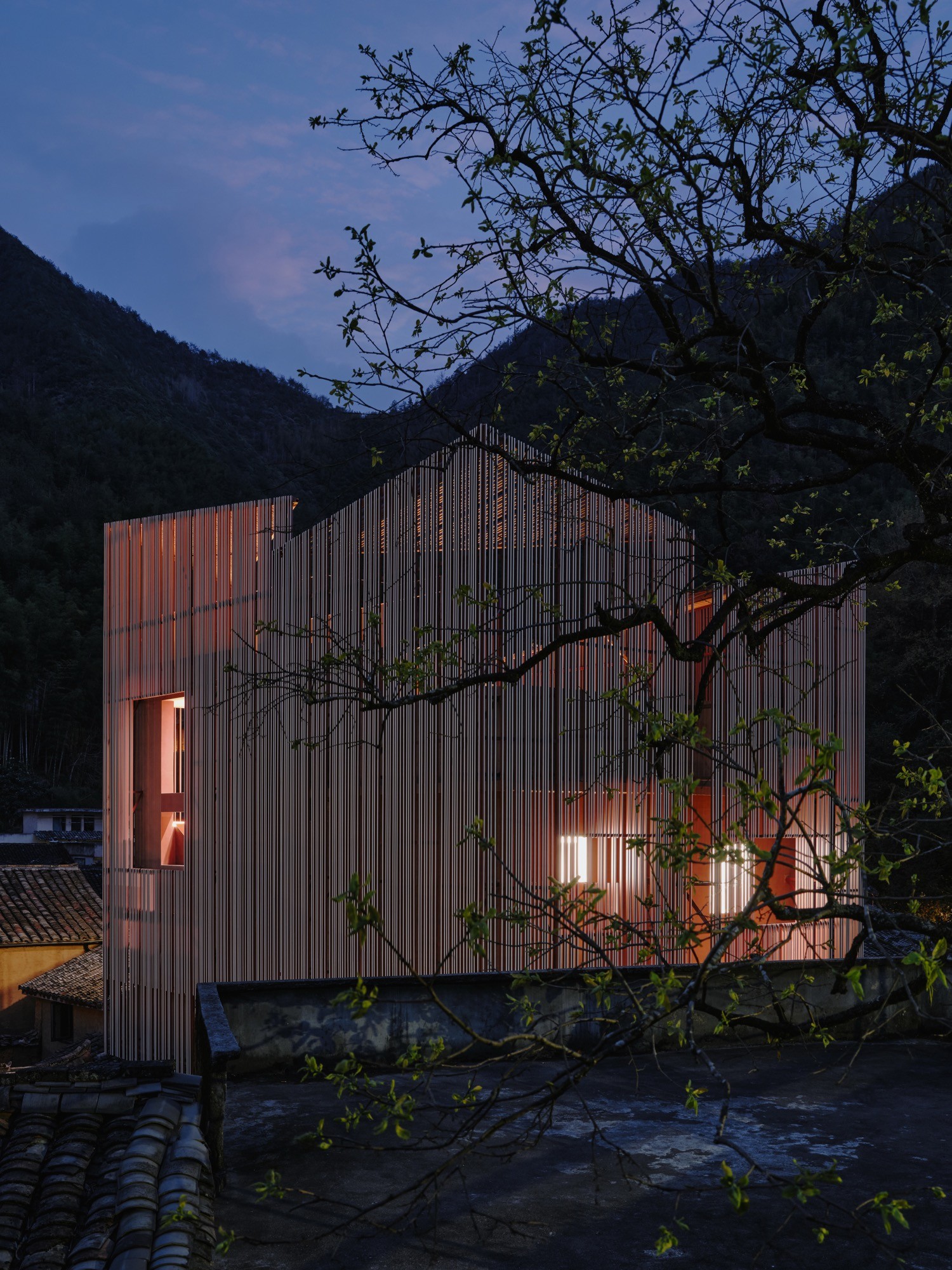
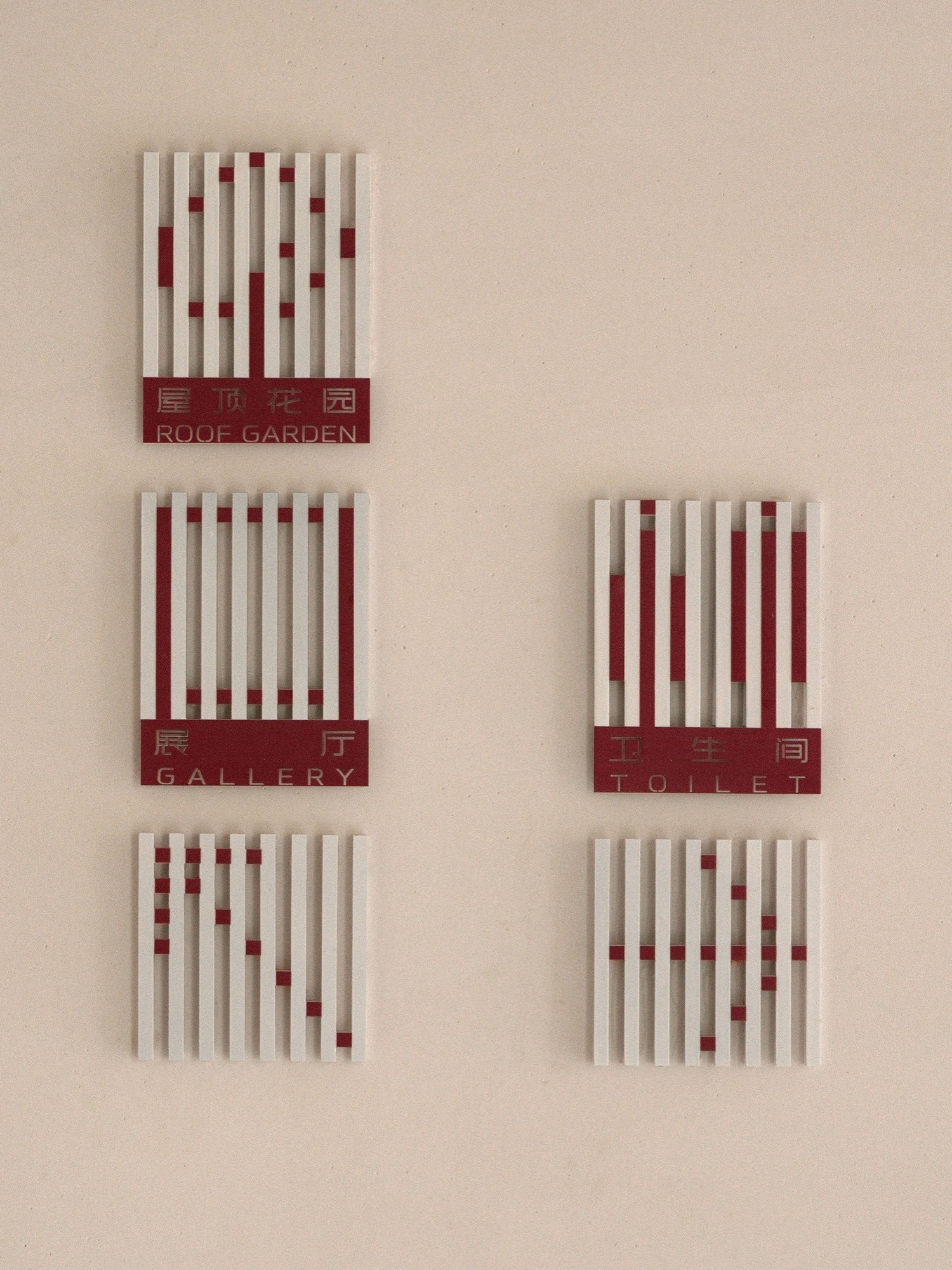
Regarding density and opacity, natural light was a crucial element. In other rural renovation projects, we have pondered similar issues: while many urban spaces strive for stability in light and temperature, these elements in rural settings should change with nature. Our project, situated in a valley-like terrain, experiences particularly interesting shifts in light throughout the seasons and from morning to night. The aluminum lattice facade, through color and density variations, subtly emphasizes these changes. We do not expect every visitor to notice it, much like the subtle movement of tree shadows across the ground throughout the day. Such changes are constant, yet remain quiet and unobtrusive.
From an architectural standpoint, how does the vertical atrium serve as both a spatial anchor and a light well, and what inspired its role in enhancing natural orientation and connectivity across floors?
In our view, spatial rhythm and continuity are crucial for a small-scale art museum. Designed for privacy, the original house consisted of enclosed and independent floors and rooms, creating a fragmented experience comparable to reading a book broken by constant interruptions.
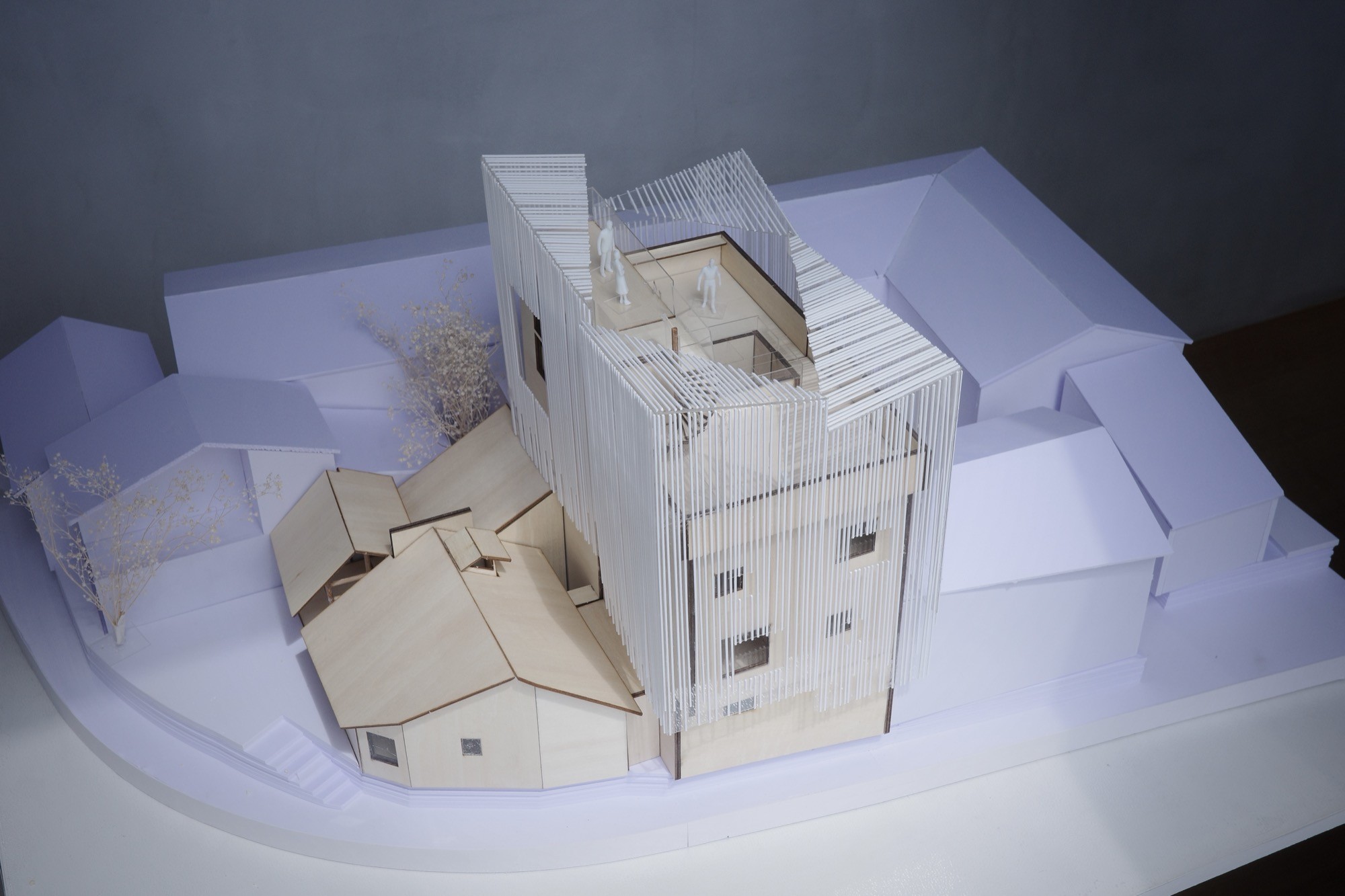
Thus, we added skylights to the original structure, introducing a vertically connected three-story atrium “light well.” This brings more natural light and warmth indoors while linking the horizontal spaces. Exhibition halls on each floor are connected and arranged around the atrium, allowing viewers to see each other across different levels.
What challenges did you face in balancing the boldness of the original concrete form with the need for a non-aggressive presence in a rural setting, and how were these resolved through design elements like staggered terraces?
First, the original building volume could not be reduced, meaning we could only “cut” into it. During the initial conceptual phase, we experimented with various horizontal cutting methods, but interior issues remained unresolved, and the facade appeared more disconnected from the village. Hence, we vertically split the entire building into four volumes from the inside out, adding inner courtyards and connecting the four volumes vertically. Combined with activity areas at different heights on the rooftop terraces and semi-transparent sunshades, this created a staggered “quartet” effect on the facade.
Furthermore, introducing the lattice inspired by weaving looms further fragmented the boldness of the concrete exterior while making it appear lighter through variations in color and density.
Could you share insights into how the recalibrated exterior openings frame the surrounding rural views, and what philosophical intent lies behind turning the building into a dialogue with its landscape?
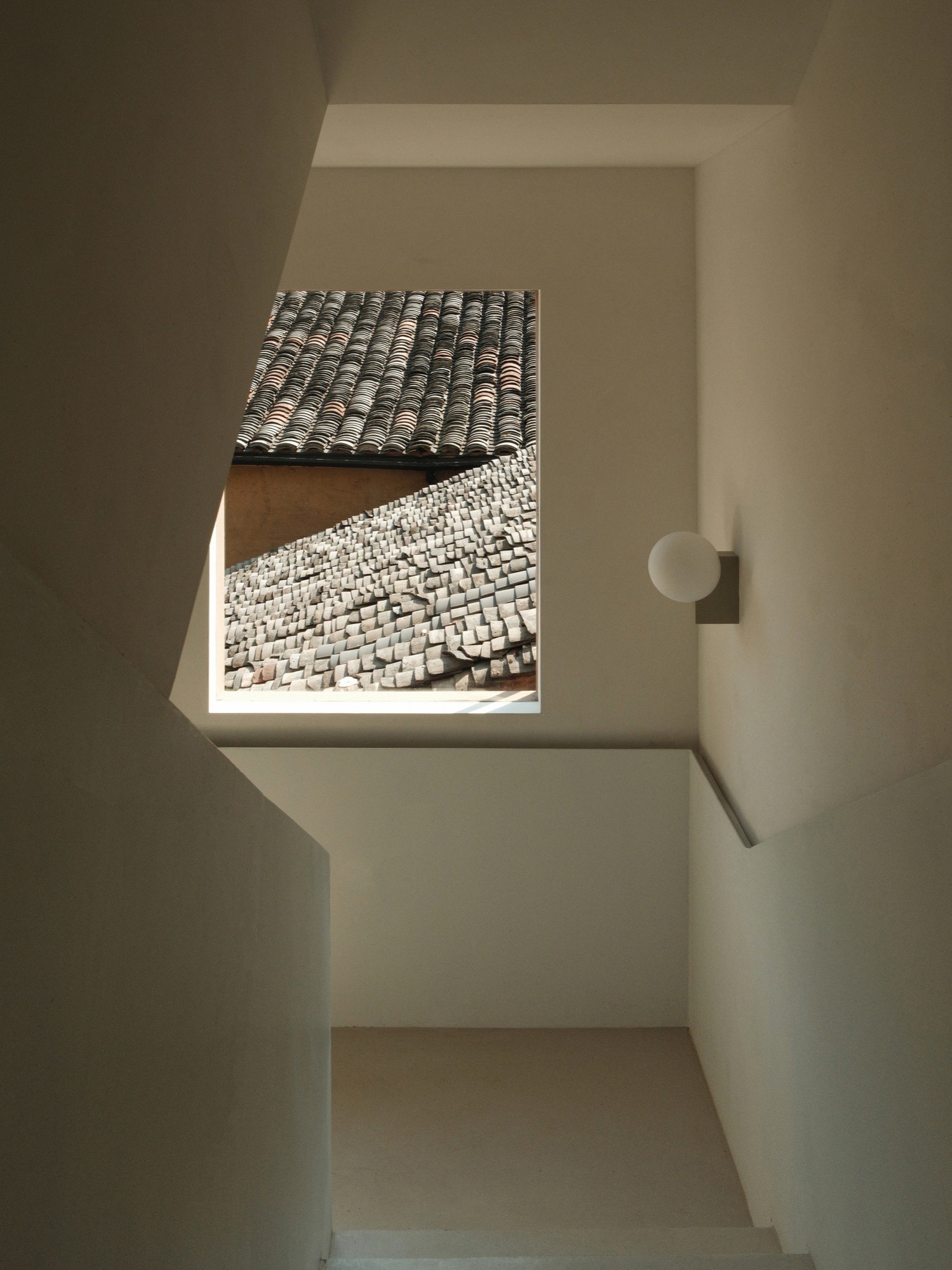
In the design of the Z Museum, window openings were a delicate matter, especially in exhibition halls, where natural light and external views do not always positively impact the artworks. However, through multiple site visits during the design process, we finalized the window sizes and framing to allow visitors to experience the connection between the artworks and the ancient village while appreciating the art. We also communicated extensively with the museum’s client and curatorial team to ensure no adverse effects on the display and preservation of the artworks.
The rooftop terrace functions as an outdoor room and viewing platform. How does this feature embody your perspective on blending contemporary architecture with panoramic views of fields and earthen textures?
Unlike other spaces in the Z Museum, the rooftop terrace is entirely outward-facing, offering direct views of the entire Songzhuang Village. Therefore, we wanted people here to focus visually on the surrounding village and natural landscape. With this in mind, we intentionally simplified the terrace’s materials and design language: uniform wall and floor materials, no deliberate functional zoning, and only minimal guidance through different levels to allow visitors here to fully feel nature and relaxation.
Architecturally, the terrace lattice draws inspiration from the “four waters returning to the hall” courtyard roof form of local ancient buildings. This not only provides a sense of enclosure and security for the open terrace but also better integrates with the sloping roofs of the surrounding old houses.
Looking back, what unexpected discoveries or lessons from this project have influenced your broader views on rural renewal, and how might they apply to future adaptive reuse endeavors?
As mentioned, this is a modern architectural project located in a 600-year-old village, and the entire design and construction process was full of challenges. However, to this day, we are still surprised by the open-mindedness of the client and local government toward this project.
Normally, such projects fall into the trap of rigidly trying to please the surrounding old buildings with new architecture, resulting in ambiguous and incongruous designs. From the beginning, the client of the Z Museum did not demand any unnecessary flattery or embellishment. They believed that for a village like Songzhuang, which has years of artistic practice, an art museum is a beautiful and natural addition that should stand quietly and confidently in this ancient village, without any need to conceal or hide.
We still remember that on the day of the museum’s opening, local government officials proudly told us that the completion of the museum gave them, as a village, cultural confidence. This also showed us that China’s rural areas are continuously learning and progressing.
Article Credit
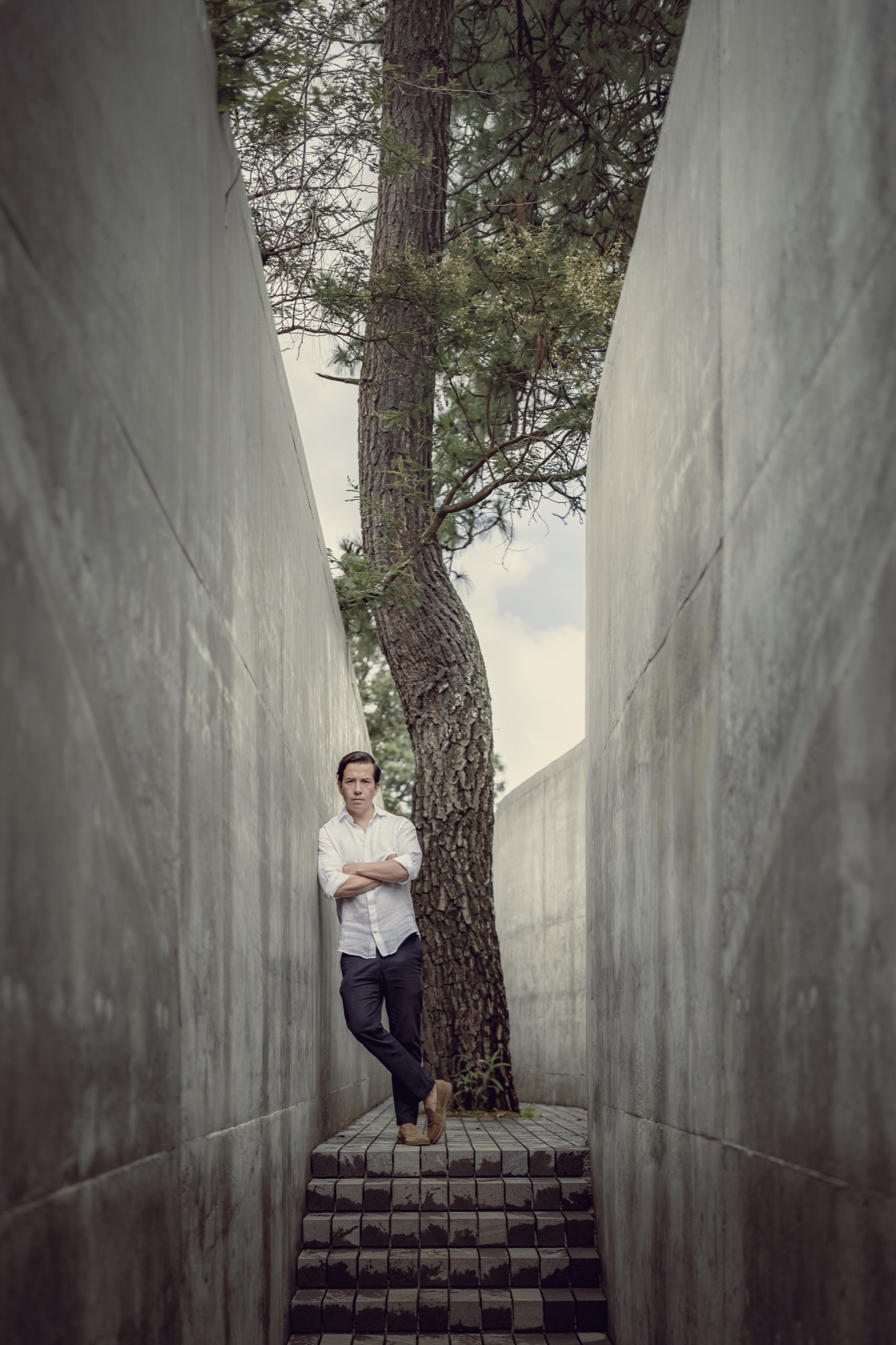
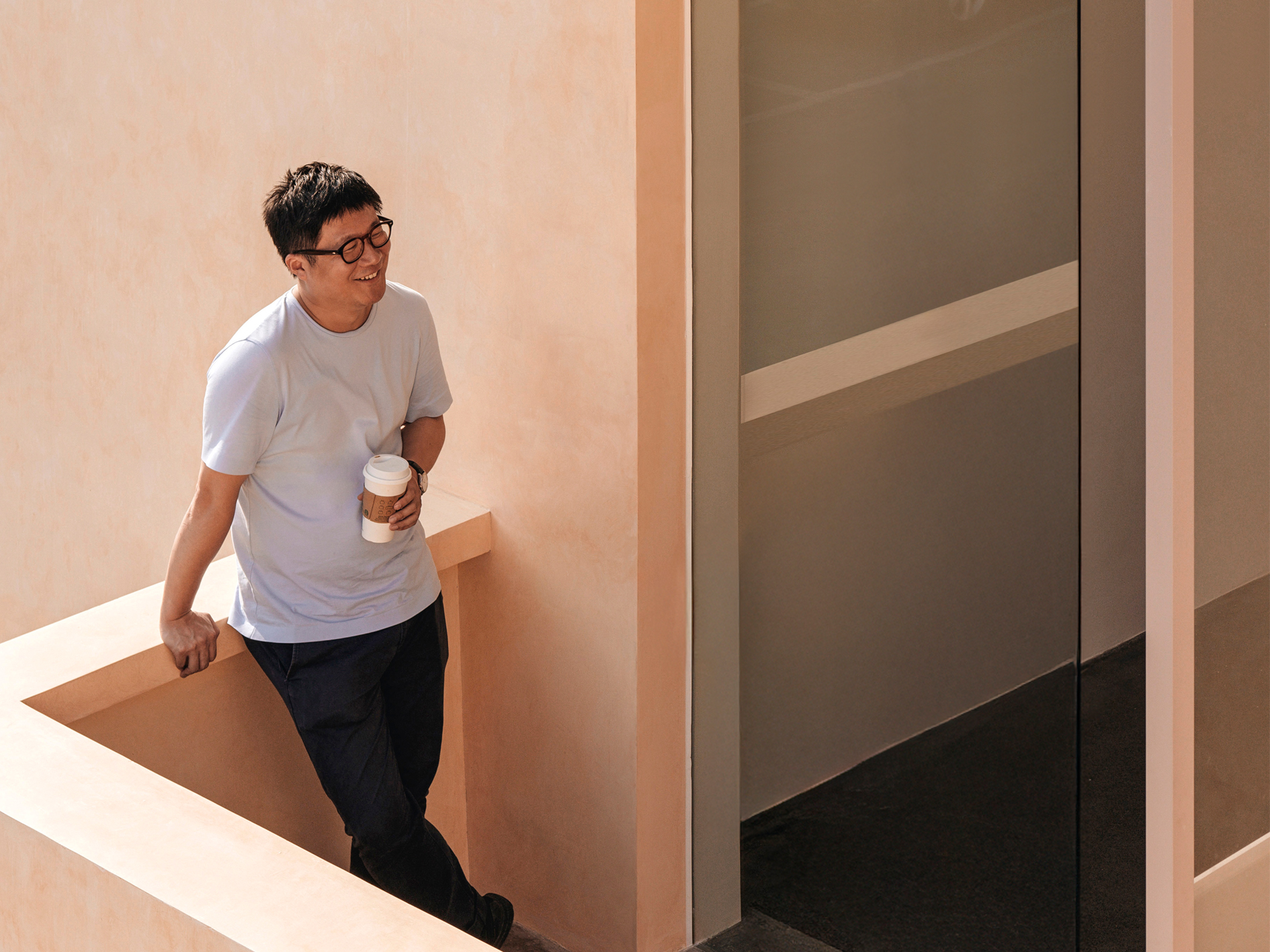
Photo cover: Xiao Lei, co-founder of TEAM_BLDG
Interview: Rafael Cunha
Photo: Jonathan Leijonhufvud