Now Reading: Inside Casa Tlaloc, López González turns rain and structure into architecture
- 01
Inside Casa Tlaloc, López González turns rain and structure into architecture

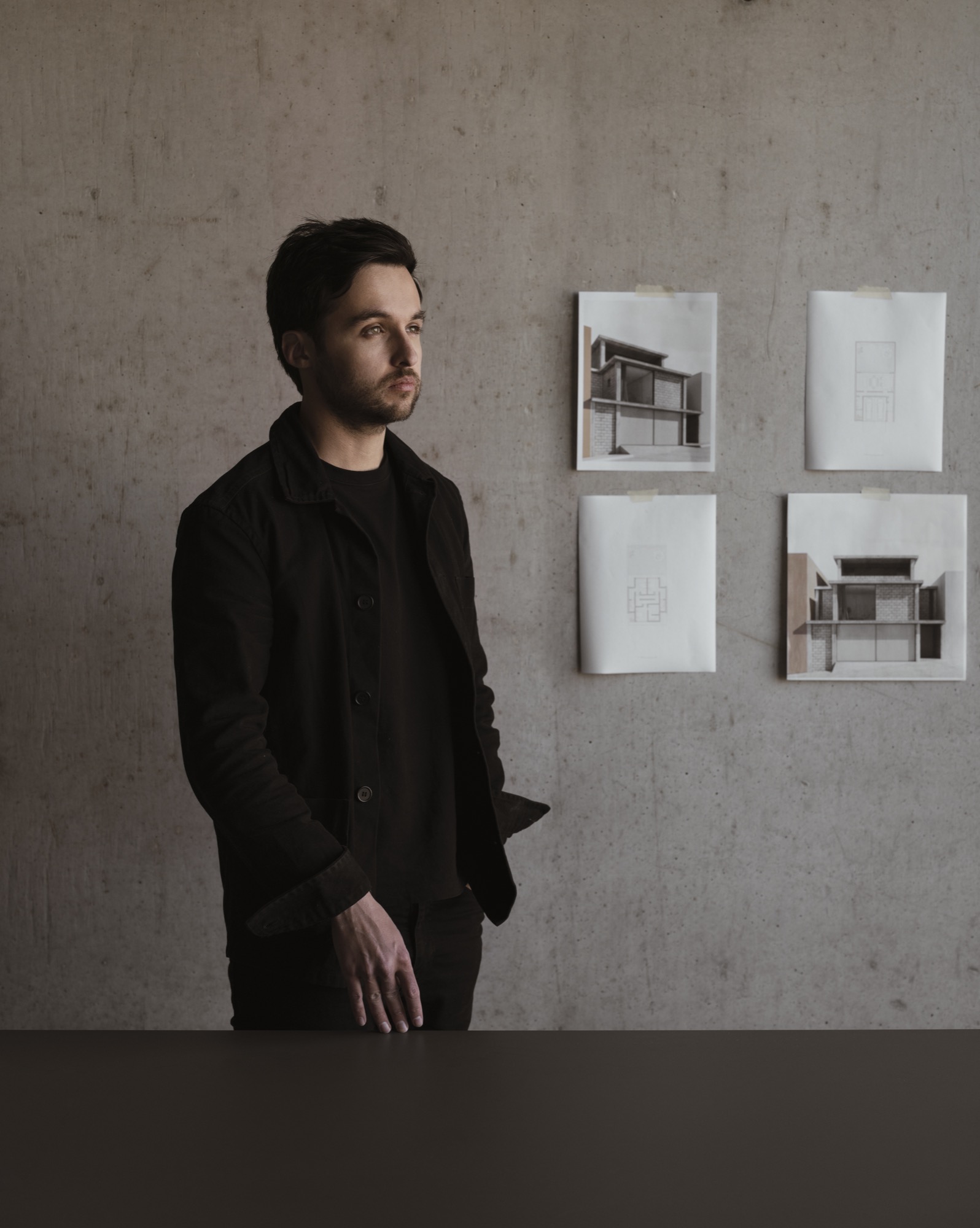

López González approaches architecture as a field of negotiation between structure, climate, landscape and everyday life. In Casa Tlaloc, the studio develops a compact vertical house in Xalapa, Mexico, where domestic space is not understood as horizontal expansion, but as a layered sequence of relationships. The project brings together questions of densification, water, topography and ritual, translating them into a house that is at once precise, restrained and deeply responsive to its site.
In this conversation, López González reflects on the ideas behind Casa Tlaloc: the role of water in a city shaped by rain and humidity, the structural clarity of its grid and cantilevered slabs, and the way architecture can give visible form to both domestic life and the systems that sustain it. Rather than treating sustainability, technique or atmosphere as separate concerns, the project proposes a more integrated architectural language, one rooted in specificity rather than stylistic localism.
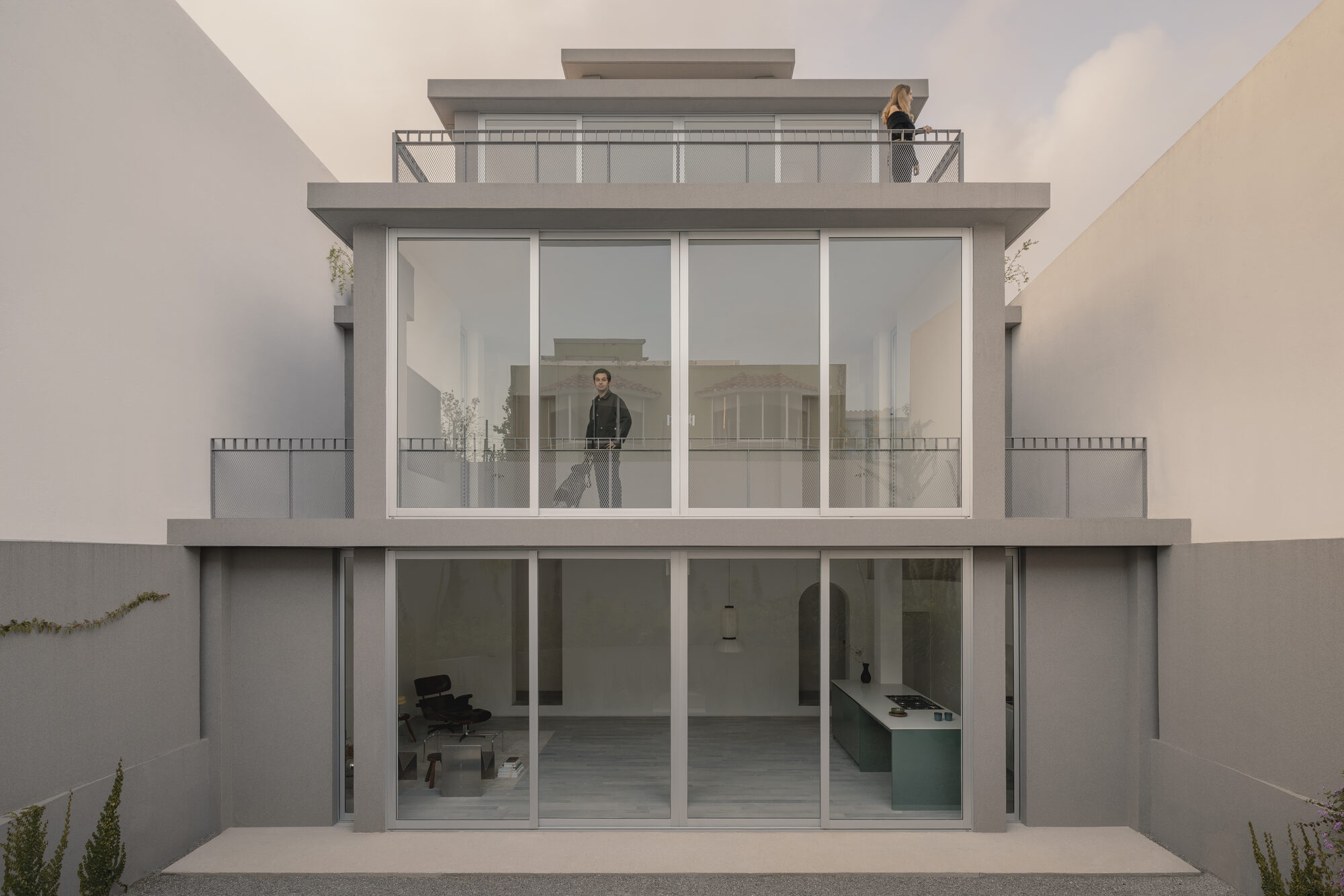
What was the initial spark or moment that led to the concept of Casa Tlaloc? Was there a particular site condition, client need, or personal fascination that set the direction for this vertically stacked “ritual” house?
The project began by challenging a common assumption about the way we occupy land: the idea that domesticity must inevitably translate into horizontal expansion. There is often an image of the house extending across the site as an act of territorial occupation and, in many cases, as a physical manifestation of abundance. Our proposal sought to reverse that logic. We understood densification as an opportunity to create a richer spatial experience, one defined by more complex relationships, a more intense mode of inhabitation, and a deeper awareness of context.
Yet the project was not shaped by a pursuit of verticality for its own sake. What truly defined it was the recognition that a house accommodates realities of different natures and temporalities. Structure belongs to the long term; infrastructure is renewed cyclically; domestic life, with its coexistence, intimacy, work and leisure, is in constant transformation. Residential architecture often overlays these dimensions onto a single plane, as if they belonged to the same order.
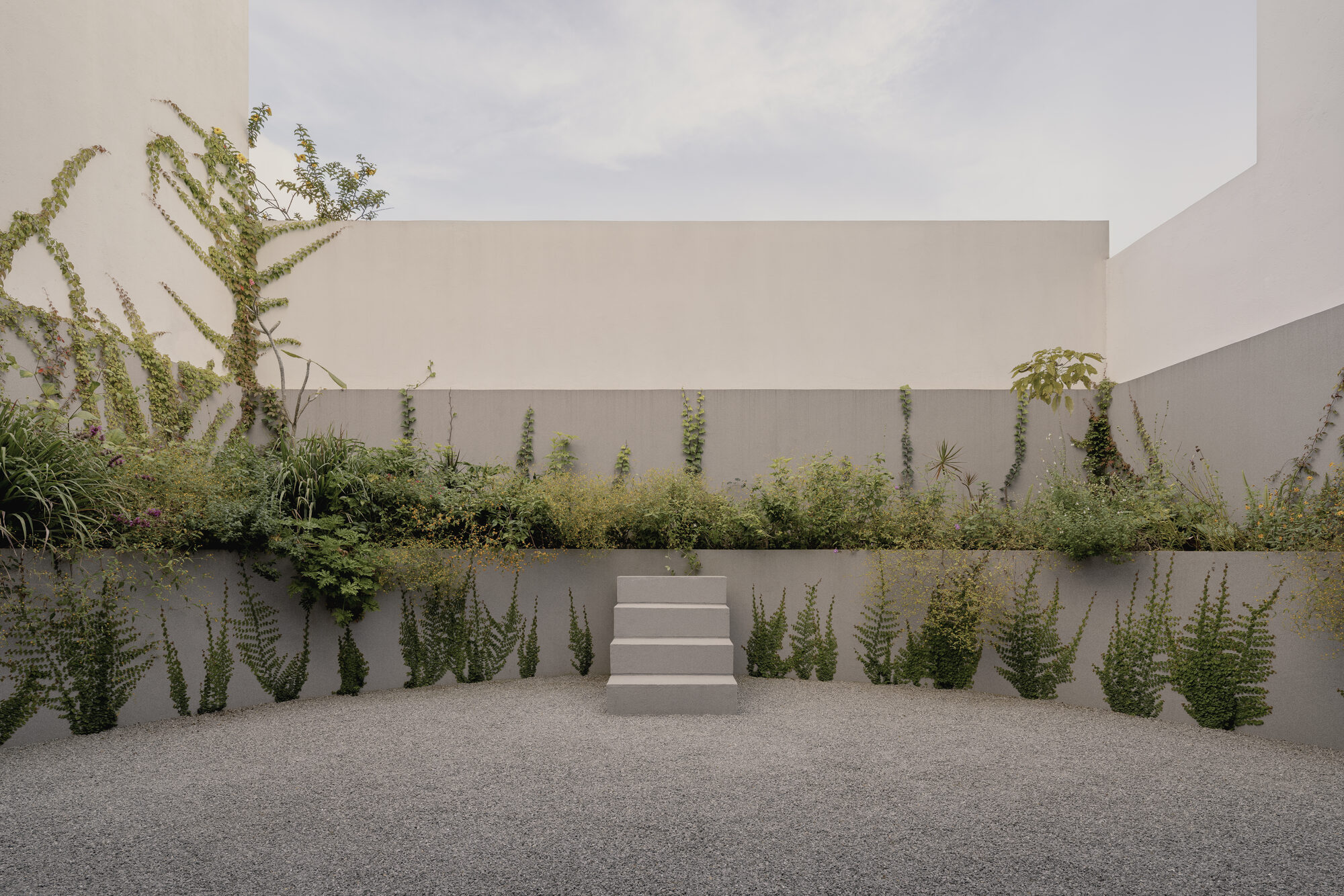
We became interested in exploring what would happen if each of these dimensions were given its own position, hierarchy and spatial condition. The section became the mechanism through which those distinctions, and the relationships between them, could be constructed. In that sense, Casa Tlaloc is less a reflection on verticality than an exploration of how to organize the changing complexity of domestic life without reducing it.
The name “Tlaloc” refers to the Aztec god of rain. How did this cultural and mythological reference influence the design, particularly in relation to water management, climate response and the overall architectural narrative?
Although it is tempting to read the name as a deliberate mythological gesture, the house actually takes its name from the street on which it is located. It was a toponymic coincidence. However, the house’s profound relationship with water emerged from a very real and demanding condition: the reality of building in Xalapa.
Xalapa is not simply a city with a distinctive climate. To a large extent, it is its climate. Fog, persistent rainfall and high humidity are integral to everyday life, shaping the way the city is perceived, crossed and inhabited. Designing in this context requires taking a position toward that reality. Our position was to incorporate it into the architecture rather than resist or avoid it.
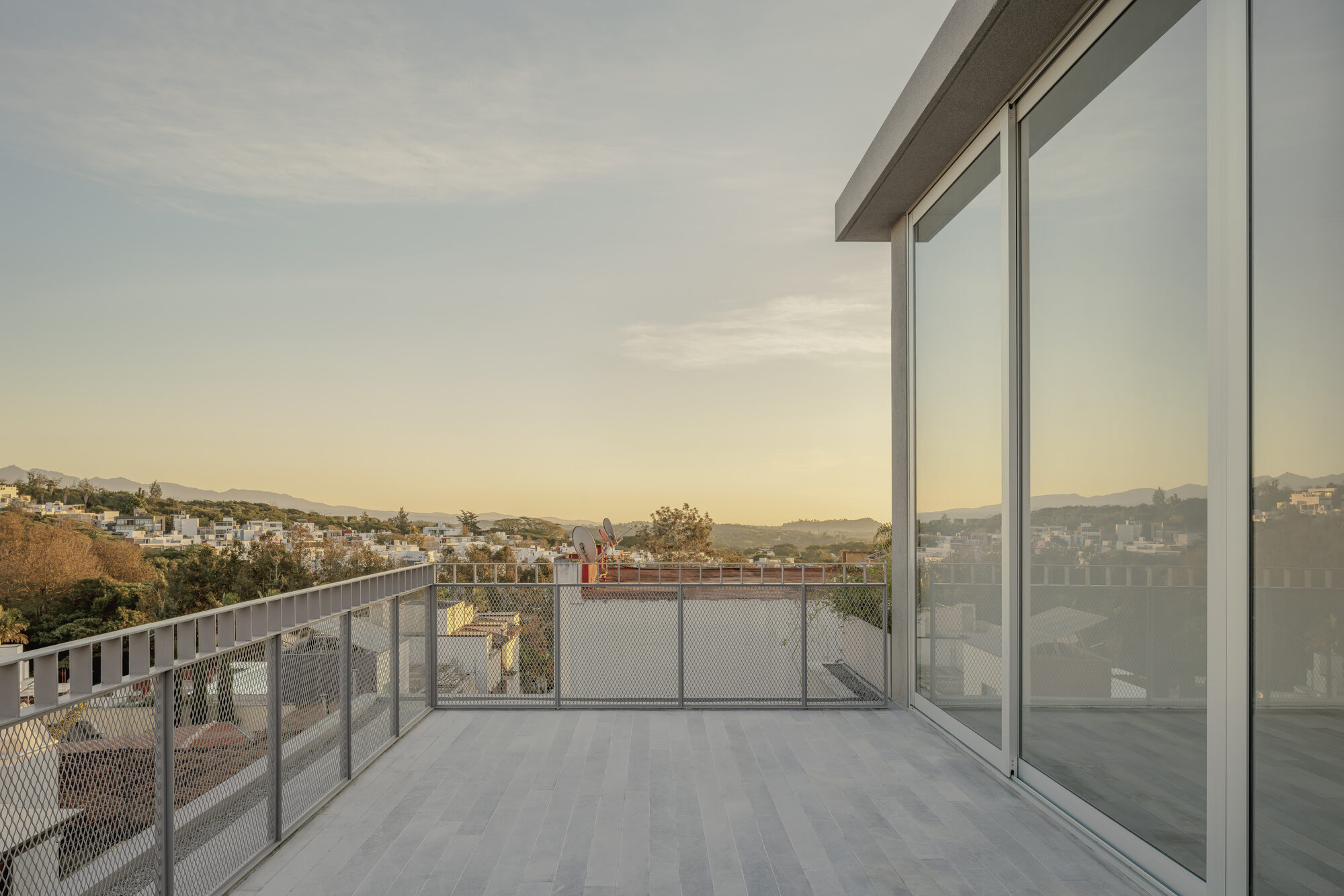
Water operates within the house on several levels at once. It is a resource that is collected, stored and reused. It is also a factor that informs the configuration of roofs, terraces and thresholds. At the same time, it is a phenomenon that continuously transforms the perception of the building.
For this reason, some of the project’s most important elements assume multiple responsibilities. The roof that channels rainwater is also the element that provides shade, expands the inhabitable area, mediates the relationship between interior and exterior, and establishes the scale through which the building engages with the landscape. The key decision was not to treat rainfall as a problem to be solved, but as another material of the project.
Over time, the name acquired an unexpected resonance. Not because it guided the design process, but because it became a linguistic echo, a serendipitous naming that reflects, with surprising accuracy, a condition that profoundly shaped the house.

The project has been described as a “measured negotiation with gravity” through its stacked layers. Could you walk us through how you approached the structural system, especially the grid, square columns and cantilevered slabs, to achieve both technical precision and poetic expression?
The distinction between technical precision and architectural expression is useful as an analytical tool, but it becomes less relevant once the design process is complete. In the architecture that most inspires us, both respond to the same questions. Technique ceases to be a means of materializing a preconceived idea; it becomes the logic that generates it.
From the outset, the structure of Casa Tlaloc was conceived as more than a supporting mechanism. It functions as a framework capable of organizing several primary demands at once: the arrangement of the program, the relationship with the site, the potential for transformation, and the construction of identity. The bidirectional grid of square columns emerged from that convergence. Its repetition establishes a legible order while avoiding rigidity. Instead of prescribing specific uses, it creates a field of possibilities.
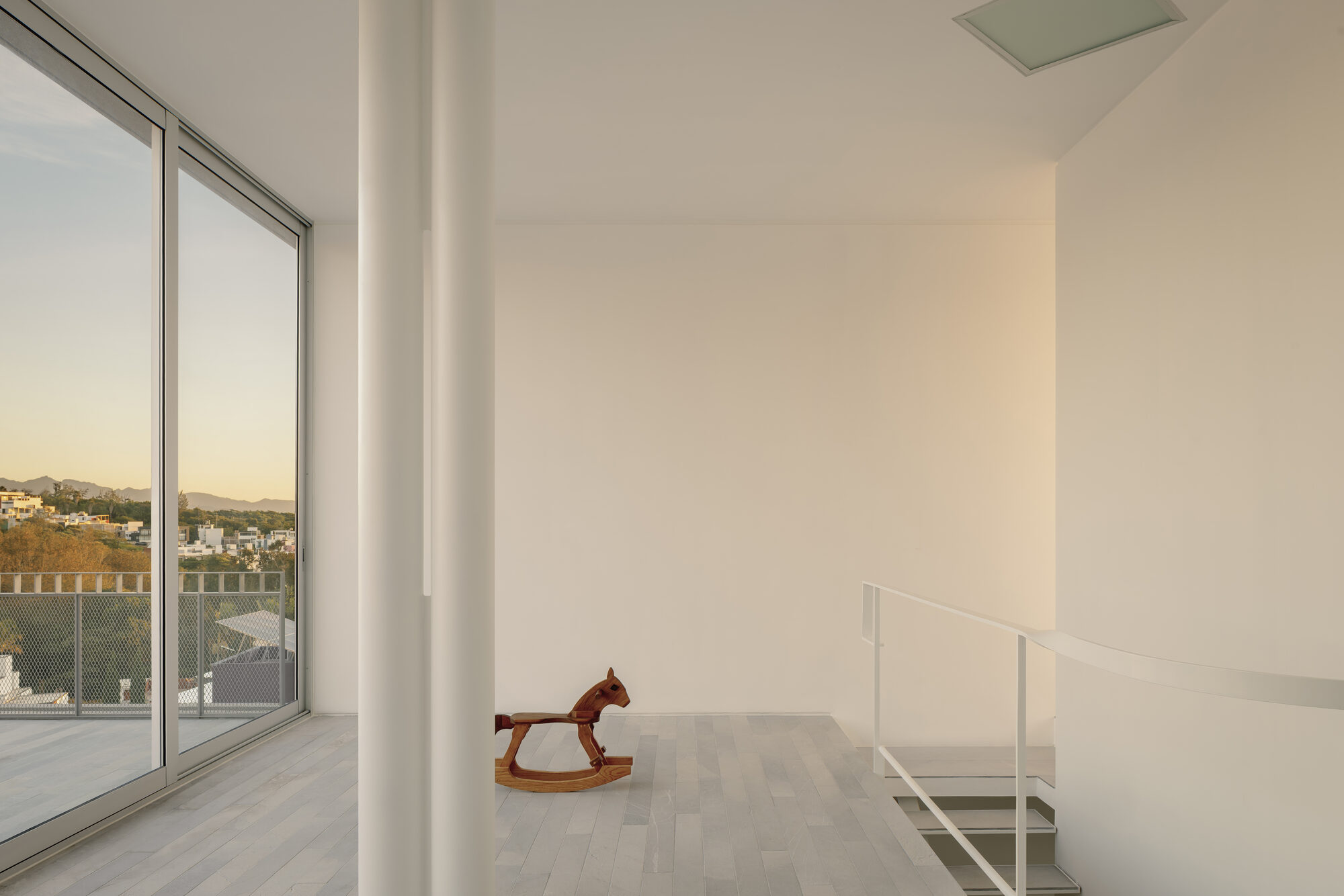
Underlying this decision is a concern that runs through much of our practice: the distinction between what changes and what enables change. Domestic life is inherently unstable. Families evolve, routines shift, and spaces acquire unexpected meanings. Architecture operates on a different temporal scale. The structure therefore needed to embody permanence without becoming a constraint. It had to function less as a closed solution than as a form of spatial resilience, an organizational system capable of absorbing future transformations without losing clarity.
The cantilevers extend that same logic outward. They are not added to the grid; they are a continuation of it. The sensation of hovering above the landscape is a direct consequence of the need to express clearly how loads are transferred and balanced, rather than the result of an autonomous compositional intention.
Rather than fragmenting architectural problems into separate disciplines, where structure is responsible for stability, environmental systems for performance and aesthetics for expression, we are interested in a more unified direction. We believe the project’s fundamental decisions should also be its most fertile ones, capable of producing multiple consequences simultaneously. Coherence emerges from discovering a logic that can run through all of them, turning precision and expression into a single built idea.
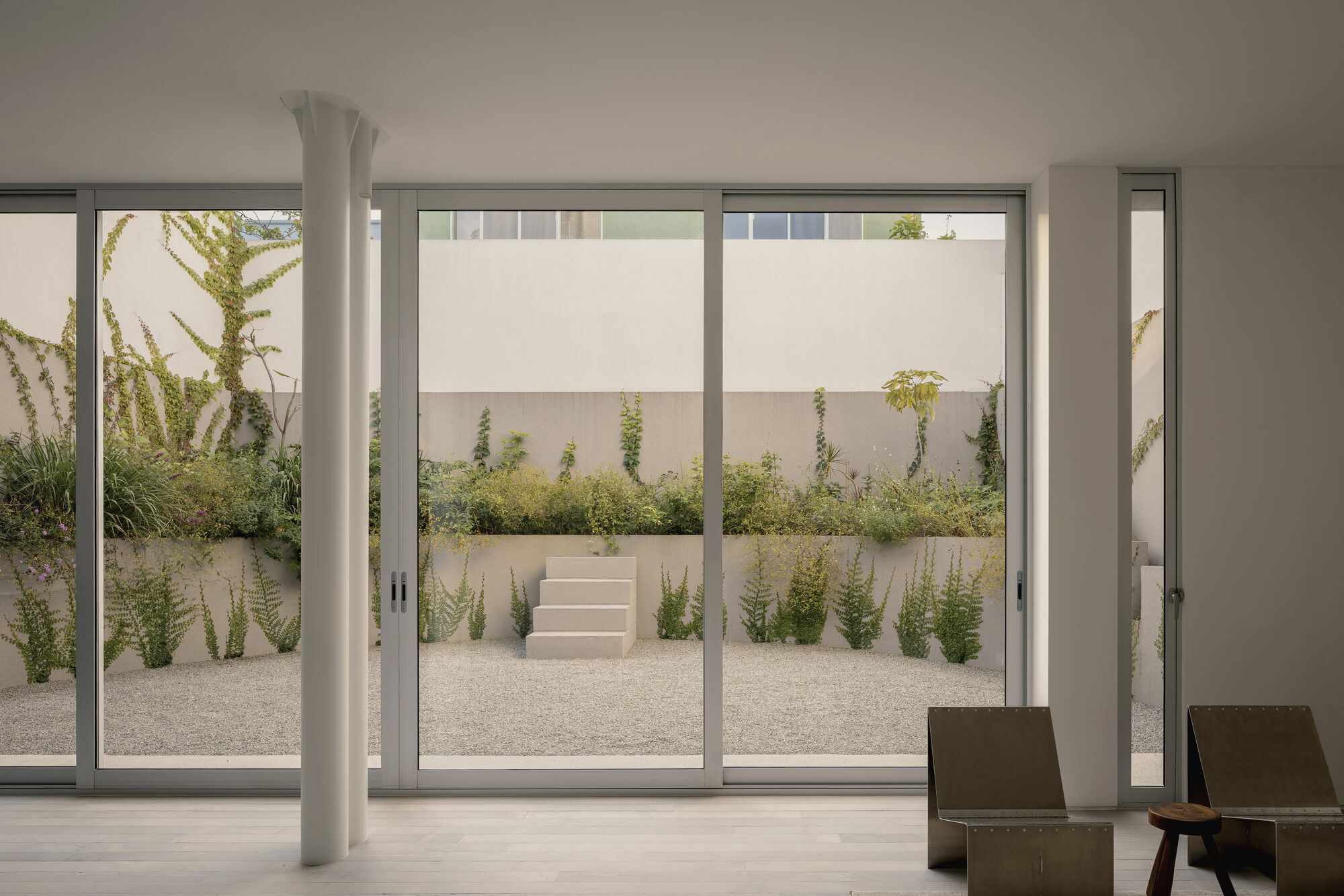
How did the local climate and topography of Xalapa specifically shape the design decisions? For example, how do the cantilevered slabs function as both solar protection devices and rainwater collectors, and what other passive strategies were most important?
Xalapa is characterized by abundant rainfall, persistent humidity and moderate temperatures throughout much of the year. It is a context that demands permeability: an architecture capable of maintaining an active and controlled engagement with the conditions that surround it. The organization of the house is founded on that premise.
The cantilevers are a key part of this environmental strategy. Their depth was calibrated to respond simultaneously to the region’s rainfall patterns and the need to control solar exposure without compromising natural ventilation. Rain remains present from sheltered spaces, humidity becomes visible, and the terraces retain a degree of habitability even during intense downpours.
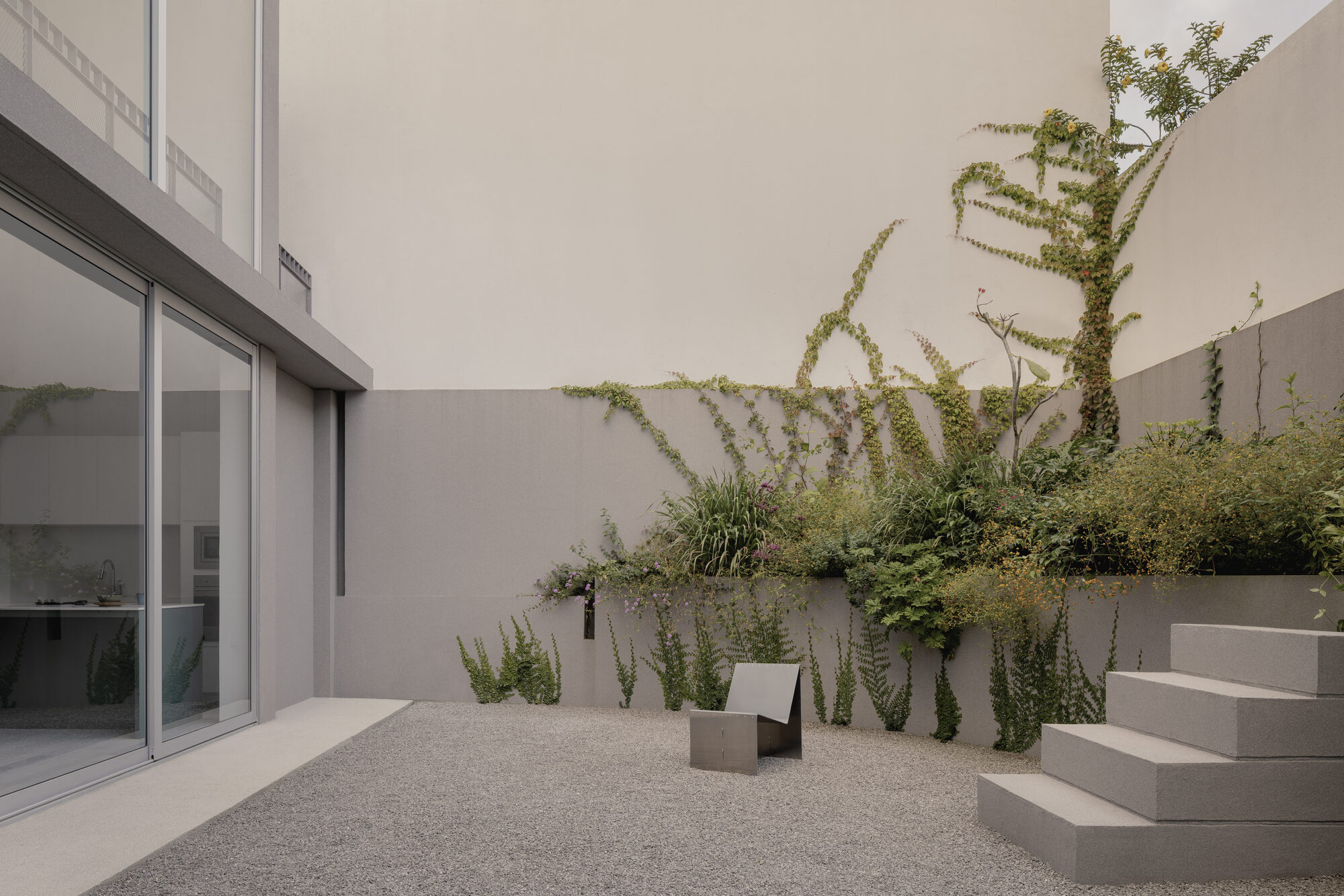
The water collected by these horizontal planes is directed into harvesting and storage systems, becoming part of a cycle that reduces external demand while making resource management visible. Ultimately, the goal was not to isolate the interior from the climate, but to construct a precise mediation that regulates how the weather is experienced.
Topography introduced a second layer of complexity. The site’s natural slope allowed each level to establish a qualitatively different relationship with its surroundings. This is where verticality finds its true purpose: not as an exercise in programmatic stacking, but as a tool capable of unfolding and accumulating relationships.
Movement between levels ceases to be merely functional and becomes a gradual experience of place. Each ascent alters the inhabitant’s relationship with climate, vegetation, city and horizon. The house reveals itself as a sequence of successive approaches to the same geographical reality.
The house organizes daily life as a vertical sequence of rituals, with different degrees of privacy expressed through height. How did you determine the spatial hierarchy between the bedroom level, the living and studio level, and the technical volume on top?
The vertical organization of Casa Tlaloc is conceptualized as a sequence of evolving encounters with the territory, rather than as a simple gradation of privacy.
The ground floor concentrates the house’s collective spaces and establishes its most immediate connection to the garden. Here, the landscape ceases to operate as a visual backdrop and becomes a physical condition of domestic experience. The bedrooms occupy an intermediate position, remaining closely connected to the everyday life of the house while beginning to participate in a more detached relationship with the ground. Elevation gradually alters the light and introduces a first degree of separation without isolating the inhabitants.
Above them are spaces of more open-ended use: study, exercise, gathering or simple contemplation. These areas are defined less by a fixed program than by their capacity to accommodate varying intensities of occupation. Their visual openness and direct exposure to the landscape reinforce this sense of freedom.

A significant decision appears in the uppermost layer. There is a persistent paradox in contemporary housing: the more dependent it becomes on complex technical systems, the greater the effort to conceal them. Such systems are often relegated to residual spaces, as though architecture begins where infrastructure ends.
The placement of the technical core at the crown of the building deliberately responds to this contradiction. Its visible presence explicitly acknowledges the systems that make inhabitation possible. Rather than remaining hidden, they become an active component of domestic life and, consequently, of the architecture itself.

The cruciform plan on the first floor and the more open, terrace-focused upper level create a beautiful transition from contained to expansive spaces. What was your thinking behind this progression, and how does it relate to the inhabitants’ daily experience?
The cruciform plan emerged as a response to a common limitation in vertical housing: the tendency to organize space around a single dominant axis, often resulting in predictable circulation patterns and linear spatial relationships. The pinwheel-like configuration, by contrast, introduces a productive ambiguity. It maintains a clearly legible center while projecting space simultaneously in four directions. Orientation remains stable, yet the spatial experience becomes diverse. Environmental phenomena vary according to one’s position within the plan.


The true significance of this organization lies in the number of relationships it can generate without the need for partitions or movable elements. Complexity is embedded within the spatial structure.
As the house rises, this condition evolves in section. The upper terraces are the logical consequence of a prior process of densification. Expansion gains its deeper meaning because it emerges from an earlier condition of compression and enclosure. The vertical journey thus becomes an experience that moves from the introspective to the panoramic, allowing the surroundings to be perceived at an urban scale as Xalapa’s ever-changing atmospheric conditions become part of the domestic realm.
Material and color choices appear very restrained, particularly the white interiors and terracotta-toned surfaces. What guided your material palette, and how do these choices support the interplay between structure, light and landscape?
We approached materiality as a seismograph of time, a record of the site’s climate etched onto the building’s skin. Rather than pursuing the pristine permanence of a static object, our search focused on specifying surfaces capable of accepting the passage of time.
We understand buildings as living organisms in perpetual transformation, and we designed Casa Tlaloc to embody that evolution. Its identity is not fixed at the moment of completion. Instead, it is forged through an ongoing process of adaptation. As materials weather and patinas develop, the architecture matures, acquiring a depth that only time can bestow.


On the exterior, the volume is wrapped in a stone-like grey. We sought a restrained and enduring presence, an austere plane against which greenery and fog become protagonists. Inside, white reduces visual contrast, allowing external transformations to become part of the lived interior experience. In Xalapa, weather is a building material; the restrained palette provides the framework through which its qualities become legible.

In many projects today, sustainability is treated as a checklist. In Casa Tlaloc, it seems deeply embedded in the architectural language itself. How do you see the relationship between structure, performance and beauty in this project?
To understand sustainability as a checklist reveals a fracture in the practical thinking of our field: the artificial separation between what a building does and what it expresses. Our preoccupation begins from a simple premise: what happens when environmental constraints become design drivers?
From this perspective, environmental performance ceases to function as an added technological prosthesis and instead becomes the matrix of architectural language. We want our work to participate in the long tradition of buildings that regulate temperature, manage water and modulate light, not because layers of engineering have been superimposed onto them, but because they emerge from a deep reading of their geography.
In our case, when environmental imperatives assume the responsibility of constructing spatial experience, sustainability ceases to be an argument and becomes an inseparable quality of the building.
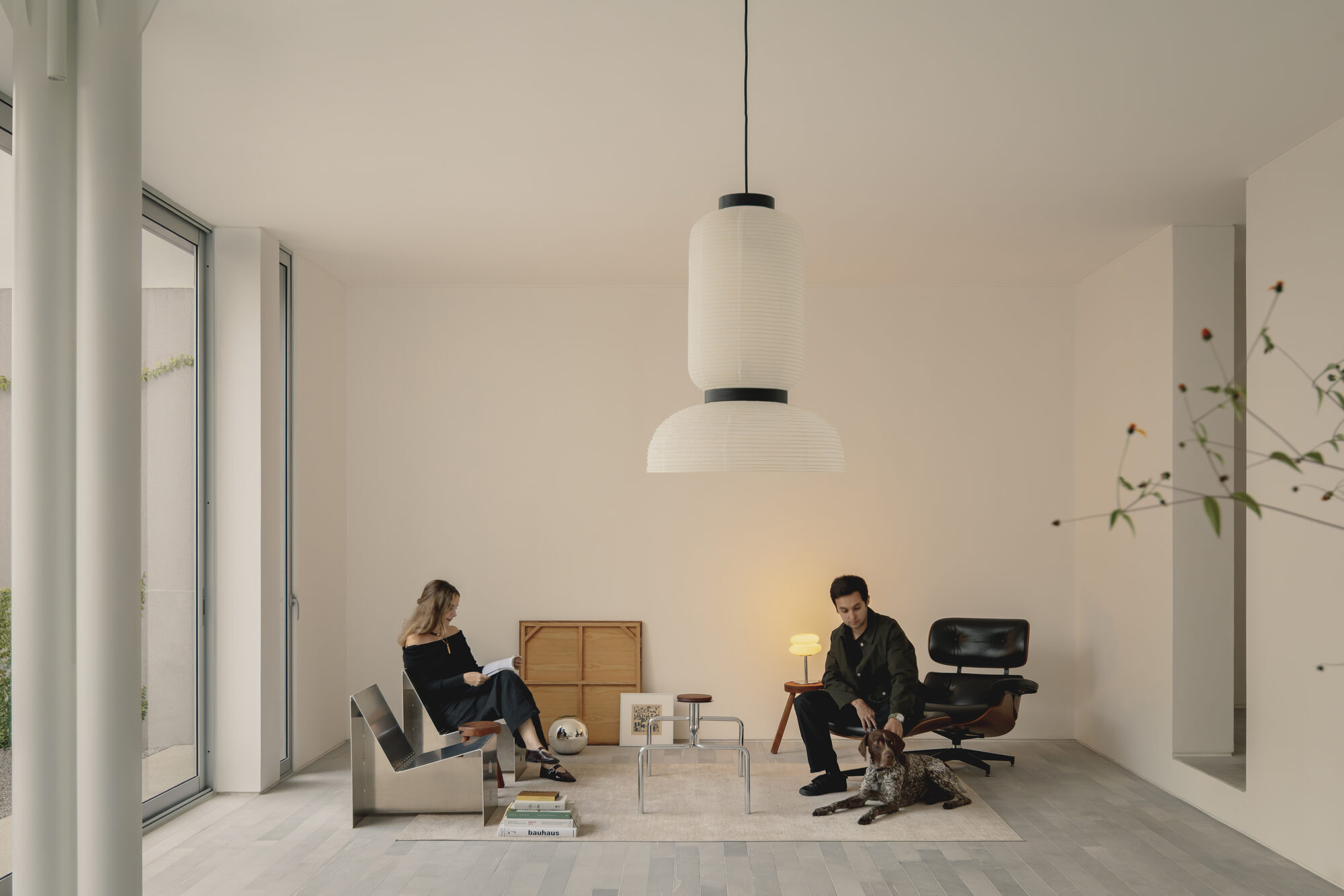
Looking at the finished house through César Béjar’s photography, the building has a strong sculptural presence while remaining calm within its context. How important was the dialogue between the house and its surrounding urban and natural landscape during the design process?
Xalapa is defined by conditions in constant flux. Far from responding to a fixed scenario, the project begins with that inherent instability.
The volumetric rigor of the house seeks to provide an exact framework through which these fluctuations can be recorded. Structure and geometry establish a precise order, while variations in atmosphere continuously transform it. The character of the house lies entirely in this tension between permanence and variation.
César Béjar’s photographs capture this dynamic with particular precision, depicting an architecture that acts as a sensitive instrument, whose identity is rigorously constructed in dialogue with its surroundings.
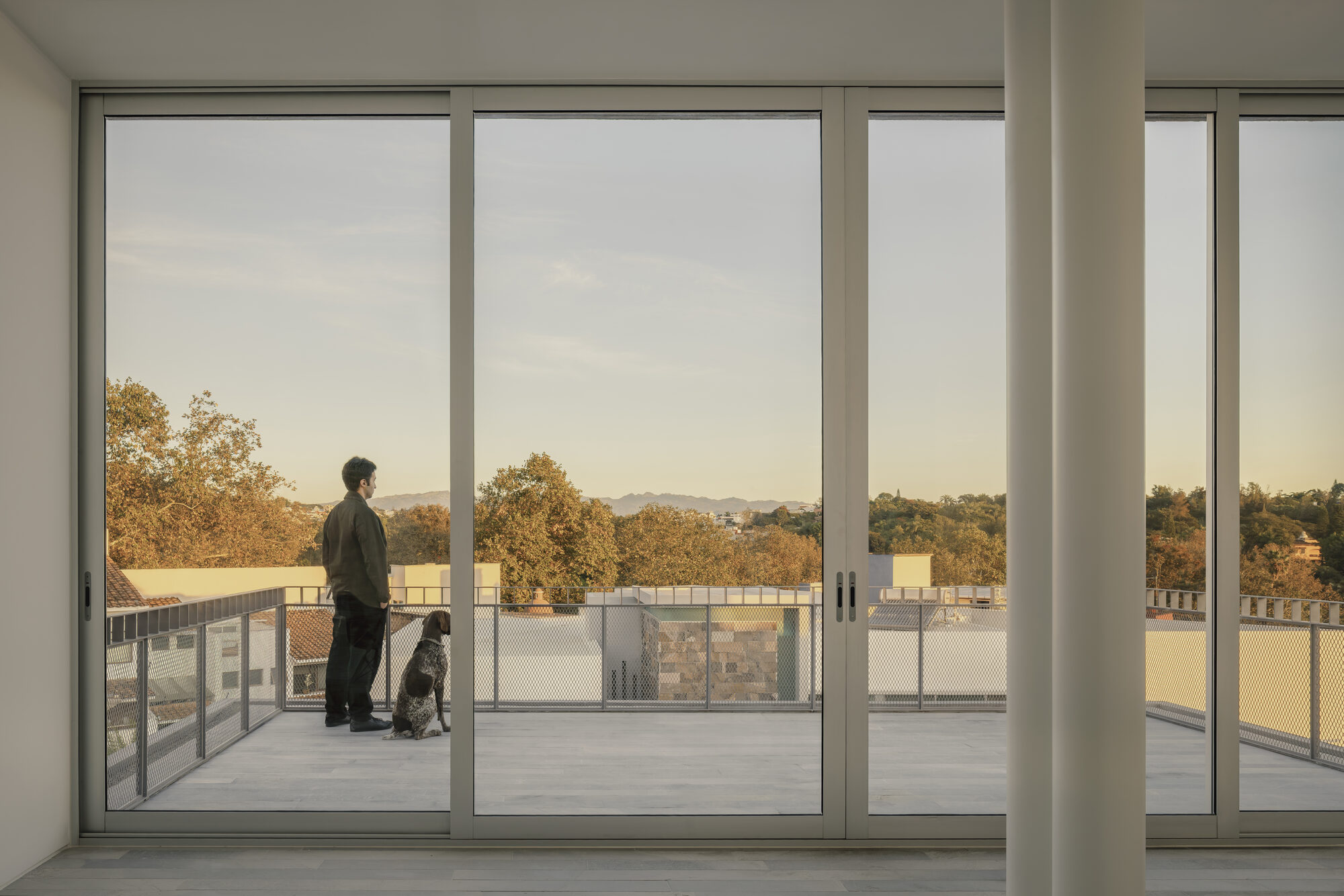
If you had to summarize the core architectural philosophy or lesson that Casa Tlaloc represents for you and your studio, what would it be? Is there a particular idea about contemporary Mexican or Latin American architecture that this project tries to advance?
Casa Tlaloc reaffirms a central conviction of our practice: true architectural strength arises from resolving complex problems at their root, integrating technique into the very heart of the idea.
A fundamental debate runs through this project: the distinction between localism and specificity. Localism constructs identity by accumulating recognizable signs, textures or forms that evoke a regional image. Specificity, by contrast, emerges from a rigorous reading of foundational realities: climate, resources, labor and the patterns of occupation that allow a building to endure. Localism cites a context; specificity builds it from within.
Faced with urgent challenges such as densification and access to water, the most relevant responses emerge from informed analysis. Casa Tlaloc materializes that position: an architecture where climate, matter, technique and human experience are integrated into a unified whole.

Article Credit
Text by Rafael Cunha
Time 06.2026
Model Photography: Zaickz Moz / @zaickz.moz
Architectural Photography: César Béjar / @cesarbejarstudio