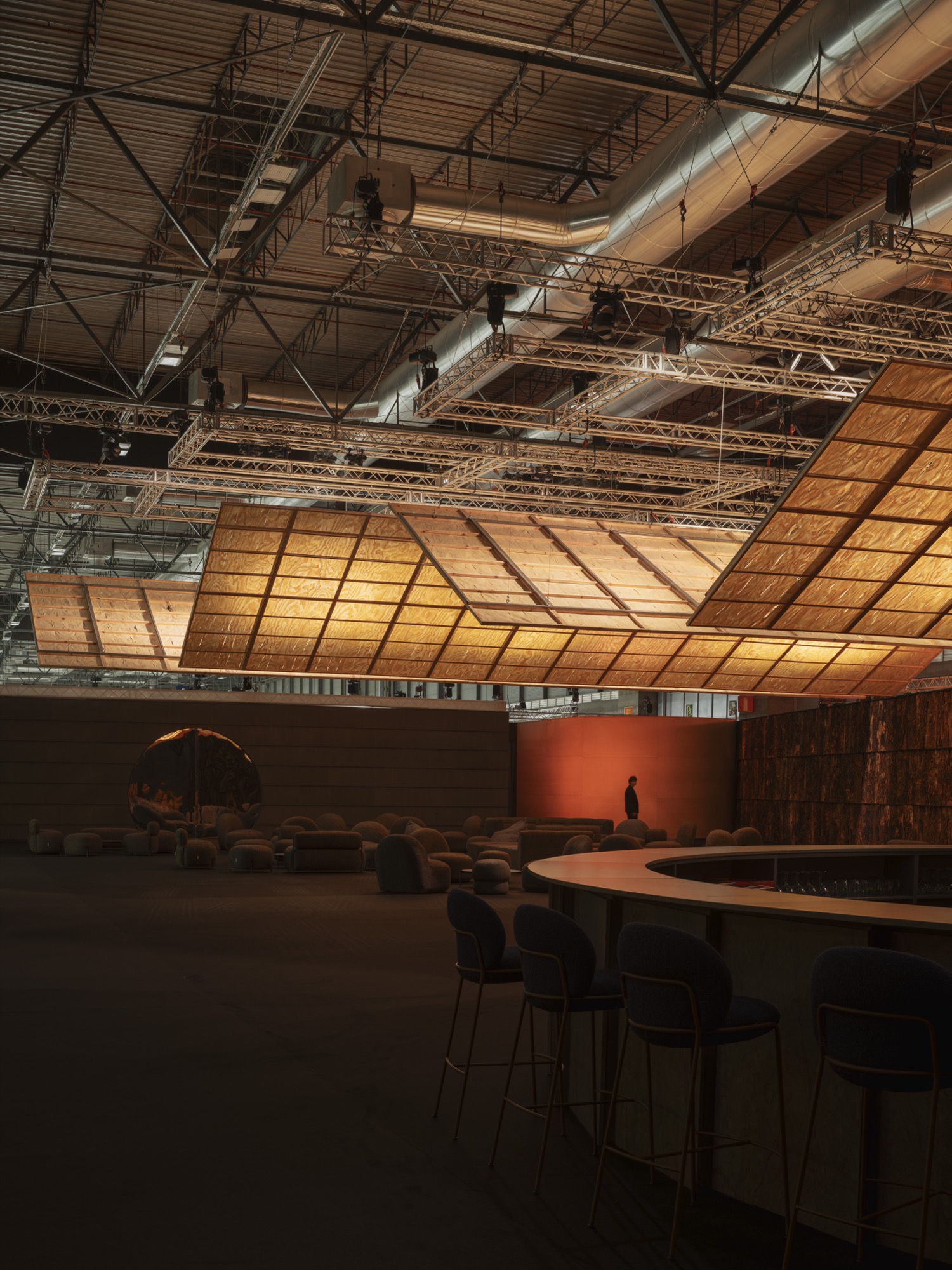
Now Reading: Billboards designs Landforms real estate office as spatial manifesto
-
01
Billboards designs Landforms real estate office as spatial manifesto

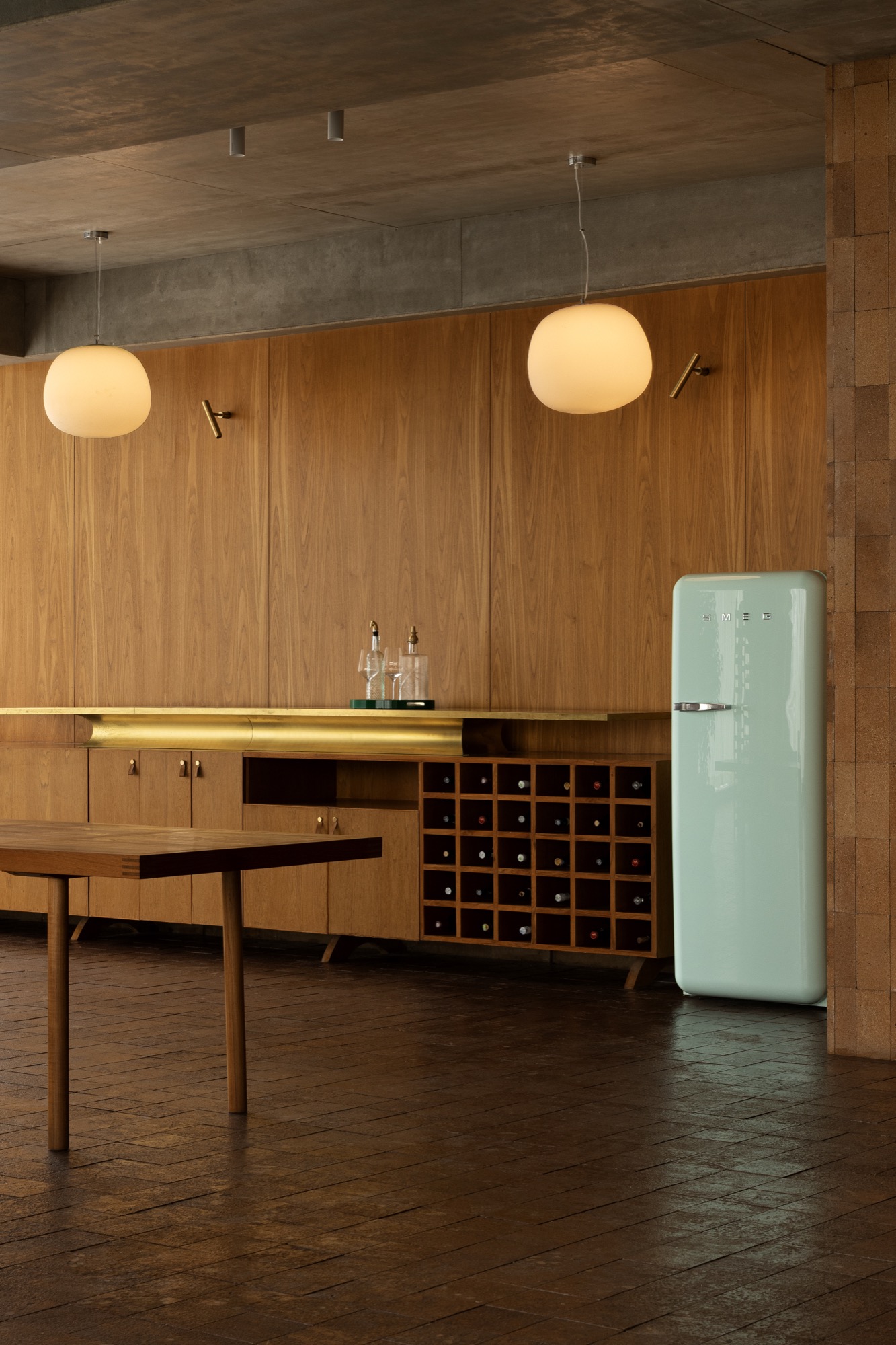

In contemporary real estate culture, offices are typically conceived as transactional environments where plans, brochures, and models serve as instruments of persuasion. Landforms, designed by Billboards, proposes a different approach. Rather than functioning merely as a workplace, the project operates as a spatial manifesto for the company’s philosophy, translating the abstract concepts of land development, master planning, and habitation into a tangible architectural experience.
The project brings together working spaces, master planning displays, and model homes within a single environment. Instead of presenting land through diagrams or drawings alone, the architecture itself becomes a medium through which ideas about territory, structure, and settlement can be experienced directly.

According to Arun, principal of Billboards, the ambition was to create a space where planning ideas could be perceived physically rather than only visually. The office therefore becomes a three dimensional interpretation of land thinking, allowing visitors to navigate an environment that echoes the logic of territorial organisation.

Rejecting the rigid compartmentalisation typical of corporate interiors, the spatial organisation unfolds as a fluid sequence of zones. These areas are defined not by enclosed rooms but by subtle transitions in material, light, and spatial character.
Visitors move gradually between spaces dedicated to discussion, presentation, and exhibition. The absence of strict boundaries produces a sense of continuity that mirrors the layered complexity of land planning itself. Circulation becomes exploratory rather than prescriptive, encouraging visitors to experience the office as a landscape of ideas.


Within this environment, models and master planning displays are integrated directly into the architecture. Rather than being treated as objects placed inside a showroom, they emerge from the spatial structure itself. Half height plinths and shelving grow from the same material vocabulary as the walls, allowing scaled models to sit naturally within the space.


This strategy reinforces the conceptual framework of the project. The office becomes a demonstration of how land can be shaped and inhabited, transforming architectural display into an immersive spatial narrative.


Materiality plays a central role in grounding the experience. Exposed concrete ceilings introduce a sense of structural weight and permanence, establishing a raw architectural backdrop that anchors the interior.
This solidity is balanced by the warmth of wood surfaces that wrap walls, partitions, and built in elements throughout the office. The interplay between concrete and timber produces a tactile dialogue between heaviness and softness, structure and craft.


Glass surfaces with ribbed and fluted textures appear repeatedly across the project. These translucent thresholds filter light while maintaining visual continuity between zones. Instead of functioning as barriers, they operate as atmospheric membranes that blur spatial boundaries while preserving a sense of openness.
The resulting material palette is restrained yet expressive. It avoids decorative excess while reinforcing the central theme of land as both physical and experiential territory.


Furniture and lighting are deliberately understated in order to foreground the architectural framework. Low profile seating, custom tables, and integrated storage elements maintain visual clarity while supporting multiple modes of interaction.
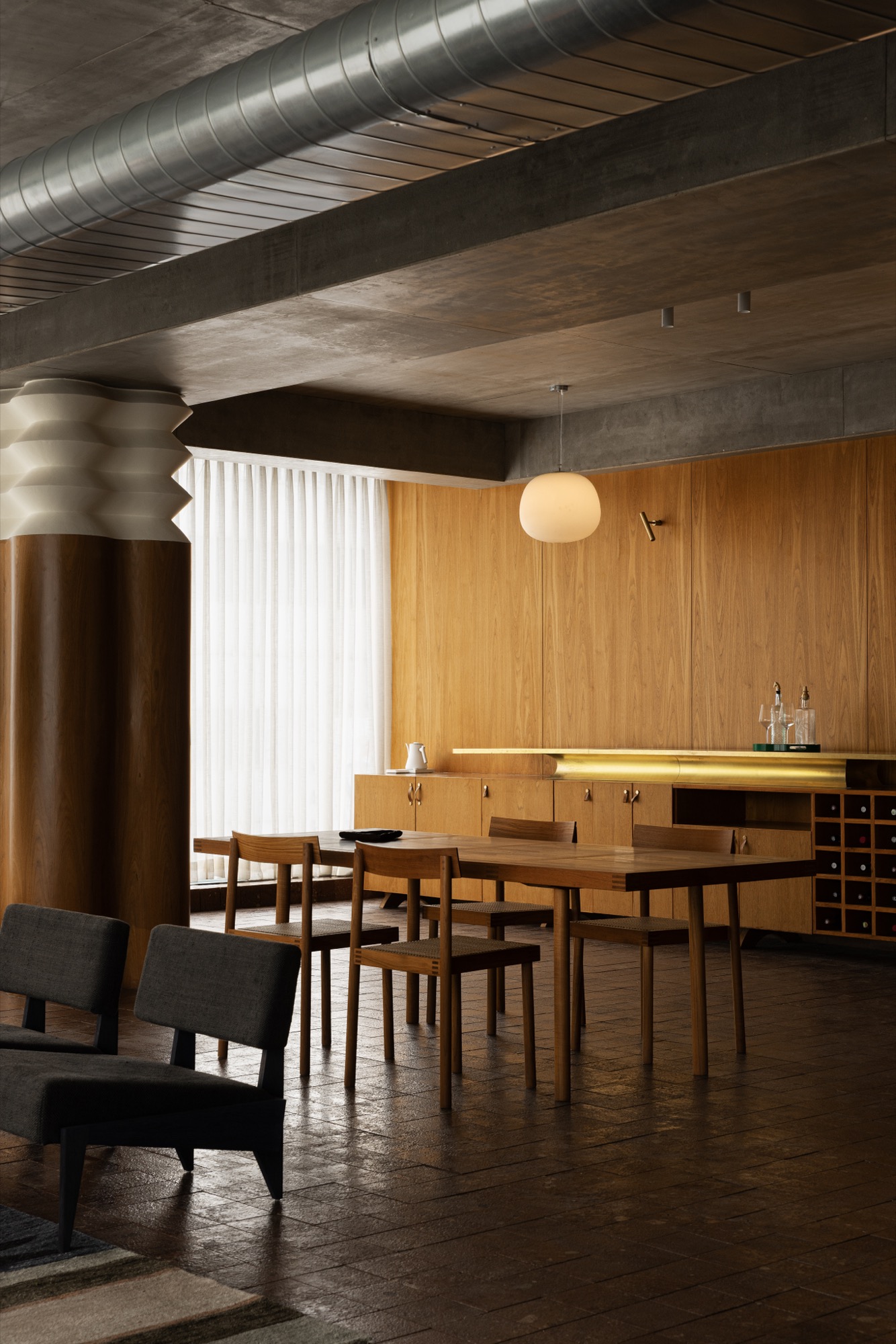
Lighting strategies reinforce the contemplative character of the interior. Concealed sources wash surfaces with soft illumination, while carefully positioned sculptural pendants introduce moments of visual focus. Together they create an atmosphere suited equally to professional discussion and public engagement.
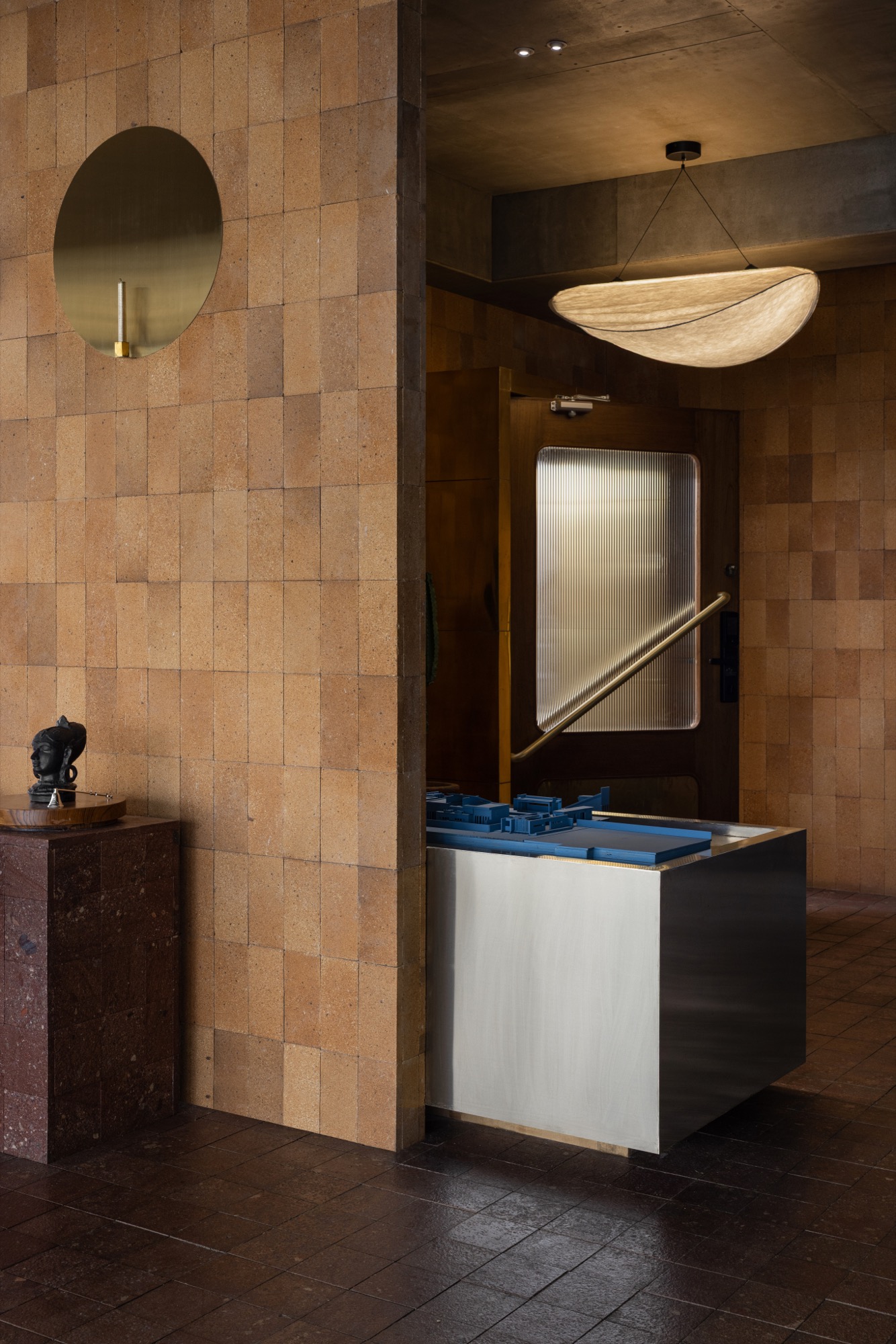
In this environment, architecture does not act as a neutral backdrop. Instead it becomes an active demonstration of spatial thinking. The office itself performs as a prototype for the company’s broader approach to land development, illustrating how territory can be organised, articulated, and inhabited.

Ultimately, Landforms occupies a hybrid position between workplace, gallery, and architectural experiment. It presents land not simply as a commodity but as a spatial condition shaped by design, material, and experience.


By translating planning concepts into built form, the project allows visitors to encounter the philosophy of land development through movement, texture, and atmosphere. If conventional real estate offices focus on selling property, Landforms proposes a different ambition. It invites visitors to understand land as a living spatial system.
As the architects explain, the project succeeds when visitors leave with a clearer sense of how territory can be perceived through architecture. In this sense, the office becomes both a place of work and a demonstration of the ideas it represents.
Project Credit
Design firm: Billboards / @thebillboards.co
Photo: Phosart Studio / @phosartstudio