
Now Reading: A wood-fired kiln and satoyama landscape extend Bosco Colto’s work in Sicily
- 01
A wood-fired kiln and satoyama landscape extend Bosco Colto’s work in Sicily


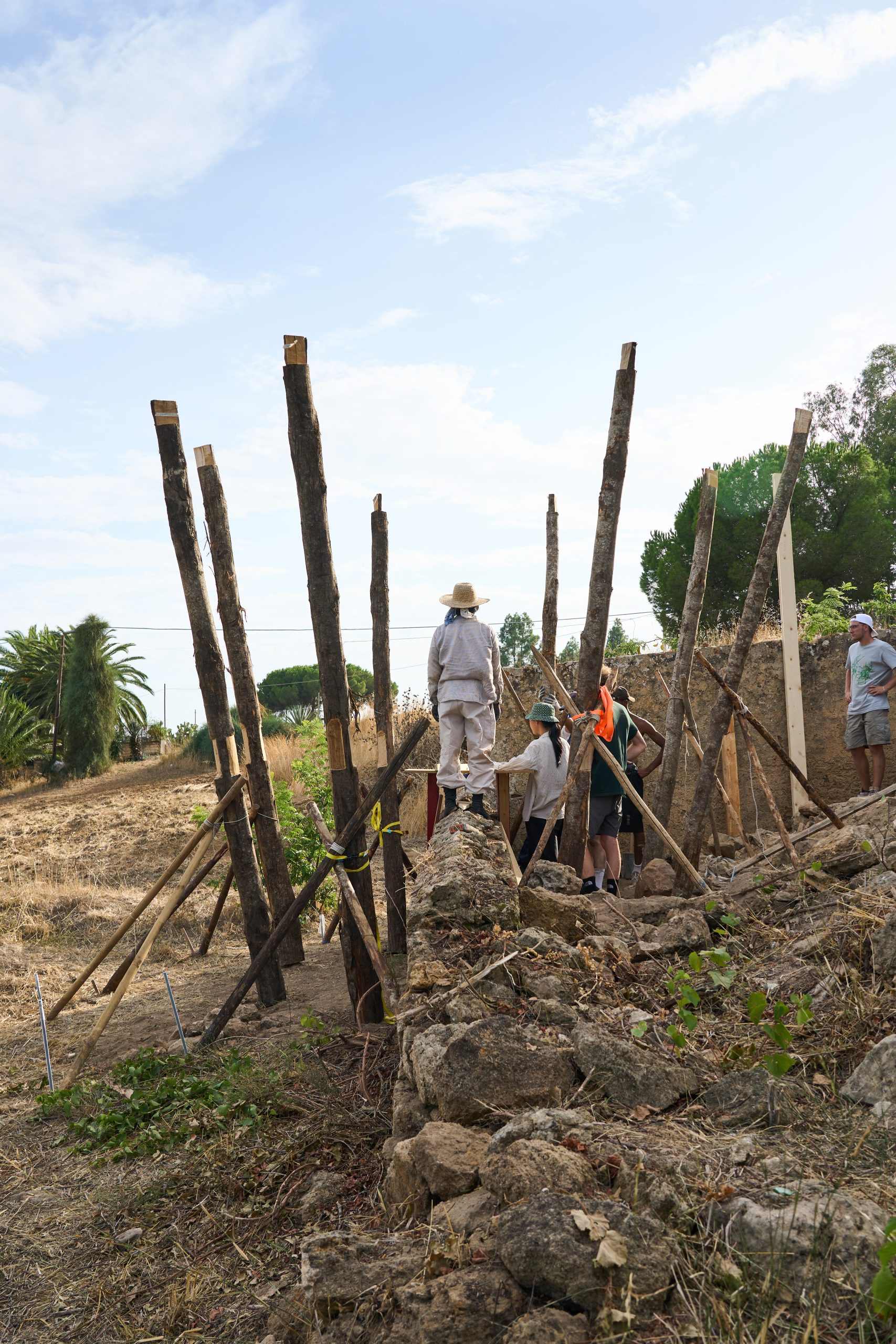
In southern Sicily, a wood-fired kiln and two light structures are extending a five-year experiment in how a village, its forest and its agricultural land can be cared for together. The new works form part of BOSCO COLTO Campus 2026, a research and construction programme in Santo Pietro that treats architecture as one layer in a longer process of local regeneration.
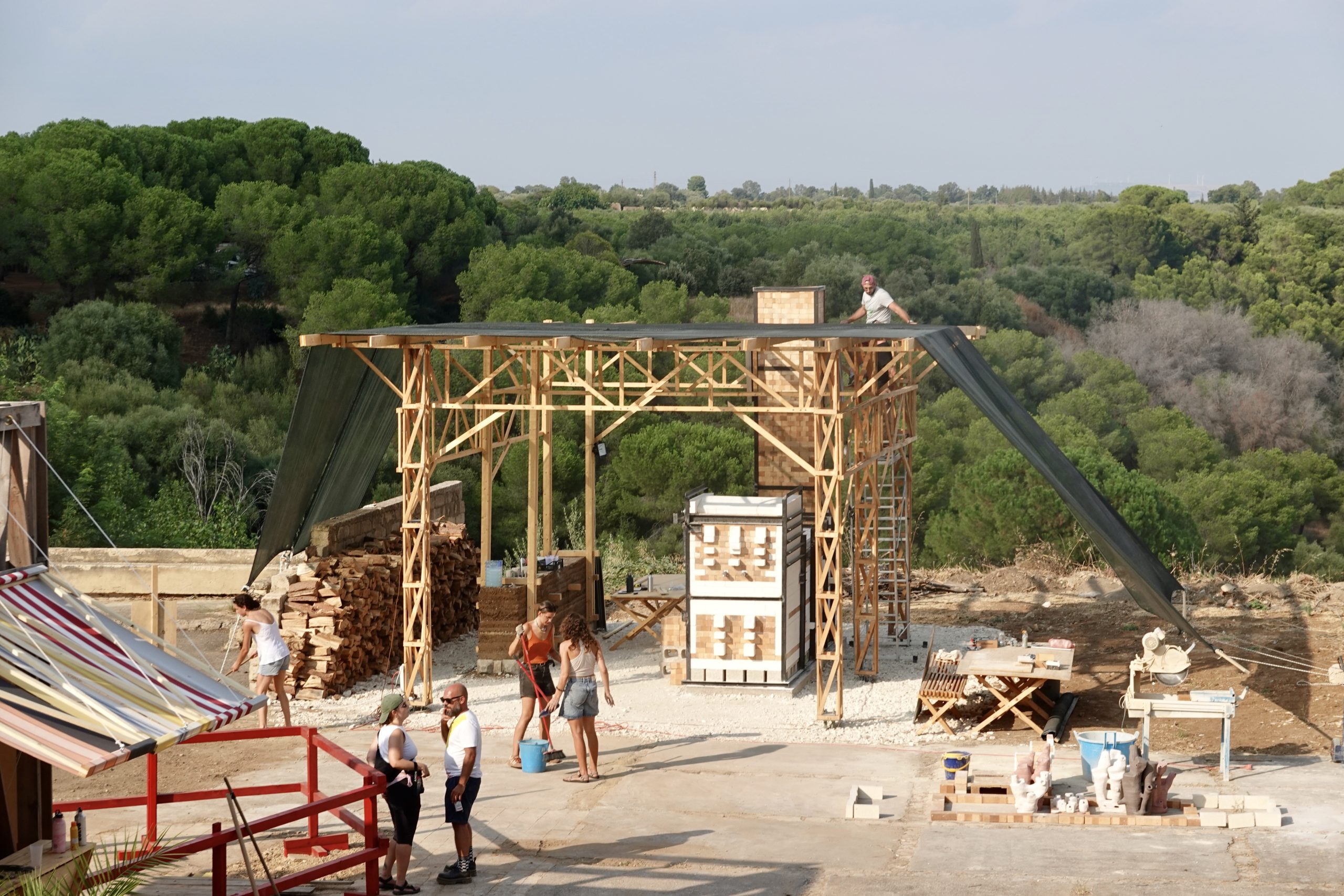
Organised by Makramè APS, the Campus has taken place since 2022 in the village and woodland of Santo Pietro, near Caltagirone. Its 2026 edition, titled “Thinking with Animals”, brought together eight international working groups. Alongside temporary installations and research, the programme completed two permanent works: a Hybrid Train Kiln for experimental ceramics and a pair of structures developed through a workshop led by Yoshiharu Tsukamoto of Atelier Bow-Wow.
A kiln that reconnects craft and community
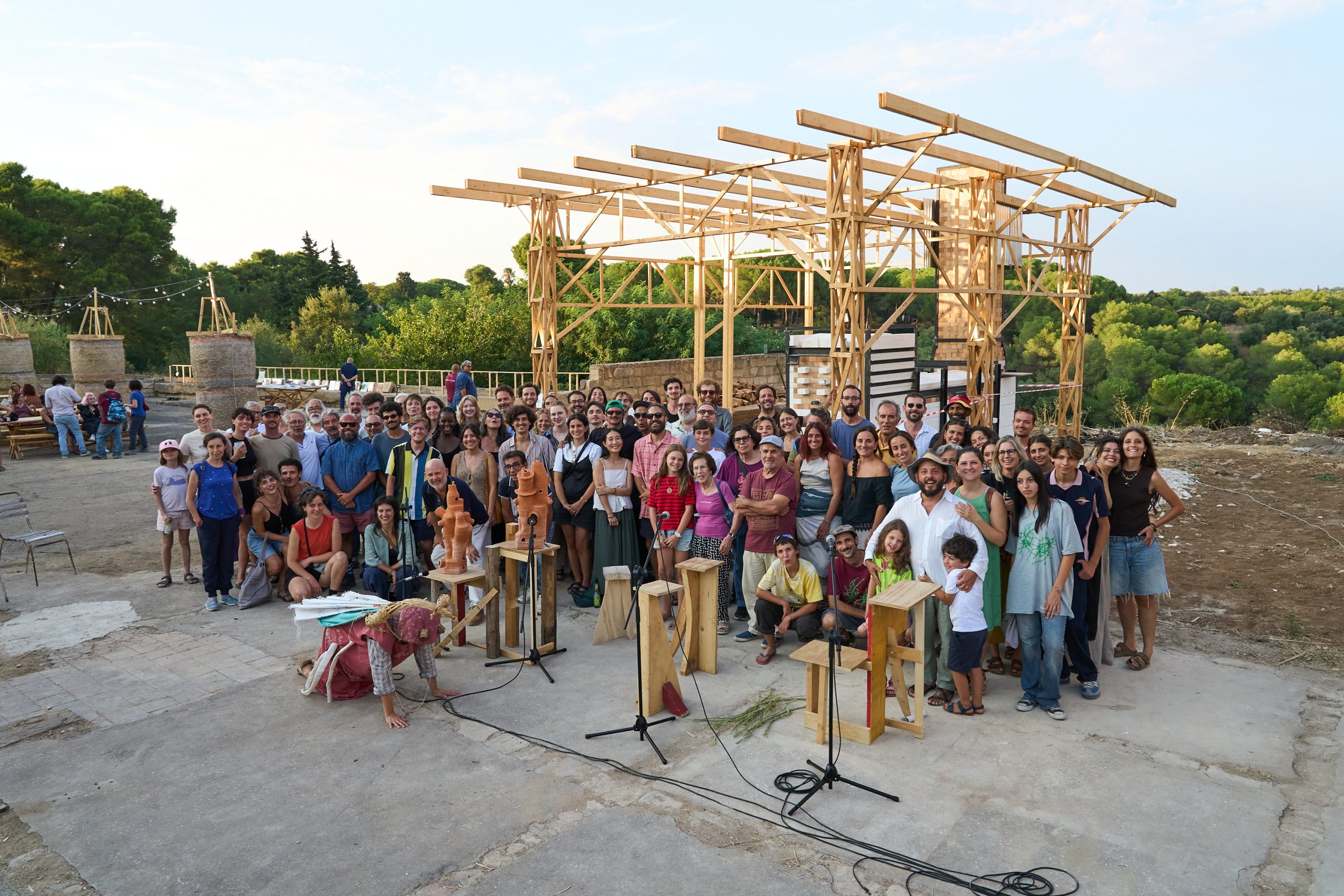
Inaugurated on 1 August behind the village’s old church, the Hybrid Train Kiln completes the courtyard of a nineteenth-century rural settlement. Its shelter reuses timber structural elements built for earlier Campus projects, while a low roof frames views across the valley. The woodland beyond once supplied fuel for Caltagirone’s kilns; the new facility brings ceramic firing back into that landscape as an active practice.
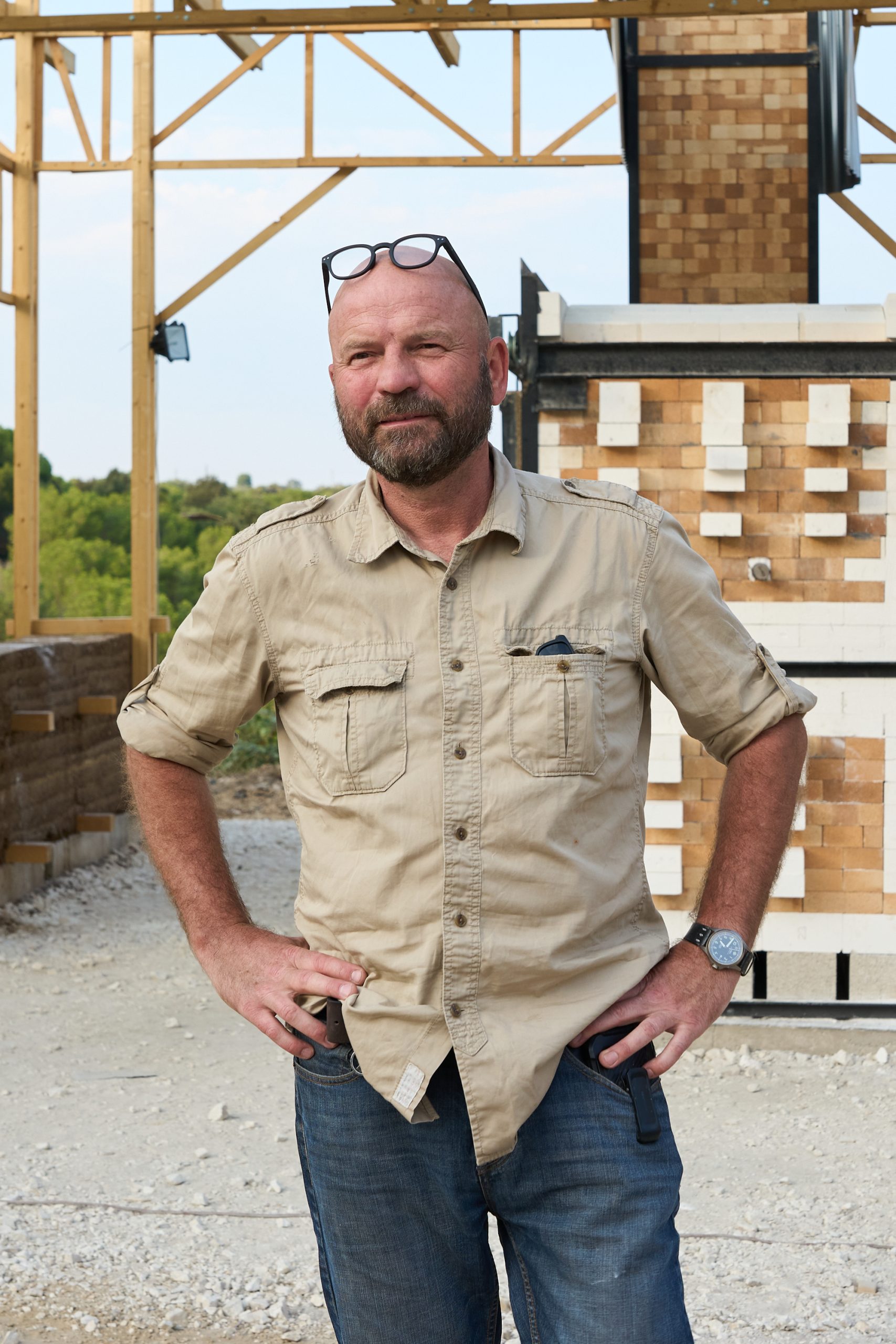
The kiln reaches temperatures of up to 1,350°C and is intended to become Casa Bosco Colto’s first permanent laboratory for research residencies in art, architecture, design and ecology. The project extends a three-year line of work by artists Domenico Mangano and Marieke van Rooy. Its technical development was led by wood-firing specialists Ted Neal of Ball State University and Polish ceramic artist Michał Puszczyński.
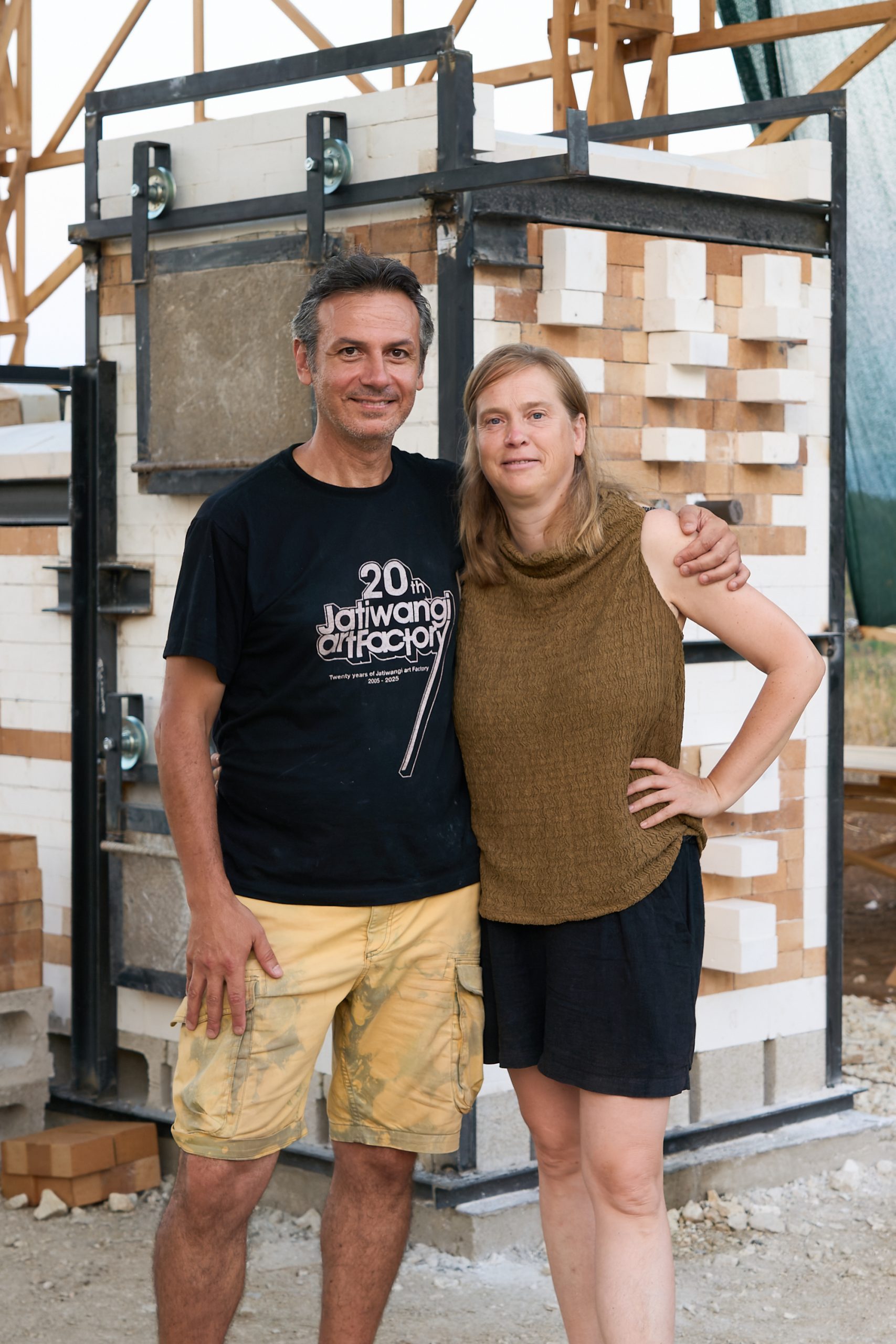
At its first firing, the kiln also became a gathering point. Programme co-director Marco Navarra recalled how its light drew local residents into the courtyard and brought back the memory of the communal bread oven that once served families living there. The infrastructure is therefore both a working tool and a renewed setting for shared life.
A Sicilian reading of satoyama
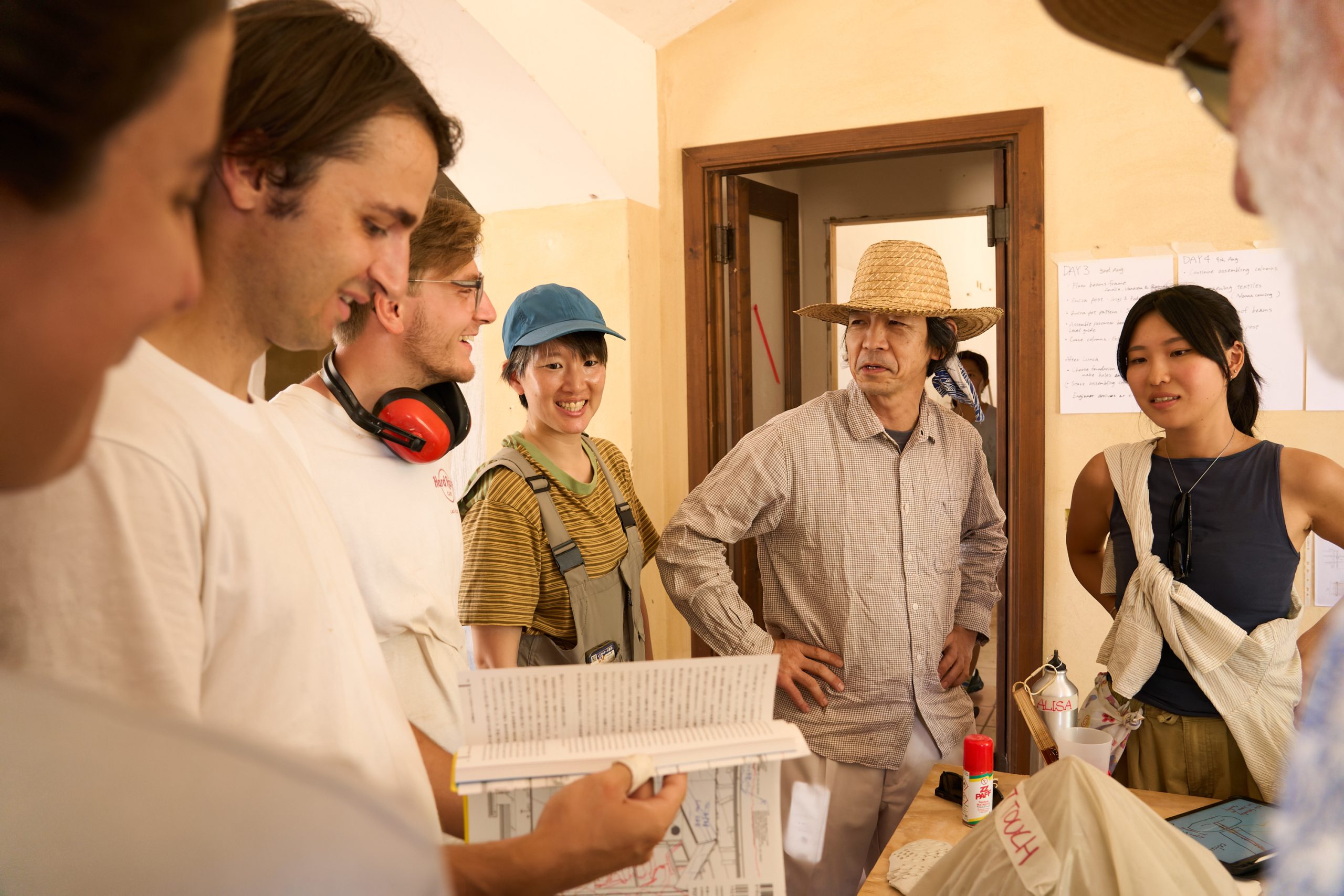
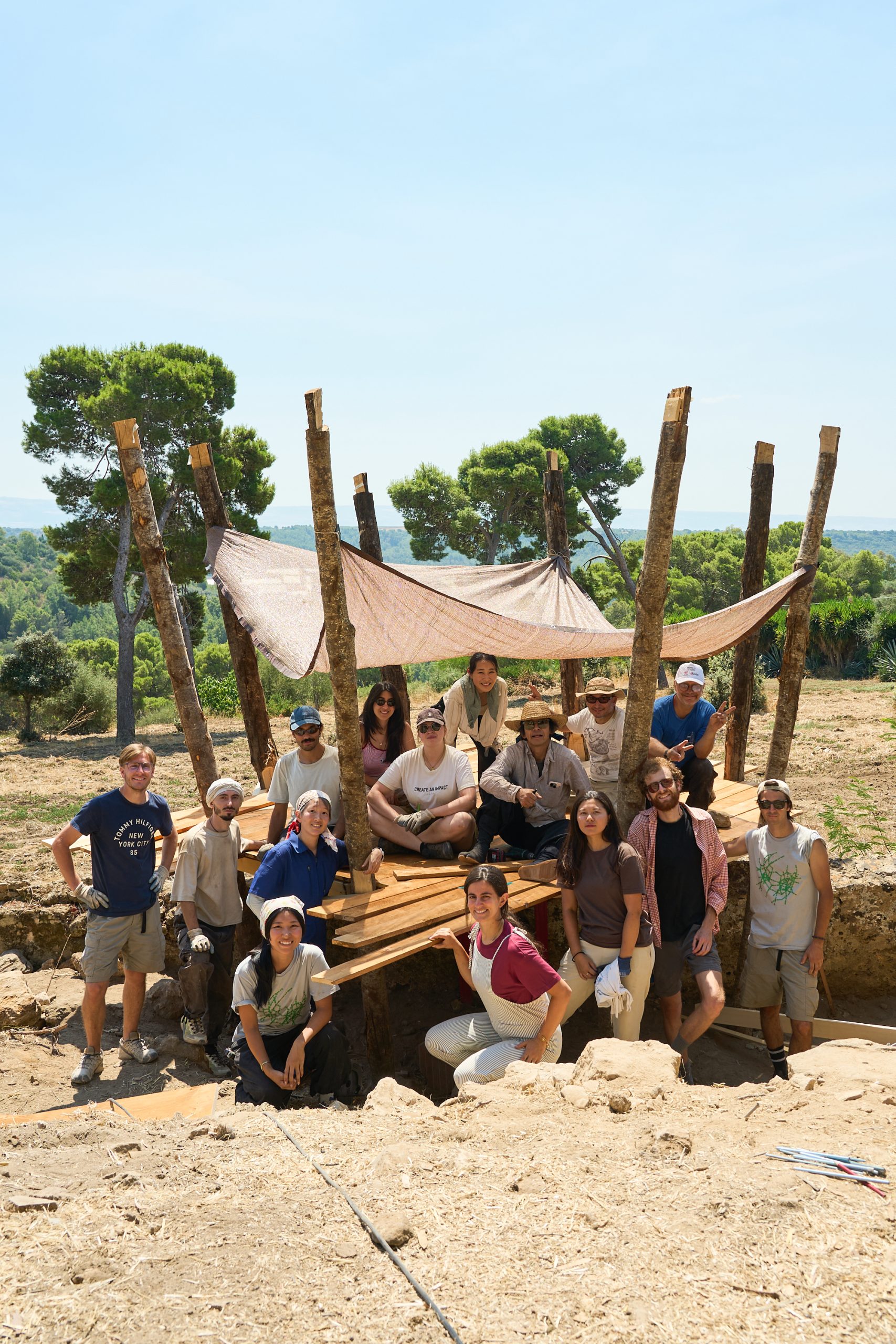
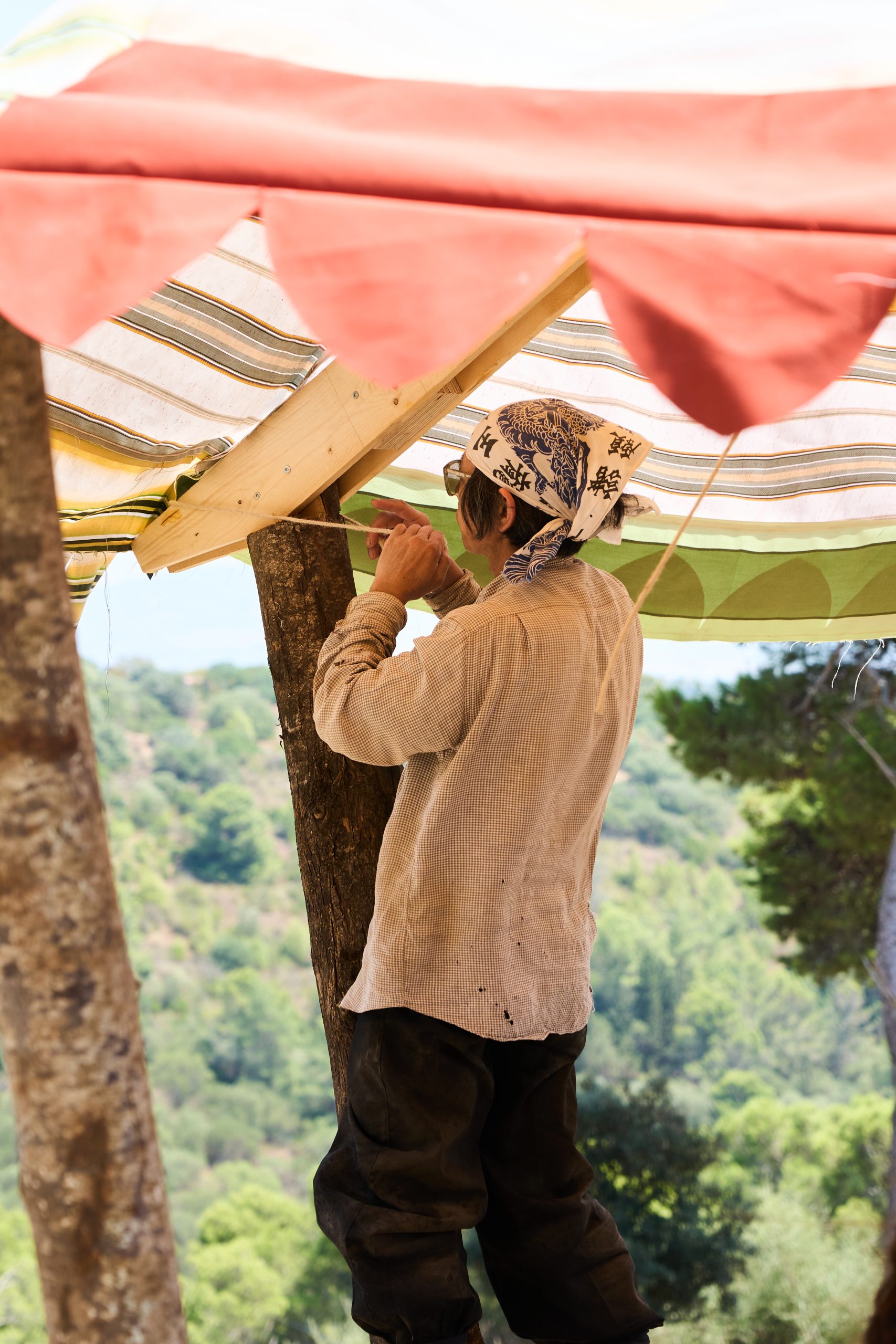
The second permanent outcome grew from the “Sicilian Satoyama” workshop led by Tsukamoto, co-founder of Atelier Bow-Wow. The group explored satoyama, a Japanese term for the cultivated landscape between settlement and wild nature, in an abandoned smallholding enclosed by dry-stone walls. A vegetable garden is being re-established within the walls, with an olive grove beyond, in collaboration with a local permaculturist.
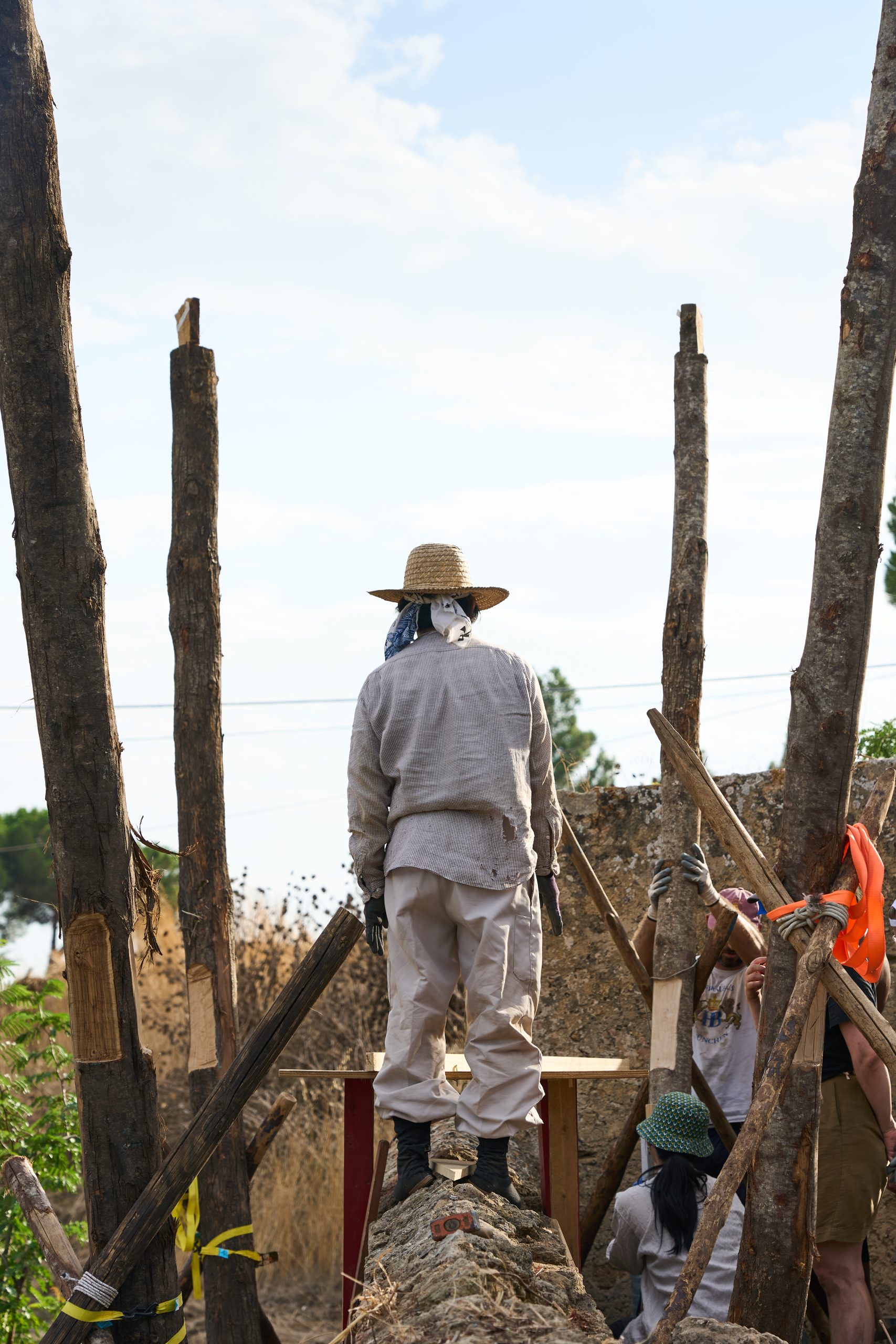
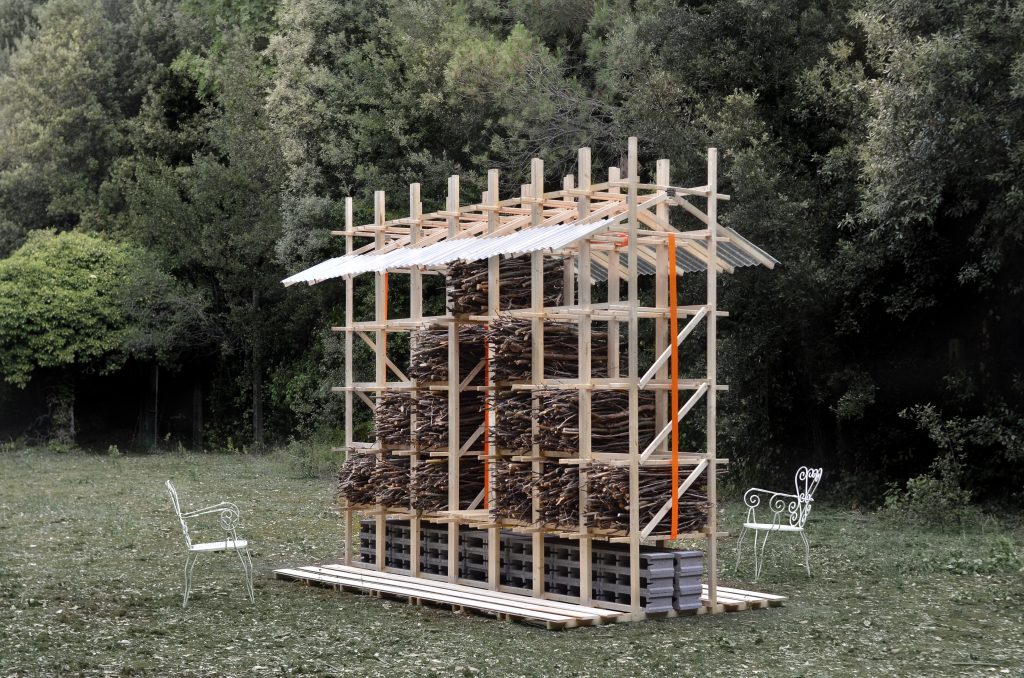
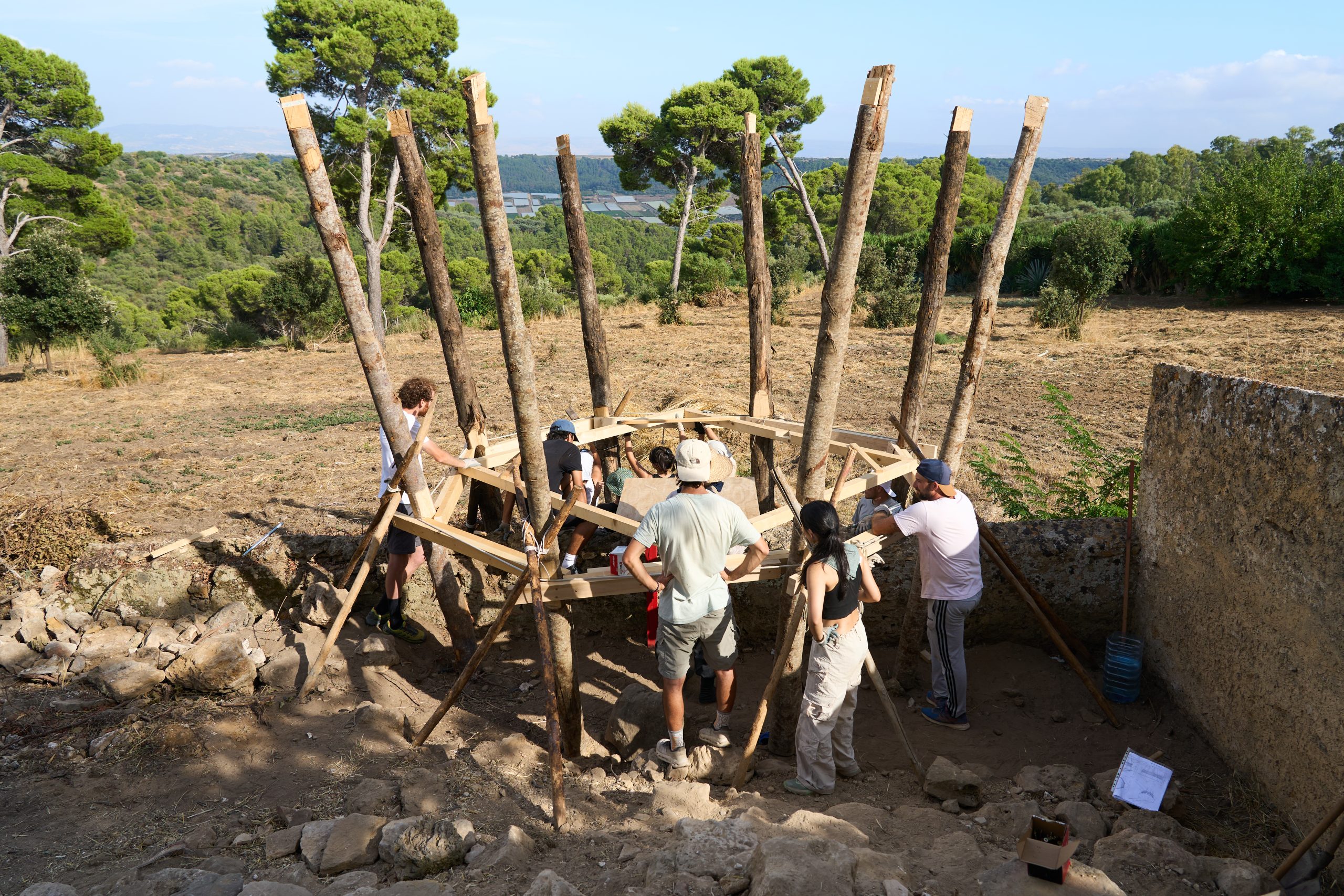
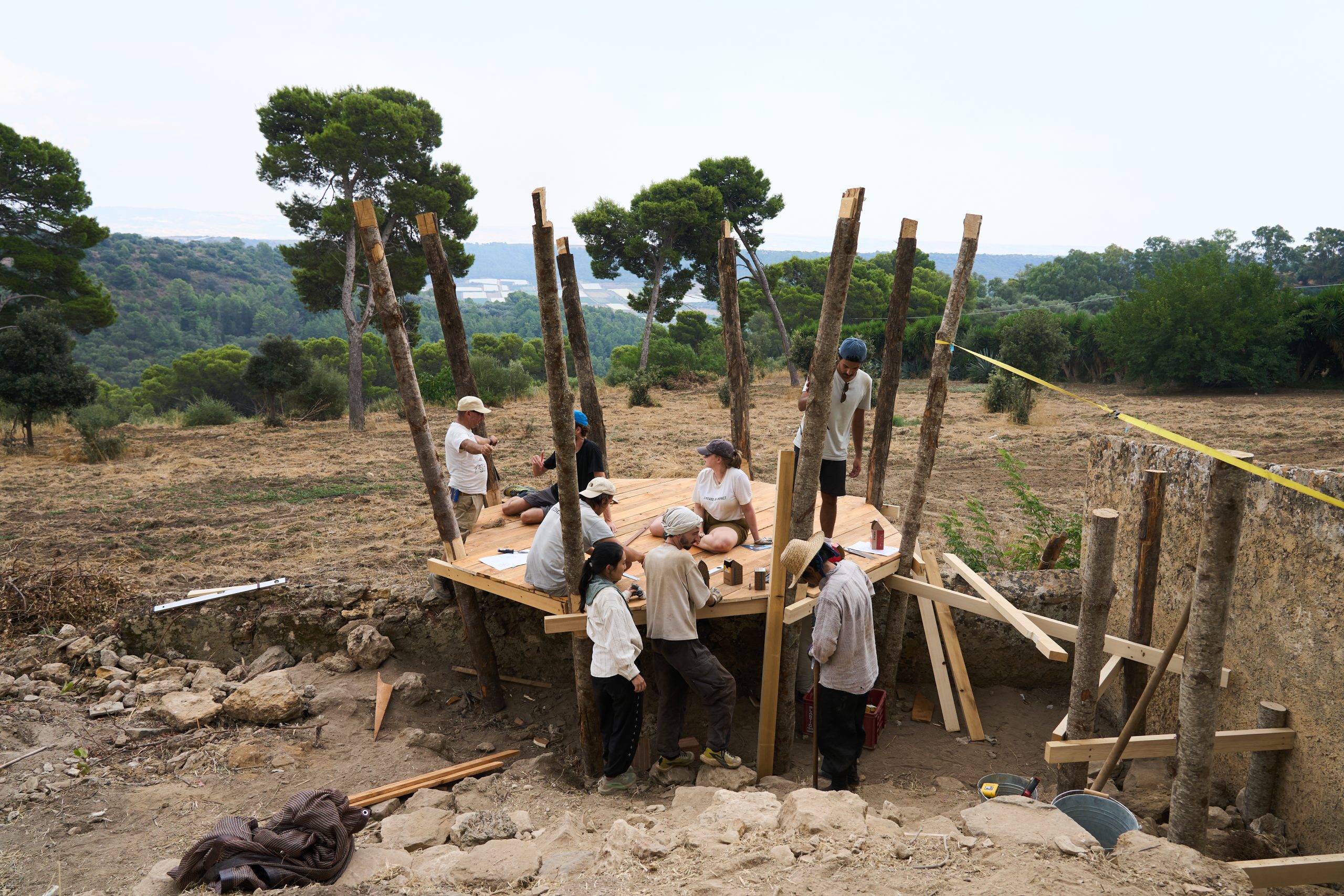
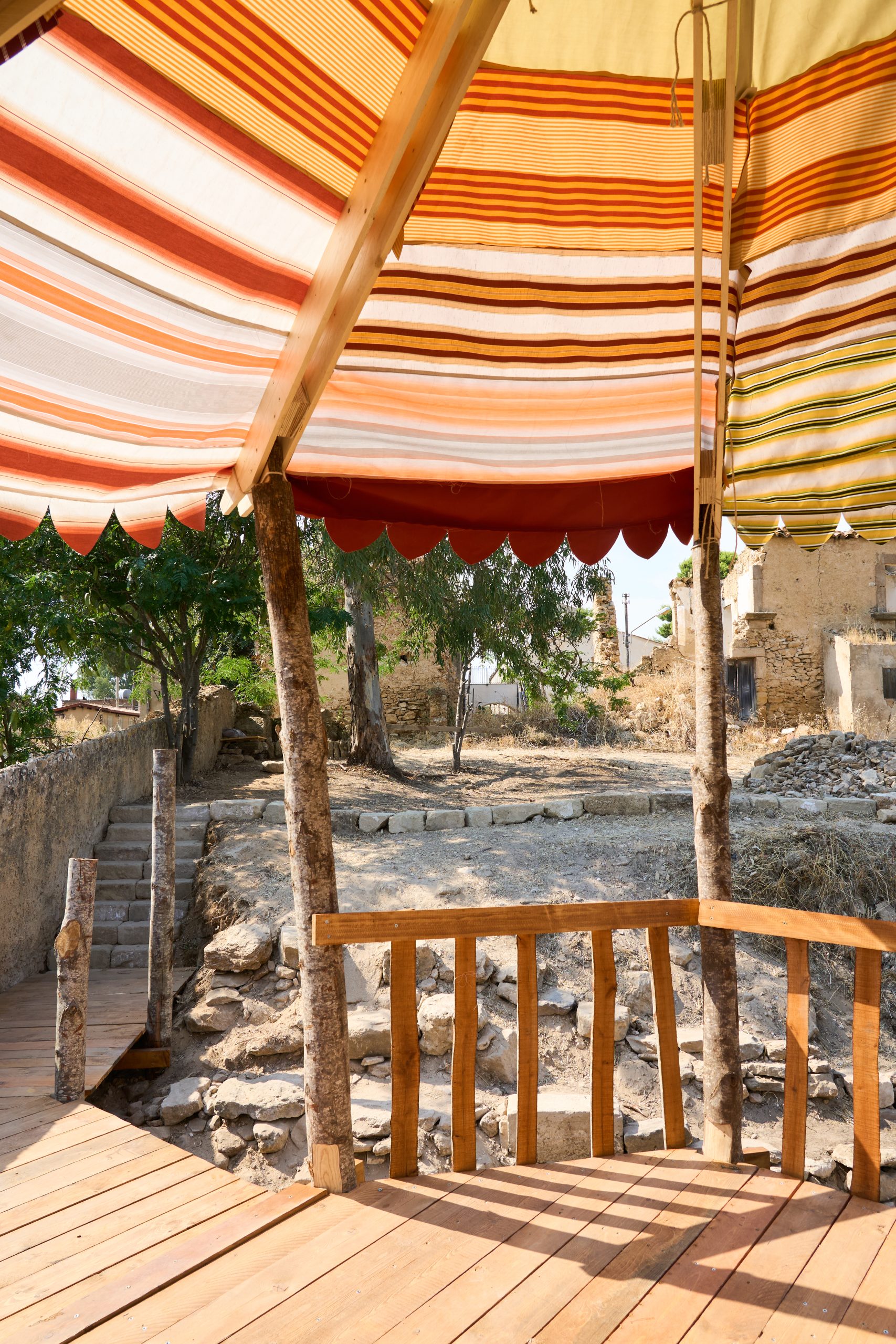
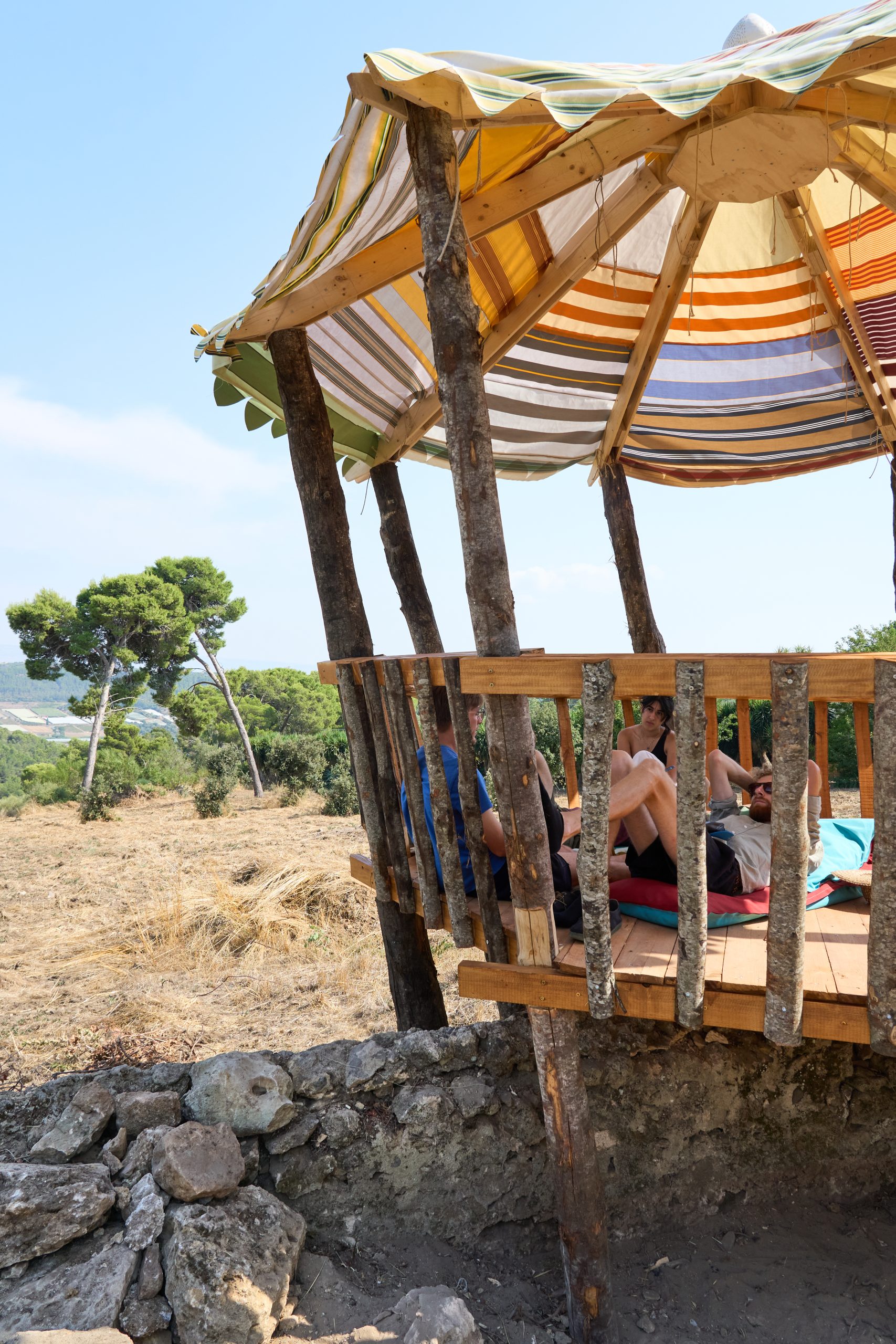
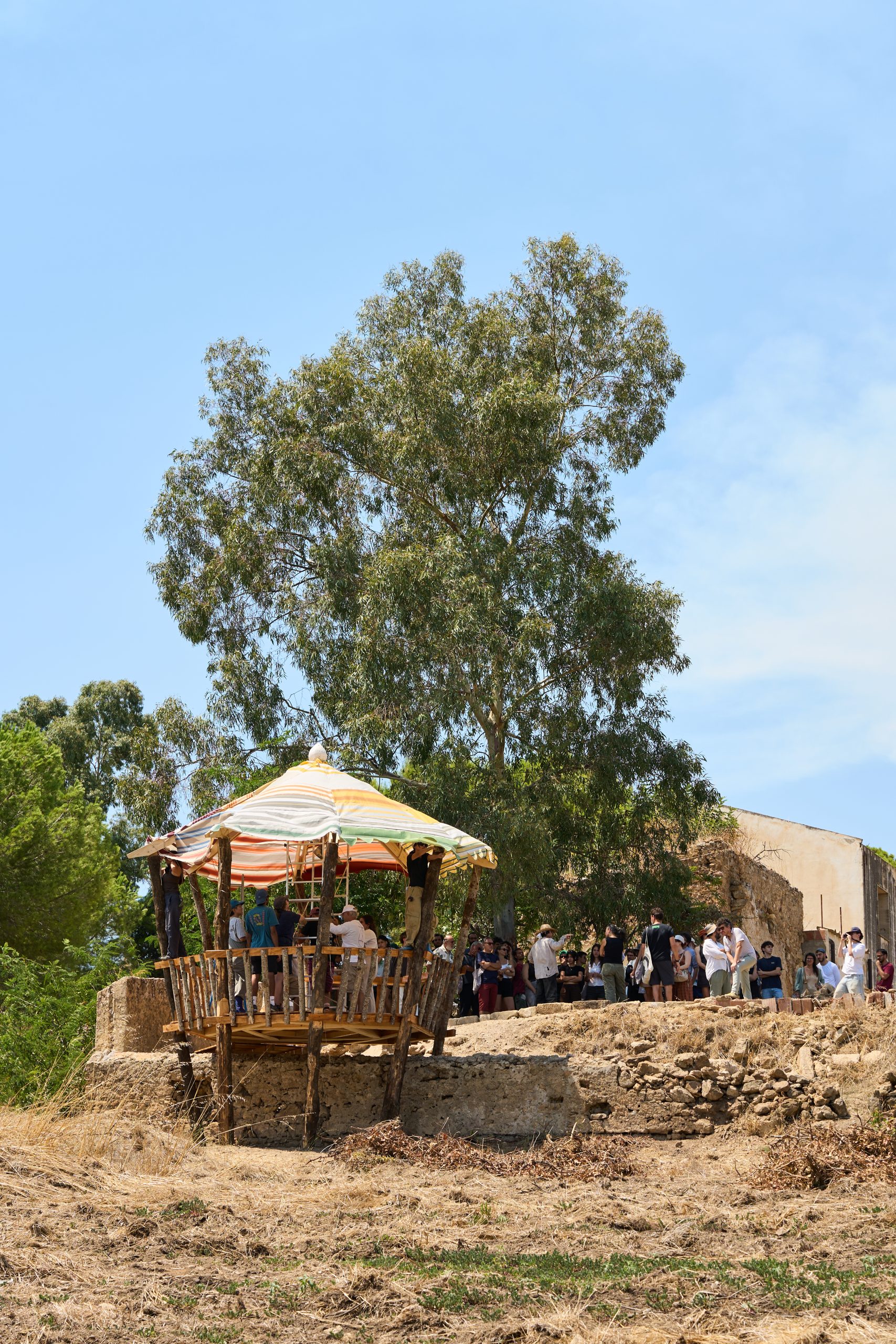
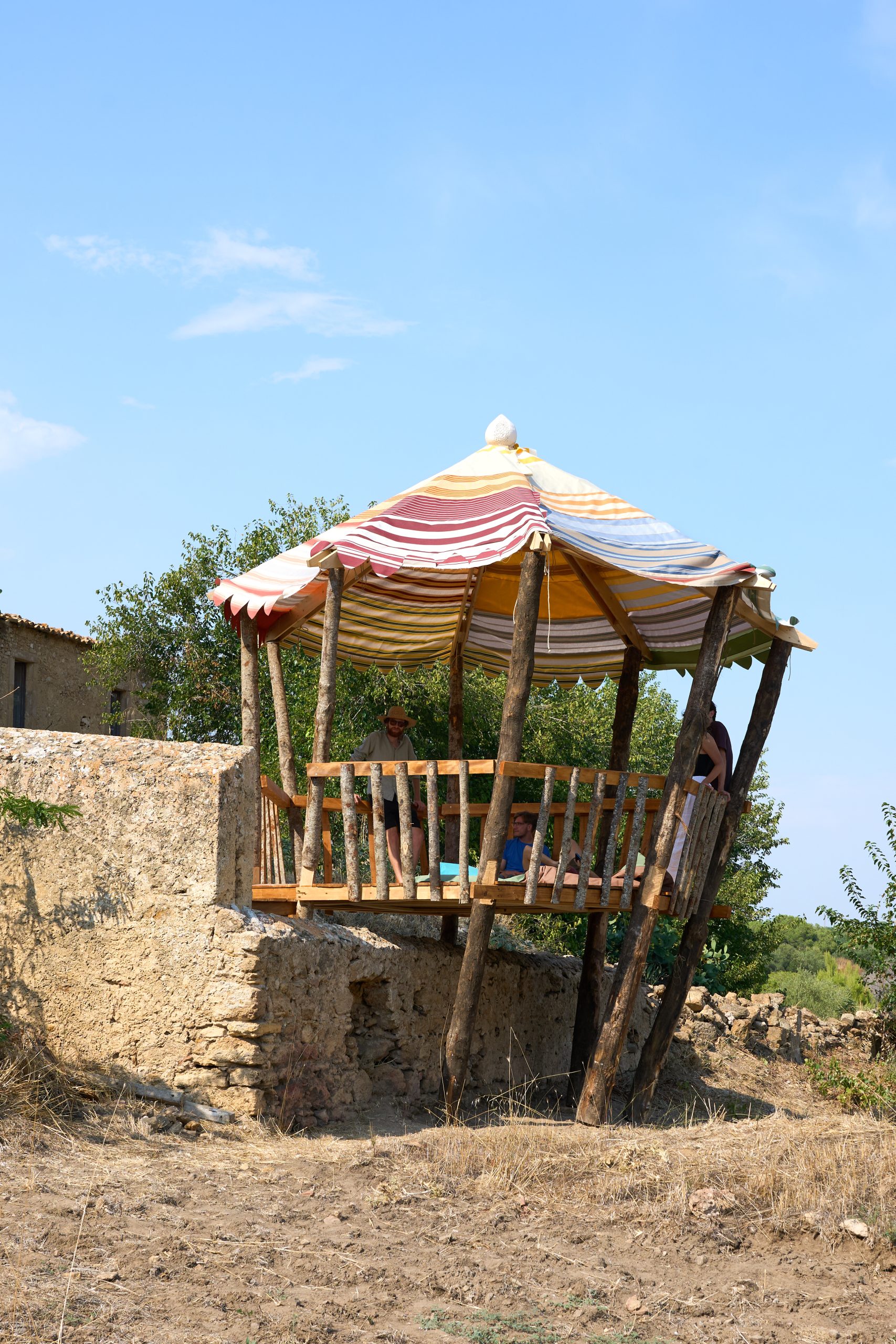
Two structures mark the first stage. The Zucca Gazebo is an octagonal platform carried on eight chestnut columns and covered by a coloured awning, bridging the stone boundary. The Mulberry Canopy creates a shaded place to rest within an existing grove, shaped through pruning and dry-stone terracing. One intervention adds a light frame; the other works by carefully removing and reshaping. Both make use of what is already present.
The landscape remains in progress. Future Campus editions are expected to continue the agricultural work, allowing the garden and grove to develop alongside the structures rather than treating them as a finished composition.
Research carried forward over five years
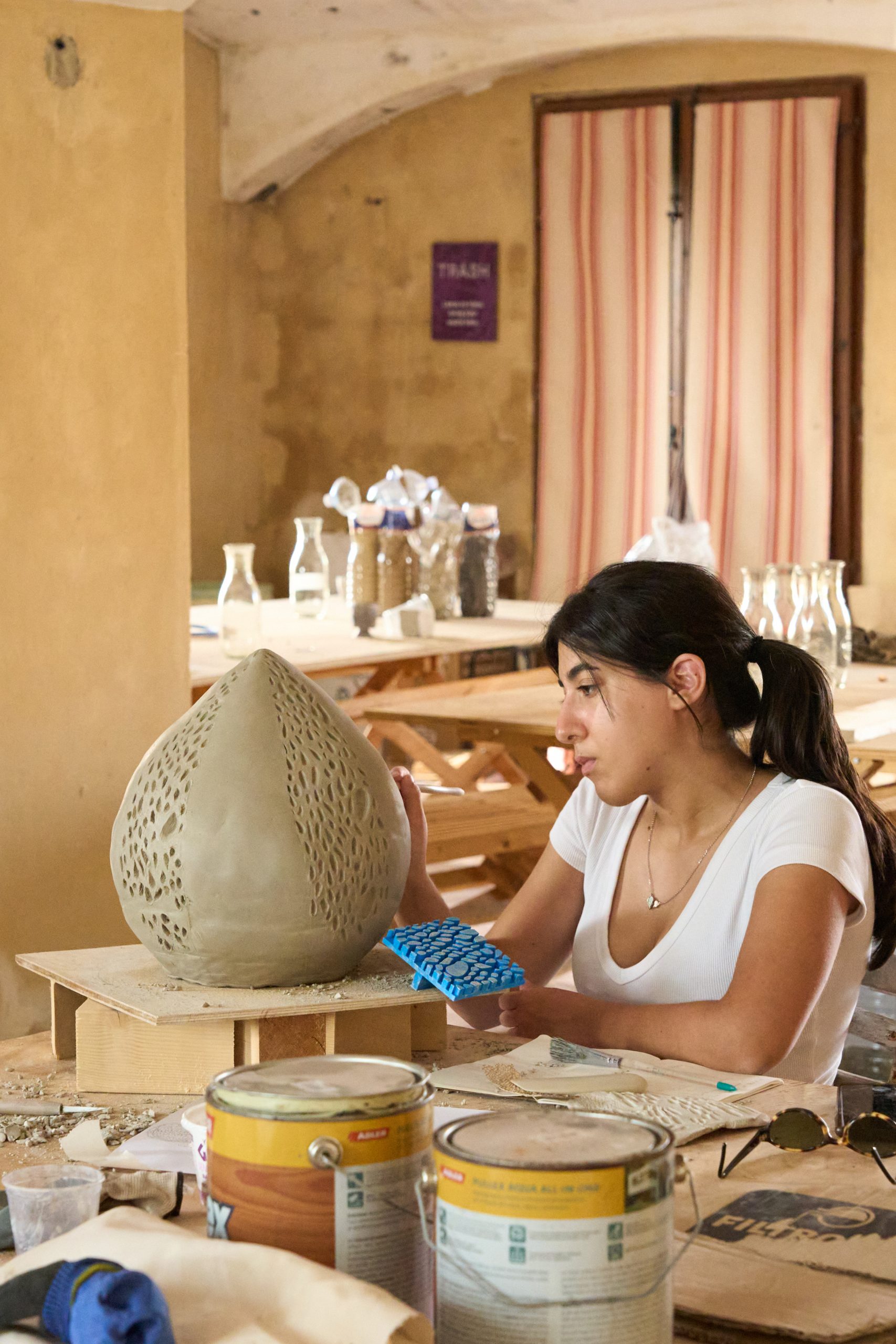
“Thinking with Animals” also brought together studies of sound, ceramics, food systems, forest histories and climate. Workshops included “Sound, Ceramics and Communities” with Mangano and van Rooy; “Observatories” with the Basque collective Food Hack Lab; “More-than-Human Audio Worlds” with Maja Avnat; “Attention au chien!” with Tout Terrain and Nicolas Depoutot; and “Skin Climate Action” with Johanna Schmeisser. Fabio Ciaravella’s research into the historic “Order of the Oaks of Santo Pietro” considered the forest’s relationship with Caltagirone through archives, speculation and collective memory.
These strands build on work developed in earlier years, including paths, platforms and a photographic and sound archive of the forest. The Campus operates through this accumulation: research is revisited, structures are adapted, and each edition adds to a shared cultural infrastructure.
From temporary campus to lasting infrastructure
The 2026 works sit within a broader plan to transform Casa Bosco Colto from a seasonal programme into a permanent cultural resource. A public-private partnership is being developed to renew four public buildings in the village, including the former Forest Ranger’s House and former schools. Together with the surrounding paths and woodland, they are intended to support cultural activity and remain open to the local community.
By working with existing courtyards, reused timber, cultivated land and long-running local knowledge, BOSCO COLTO positions building as part of an evolving relationship between settlement and territory. The kiln and the satoyama structures make that approach visible: modest interventions designed to support practices that can continue beyond the summer programme.
Project Credits
Project: BOSCO COLTO Campus 2026
Location: Santo Pietro, Caltagirone, Sicily, Italy
Dates: 30 July – 9 August 2026
Organised and produced by Makramè APS
In collaboration with Errare, TEArch, University of Catania
Scientific direction: Marco Navarra, Dario Felice, Beatrice Fontana and Antonio Scarponi
Satoyama workshop tutor: Yoshiharu Tsukamoto / Atelier Bow-Wow
Photography © Giuliana Lo Presti and © Benedetto D’Antoni