Now Reading: Toronto’s stories through design: DesignTO Festival 2026 returns with 100+ free events
- 01
Toronto’s stories through design: DesignTO Festival 2026 returns with 100+ free events

Toronto’s stories through design: DesignTO Festival 2026 returns with 100+ free events

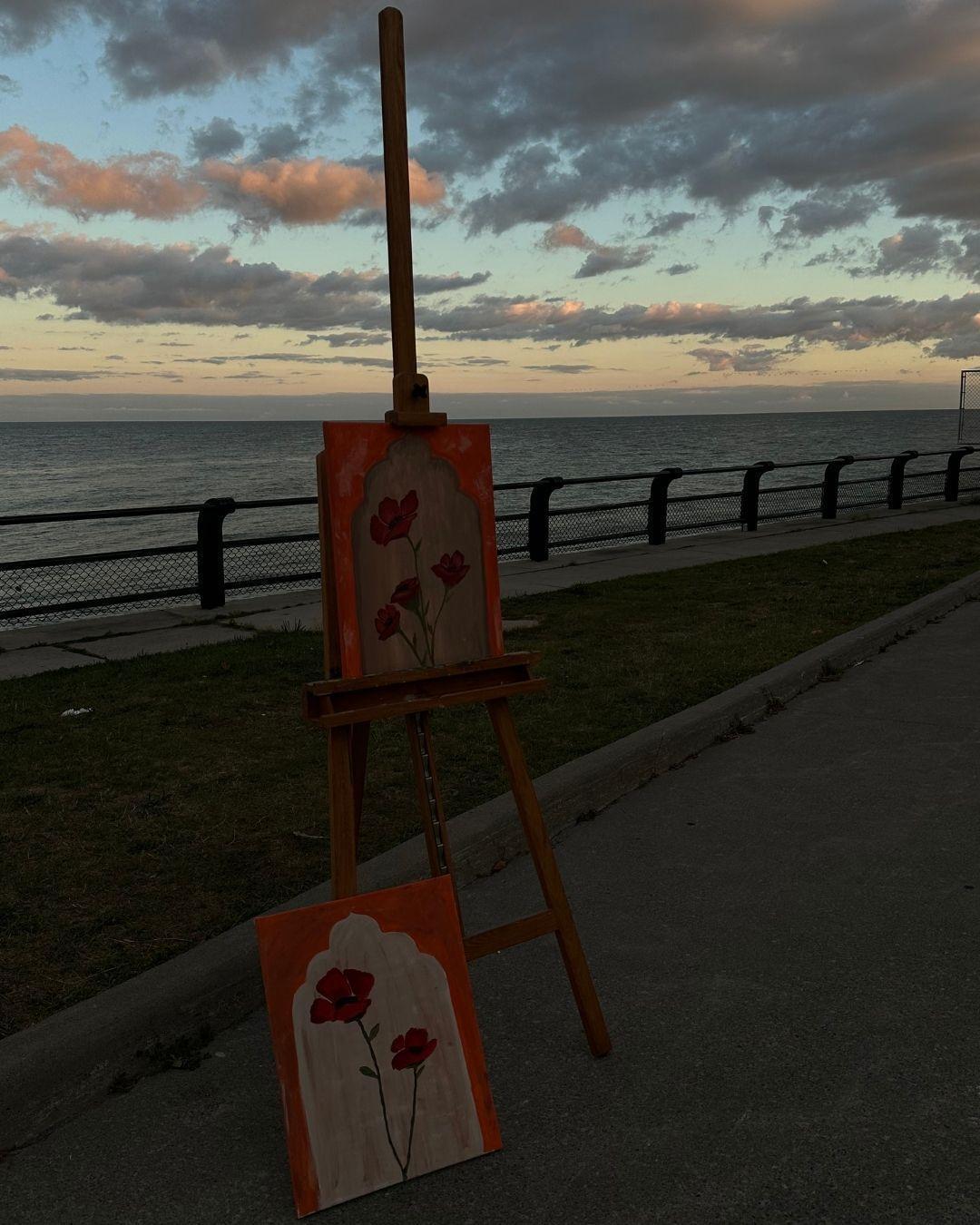
From January 23 to February 1, 2026, the DesignTO Festival returns for its 16th edition, unfolding across Toronto with more than 100 free exhibitions, installations, talks, and workshops. This year’s theme centres on a question that is both personal and civic: what does it mean to belong to each other, to a city, to a past, to the materials and spaces around us, and to the futures we hope to build.

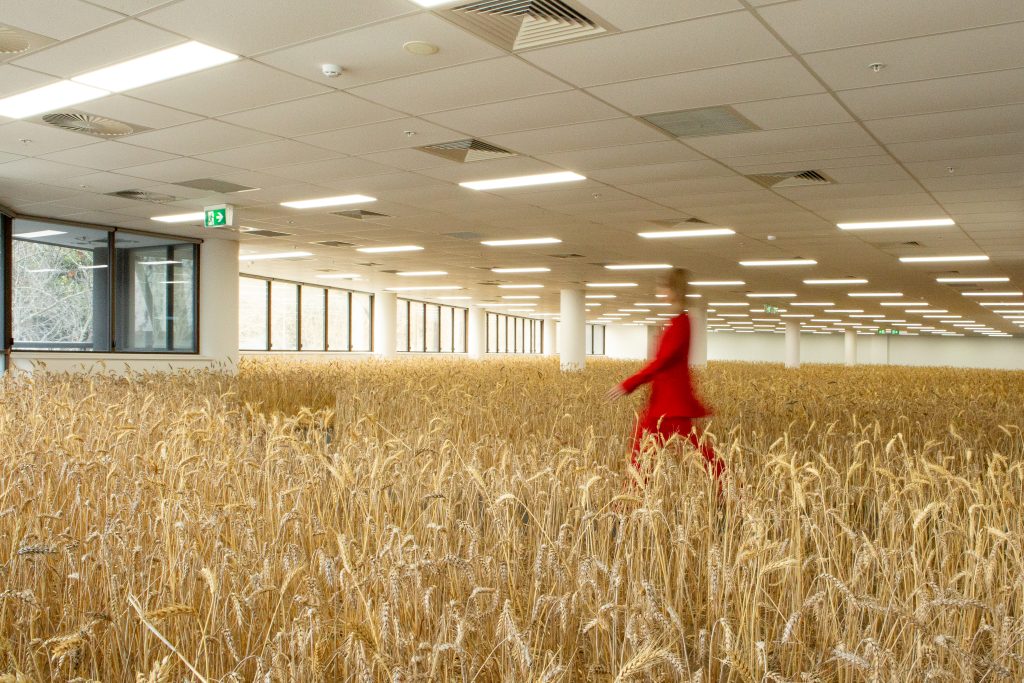
Expect a program where identity is treated as spatial and material practice, not just a talking point. Look for work that rethinks home and intimacy, projects that translate diasporic memory through textiles and craft, and installations that turn light and weather into forms of public infrastructure. DesignTO’s strength is how quickly it moves from lived experience to built form, then back again.

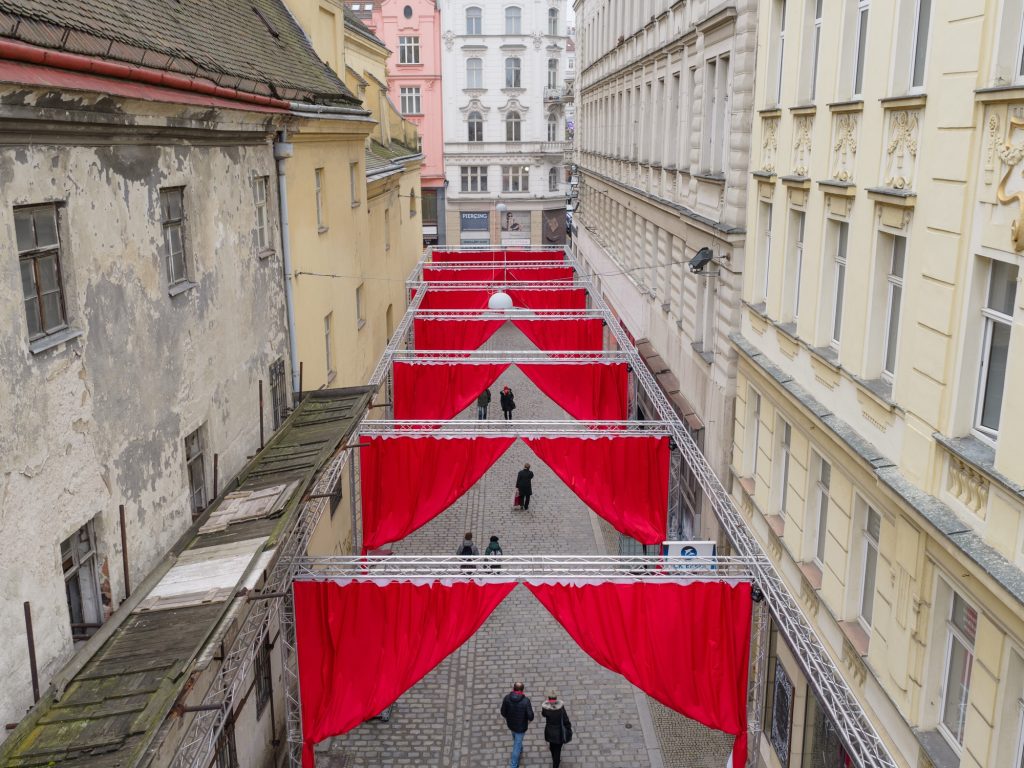
DesignTO does not behave like a closed venue circuit. It treats Toronto as a distributed gallery, with encounters embedded in the places people already move through. Neighbourhood activations stretch from Kensington Market and Roncesvalles to Yonge and St. Clair, Trinity Bellwoods, Stackt Market, 401 Richmond, and the Waterfront, positioning design as something you can step into without permission, plan, or preface.

Festival leadership frames this approach as a matter of access and empathy. Executive Director Anna Bartula describes identity as something shaped over time through inheritance, stories, and place. Artistic Director and Curator Deborah Wang emphasizes feeling design deeply, as an experience carried across generations and embedded in the architecture of daily life. The result is a program that reads less like product culture and more like civic storytelling.

BELONGING AS A DESIGN BRIEF
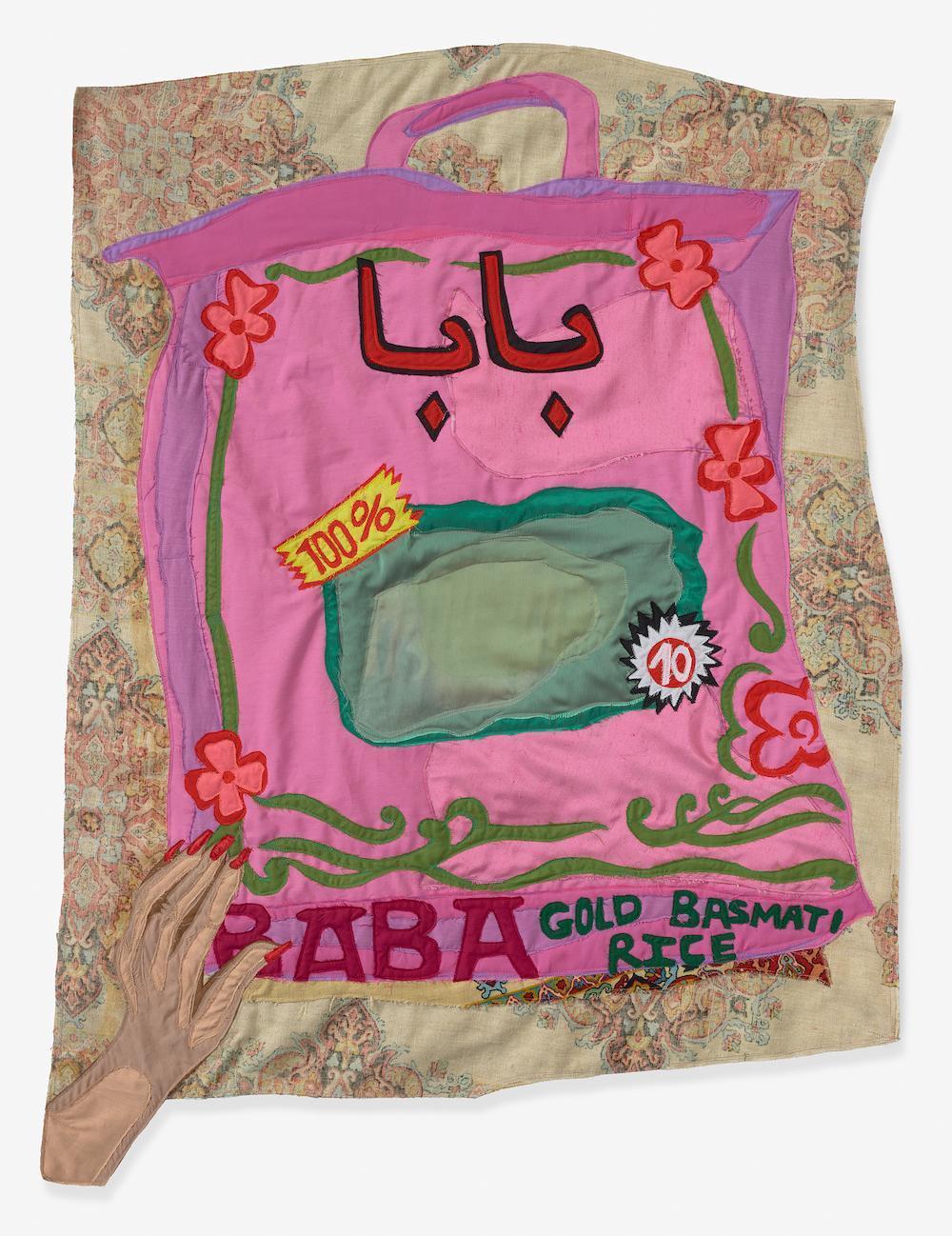
Across the 2026 Festival, identity is explored through queer domesticity, diasporic memory, ancestral craft, urban advocacy, ecological futures, and the raw creativity of making. Several projects ask what “home” can mean when it becomes fluid, collective, and self defined. Quan Thai’s TO·BE·LONGING: Portraits of Queer Living reframes domestic space as chosen family and everyday resilience, while textile based works such as Yana Rzayeva’s Remnants for the Future and Alanoud Emaish’s Knot: Holding On treat fabric as a carrier of memory, continuity, and longing.


A broader thread of migration and cultural preservation emerges in Traces, a multidisciplinary group exhibition that moves between sculpture, installation, cyanotypes, maps, furniture, and textiles. Rather than summarizing identity, these works insist that it is built through objects, rituals, and rooms.
ARCHITECTURE, ADVOCACY, AND THE REAL WEIGHT OF MATERIALS
DesignTO’s built environment programming pushes beyond aesthetics into accountability. How Heavy is a Building?, developed by Ha slash f Climate Design and Make Good Projects, examines the embodied carbon of three major cultural institutions in Lisbon, making visible the material consequences that architecture often hides.


In Toronto, Ideas Forum: Advocating for a Better City presents rapid fire case studies of civic advocacy, while Signs of Change: Pedaal invites visitors to imagine how cycling and urban landscapes might evolve as climate, technology, and public policy shift. Even the Festival’s lighter formats, including an Art and Architecture Trivia night with the Toronto Society of Architects, reinforce a core idea: design literacy is a public tool.


CRAFT, LIGHT, AND THE INTELLIGENCE OF MAKING
Craft is not presented as nostalgia here. It is treated as a contemporary method for thinking through place, labour, and cultural continuity. All Light gathers ceramics, glass, textile, wood, and metal in a multidisciplinary showcase of local Canadian maker culture, while Kensington Unearthed and (Re)formed returns to the ground itself through ceramics made from wild clay found in Kensington Market.


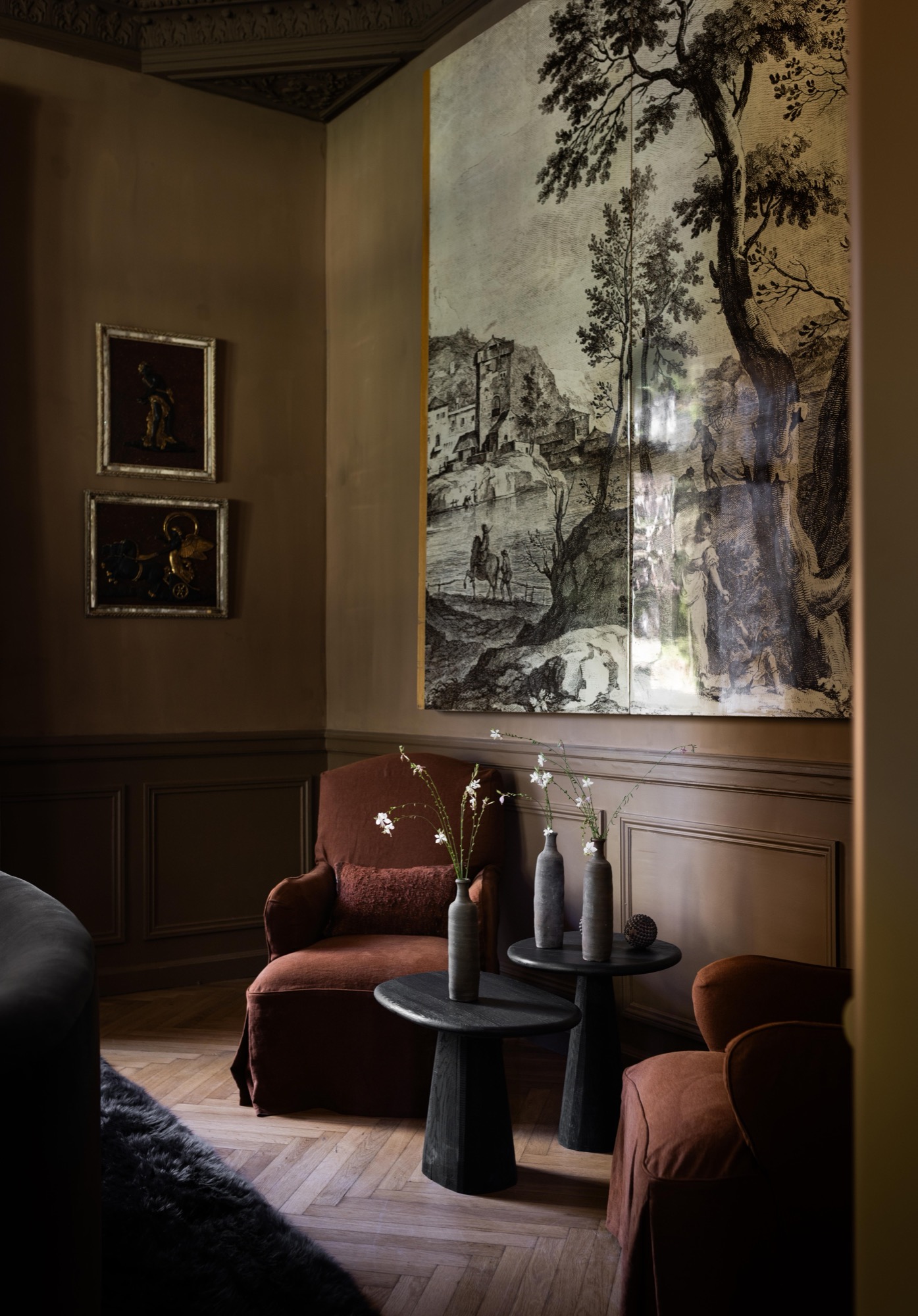
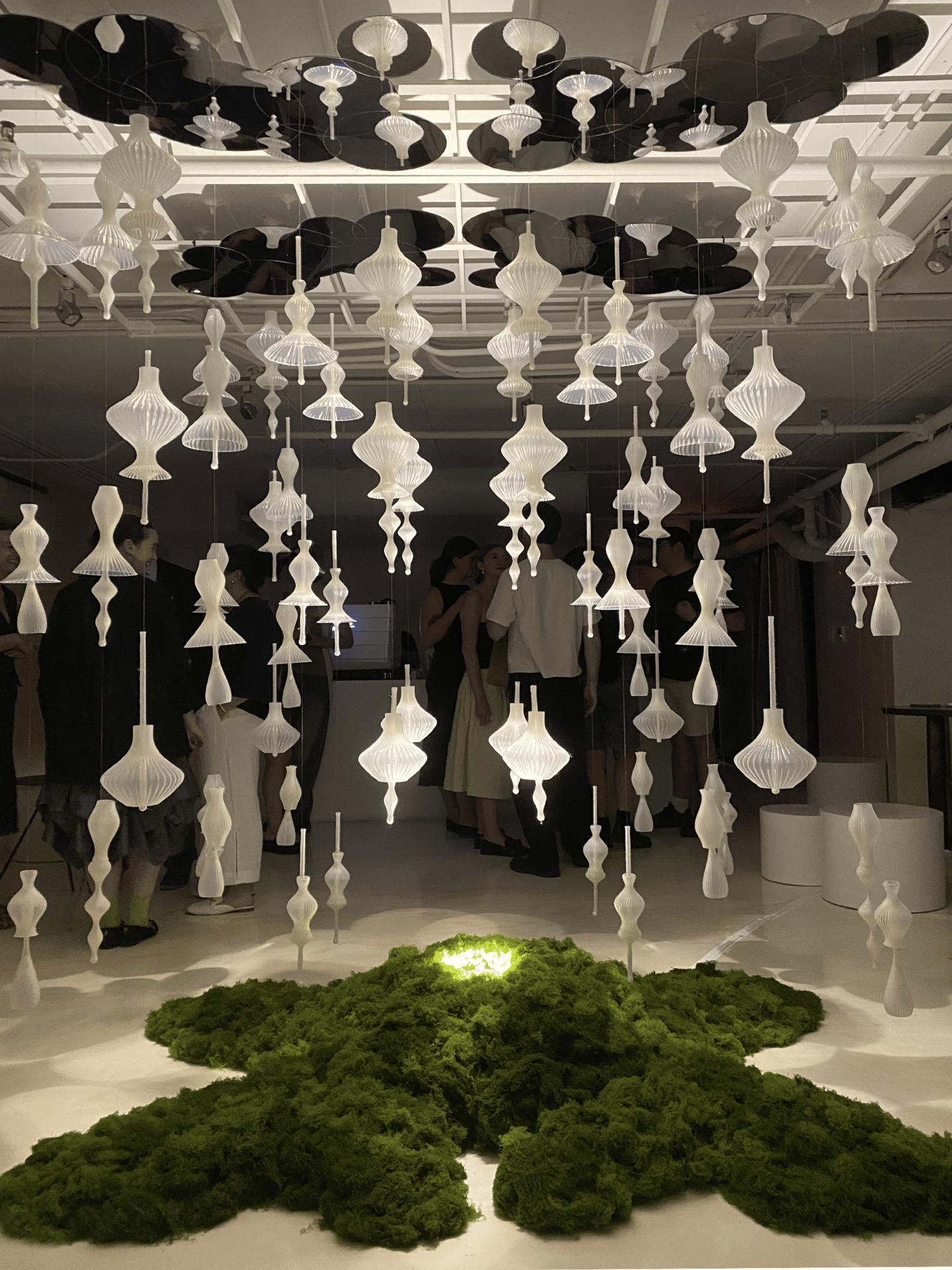
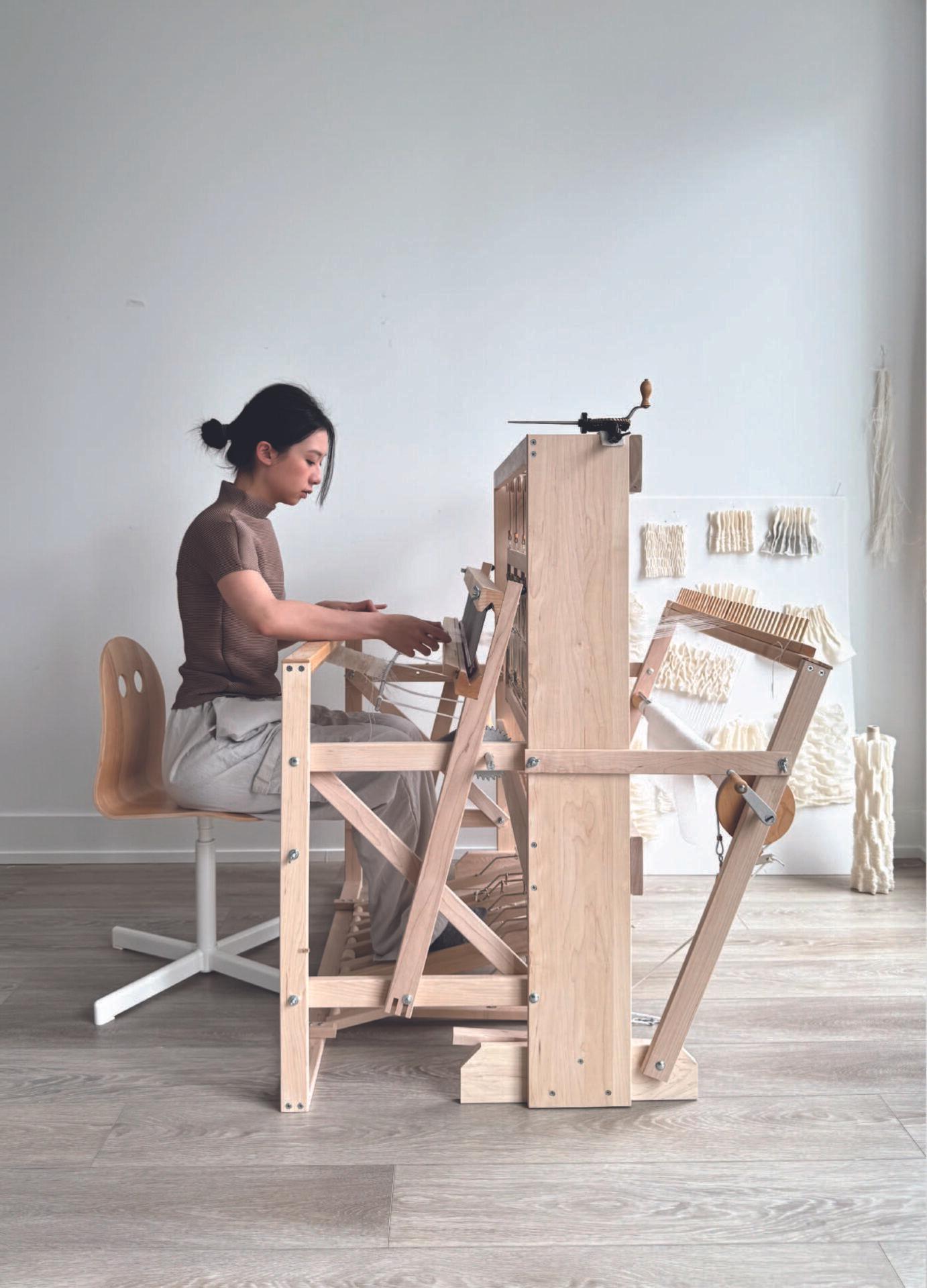
Soft Grid, by Shao Chi Lin at Le Germain Hotel Toronto, offers a quieter register: a textile installation that slows the body down and makes attention feel like a form of belonging. DesignTO Talks: Within the Weave expands this material conversation through dialogue, focusing on repetition and irregularity as ways of translating the landscapes we inhabit.

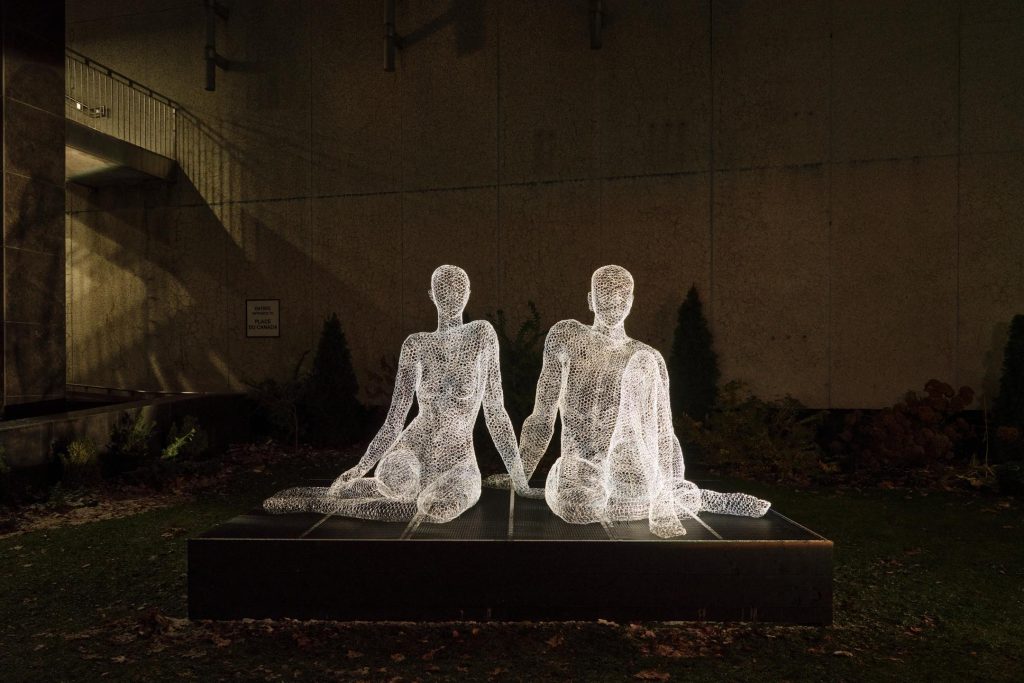
Light based installations also extend the Festival into the winter night. Bram Locknick’s Suspended Vessels transforms The Drake Hotel’s window into a glowing field of hand blown glass that shifts under ultraviolet illumination. Flourish, by 3K1D and Hot Pop Factory, responds to local light conditions and echoes natural rhythms through a programmed fixture that blends heritage with contemporary technology. The Weather Holds, by Teston plus Zhang, brings atmosphere into focus through experiments with air and water, paired with tangible prototypes that test how cooling, draping, and micro climate thinking might operate as public practice.


OPENING NIGHT AT MOCA TORONTO
The Festival opens with the DesignTO Launch Party at the Museum of Contemporary Art Toronto, a ticketed fundraiser that brings art, architecture, design, and diasporic culture into a shared night out. Guests move through Jeff Wall Photographs from 1984 to 2023 across three floors, with music curated by local·global and DJ sets by Isabel Okoro and Adeola Abegunde. It sets the tone for a Festival that treats gathering as part of the work.

WHY DESIGNTO MATTERS NOW
DesignTO positions itself as more than a design festival. Co founder Christina Zeidler has called it “an anti loneliness machine,” a line that lands differently in a city shaped by migration, density, and distance. The Festival’s public mission is backed by scale and impact. DesignTO reports more than one million visitors to date, media reach of 2.6 billion, more than 7,000 artists and designers showcased, and an estimated 159 million dollars in tourism spending, making it one of Canada’s most significant annual design events.
Still, the most convincing argument is experiential. For ten days, Toronto becomes a living laboratory where materials, memories, and communities converge, and where design is felt as a shared civic language.
DESIGNTO FESTIVAL 2026
DesignTO Festival runs January 23 to February 1, 2026, across Toronto with more than 100 free exhibitions and events. Some programs may require advance registration. The DesignTO Launch Party at MOCA Toronto is ticketed.
About DesignTO
As a charitable arts organization, DesignTO continues to expand its mission to advance the public’s appreciation of design, create accessible cultural programming, and nurture community connections through design. DesignTO acknowledges funding support for the 2026 DesignTO Festival from the Government of Ontario, City of Toronto, the Ontario Arts Council, and many sponsors and partners.
Each year, the DesignTO Festival brings over 100 free events across Toronto, showcasing hundreds of artists and designers. As Canada’s largest annual design festival, DesignTO has welcomed over 1 million attendees, reached 2.6 billion people through media, supported 7,000+ artists, and generated $159 million in tourism impact.