
Now Reading: Visiting Yayasan Bali Purnati: A nine-room residence to support the Performing Arts
- 01
Visiting Yayasan Bali Purnati: A nine-room residence to support the Performing Arts

Visiting Yayasan Bali Purnati: A nine-room residence to support the Performing Arts

Arriving in Batuan, the sense is not of stepping into a new project, but into an ongoing conversation. The collaboration between Rafael Freyre and Yayasan Bali Purnati traces back to the early 2000s, born from an exchange shaped as much by performance as by architecture. Freyre first came to Bali after a period at the Watermill Center in New York, accompanied by theatre director Robert Wilson, carrying little more than drawings and questions. That first encounter laid the foundation for a relationship that has continued quietly over decades.


What exists today is not a sudden architectural statement, but the result of accumulated listening. The nine-room residence unfolds within the foundation’s grounds as if it had always been waiting to appear.


ARCHITECTURE THAT DOES NOT ANNOUNCE ITSELF
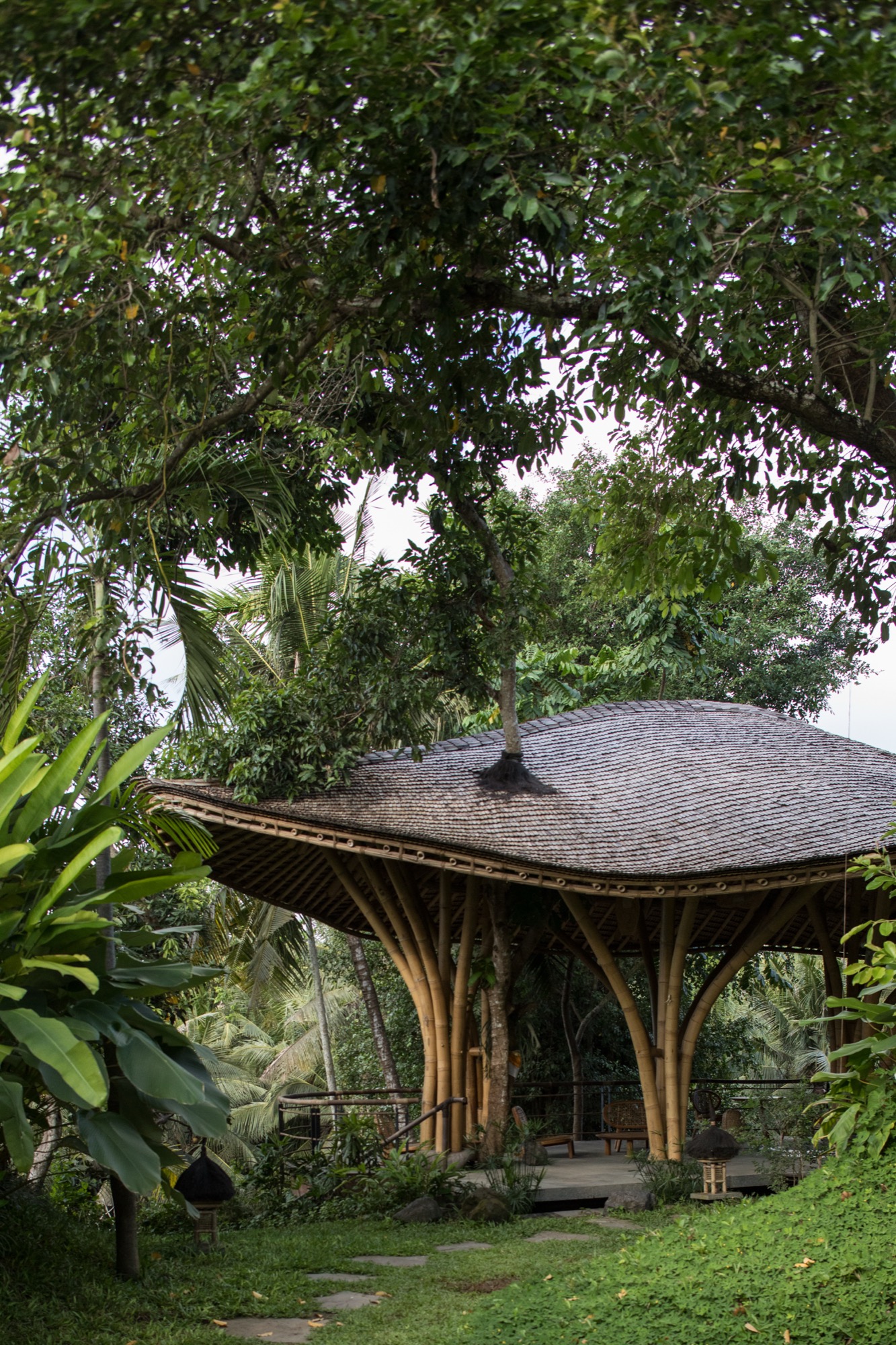
There is no clear moment of arrival. Buildings reveal themselves gradually, partially obscured by vegetation and shaped by the land’s contours. The architecture does not impose a new aesthetic onto its surroundings. Instead, it aligns itself with what is already there, complementing the amphitheatre and stage rather than competing with them.


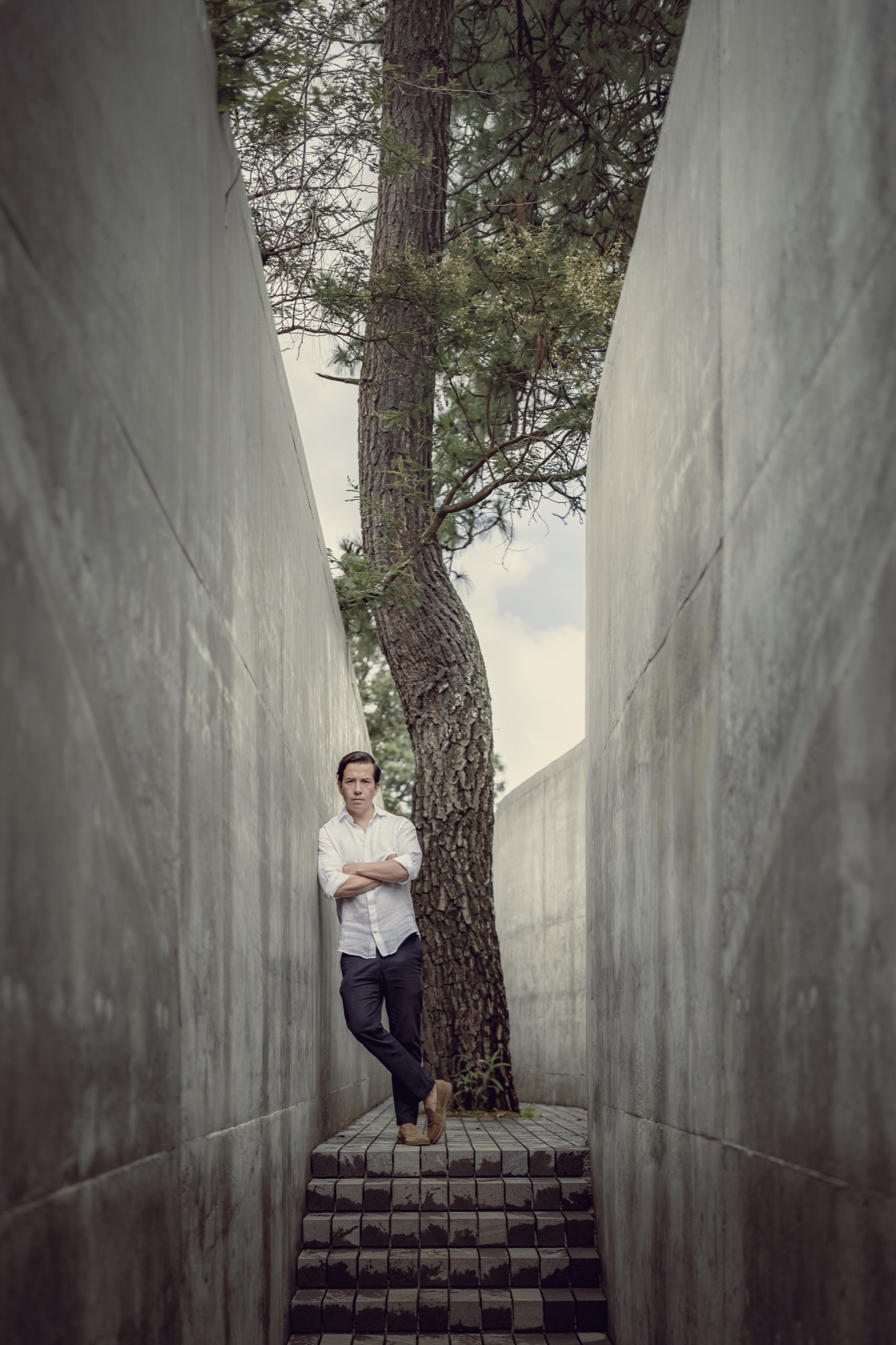
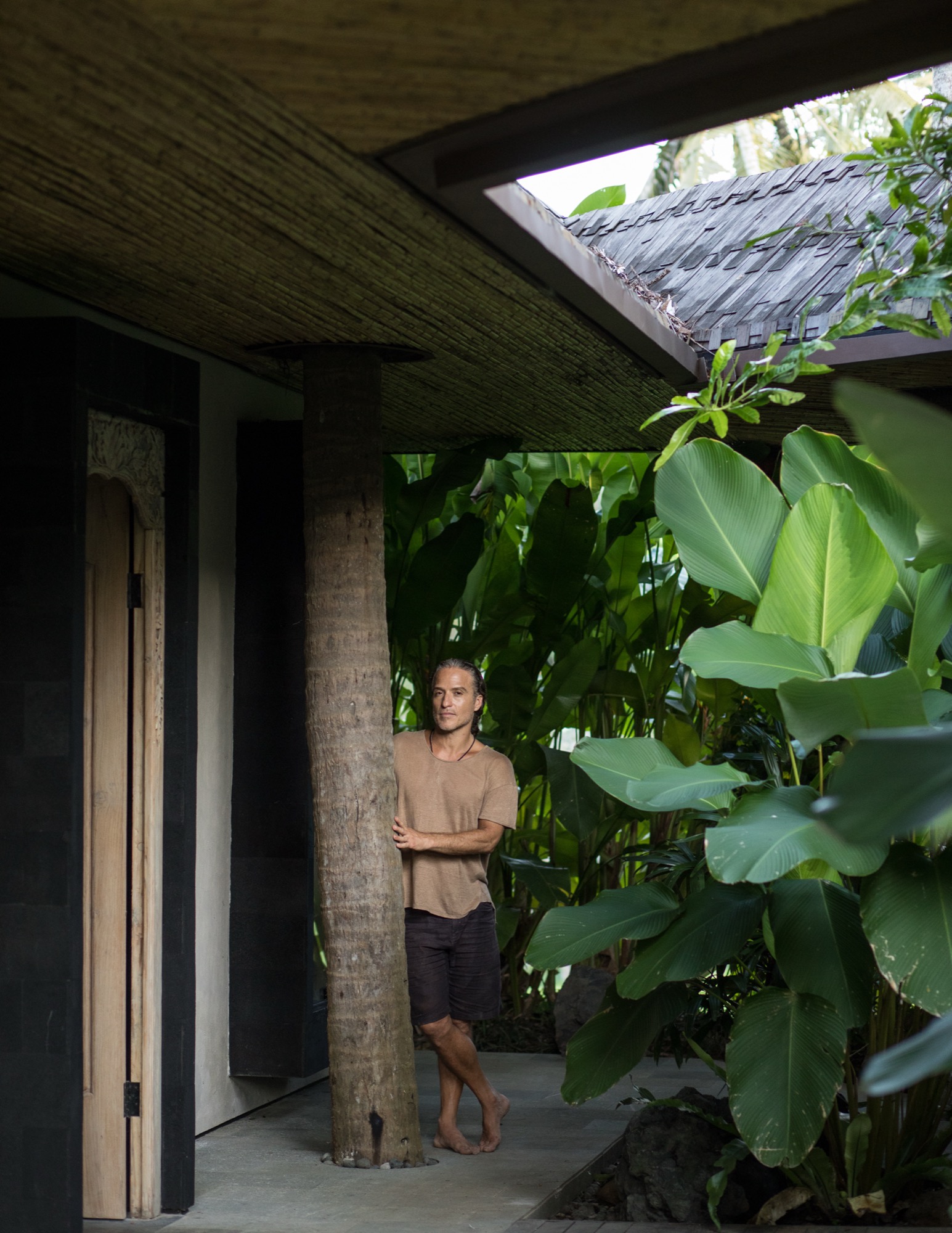
As Freyre puts it, “It’s not about building something new. It’s about uncovering what is already here. The spirit of the place is older than us. The architecture just listens and reacts.” This attitude is palpable while moving through the site. Structures bend around existing trees, pathways follow intuitive routes, and the landscape leads both form and experience.


WALKING THROUGH THE RESIDENCE
Moving through the compound feels closer to navigating a garden than entering a building. Salvaged wood, bamboo, volcanic stone, and handmade terracotta define walls, floors, and thresholds. These materials do not read as finishes, but as continuations of the terrain itself. Interiors open generously to the outdoors, allowing light, air, and sound to pass freely.
Furniture and fixtures, developed in close collaboration with local artisans, are inseparable from the architecture. Nothing feels imported or interchangeable. Each element appears to have arrived through necessity rather than design ambition.


LIFE AS A FORM OF PERFORMANCE
At Yayasan Bali Purnati, performance extends beyond the stage. The residence supports artists, but it also frames the daily rituals that surround creative life. Waking, bathing, resting, watching the moon rise over the rice fields, or simply remaining still become acts quietly held by the architecture. Time moves differently here. The buildings do not encourage speed or productivity. They allow artists and visitors to move at what is often described as Balinese time, where pauses are not interruptions but part of the rhythm. Architecture recedes, making space for presence.


LISTENING AS A DESIGN METHOD
What becomes increasingly clear during a visit is that the project is guided by restraint rather than authorship. RF Studio’s approach resists the urge to define or frame Bali as an image. Instead, it allows tradition and contemporary practice to coexist without hierarchy.

This sensitivity is especially significant in a context where overdevelopment and cultural commodification continue to reshape the island. Here, architecture operates as a mediator rather than a marker, creating conditions for exchange without spectacle.


LEAVING WITHOUT A TRACE
Departing the site, the buildings disappear quickly into vegetation and sound. What remains is not a strong visual memory, but a bodily one: the feeling of moving slowly, of spaces that respond rather than command.


The residence at Yayasan Bali Purnati demonstrates how architecture can support the performing arts not through monumentality, but through care, patience, and continuity. In an age dominated by visibility, its strength lies in quiet persistence, allowing the most meaningful transformations to unfold slowly, under the canopy, and through time.
Project Credit
Project Name: Yayasan Bali Purnati (The Bali Purnati Center For The Arts)
Location: Bali, Indonesia
Architecture Firm: RF Studio / @rfstudioperu
Photo: Tommaso Riva