Now Reading: Design Doha Biennial 2026 reads craft as knowledge passed between generations
- 01
Design Doha Biennial 2026 reads craft as knowledge passed between generations

Design Doha Biennial 2026 reads craft as knowledge passed between generations
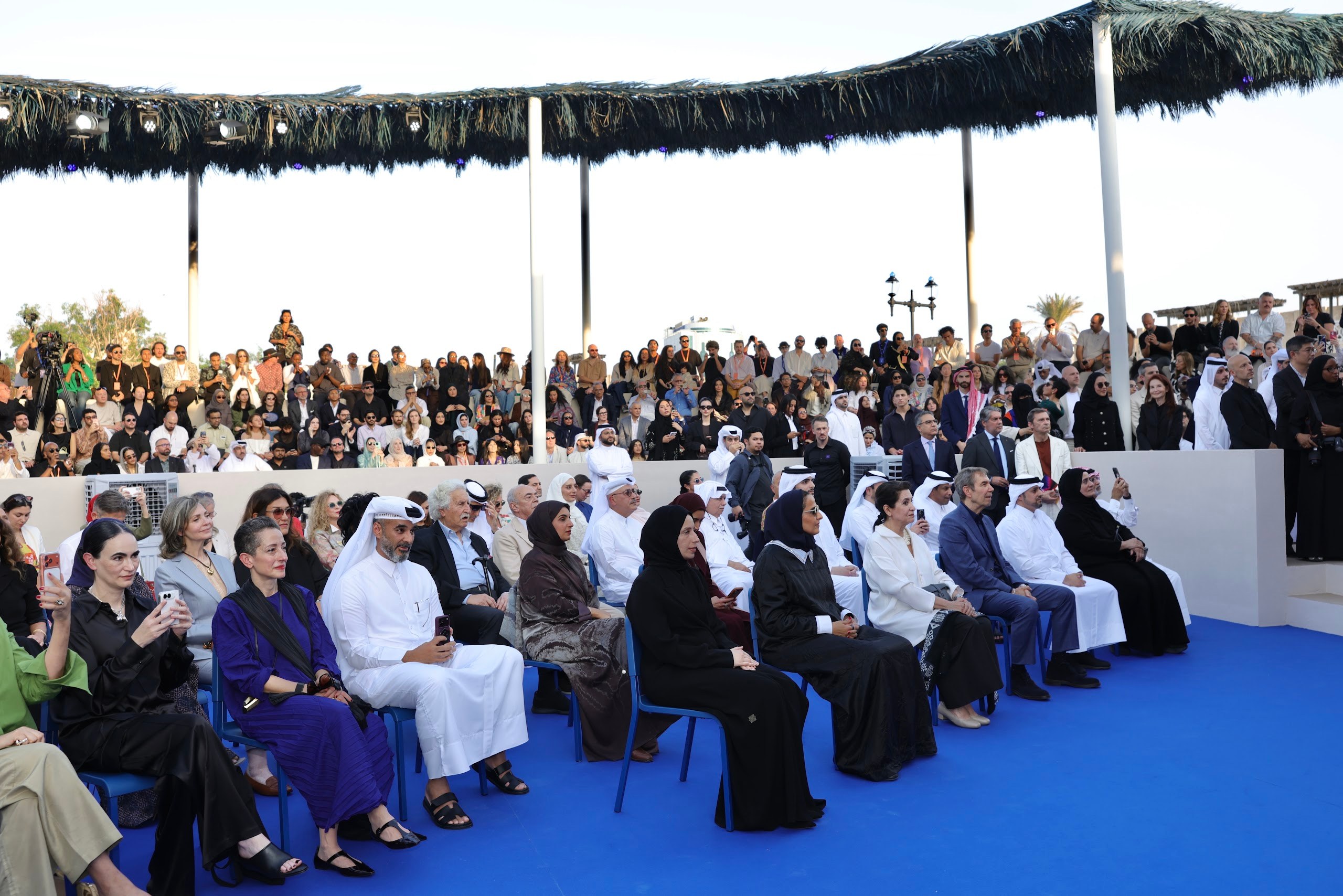
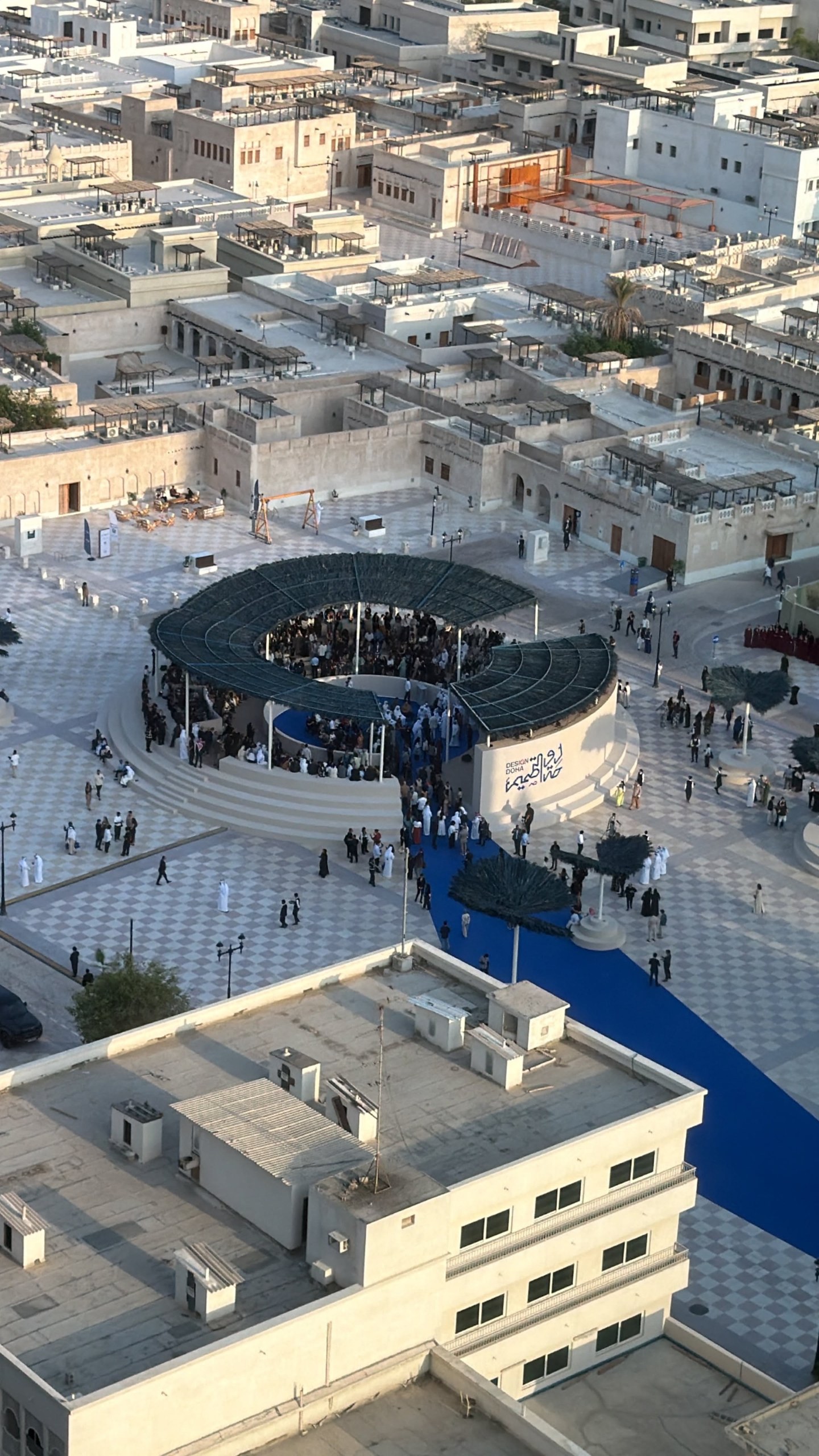
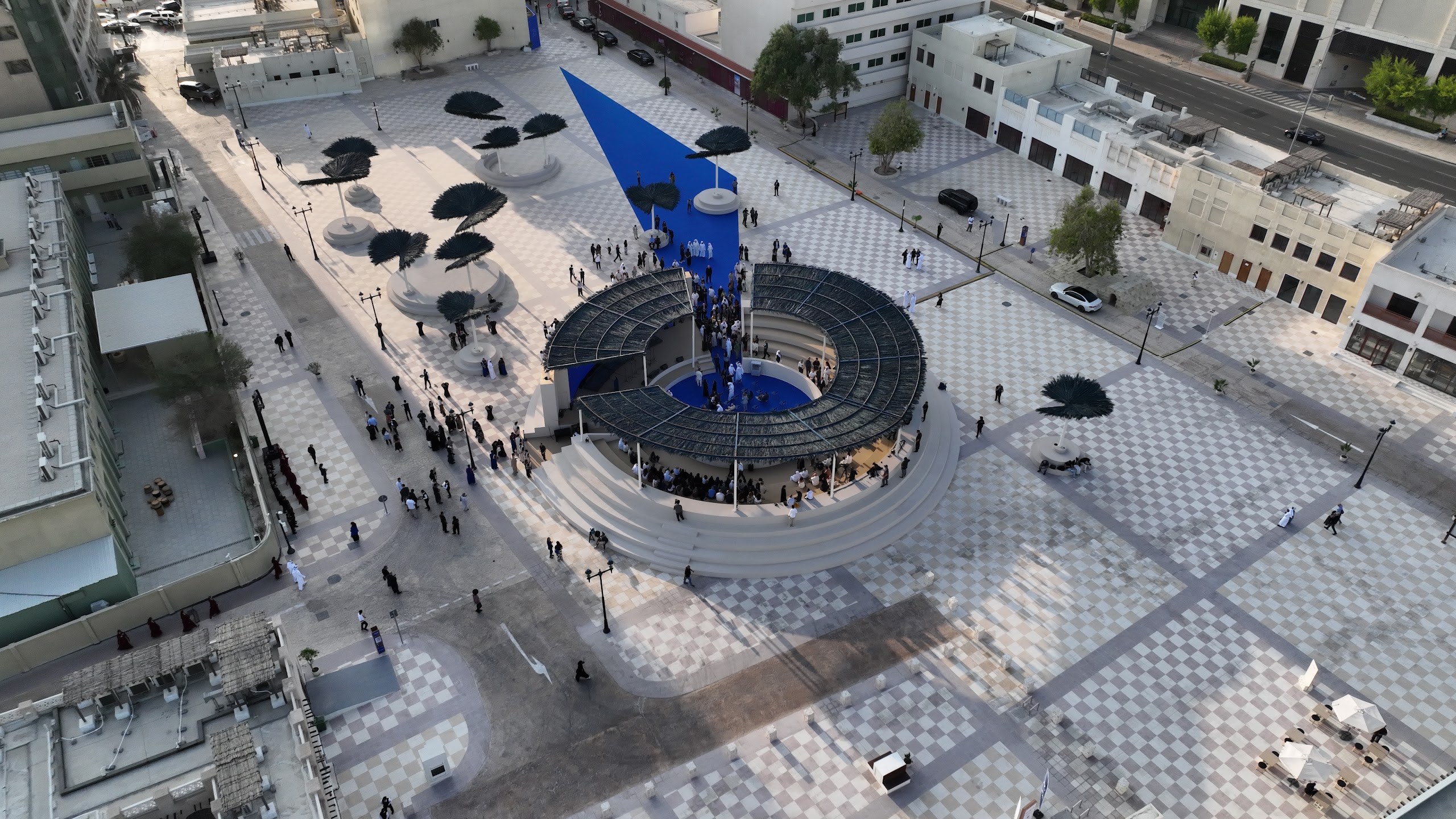
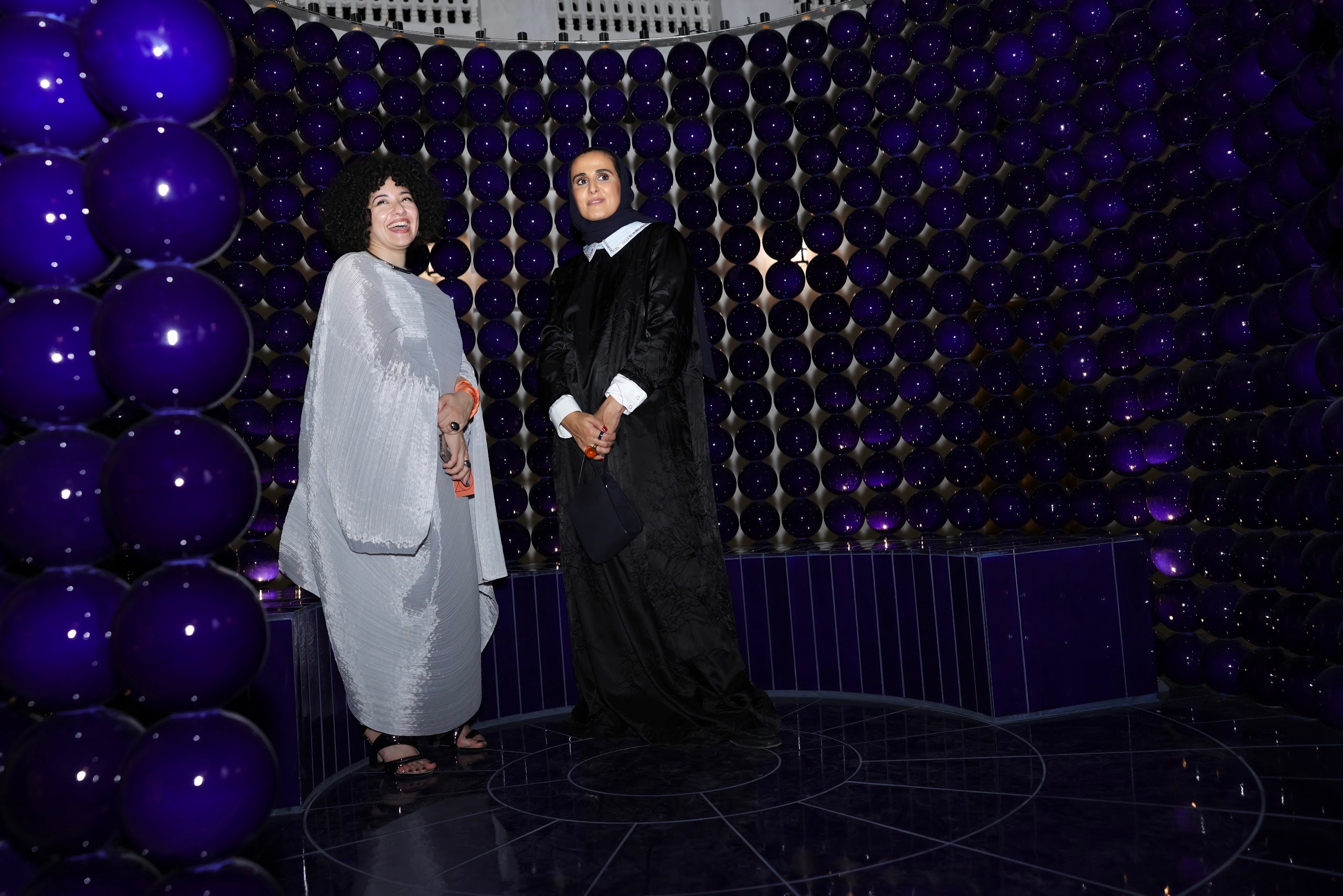
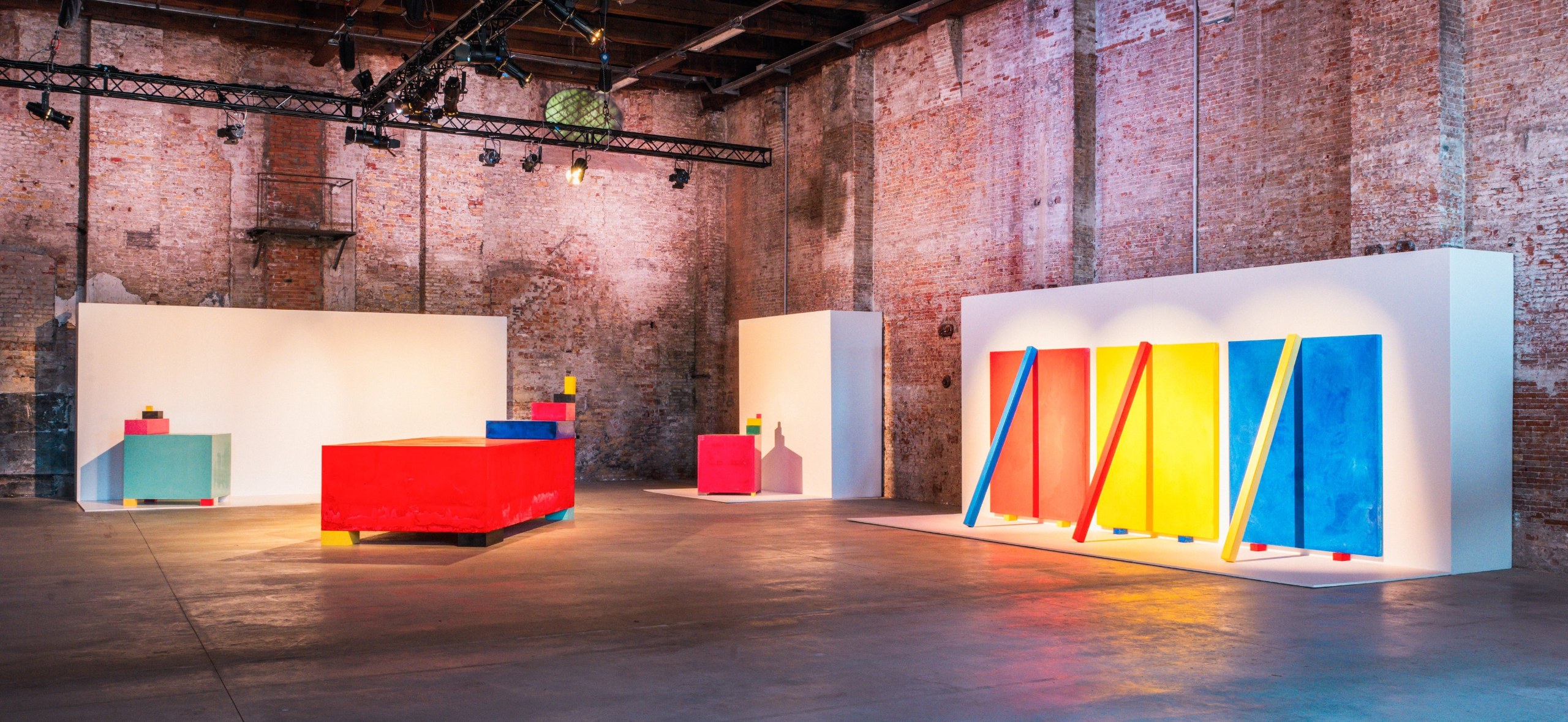
Qatar Museums opened Design Doha Biennial 2026 on 6 November. This second edition gathers designers, artisans and makers from the Middle East, North Africa and South Asia (MENASA) and beyond. In total, it holds 20 exhibitions, five Public Design Commissions, the Design Doha Prize and a programme of talks and workshops, running until 31 January 2027.
Translating knowledge
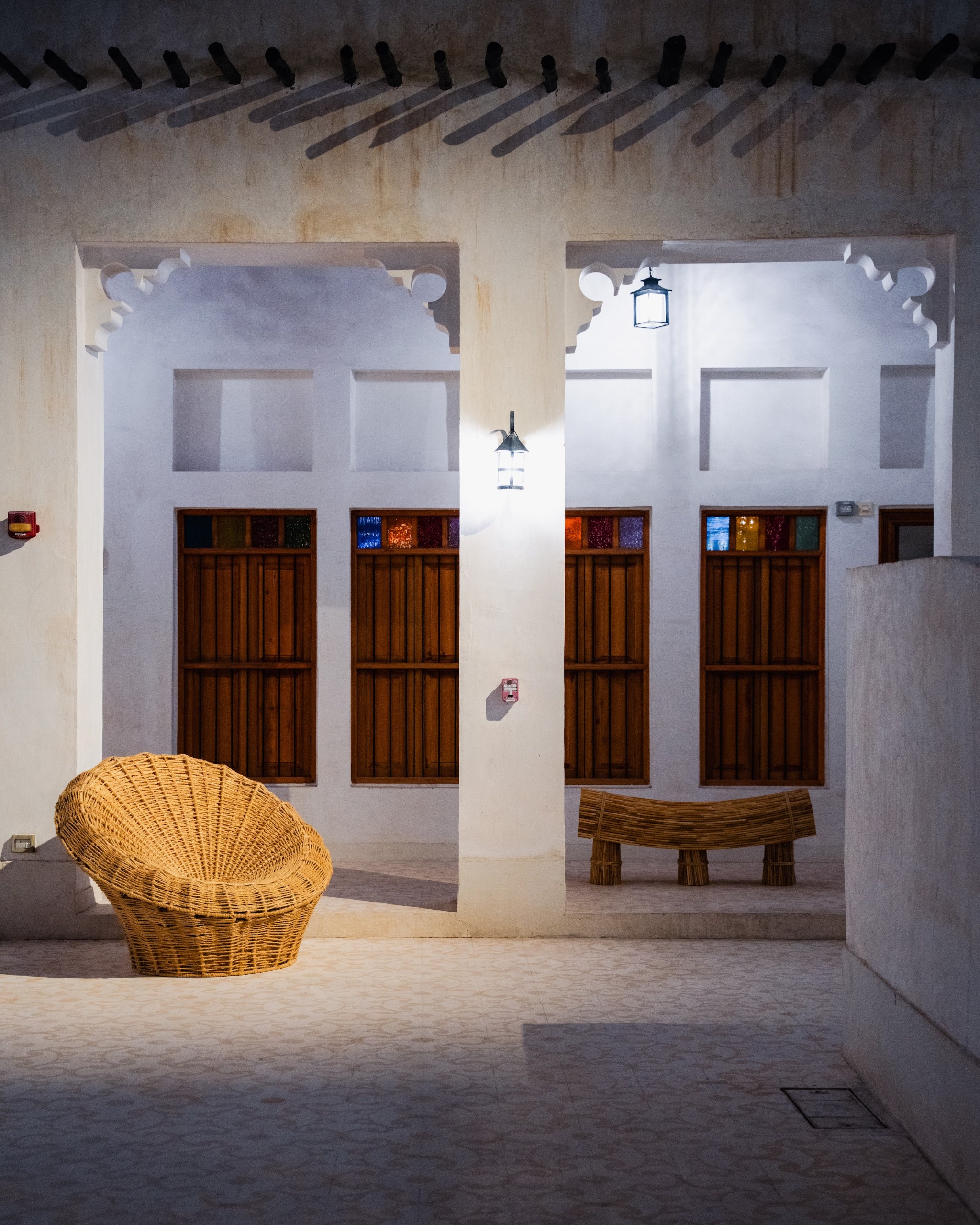
This edition works under the curatorial theme Translating Knowledge: From Ancestral Systems to Economic Futures. In short, it looks at how traditional practices keep informing contemporary design. The historic neighbourhood of Fereej Al Asmakh is the central hub. Meanwhile, the headline exhibition sits in Msheireb Downtown Doha.
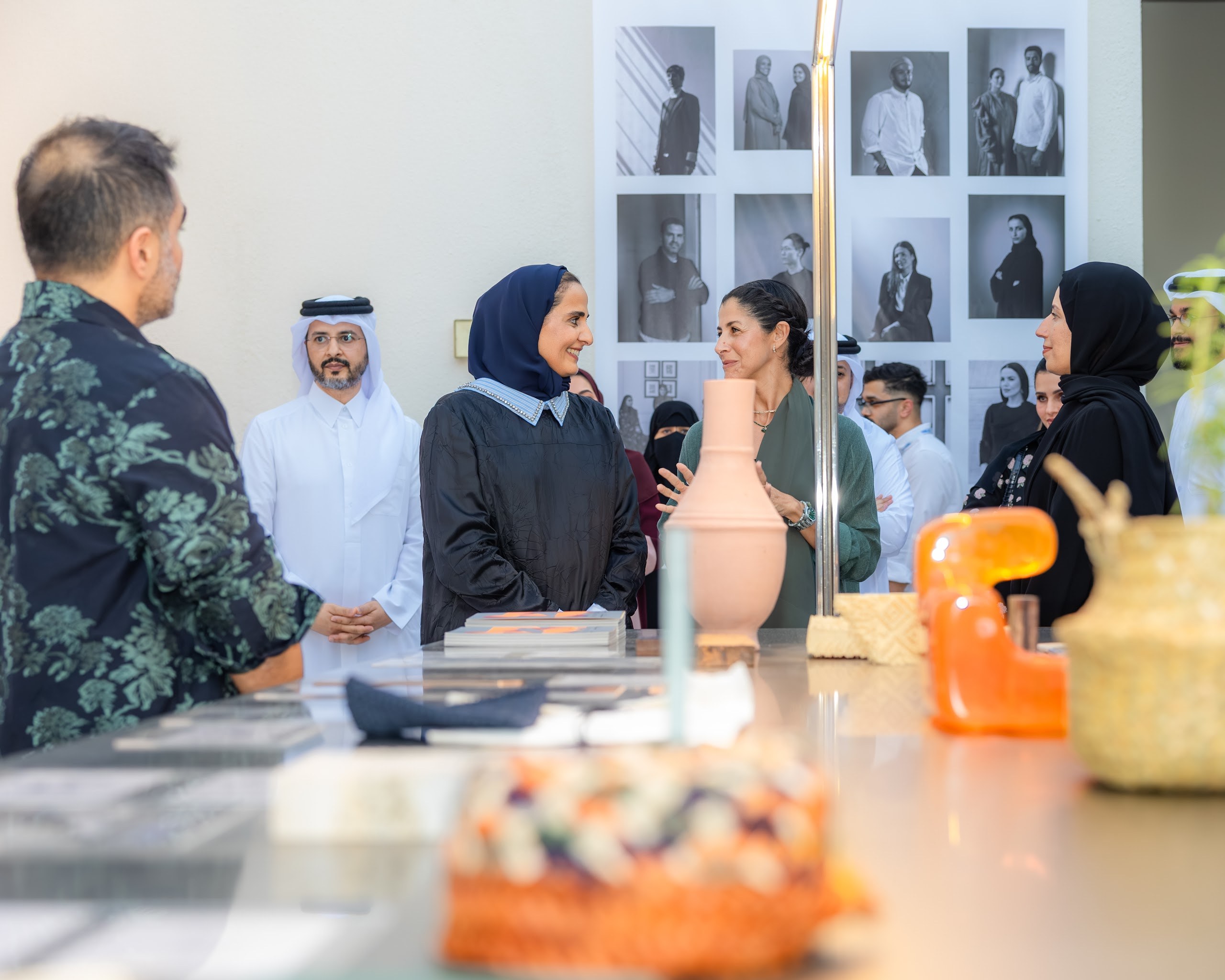
For Artistic Director Glenn Adamson, the biennial treats design as a form of knowledge that evolves across generations, cultures and communities. Director Fahad Al Obaidly, meanwhile, describes it as a space for designers, artisans and communities to share ideas, develop new work and meet audiences.
Arab Design Now 2026
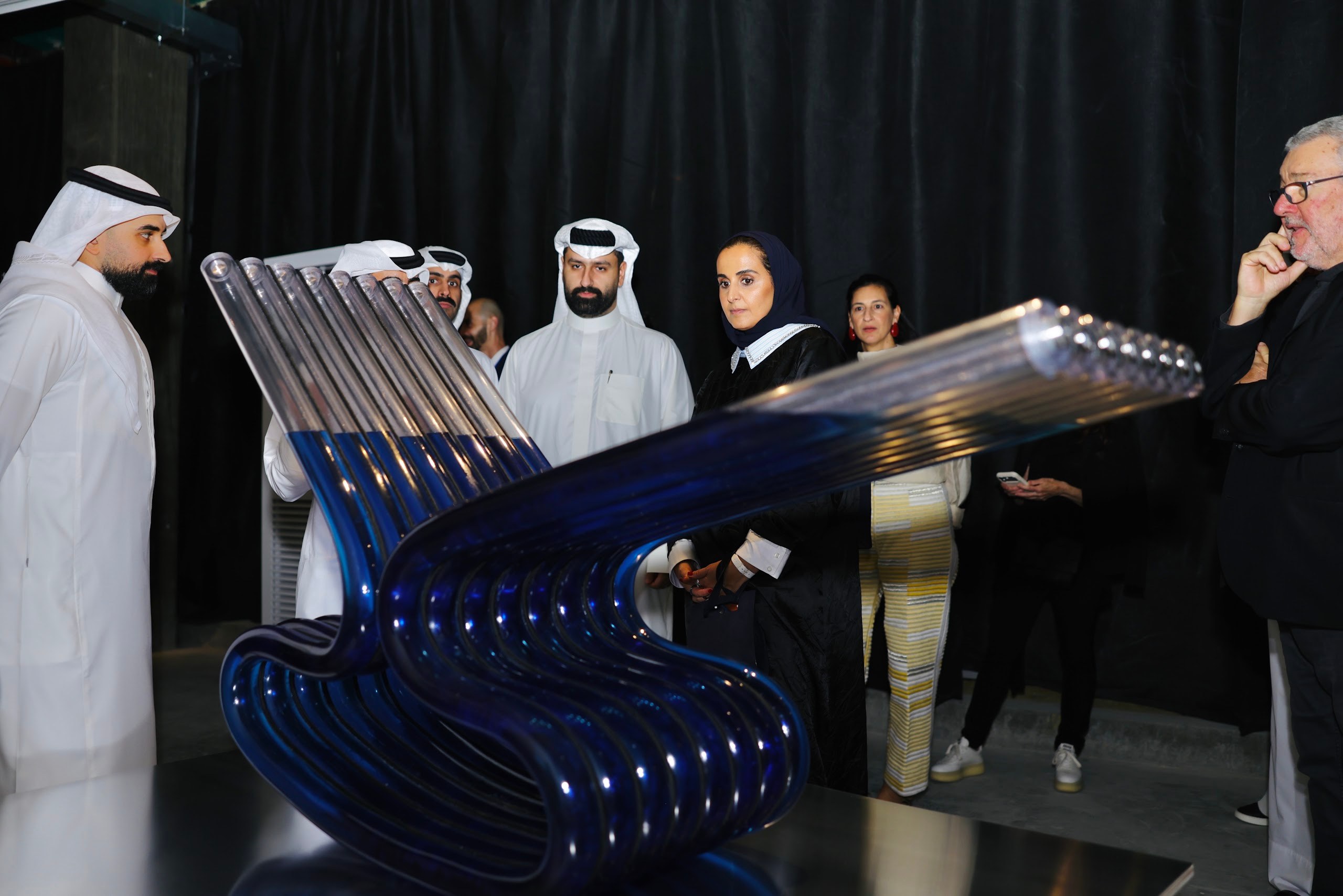
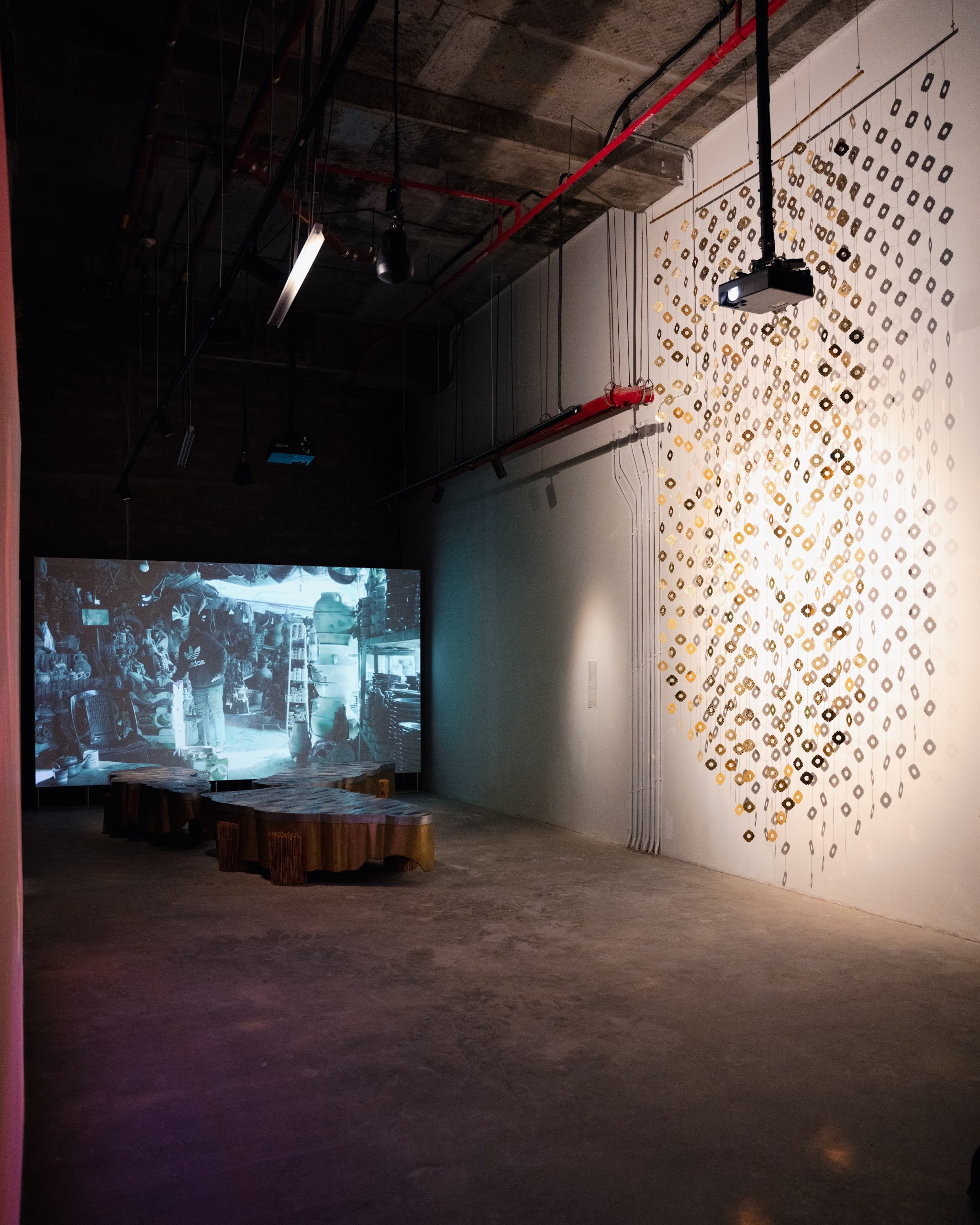
Curated by Noura Al Sayeh, Arab Design Now 2026 features 81 designers, artisans and makers, 78 new commissions and 17 newly commissioned films. The show follows five themes. In particular, it shows the processes, materials and communities behind the works, including the relationships between designers and the artisans who help produce them. A publication, Arab Design Now Volume 2, accompanies it.
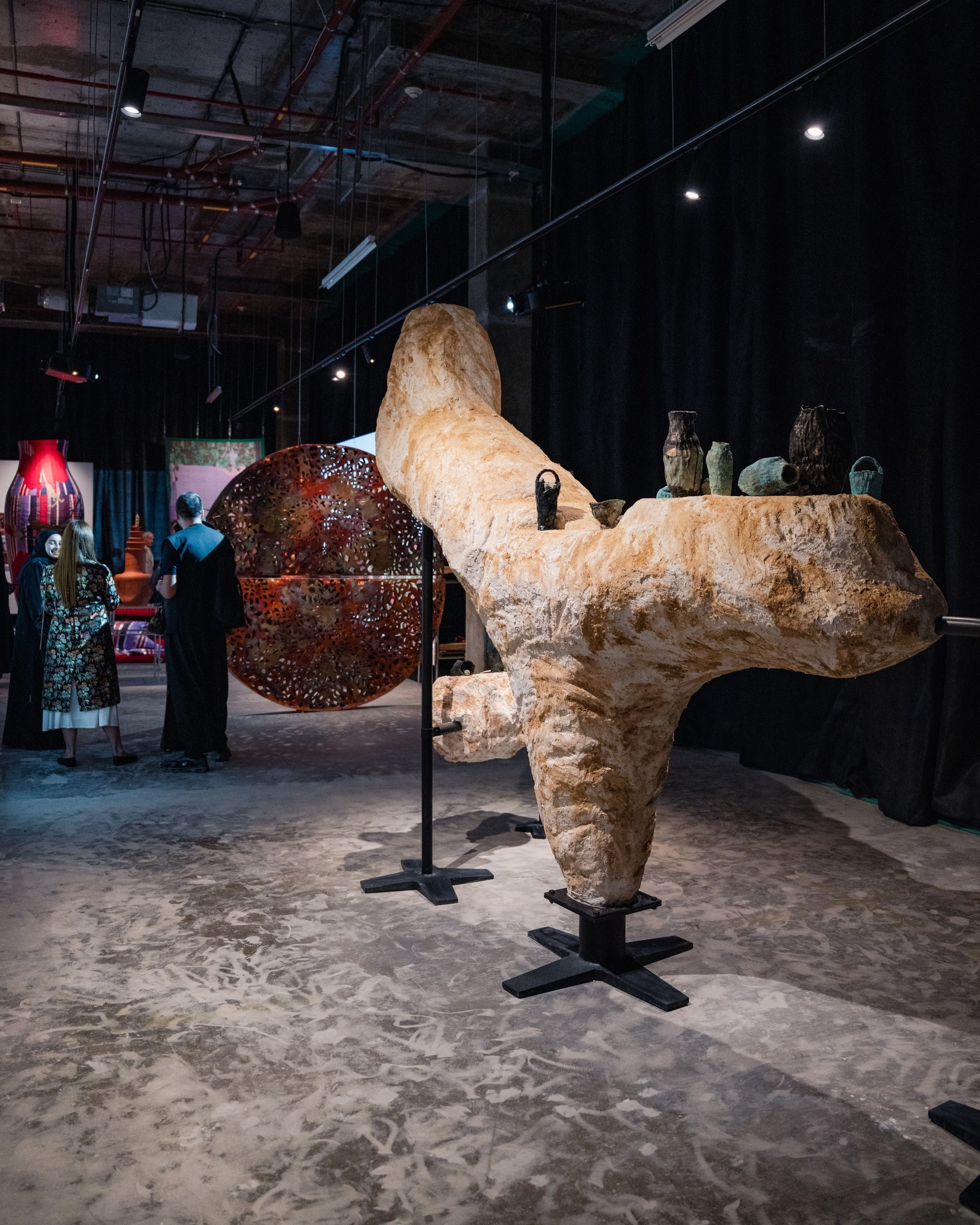
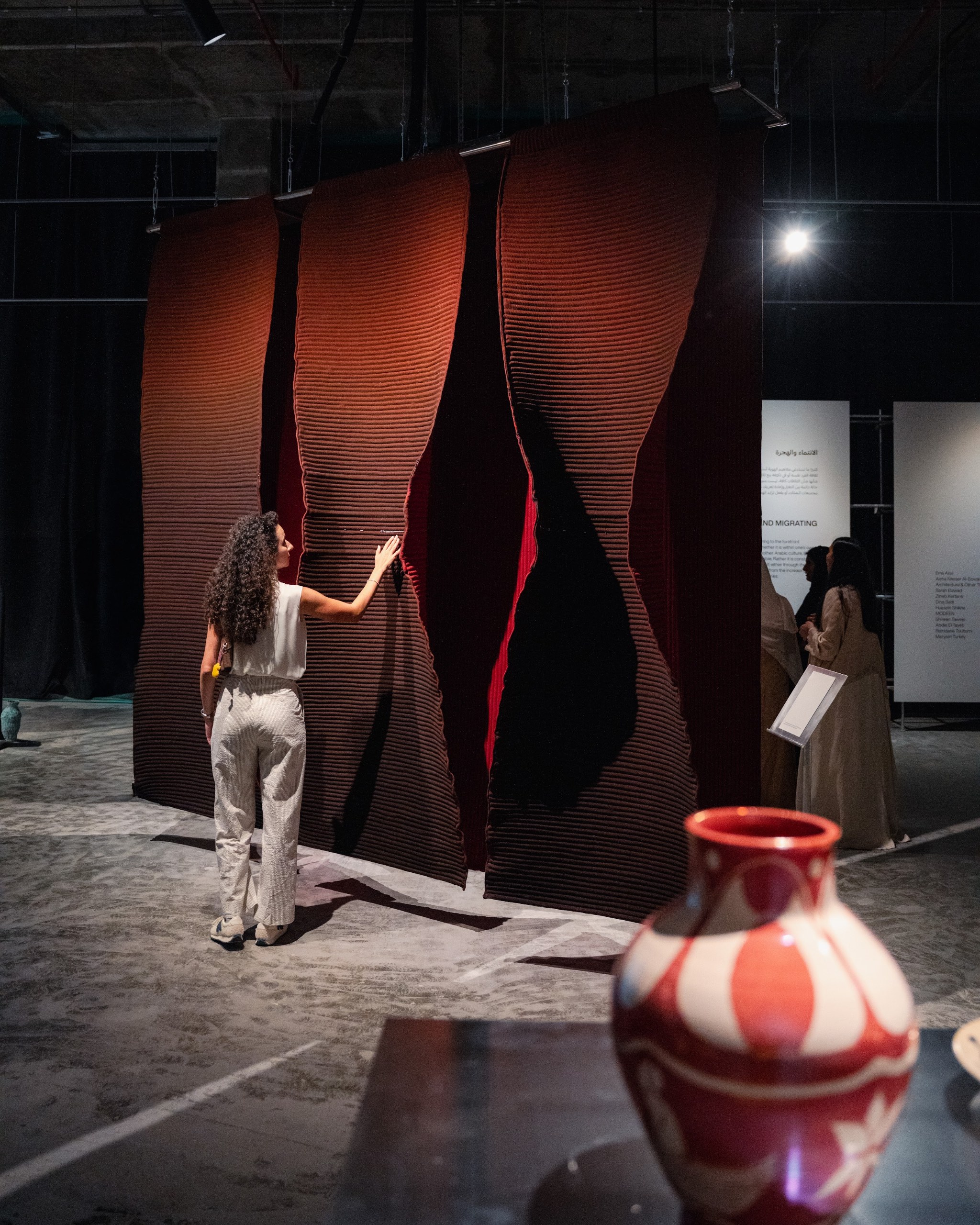
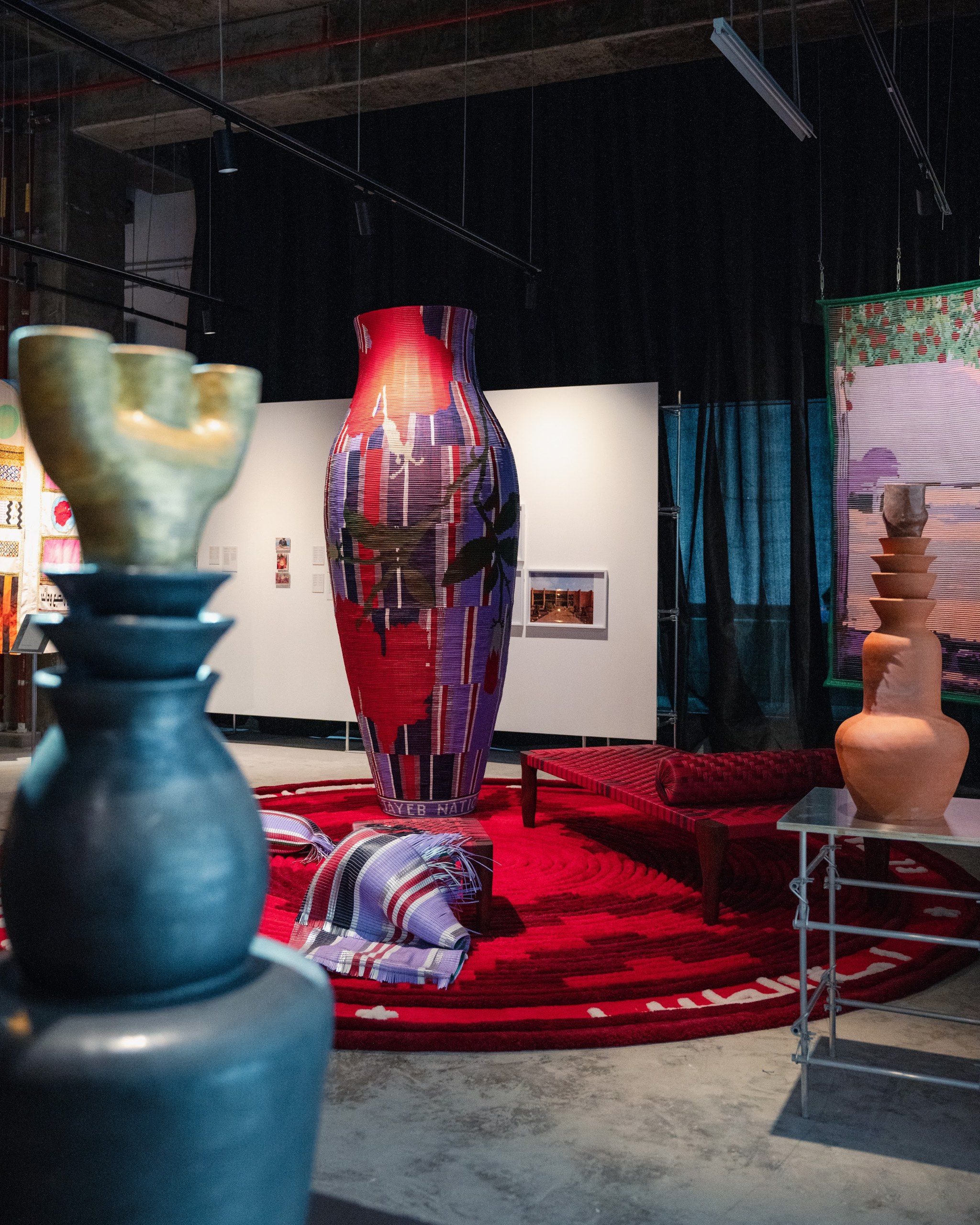
Design Doha Biennial 2026 across Fereej Al Asmakh
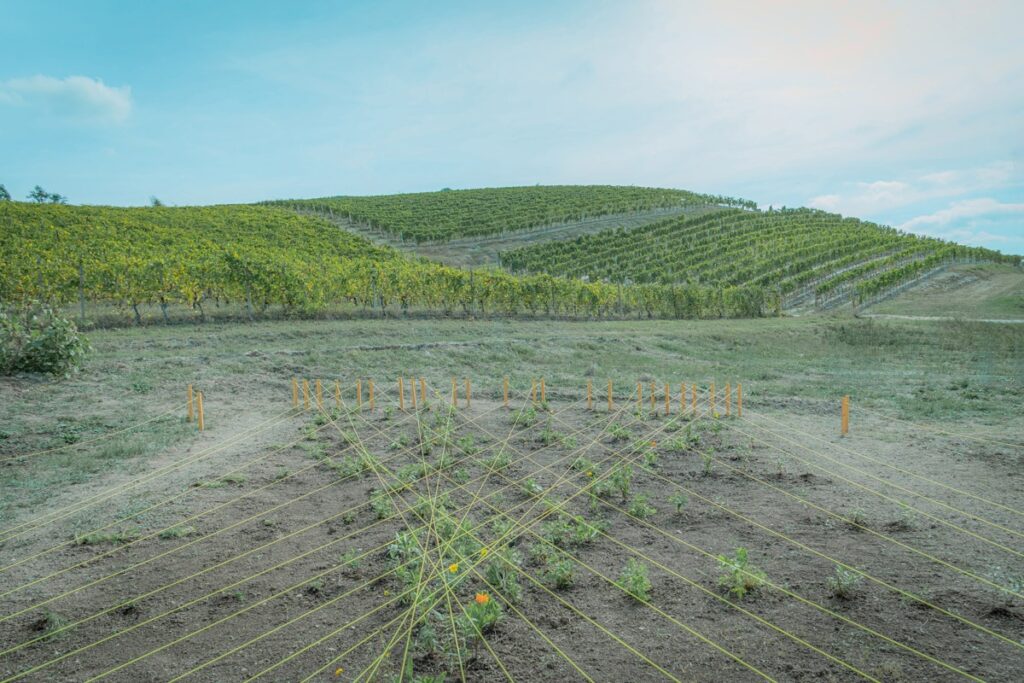
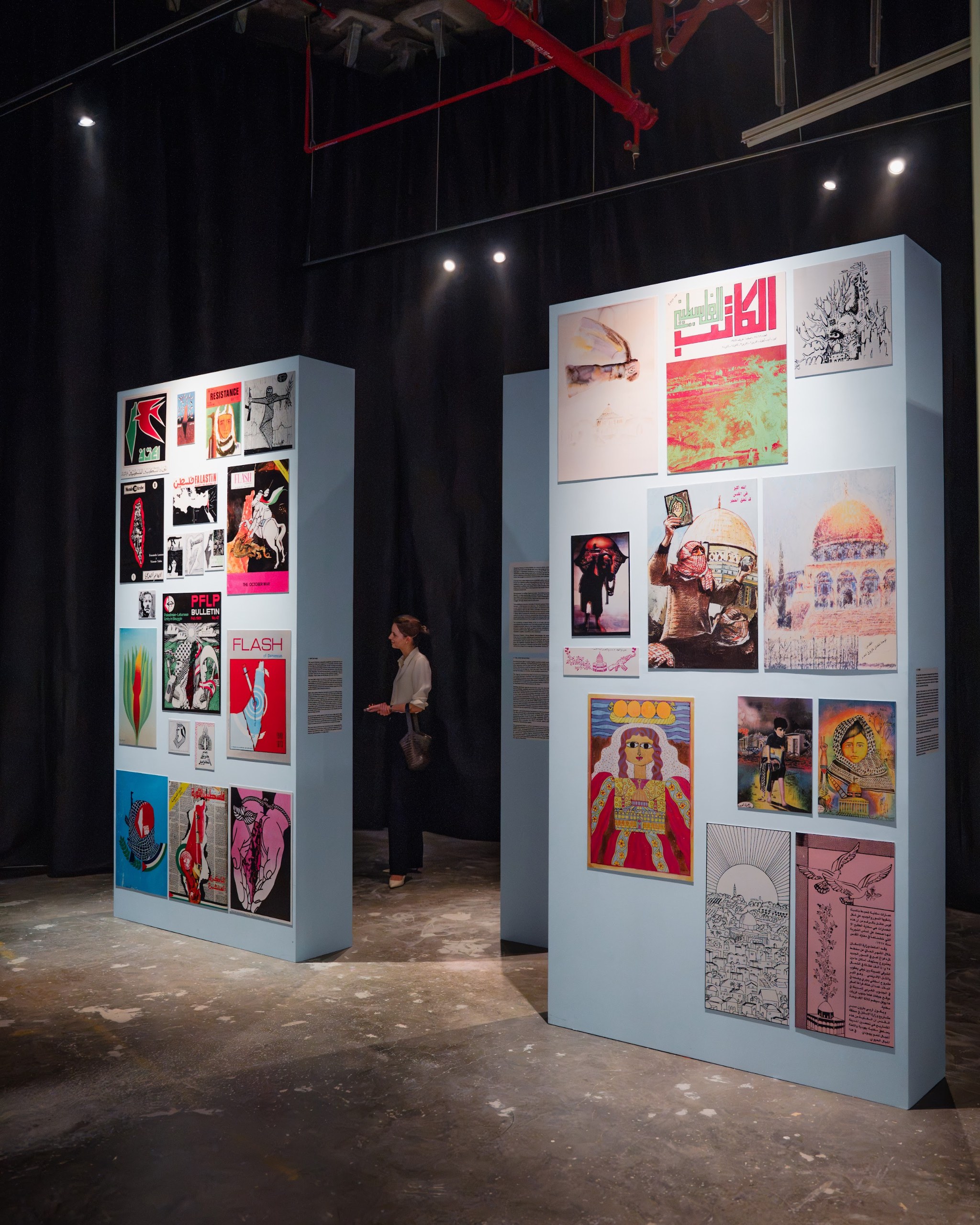
In addition, 19 more exhibitions, made with regional and international partners, cover design, craft and heritage. For example, The Sower by the Mexican designer Fernando Laposse links the desert ecologies of Mexico and Qatar. It is part of the Qatar Canada Mexico 2026 Year of Culture. Similarly, Aslan’s Love by Turquoise Mountain celebrates Palestinian craft. Post-Oil 2026, a Saudi Modern initiative by Bricklab, looks at the materials that changed the Gulf’s built environment.
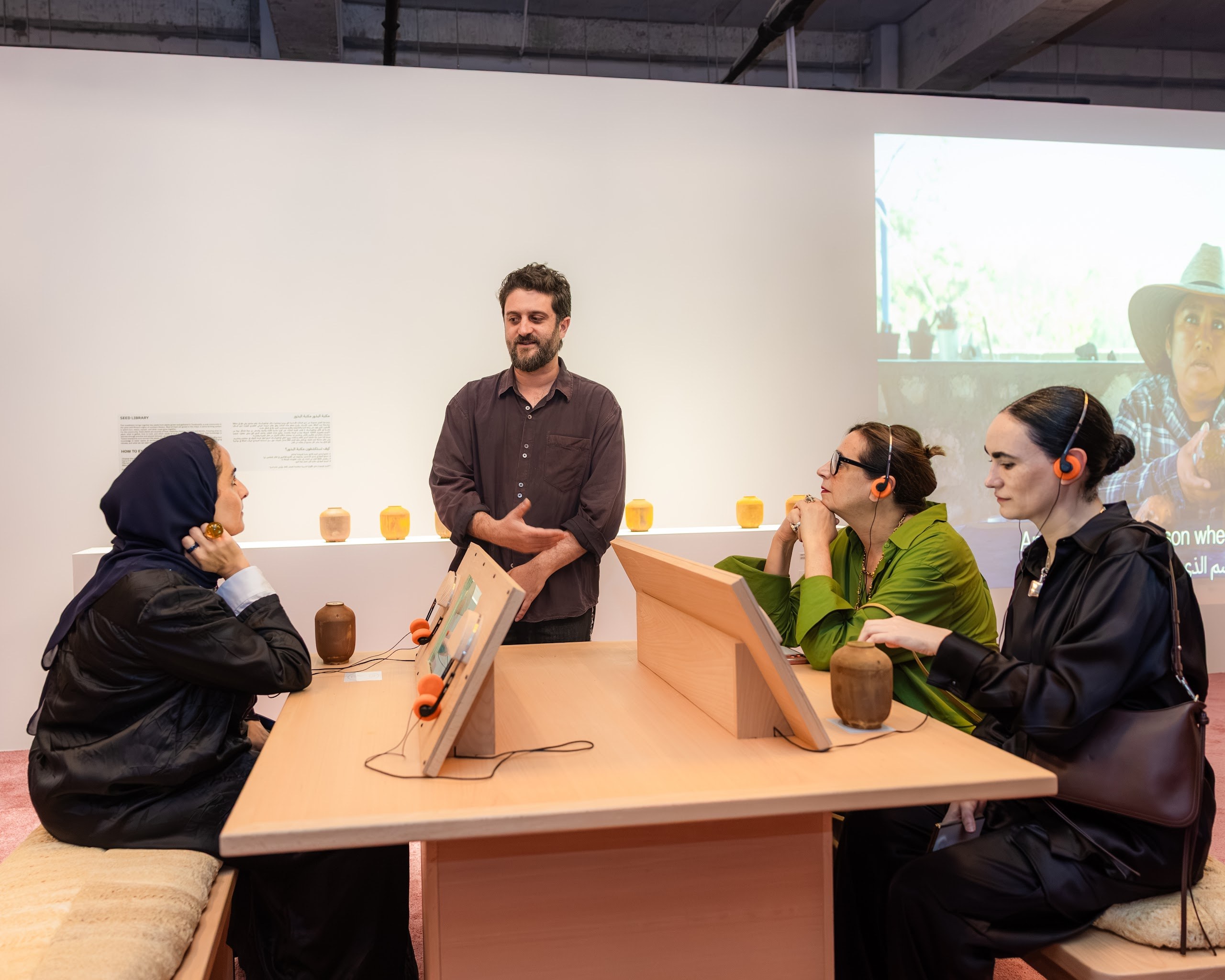
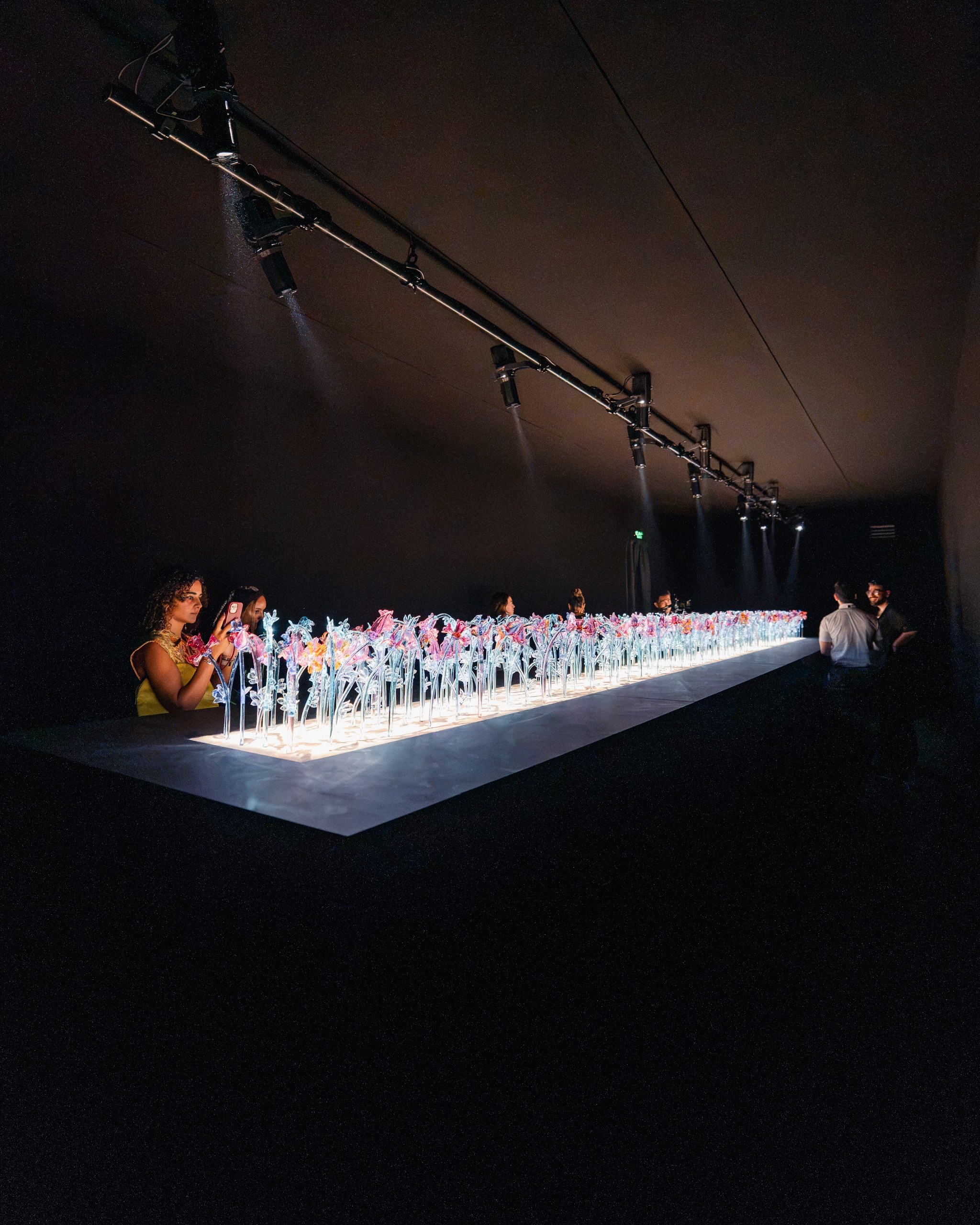
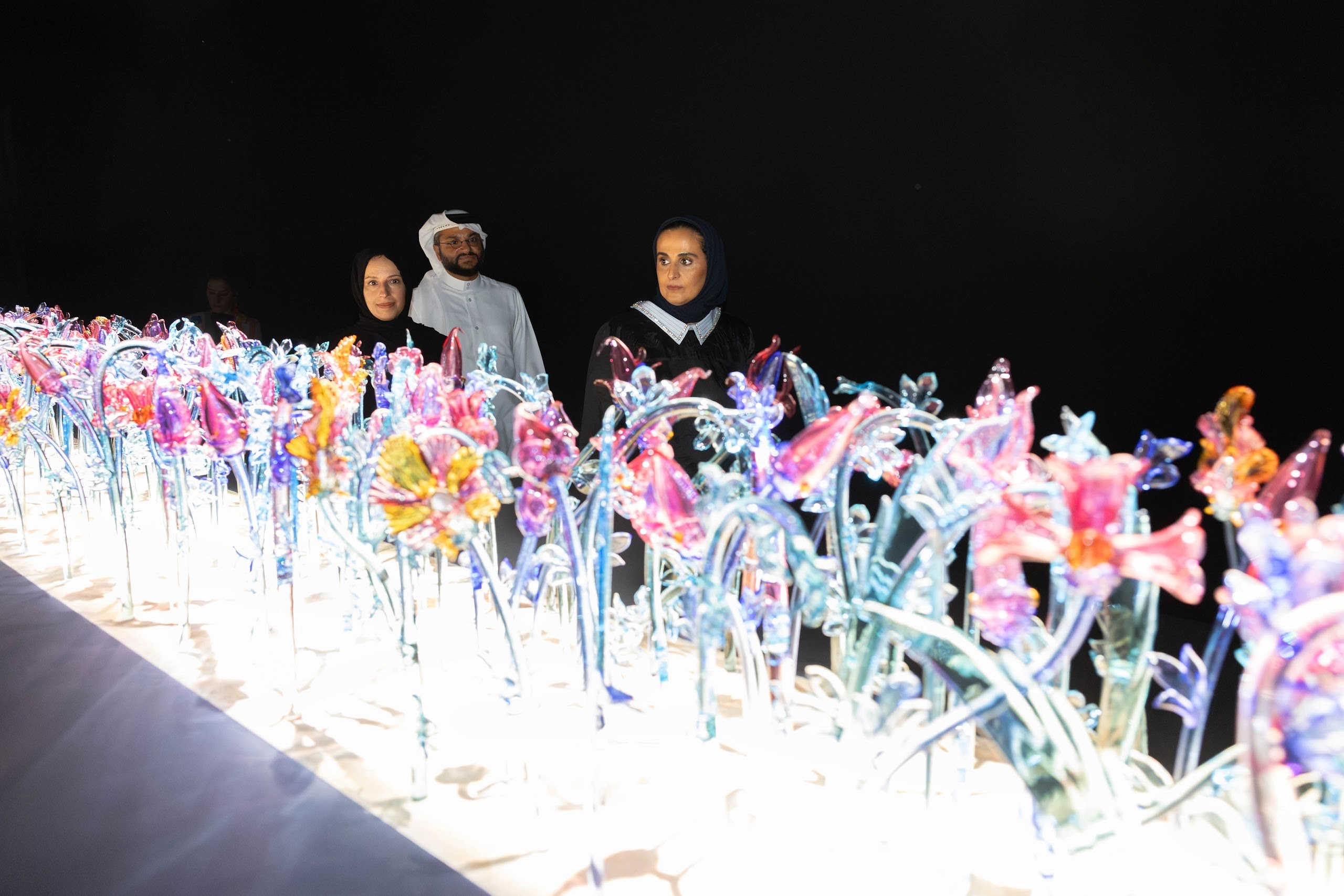
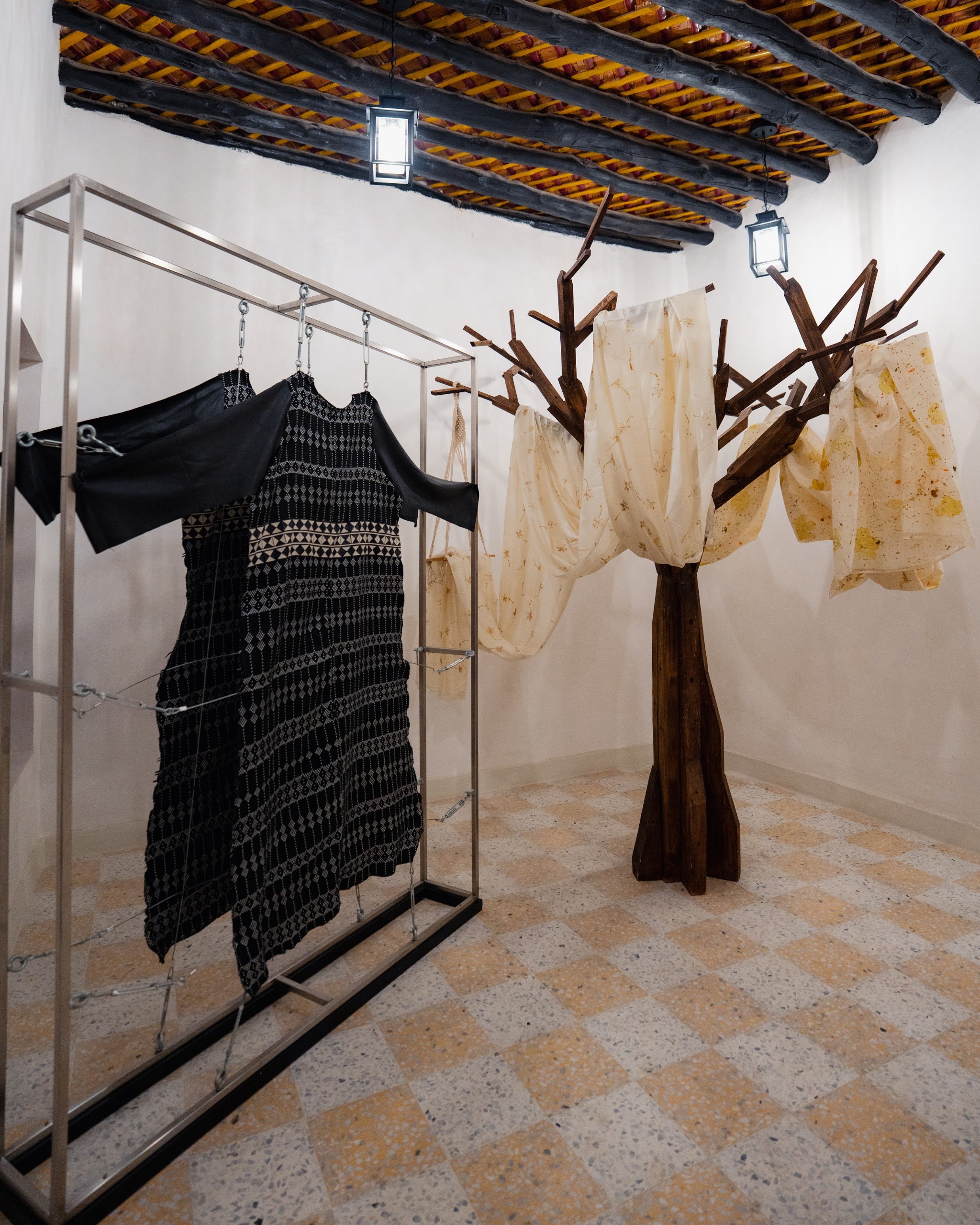
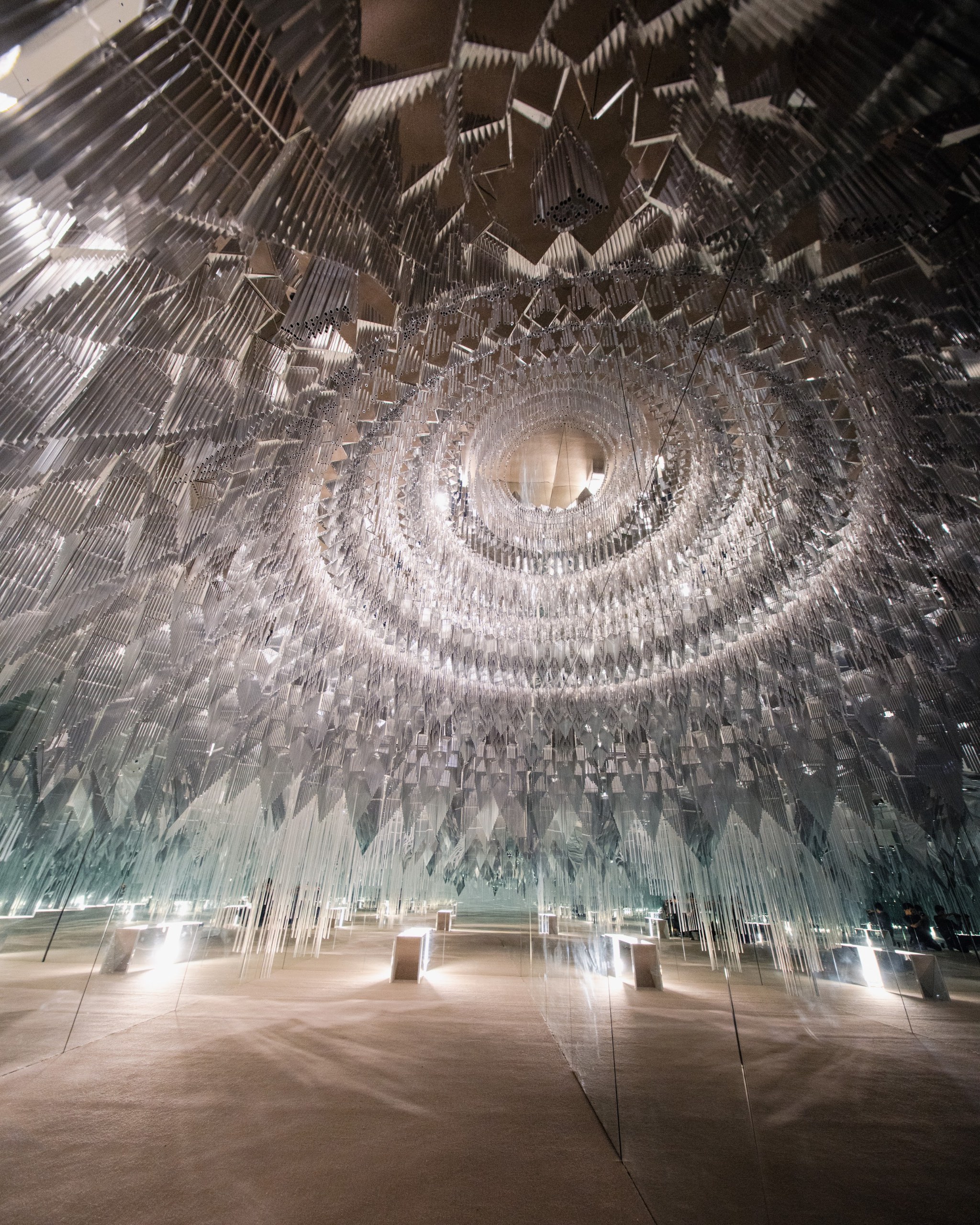
Next, Al Khor Urban Futures sketches the regeneration of Al Khor’s historic centre. It grew out of two years of talks with the local community. Across three traditional houses, it shows a full-scale canopy by Kéré Architecture. Visitors can also add ideas for the next stage of the Al Khor Heritage Trail.
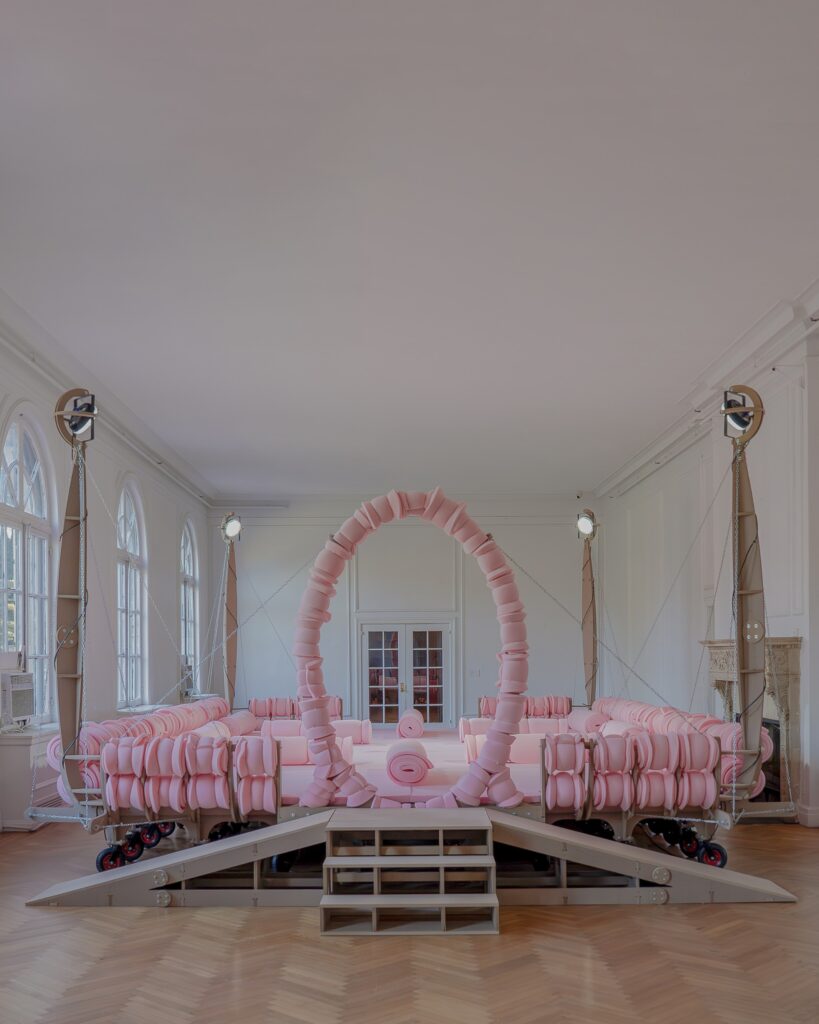
Elsewhere, The Muqarnas of Sadu turns traditional weaving into a large architectural installation. The Thread That Binds asks visitors to join a collective weaving project, and Monumental: A Monobloc’s Memoir recasts the familiar plastic chair as a sculpture drawn from everyday life in the Arab world.
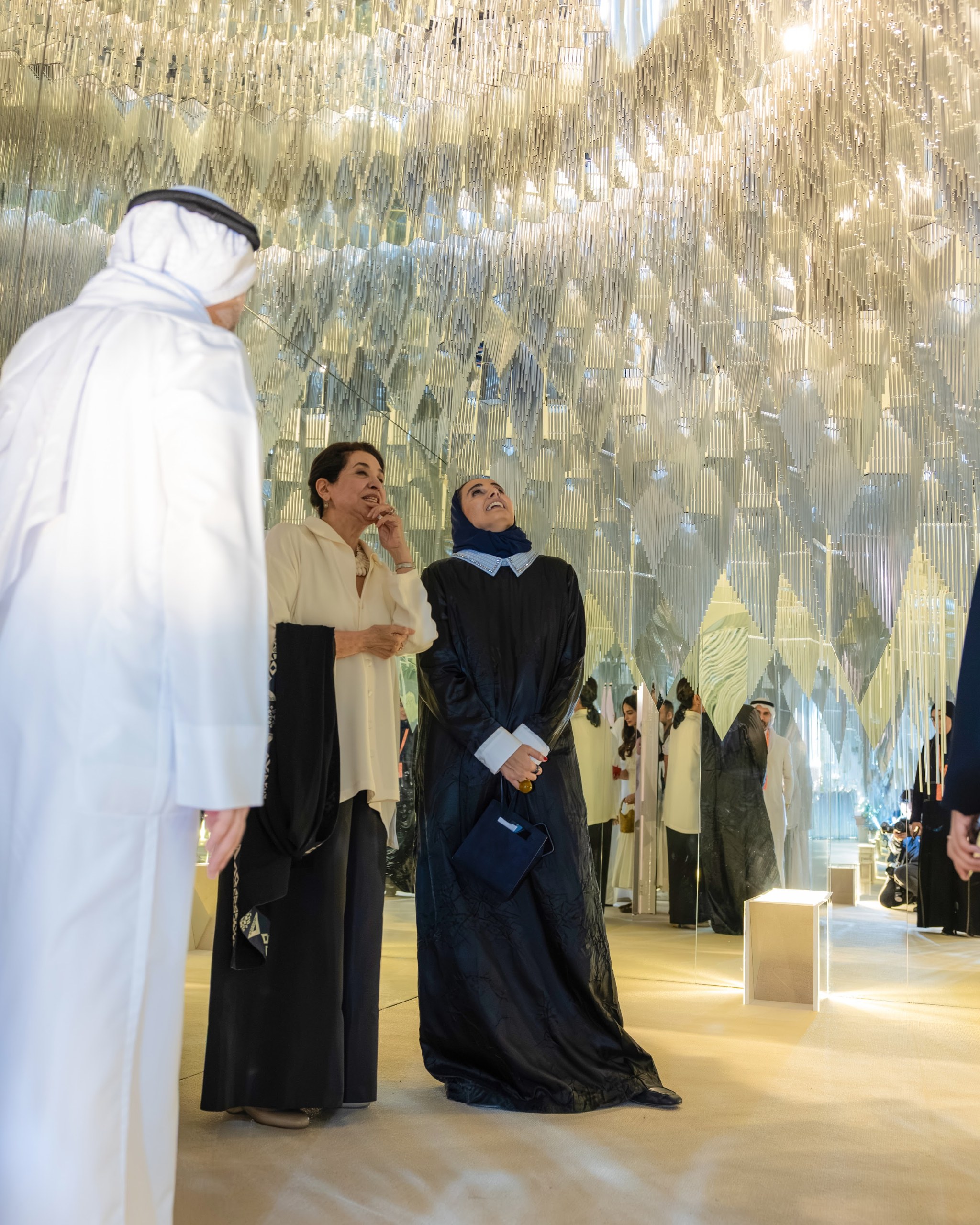
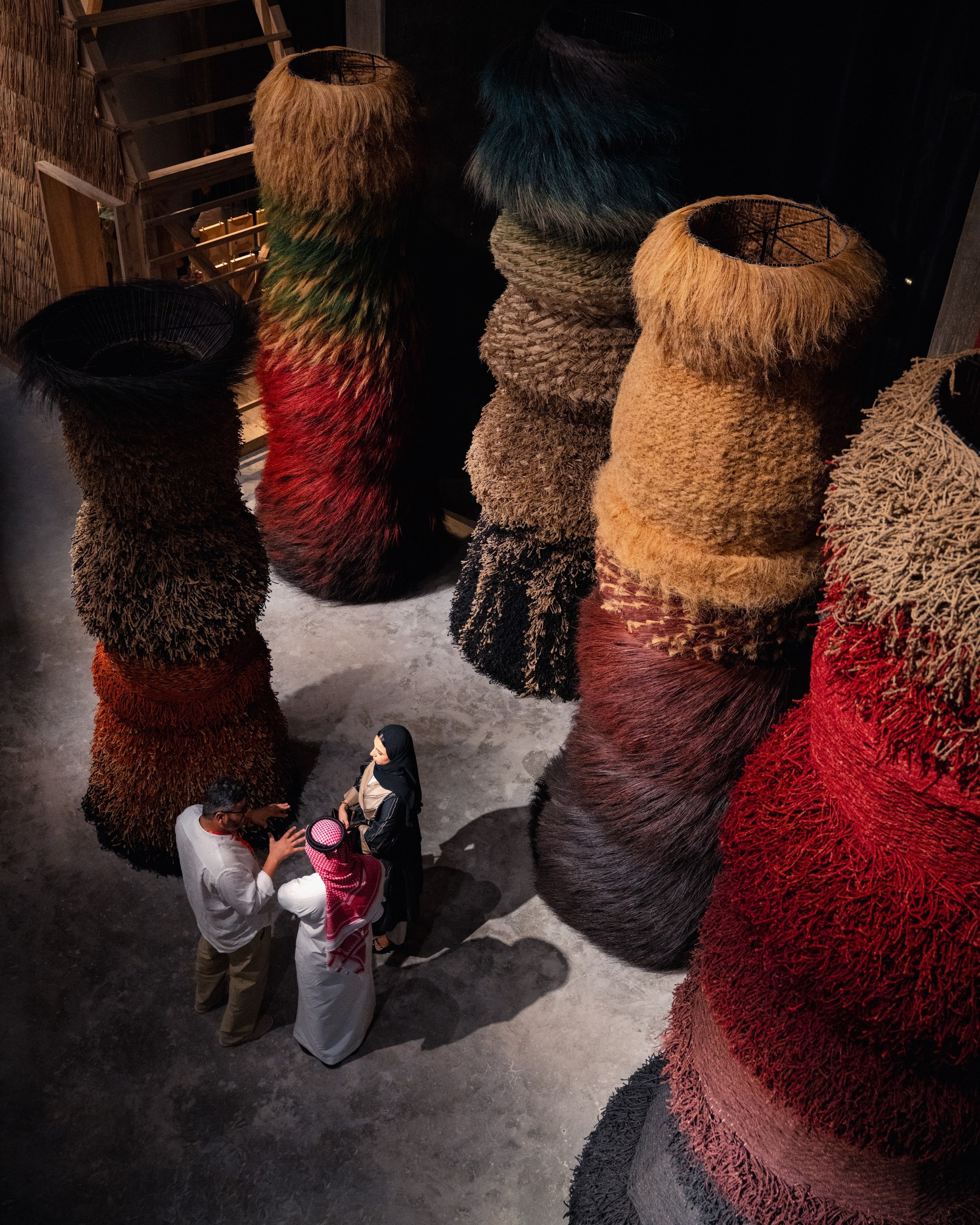
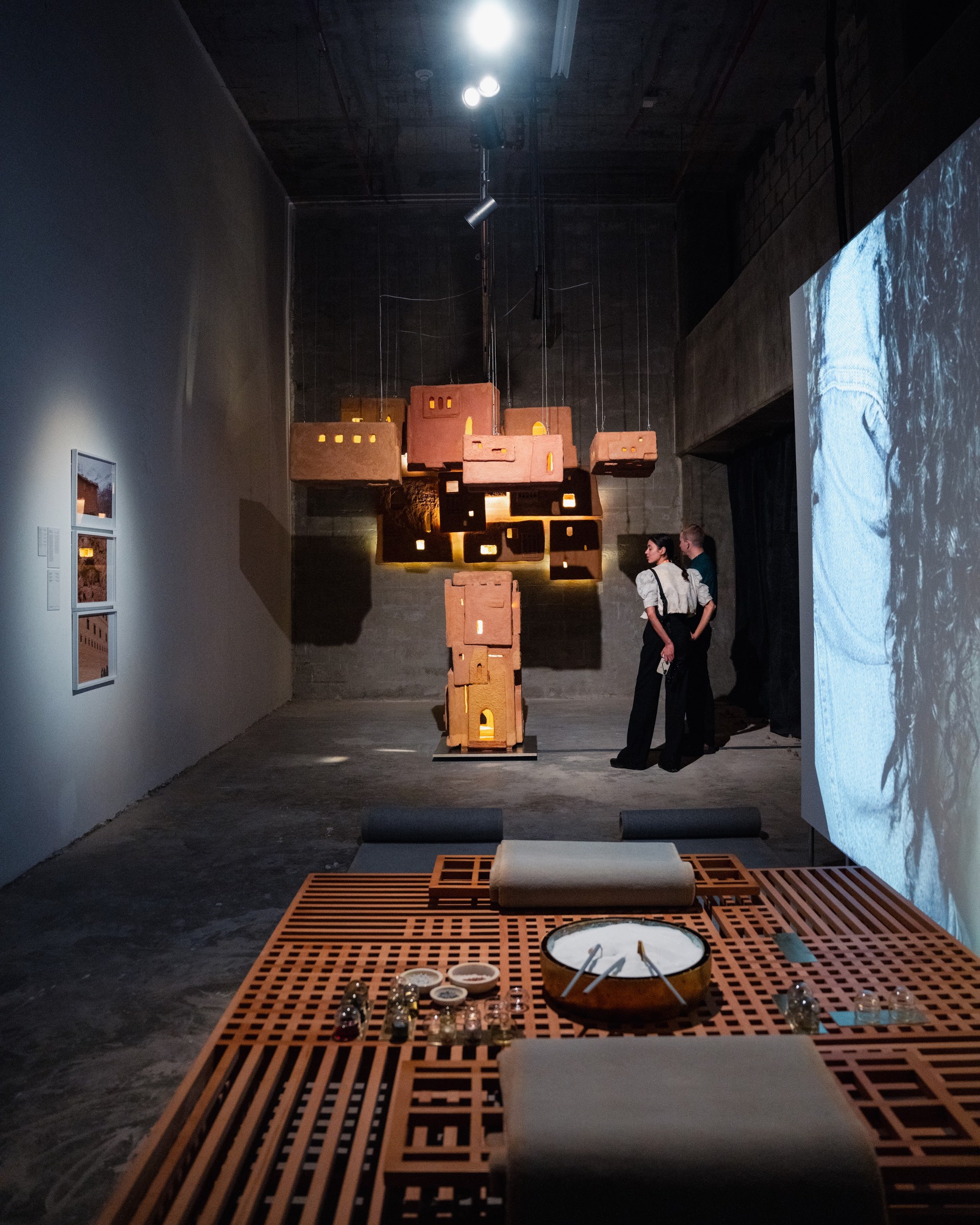
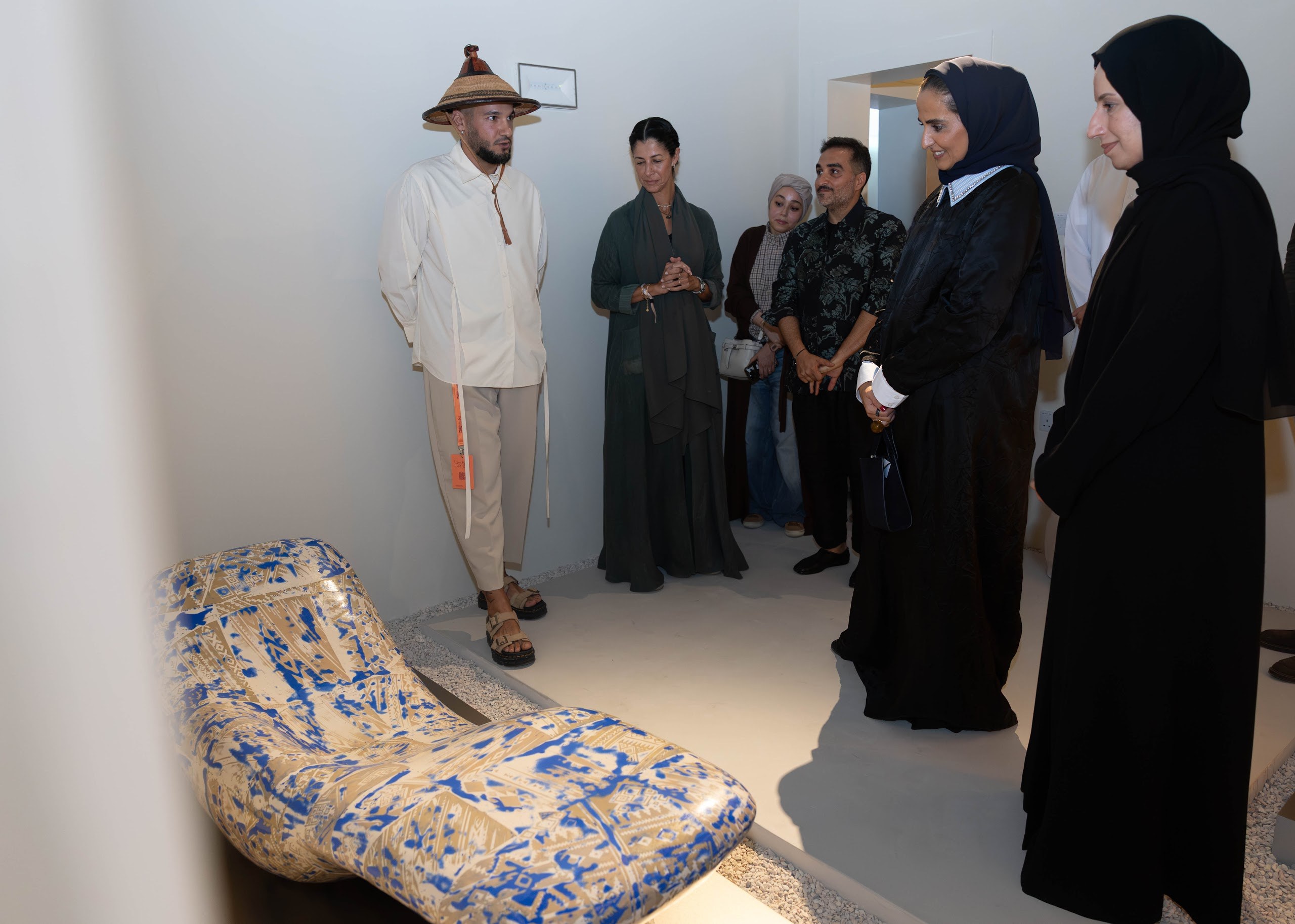
Five Public Design Commissions
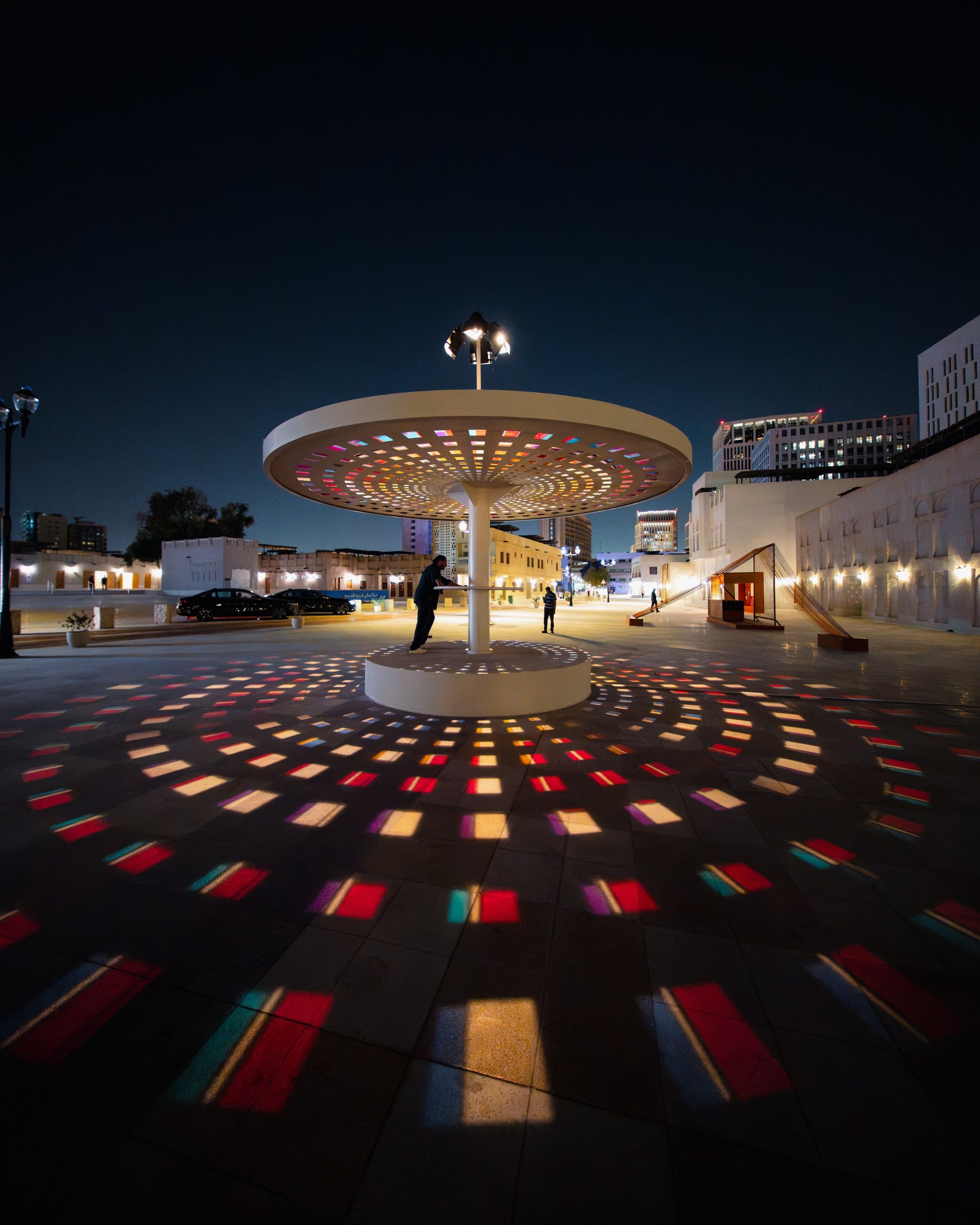
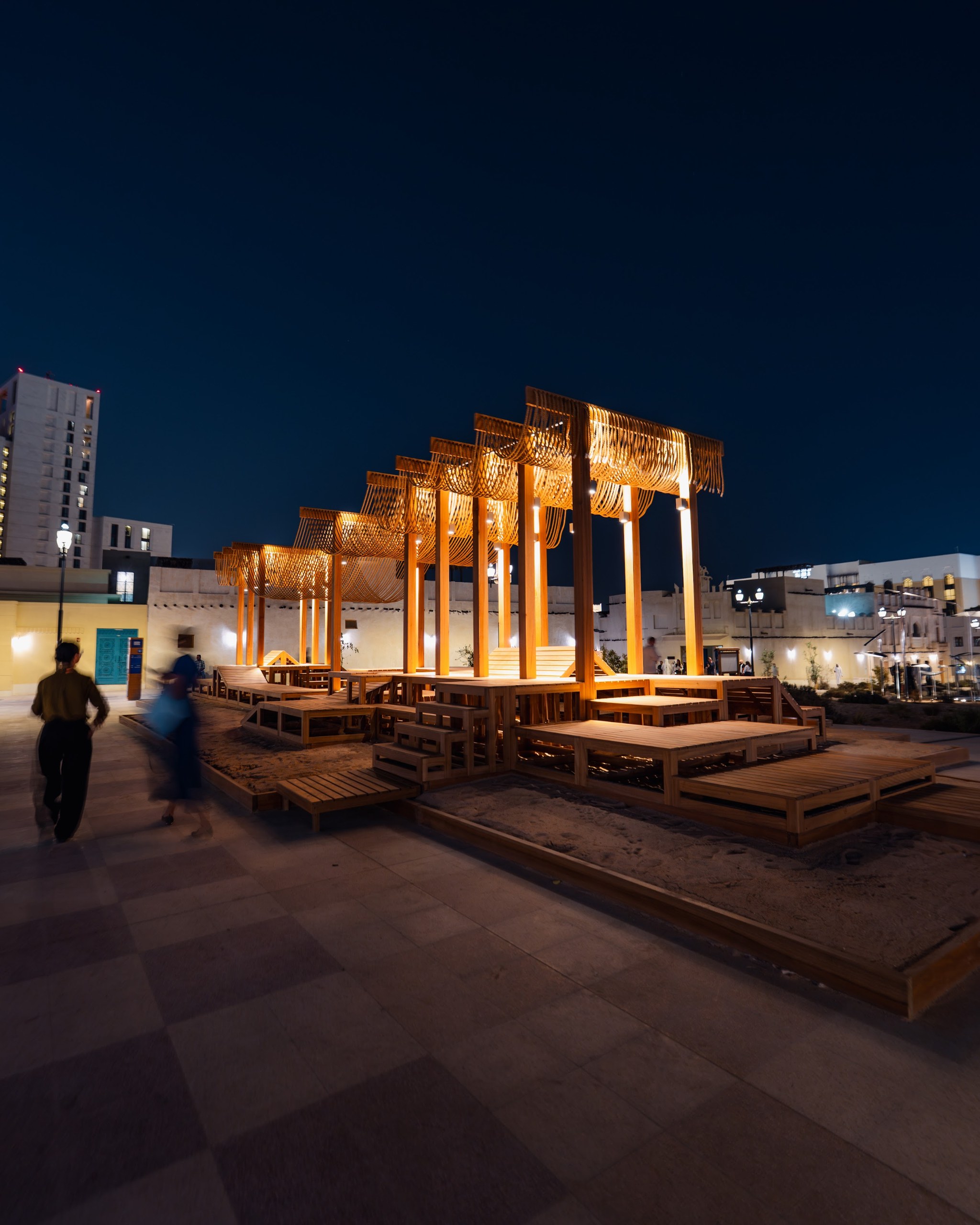
Five site-specific installations bring shade, cooling, water and places to gather into Fereej Al Asmakh. Javier Peña Ibáñez, Director of Concéntrico, curated them, with support from the Public Works Authority (Ashghal). They are Falajscape by Studio By Three, Shoreline by platau, Salsabil by Meriem Chabani (NEW SOUTH), Cooling Pots by Haitam Daoudi and Oscar Cruz Garcia, and Palm Construct by Abdalla Almulla.
Design Doha Prize and programme
The Design Doha Prize returns with 20 finalists in four categories: Craft, Product Design, Furniture Design and Emerging Talents. A 24-member jury headed by India Mahdavi oversees it. As a result, four winners share a QAR 800,000 support package, along with mentorship, residency, production and commercial opportunities.
Over the opening days, from 5 to 7 November, the programme also included tours, talks, workshops and performances. Finally, Design Doha Biennial 2026 is part of Evolution Nation, a campaign marking 50 years since the founding of the National Museum of Qatar.
Project Credits
Event: Design Doha Biennial 2026
Theme: Translating Knowledge: From Ancestral Systems to Economic Futures
Dates: 5 November 2026 to 31 January 2027
Location: Fereej Al Asmakh, Msheireb Downtown Doha and other sites, Doha, Qatar
Organiser: Qatar Museums / @qatar_museums
Biennial: Design Doha / @designdohabiennial
Director: Fahad Al Obaidly
Artistic Director: Glenn Adamson
Installation views: Design Doha 2026, courtesy of Qatar Museums
Related Posts
Previous Post
Next Post
- OTLA terraces a forest slope into a village for retreat staff in Karnataka

- ARP studio sets a steel frame inside a 19th-century salt warehouse in Koper

- Pavillon wraps a family chalet in silver metal and old memories

- Stuart Ian Frost and Gunhild Lien raise a cylinder of spruce in an Alpine forest

- ecoLogicStudio threads a living garden through the vineyards of Canelli
- TAKK turns a bed into common ground for the Beaux Arts Ball