Now Reading: Georgia O’Keeffe and American Modernism brings sixteen O’Keeffe paintings to MMCA Gwacheon
- 01
Georgia O’Keeffe and American Modernism brings sixteen O’Keeffe paintings to MMCA Gwacheon

Georgia O’Keeffe and American Modernism brings sixteen O’Keeffe paintings to MMCA Gwacheon
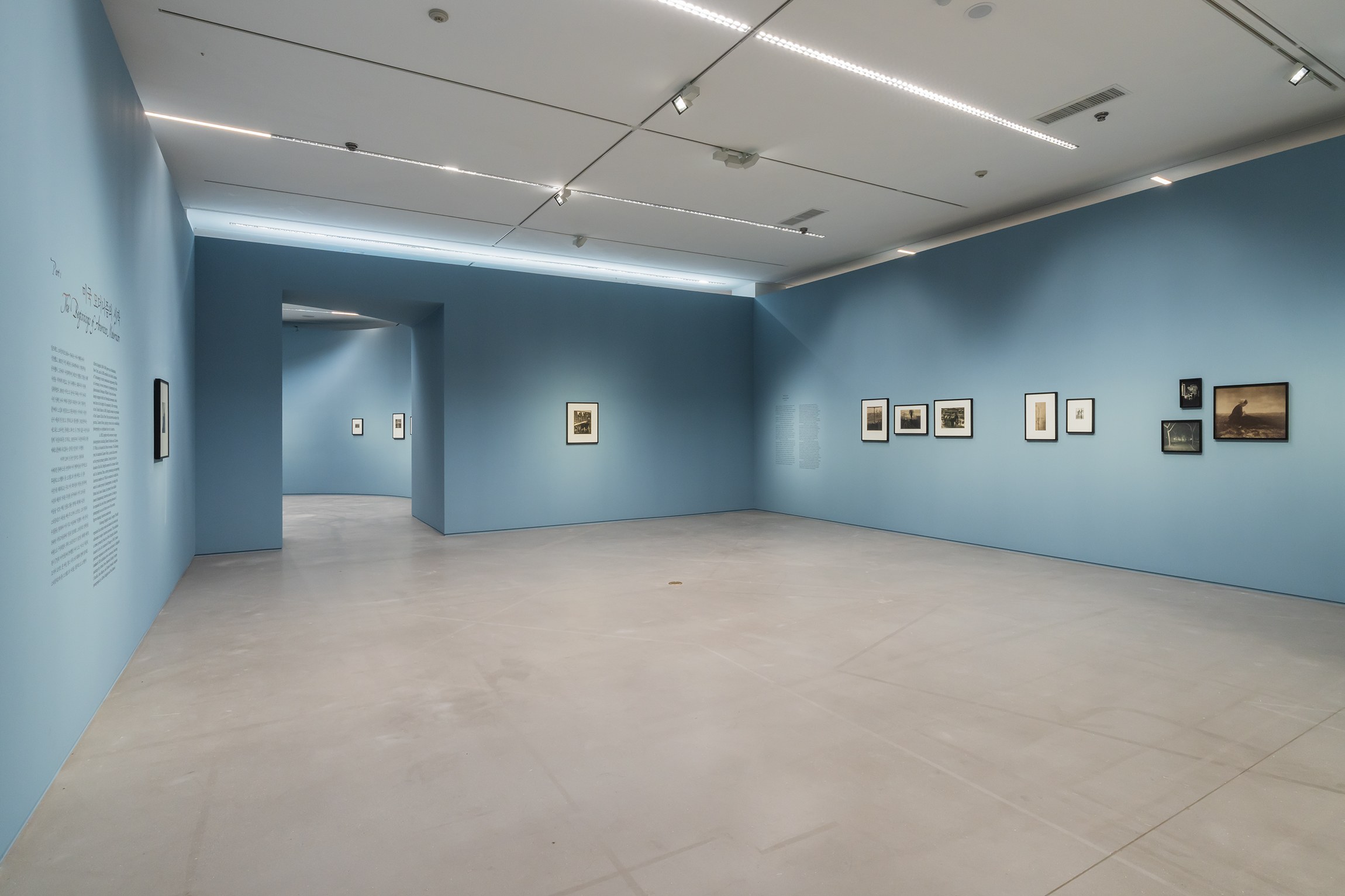
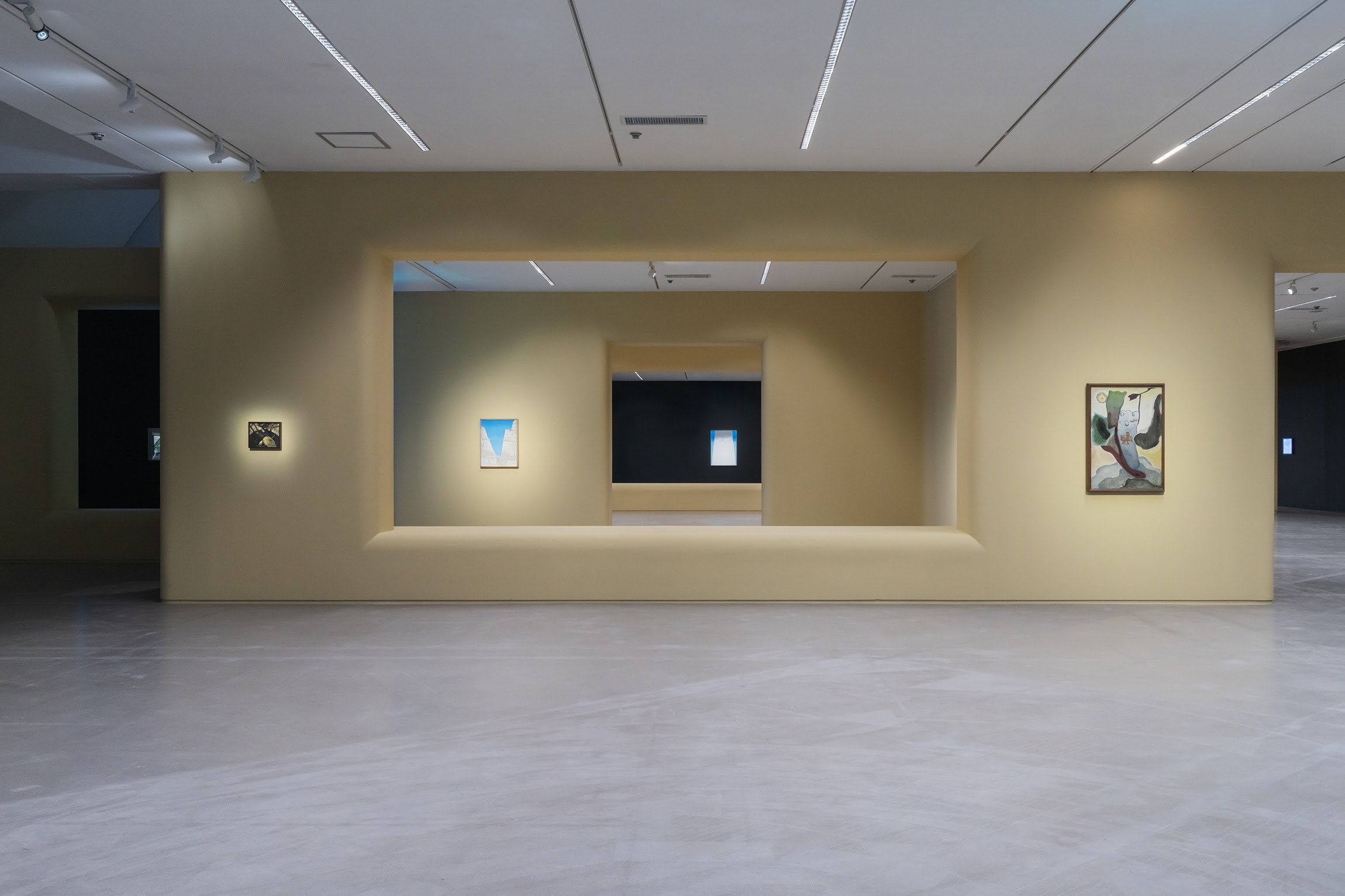
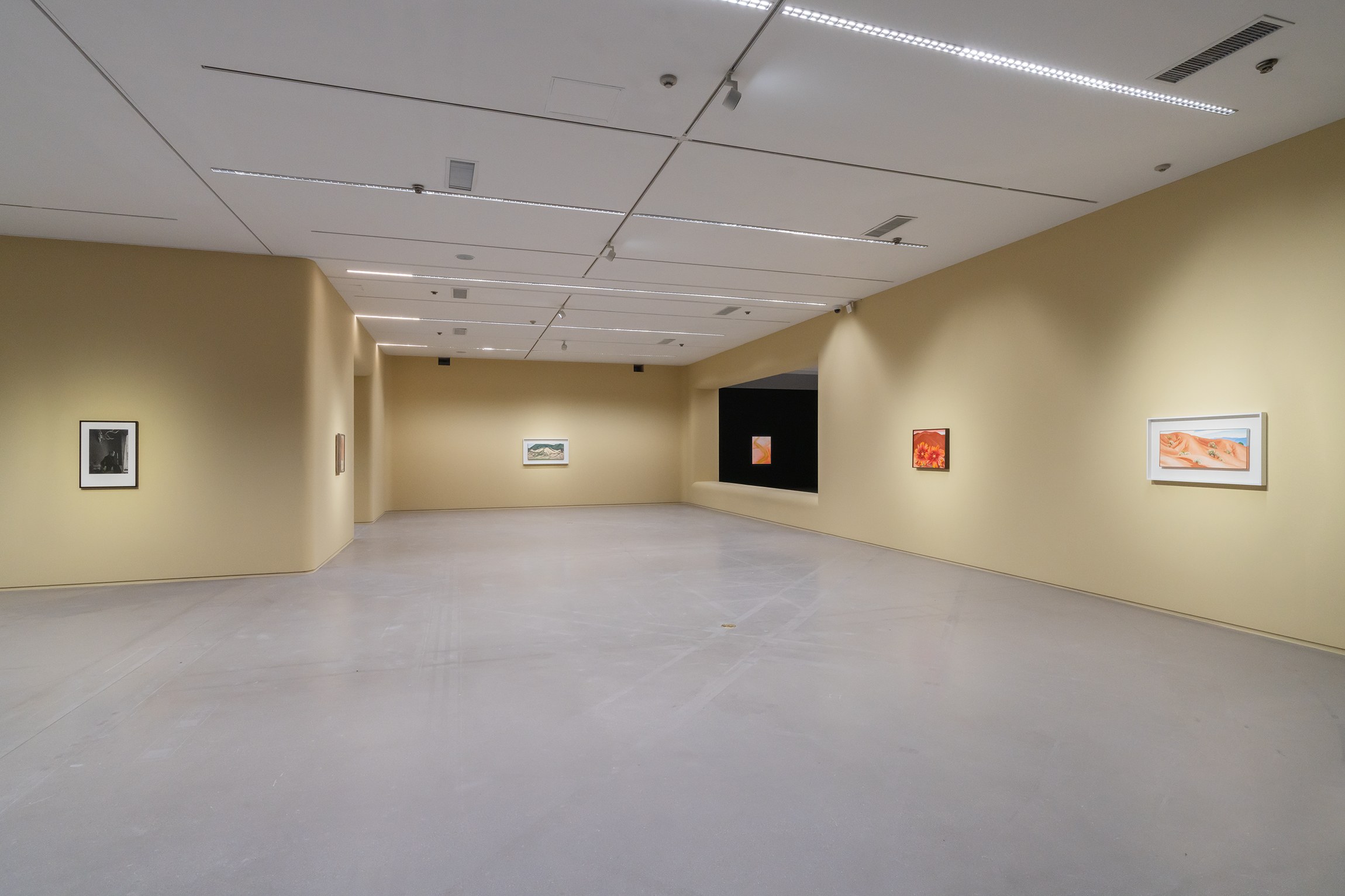
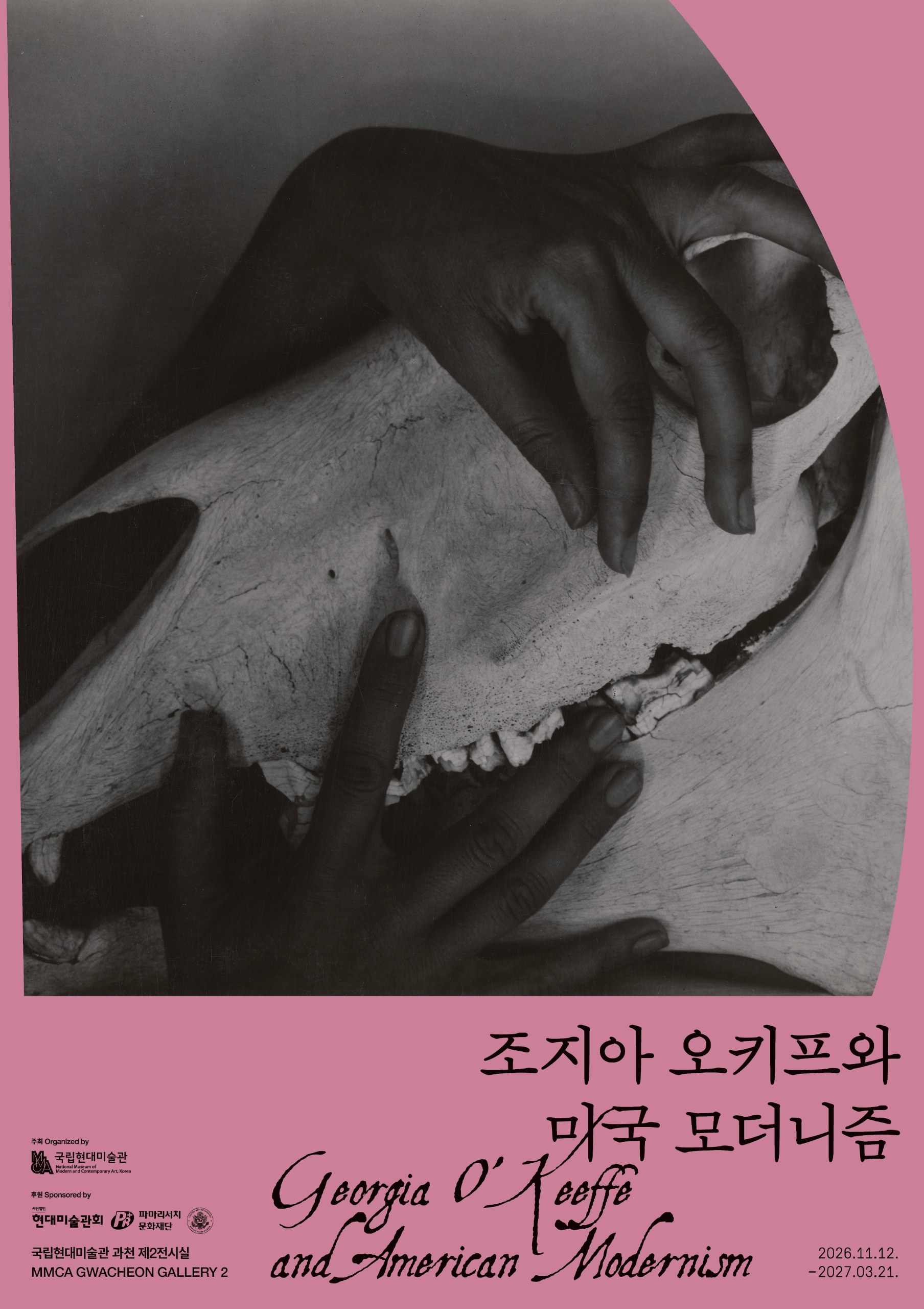
The National Museum of Modern and Contemporary Art, Korea (MMCA) presents Georgia O’Keeffe and American Modernism in Gallery 2 of MMCA Gwacheon, from 12 November 2026 to 21 March 2027. Through works by O’Keeffe, Alfred Stieglitz, Arthur Dove, Marsden Hartley, Charles Demuth and others, the exhibition follows American modernism from its emergence in the first half of the 20th century.
A generation between Paris and New York
These artists were born in the late 19th century, when Paris was the centre of the art world. They grew up as that centre moved towards the United States, and they saw American society change through industrialisation and new technology. They kept a dialogue with European modernism. At the same time, they turned to American cities, landscapes and their own experience, and from this they shaped a distinctly American form of modernism.
In total, the show gathers 117 works by 13 artists: 52 artworks, 56 photographs, seven videos and two pieces of furniture. Sixteen of them are paintings by O’Keeffe, the largest group of her work shown in Korea so far. Nine are portraits of her.
Built around the Alfred Stieglitz Collection
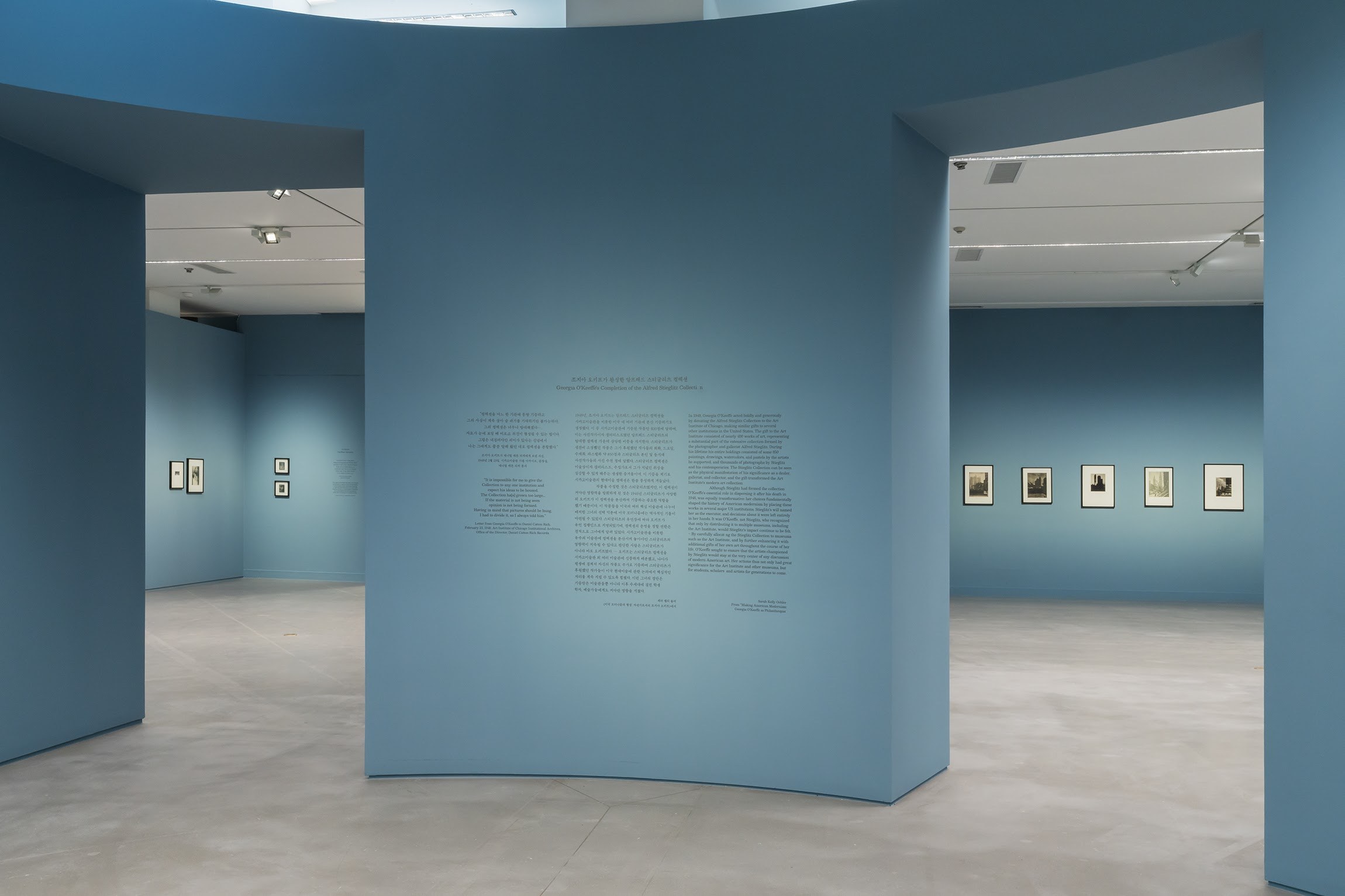
The exhibition is organised in three parts around the Alfred Stieglitz Collection, which O’Keeffe donated to the Art Institute of Chicago. Stieglitz was her husband, a photographer, and a key figure in discovering and supporting American modernist artists. After his death, O’Keeffe organised his works and collection herself, together with some of her own works, and then gave them to the museum.
The beginnings of American modernism
The first part introduces the modernists of the period through Stieglitz’s eyes. He published the photography journal Camera Work from 1903 to 1917 and ran galleries that argued for photography as an art form. Through exhibitions and sales, he also introduced younger artists and supported their careers.
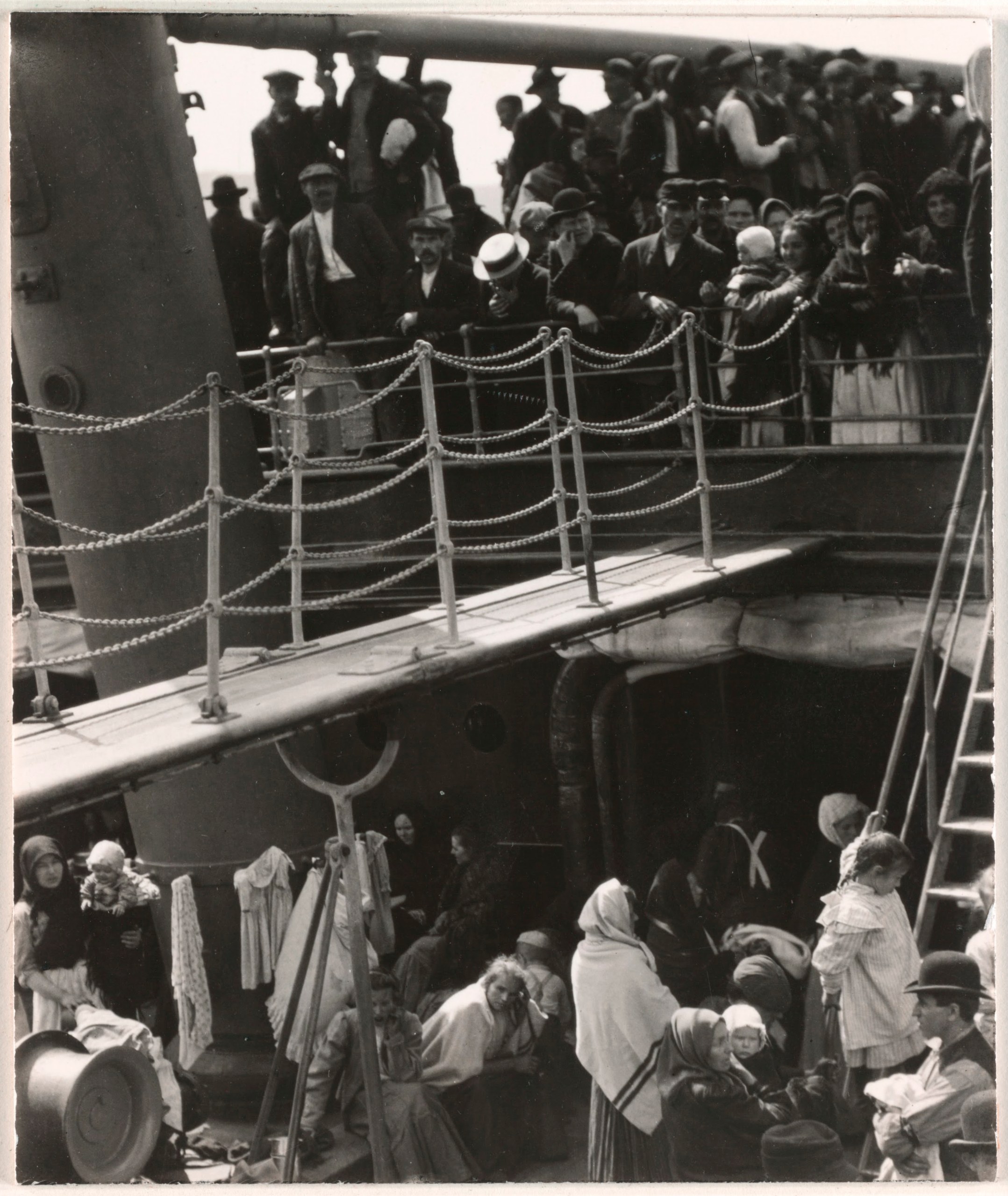
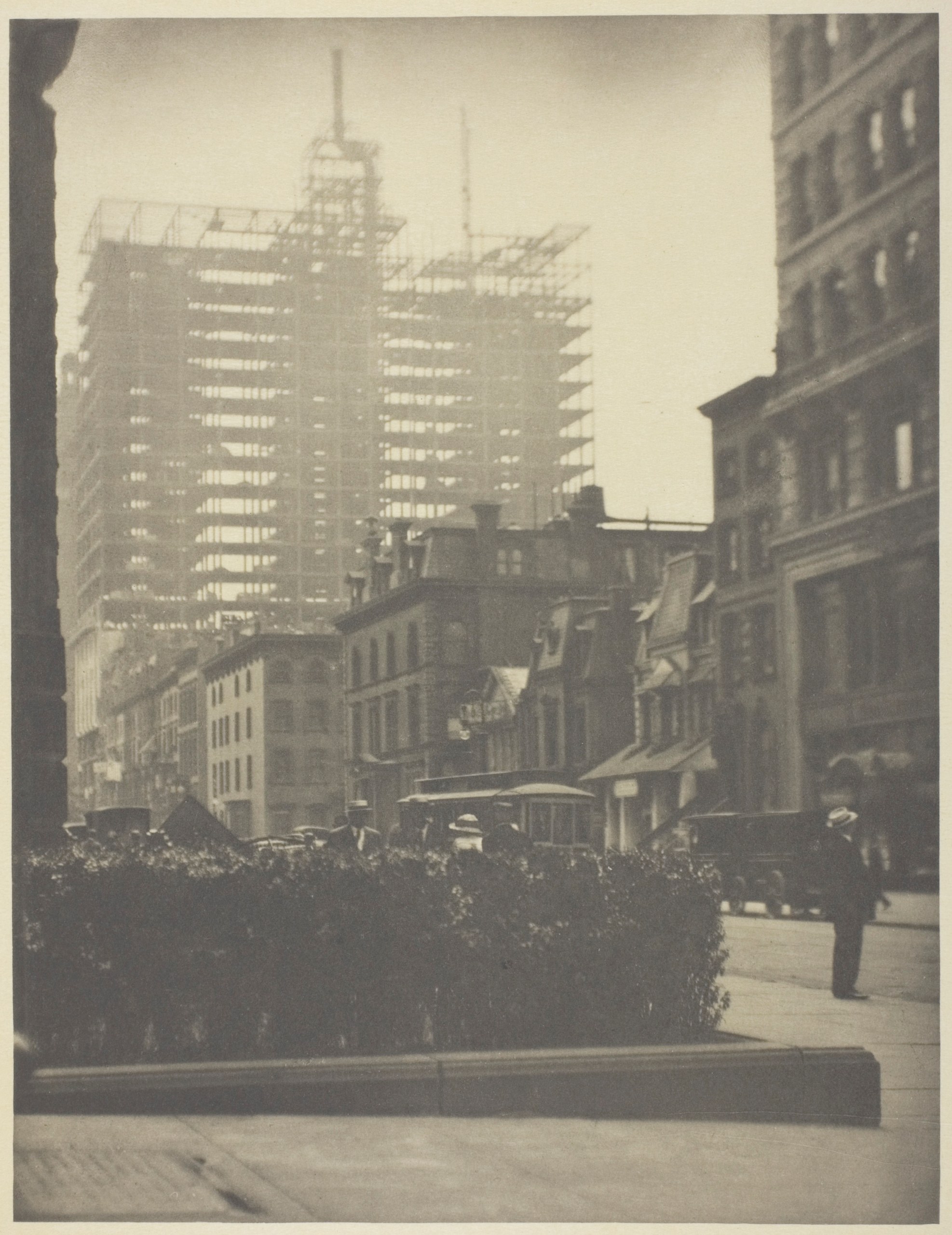
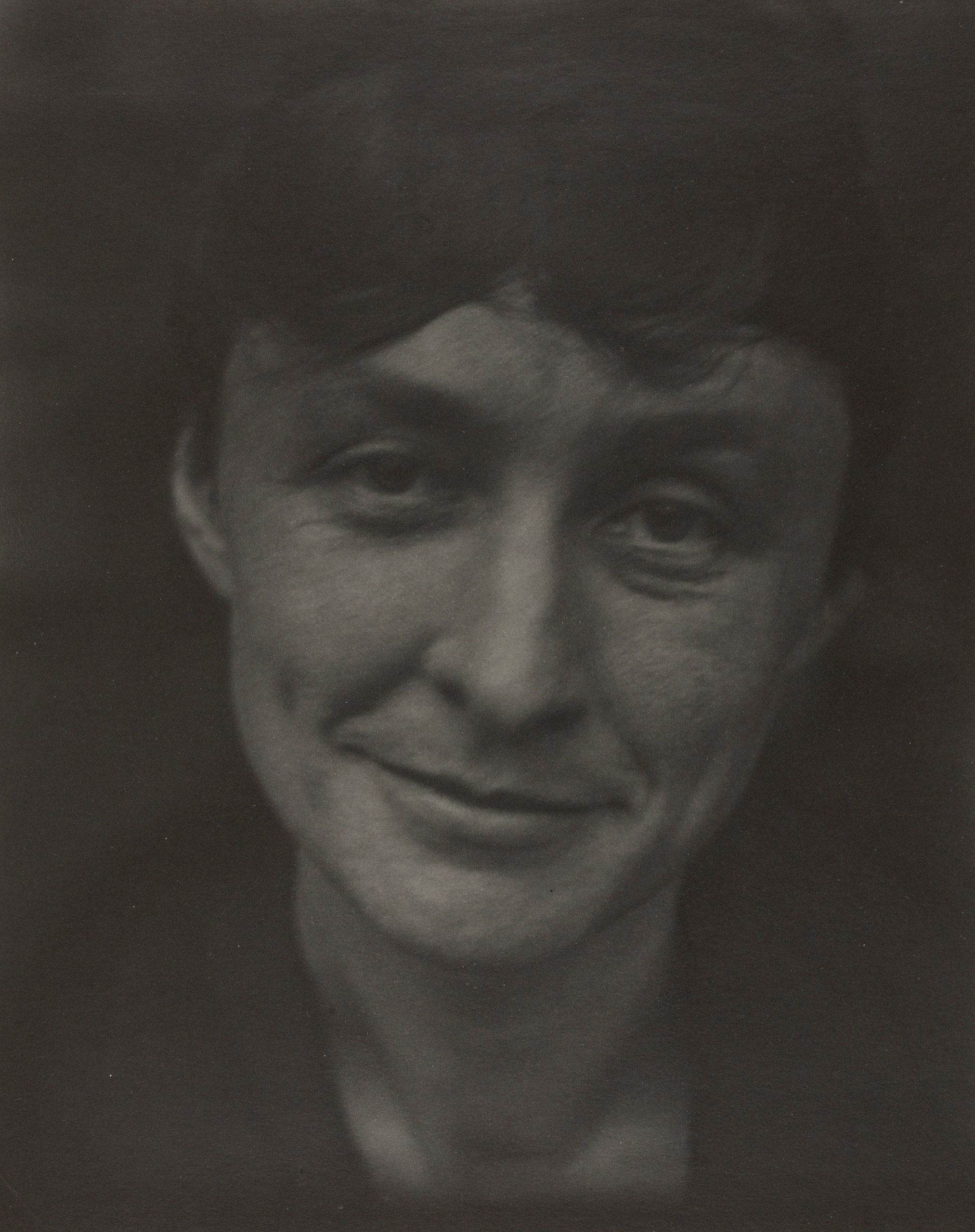
The Steerage (1907) and Old and New New York (1910) show daily life in America at the start of the 20th century. Among the portraits is Georgia O’Keeffe (1918), one of more than 300 photographs Stieglitz took of her over two decades from 1917. They hang beside his portraits of Dove, John Marin, Demuth, Paul Strand and Hartley.
City, nature and abstraction
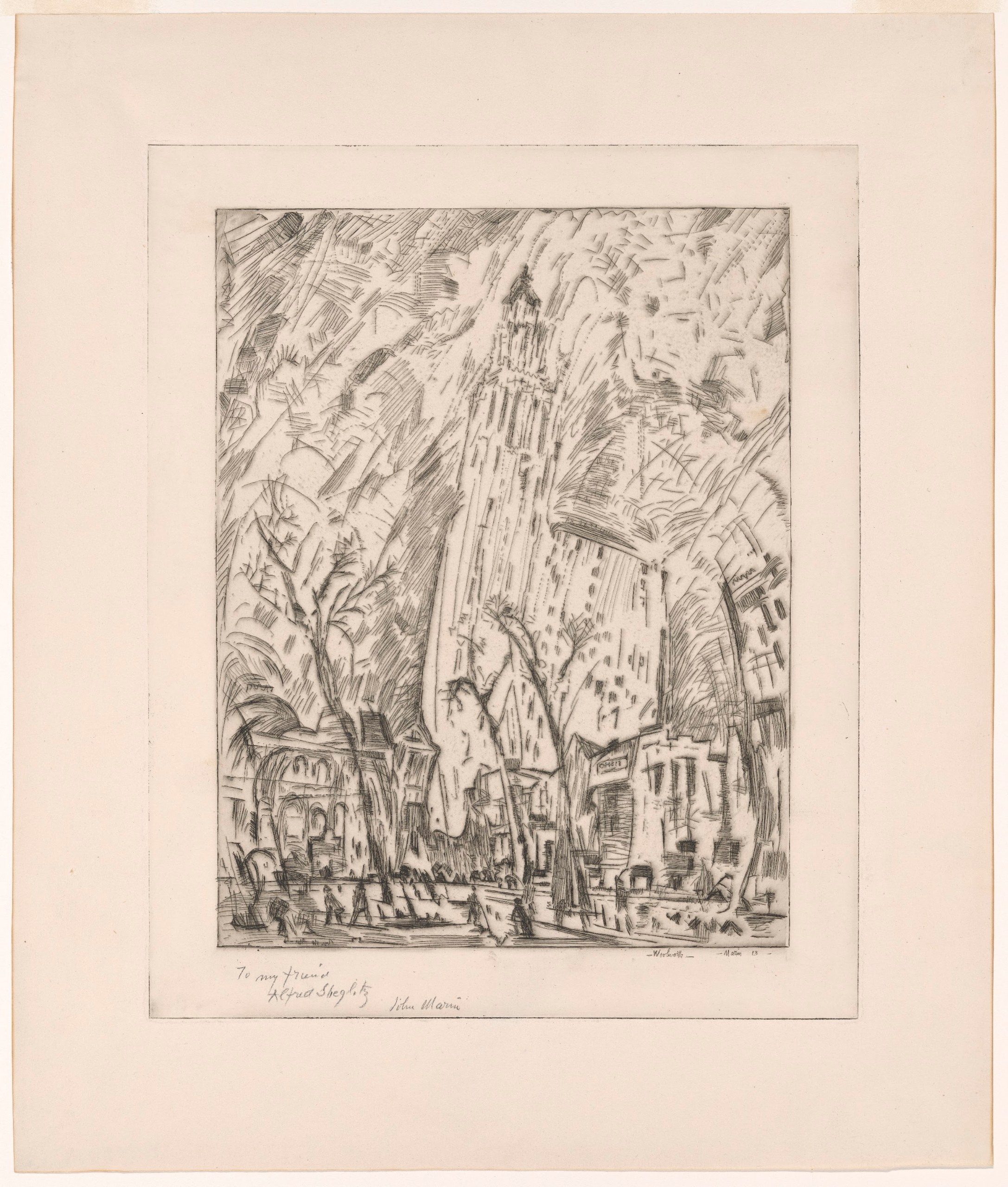
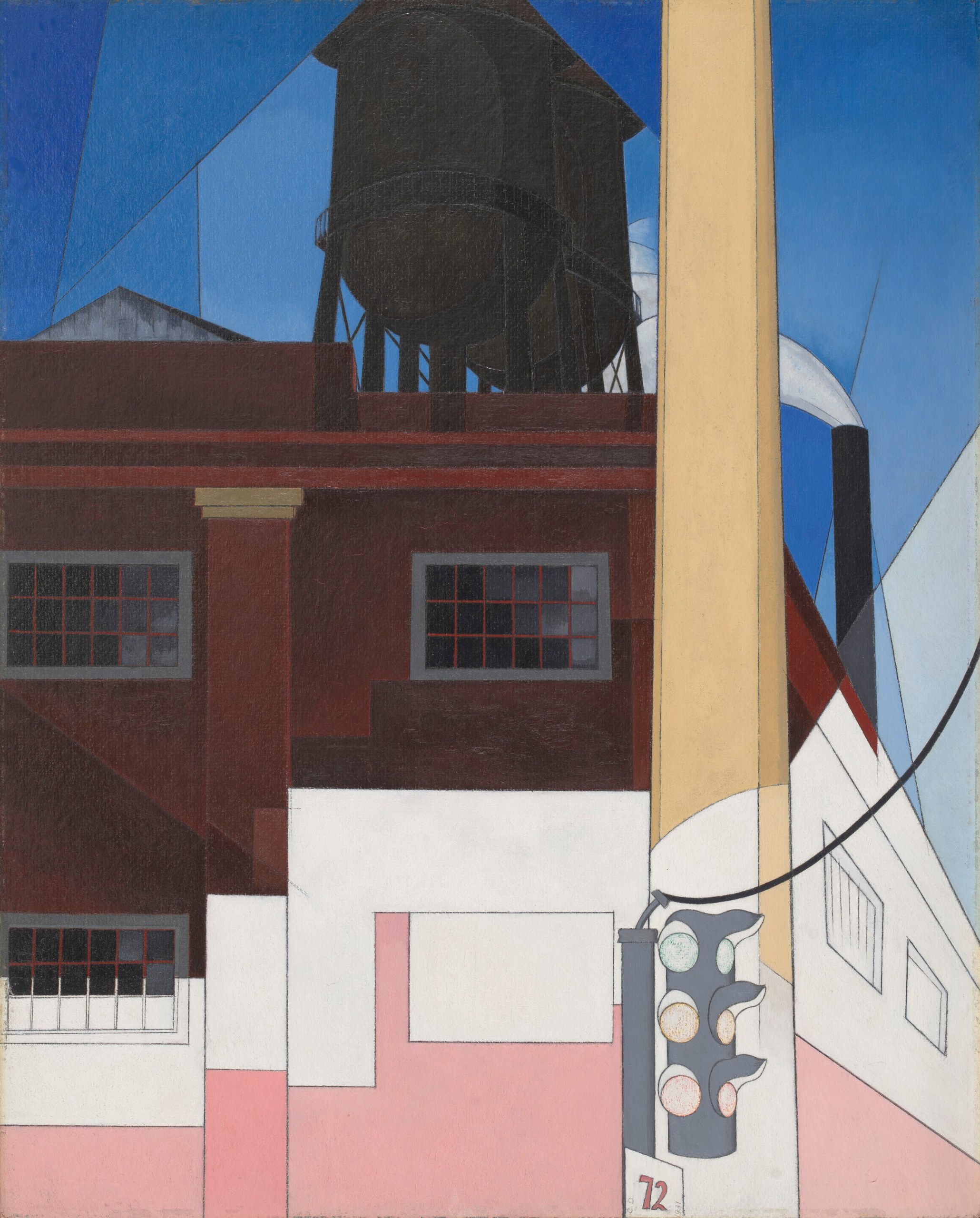
The second part looks at how O’Keeffe, Stieglitz and their peers searched for new forms of expression through three themes: the city, nature and abstraction. In Woolworth Building (The Dance) (1913), Marin shows New York during its skyscraper boom as a place of colliding forces. Dove’s Silver Tanks (1929) and Demuth’s …And the Home of the Brave (1931) treat factories and storage tanks as emblems of industrial America.
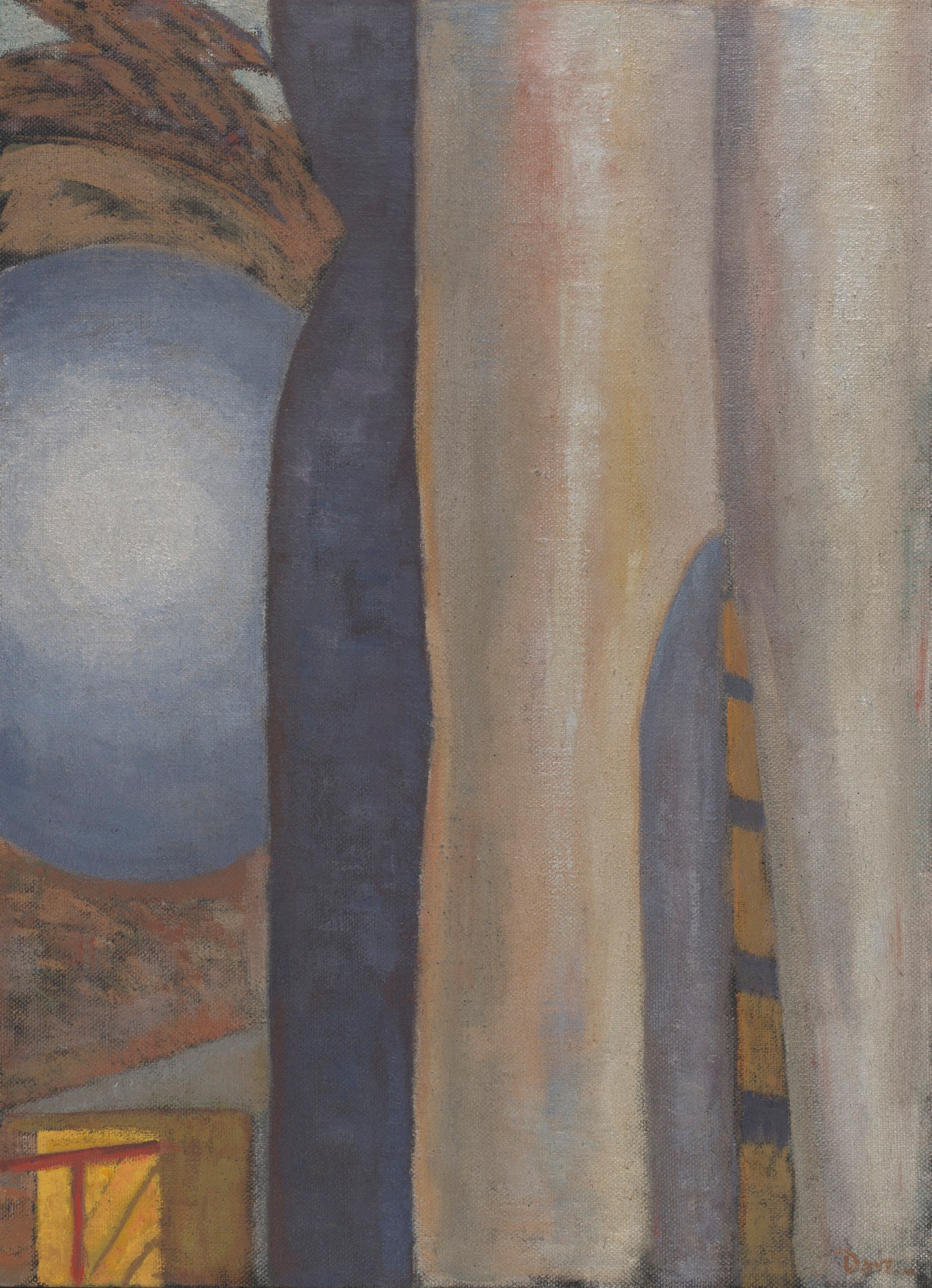
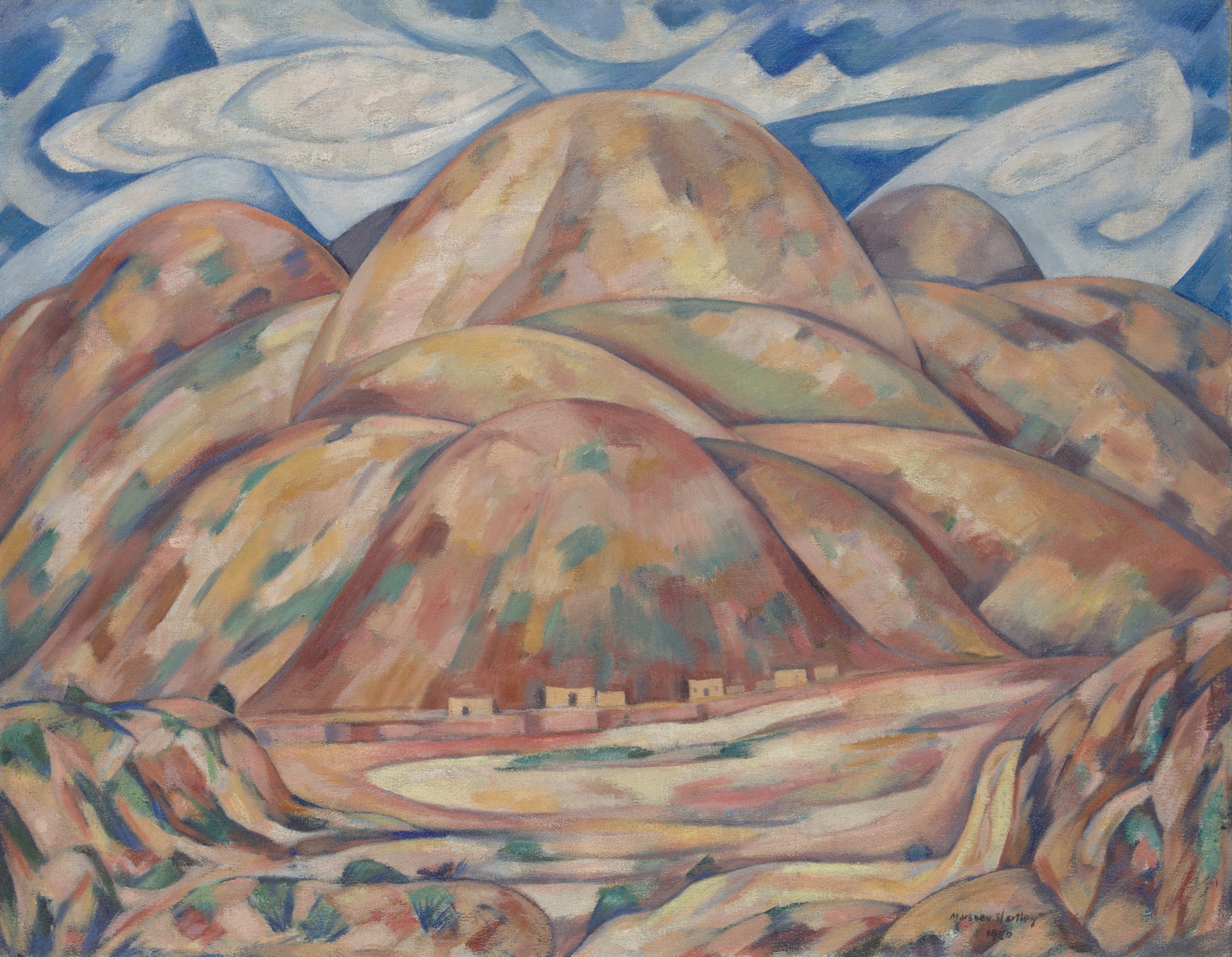
The landscapes of the American Southwest were another source. Hartley’s Landscape No. 3, Cash Entry Mines, New Mexico (1920) was shown in Alfred Stieglitz Presents Seven Americans (1925), and the region kept shaping his painting. Edward Weston, meanwhile, photographed the Oceano Dunes and Death Valley.
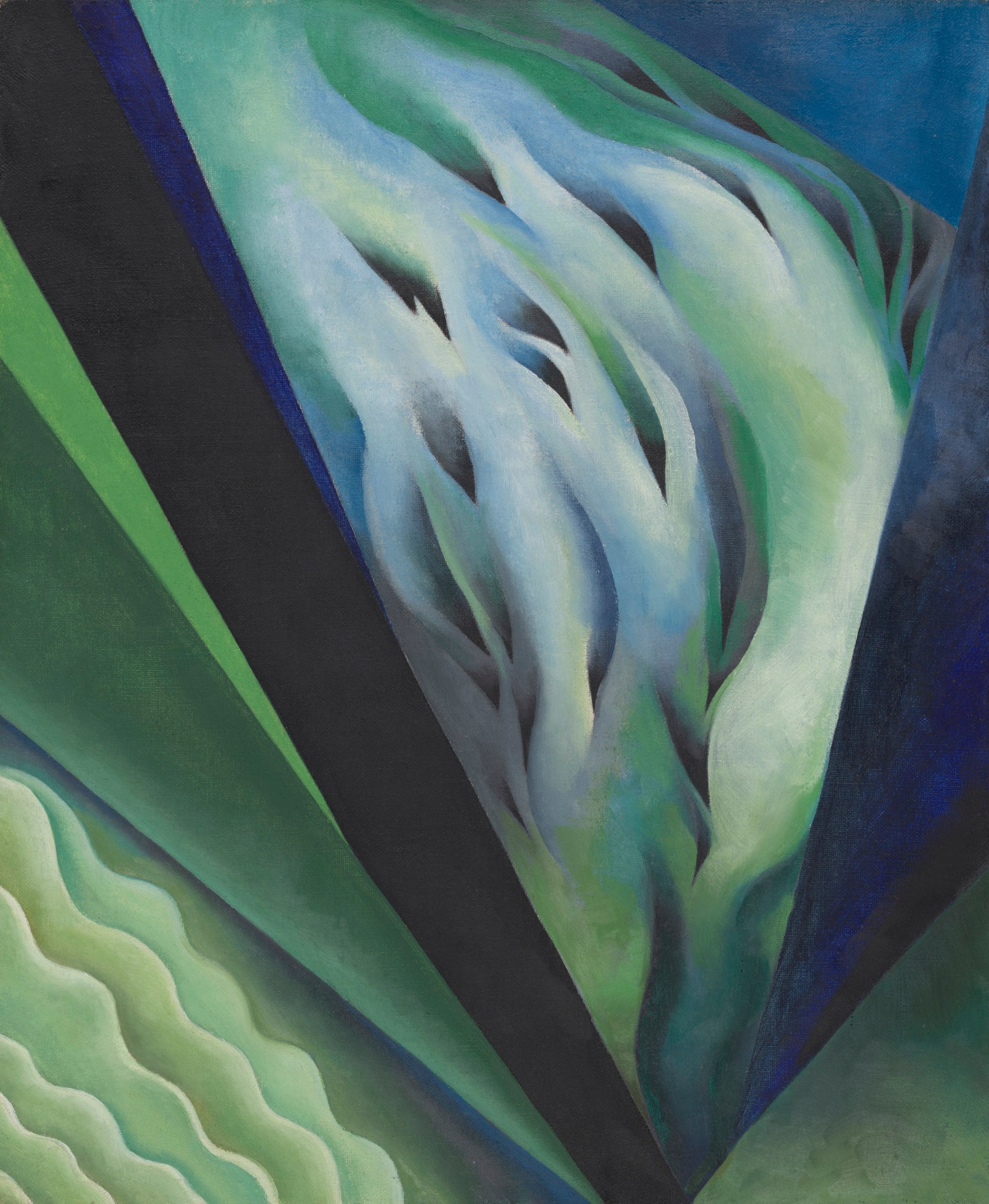
O’Keeffe, influenced by Wassily Kandinsky, tried to translate music into painting, as in Blue and Green Music (1919–1921). After moving to New York in 1918, she rebuilt forms and colours instead of reproducing her subjects. Through the early 1920s, her work moved freely between representation and abstraction.
Beyond American modernism, Georgia O’Keeffe in New Mexico
The third part focuses on the works O’Keeffe drew from New Mexico. The region became a vital source for her, and her paintings are still widely seen as images of the American Southwest. Cow’s Skull with Calico Roses (1931) draws on animal bones she collected in the desert. Red Hills with Flowers (1937) shows her lasting interest in the iron-rich red earth.
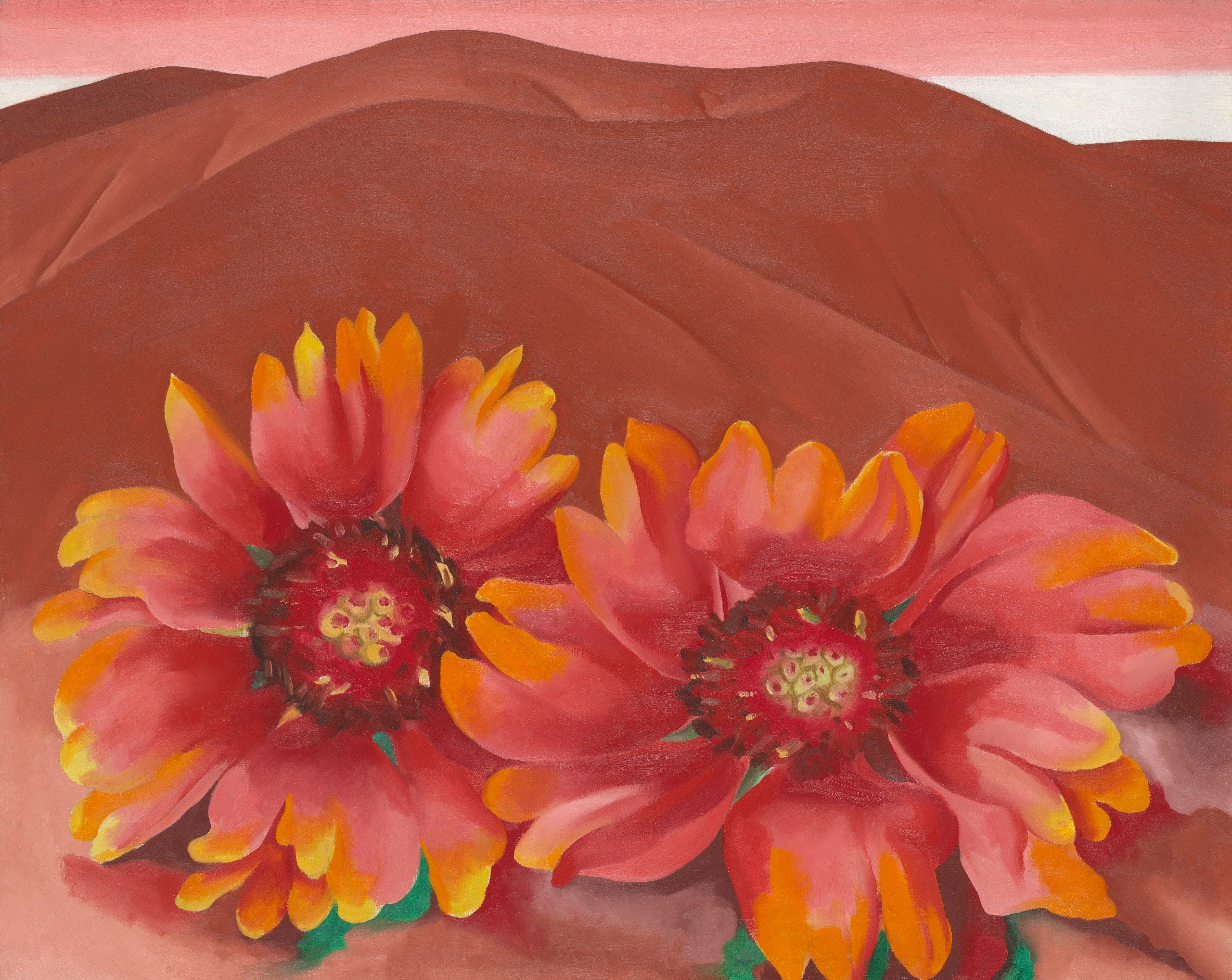
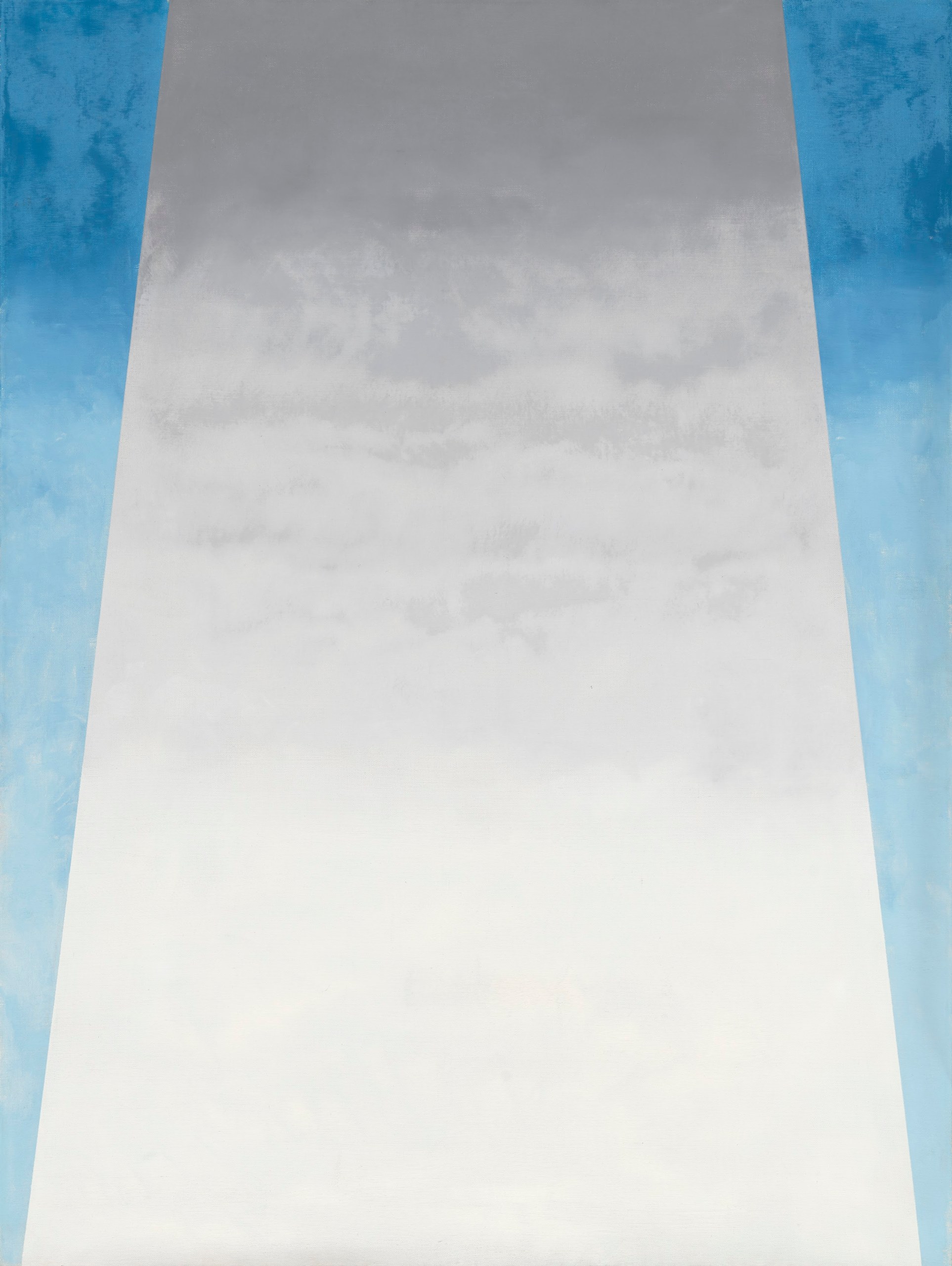
There are also paintings of the Black Place and the White Place in the Bisti Badlands, terrain she found while driving through New Mexico in a car she had modified herself. From a Day with Juan IV (1977) comes from a visit to Washington, D.C. with her assistant Juan Hamilton. It shows the Washington Monument from below, where two shades of stone meet.
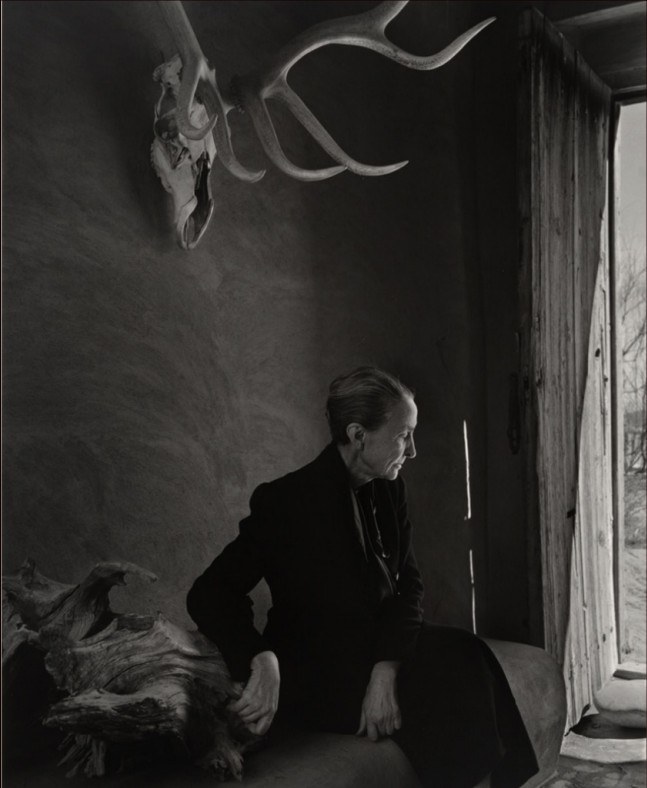
Late portraits of O’Keeffe by Yousuf Karsh, William Clift and others appear here as well. They sit alongside Far Away and Abiquiu, videos screened at the Georgia O’Keeffe Museum in New Mexico, and World of O’Keeffe, an immersive video with the artist’s own voice.
Films, talks and a symposium
The documentary Georgia O’Keeffe: The Brightness of Light screens at 3 p.m. on the last Wednesday of each month in the MMCA Gwacheon auditorium. The dates are 25 November and 30 December 2026, then 27 January and 24 February 2027. Actor Ok Ja-yeon voices the audio guide.
A lecture series with Korean and international art historians and curators also accompanies the exhibition. It opens on 12 November with curator Sarah Kelly Oehler on the significance of the Alfred Stieglitz Collection. On 20 March 2027, the museum hosts an international symposium, American Modernism and Western Art History. Afterwards, Georgia O’Keeffe and American Modernism travels to the Museum of Contemporary Art Busan in April 2027.
Project Credits
Exhibition: Georgia O’Keeffe and American Modernism
Dates: 12 November 2026 to 21 March 2027
Venue: Gallery 2, MMCA Gwacheon, South Korea
Organiser: National Museum of Modern and Contemporary Art, Korea (MMCA) / @mmcakorea
Collaboration: Association of Western Art History
Support: US Embassy in Korea
Works: The Art Institute of Chicago
Related Posts
Previous Post
Next Post
- OTLA terraces a forest slope into a village for retreat staff in Karnataka

- ARP studio sets a steel frame inside a 19th-century salt warehouse in Koper

- Pavillon wraps a family chalet in silver metal and old memories

- Stuart Ian Frost and Gunhild Lien raise a cylinder of spruce in an Alpine forest

- ecoLogicStudio threads a living garden through the vineyards of Canelli
- TAKK turns a bed into common ground for the Beaux Arts Ball