

Please briefly describe your project here, and remember to include a download link to the project's media kit (including photos and videos) for the editorial team to access, eg. Dropbox, Google drive, WeTransfer...


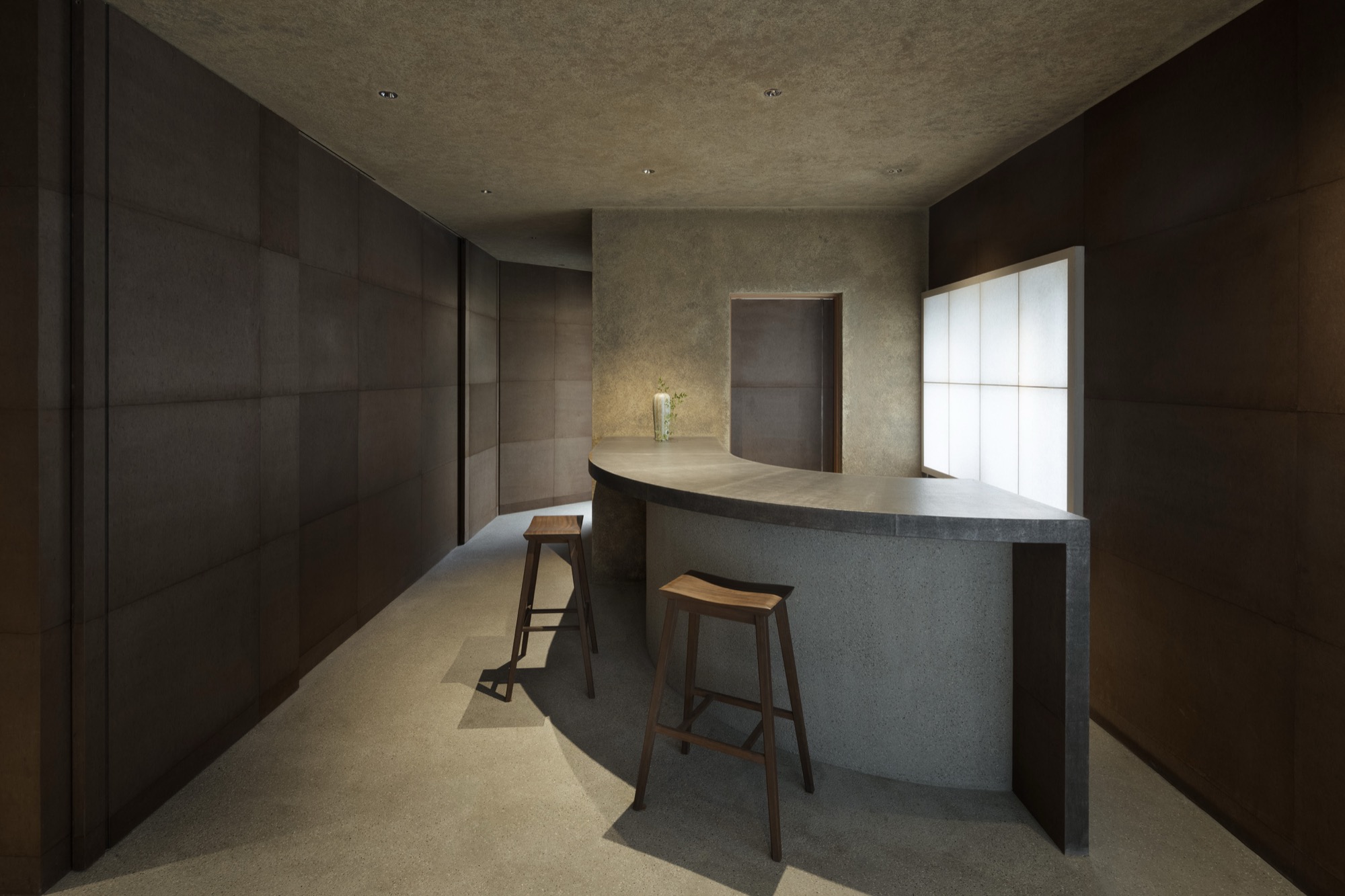
Just a short walk east of Daikanyama Station in Shibuya, Tokyo, a small gallery opens inside what still reads, from the street, as a traditional wooden house. Its exterior keeps the manners of a residence, but the threshold shifts everything. Once inside, the space tightens into a quiet clarity, where the everyday noise of Tokyo seems to dissolve into a steadier, more attentive tempo.
The building began as a typical timber home. Over time, pragmatic components were layered in, including aluminum window frames interrupting the post-and-beam order, creating the kind of visual clutter old houses often accumulate. Instead of masking these traces or turning them into nostalgia, the design team reorganized the interior according to the structure already there. The original staircase remains in place, still leading to an upstairs office, while the plan draws a firm line between the exhibition room and the utility functions. The result is not a house pretending to be a gallery, but a gallery that remembers it was once a house.
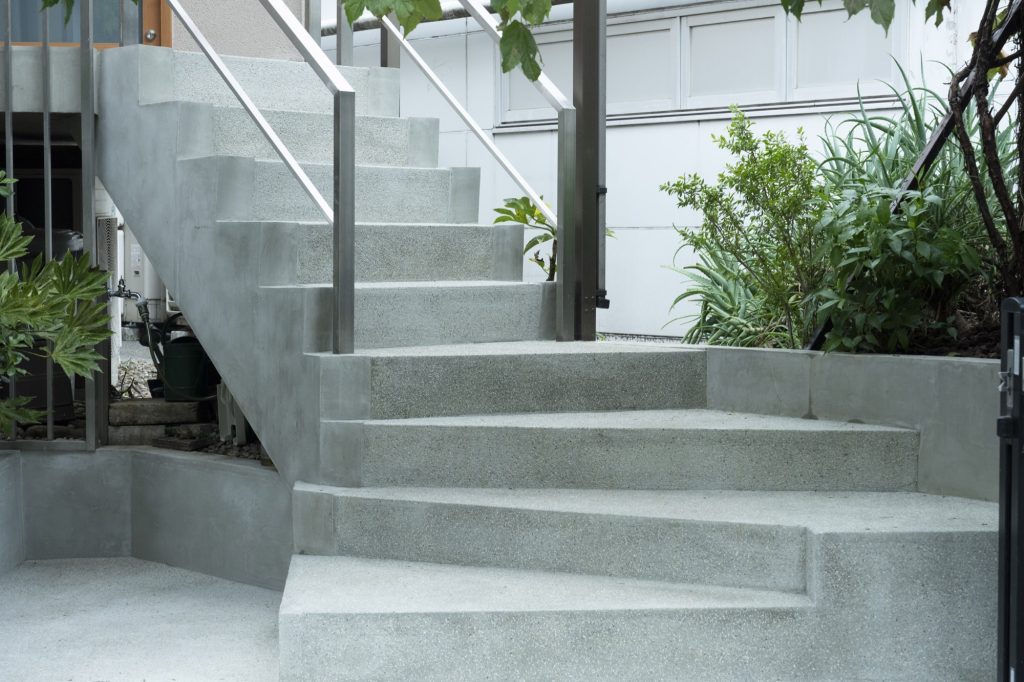
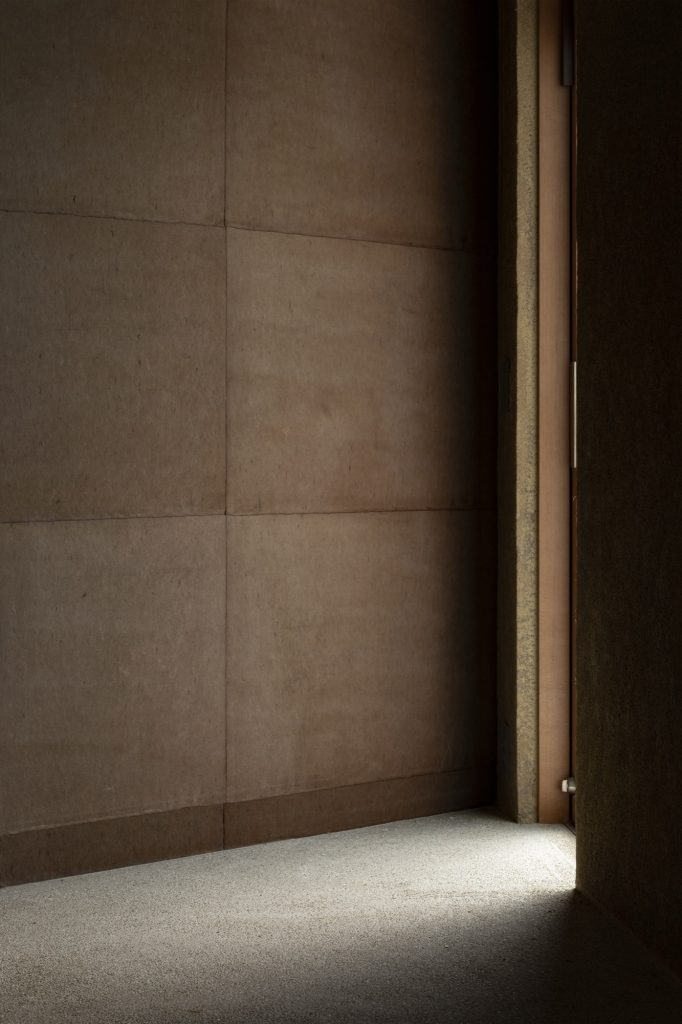
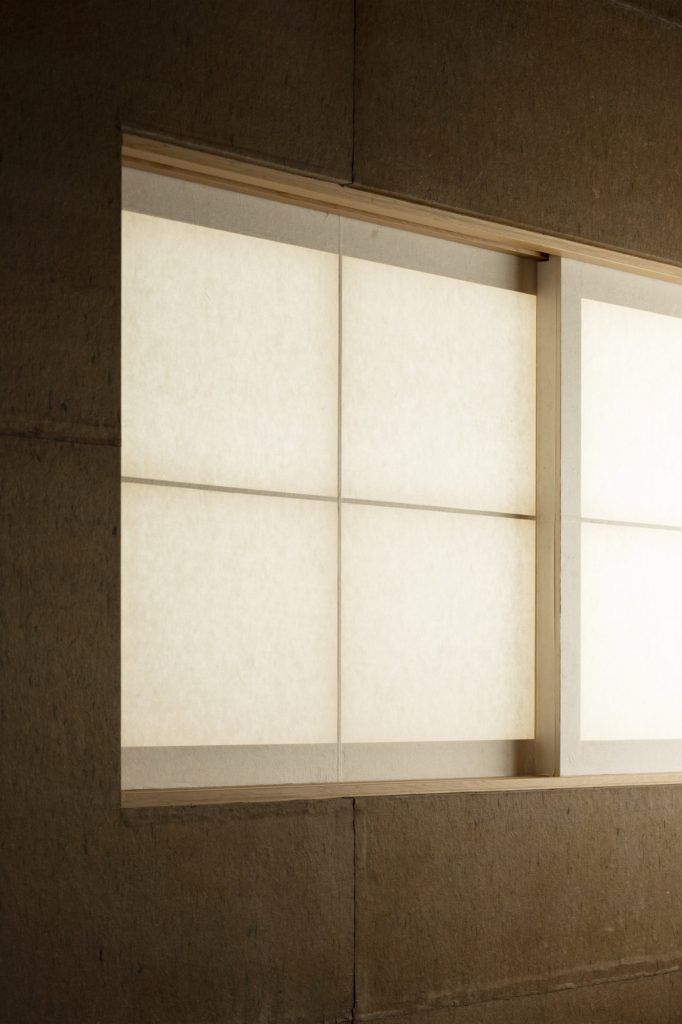
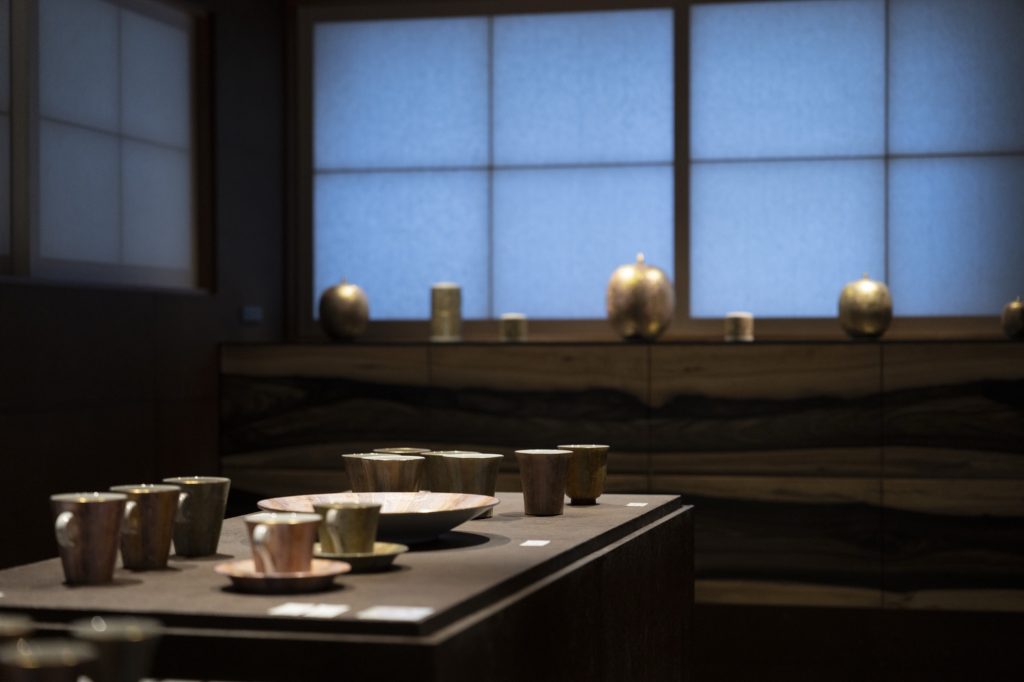
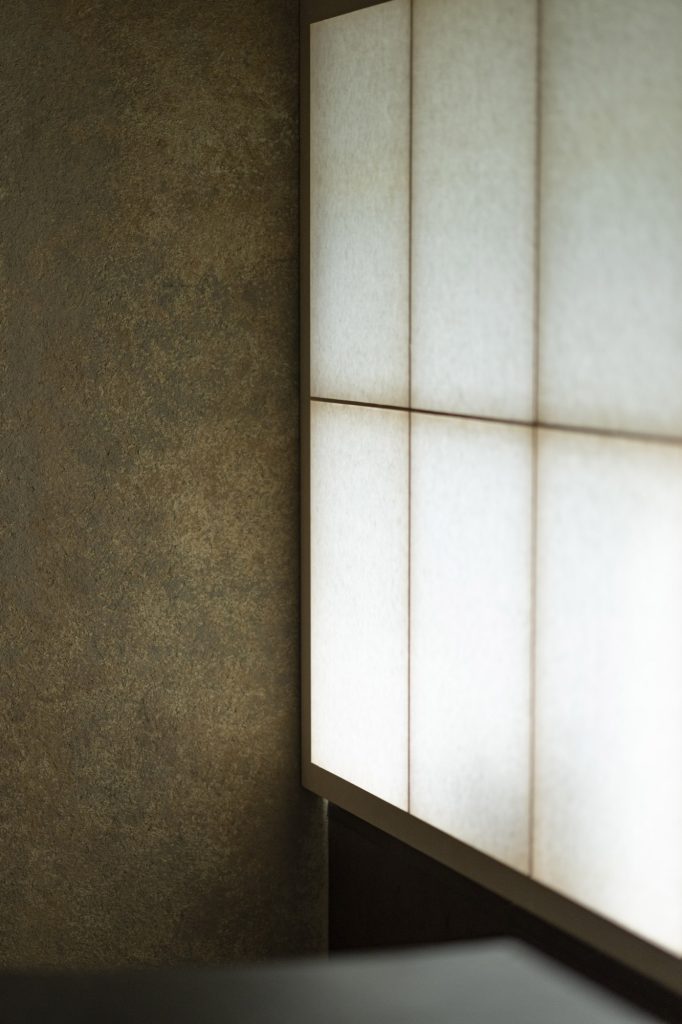
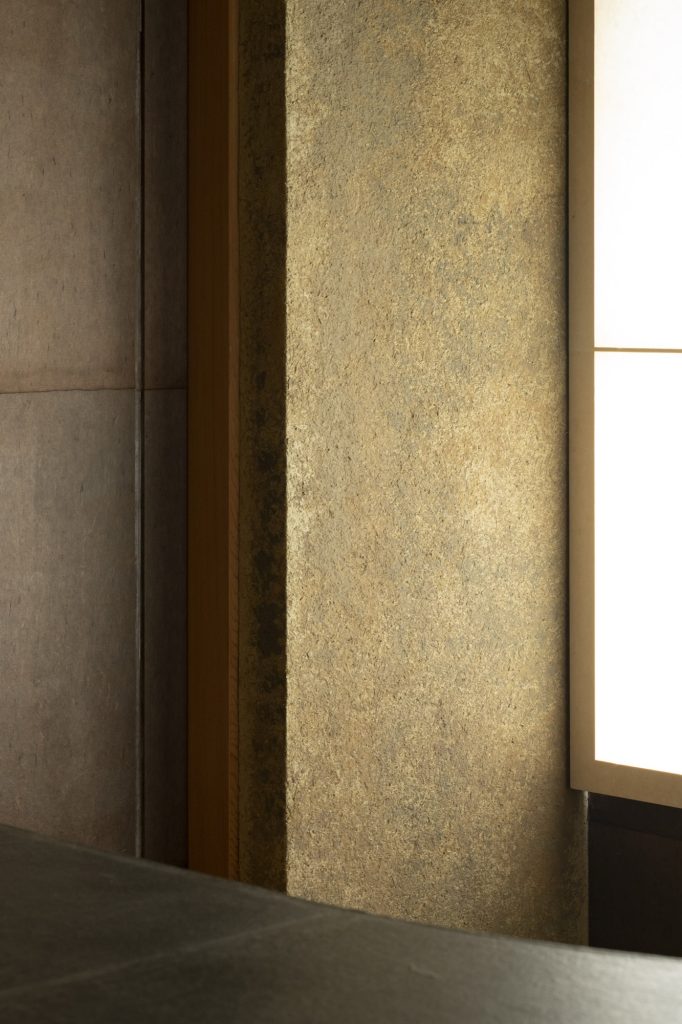
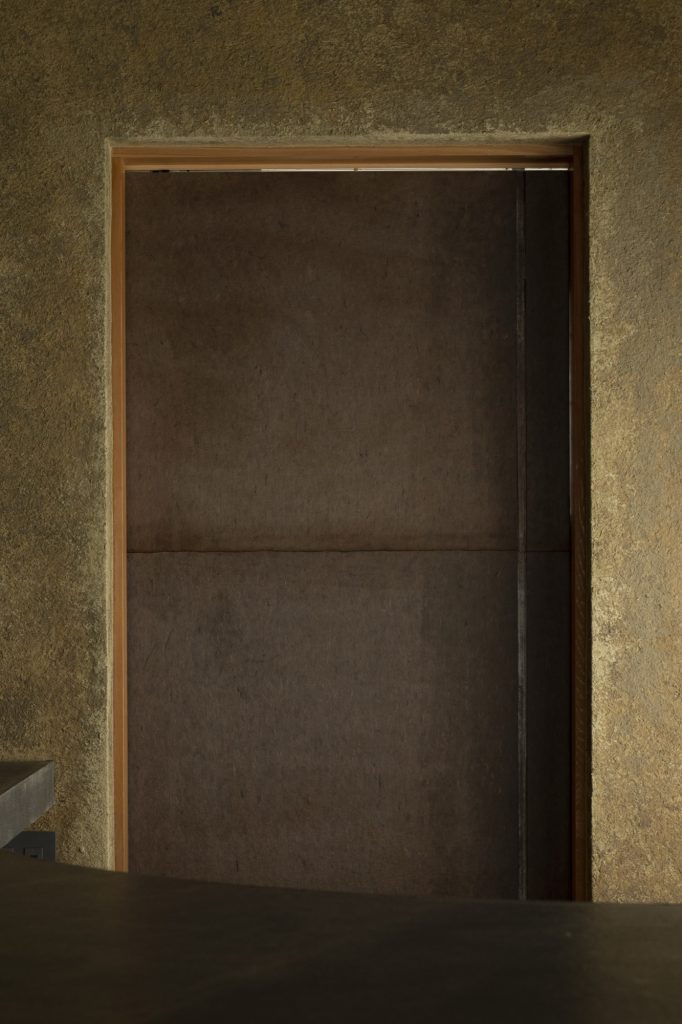
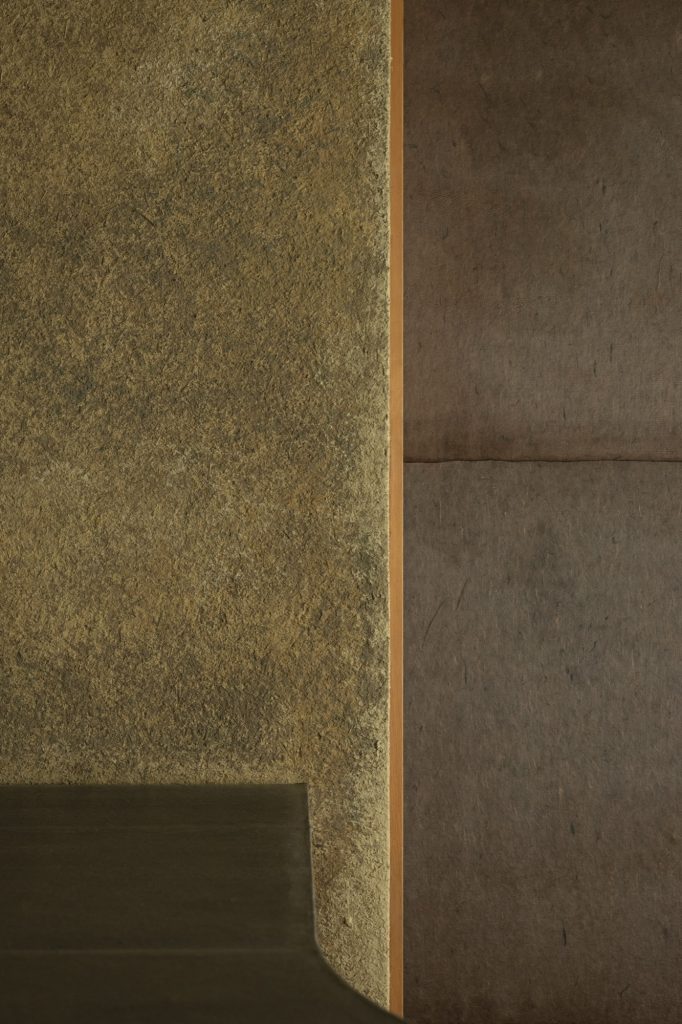
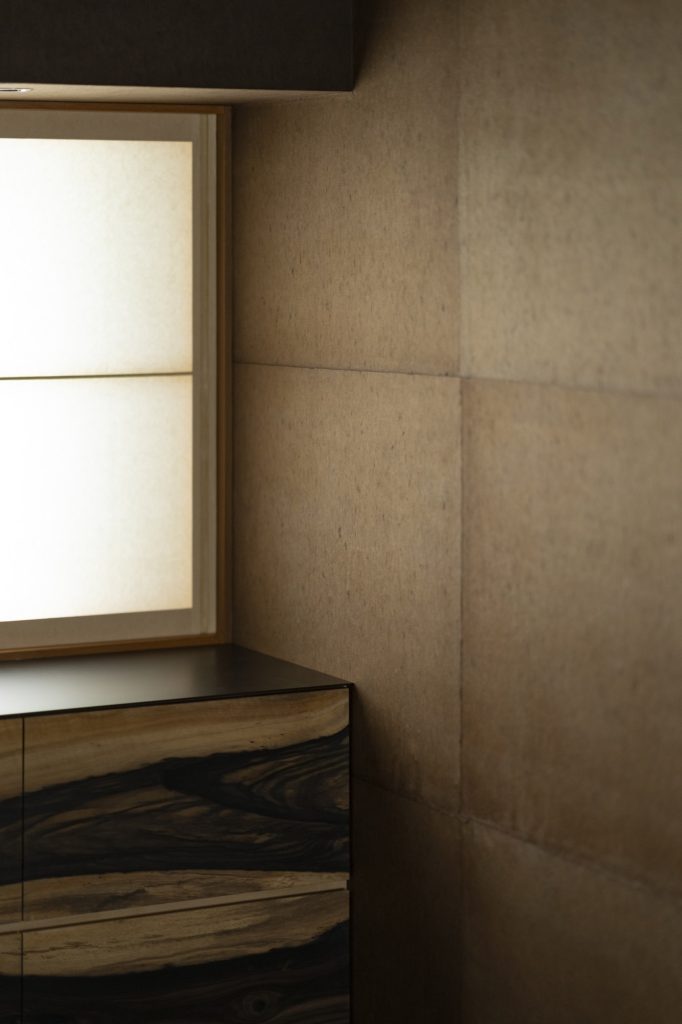
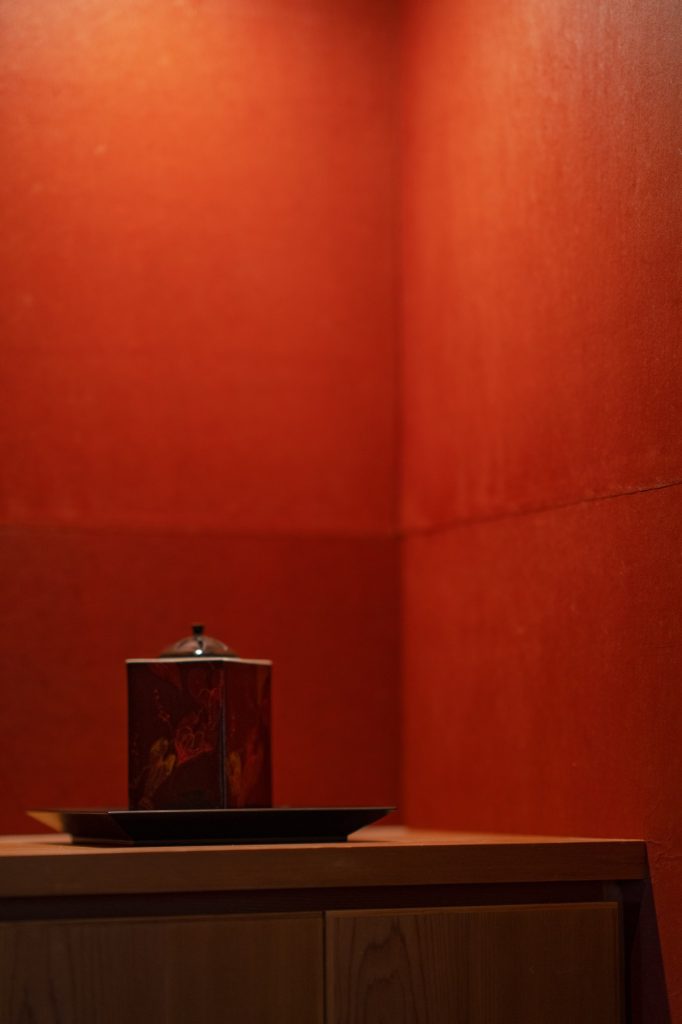
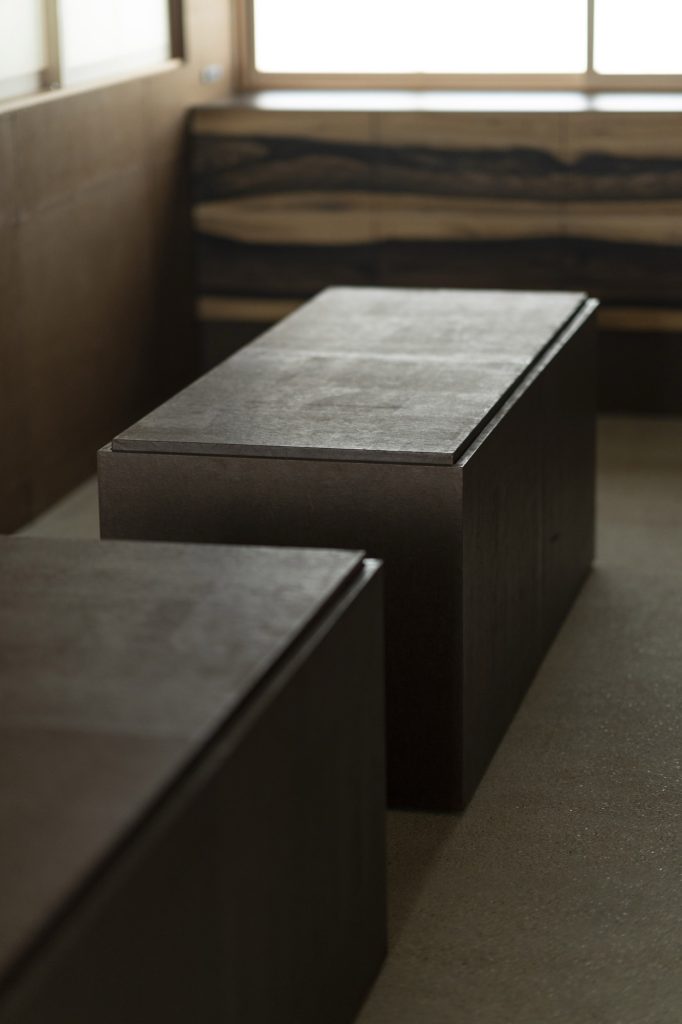
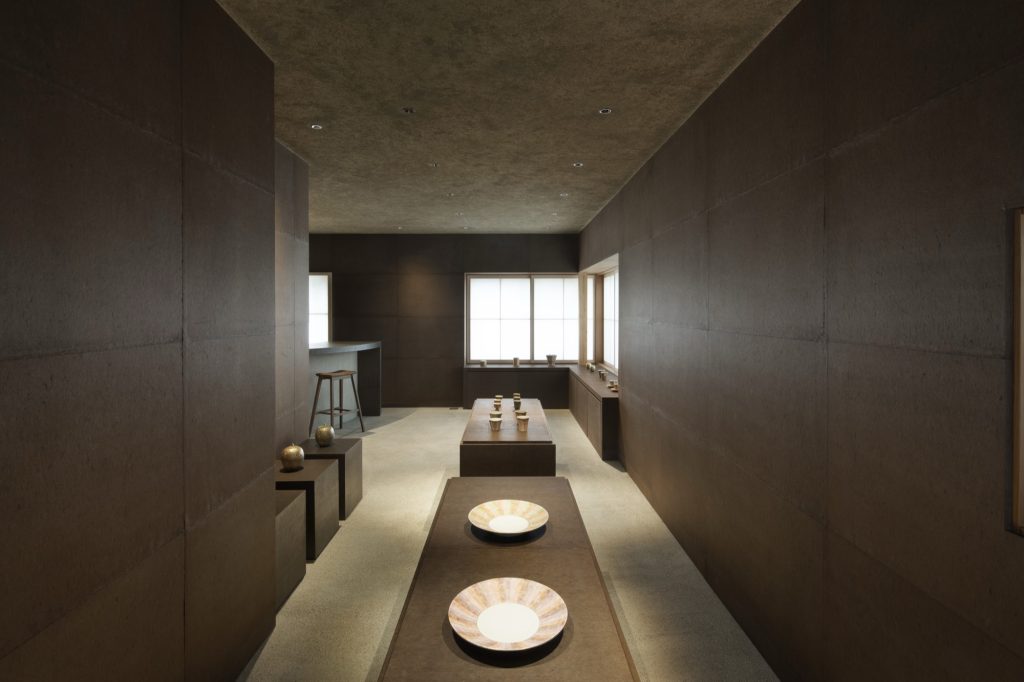
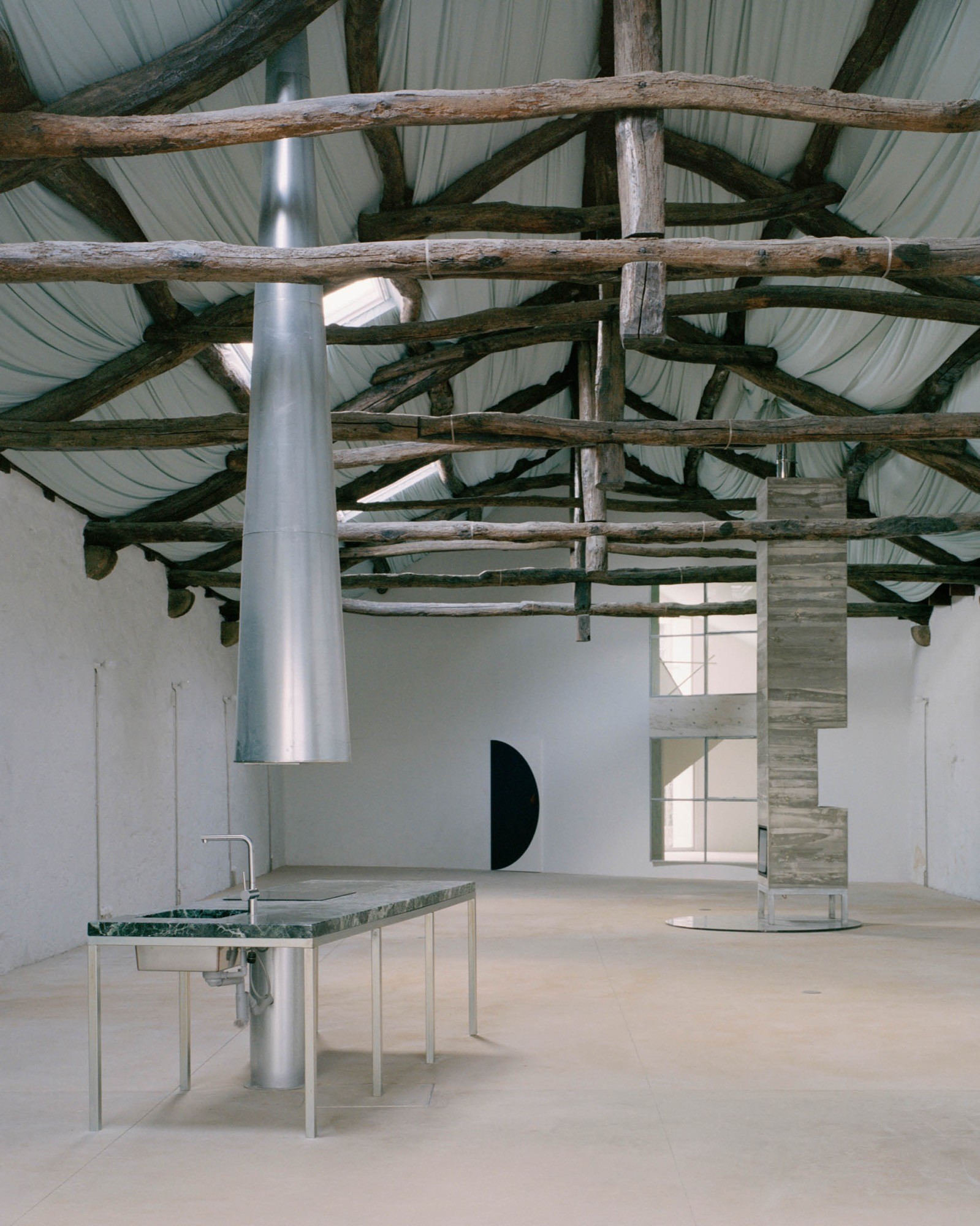
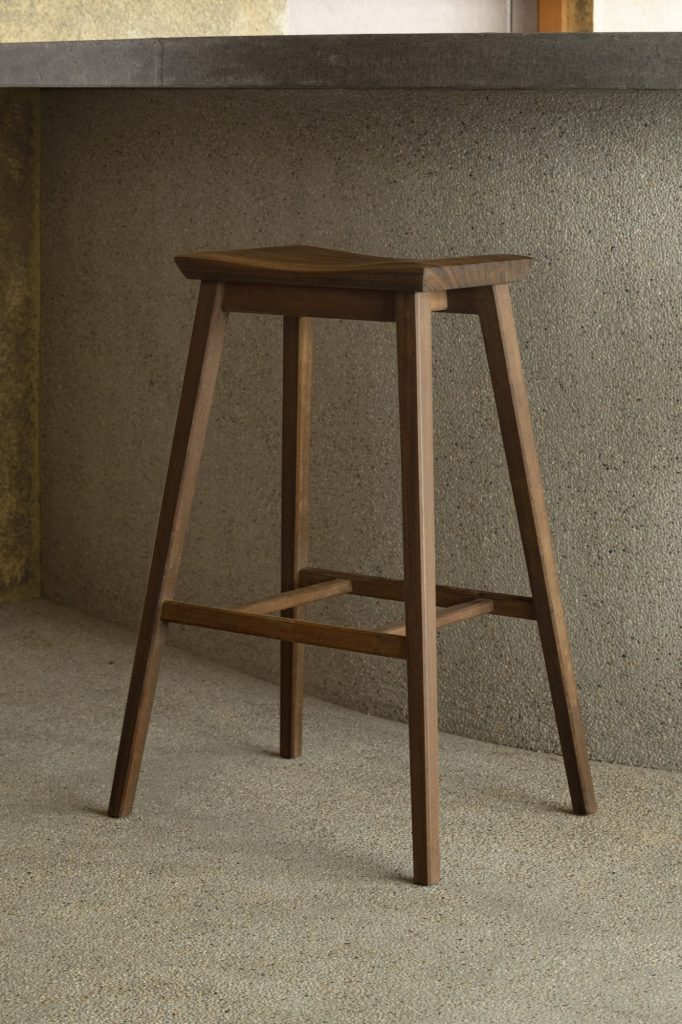
Material choices deepen that sense of restraint. The walls are finished in Kurotani washi, soft in tone and intentionally repairable, with an undercoat that allows the room to adapt as display formats evolve. The floor is concrete with a simple washed finish, keeping a rustic, grounded texture underfoot. Overhead, the ceiling is dyed with pigments over an intermediate coat, absorbing light rather than reflecting it back, so the room never feels glossy or insistently “new.”
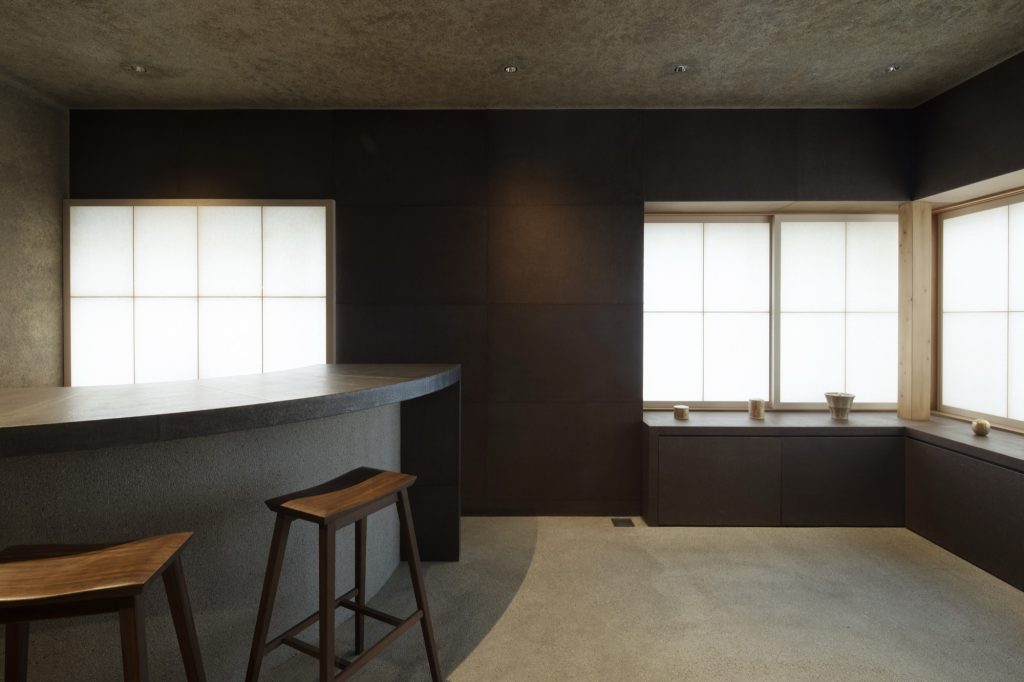
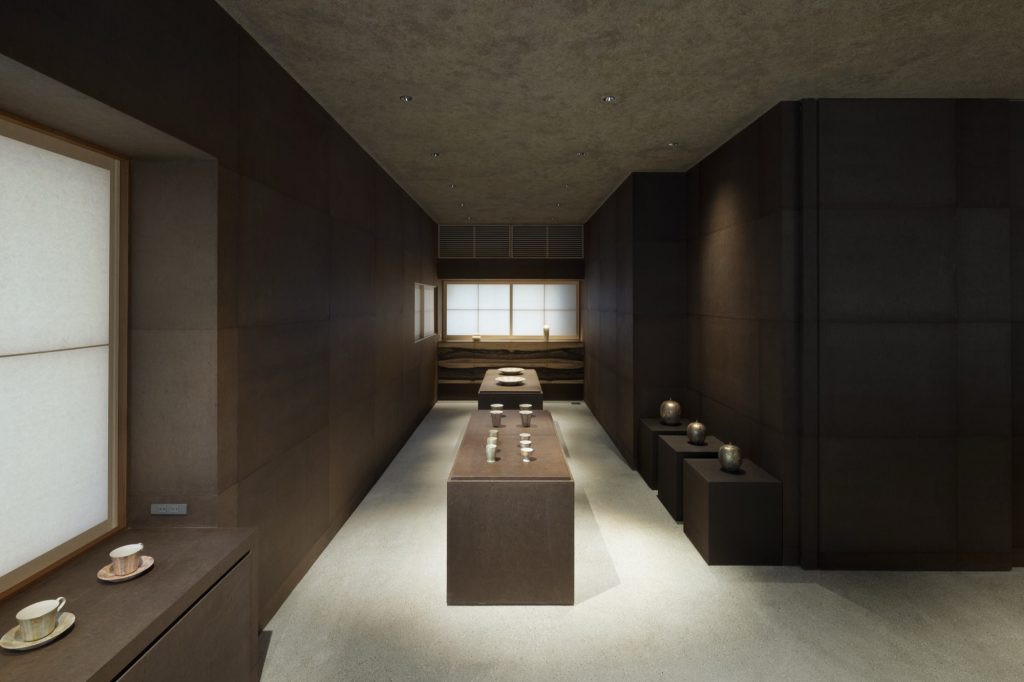
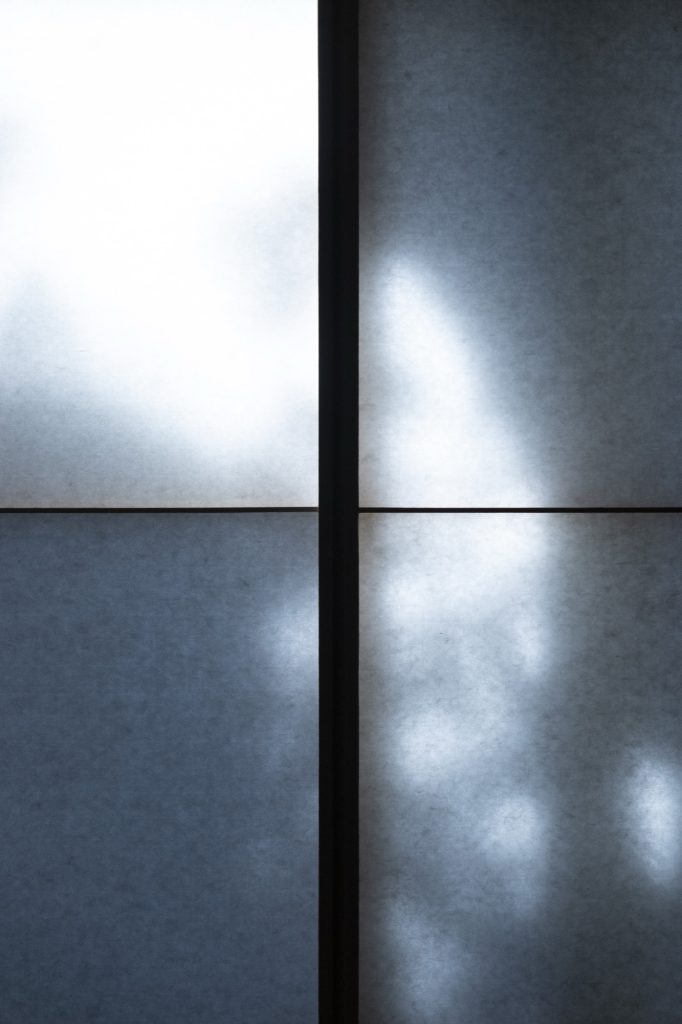
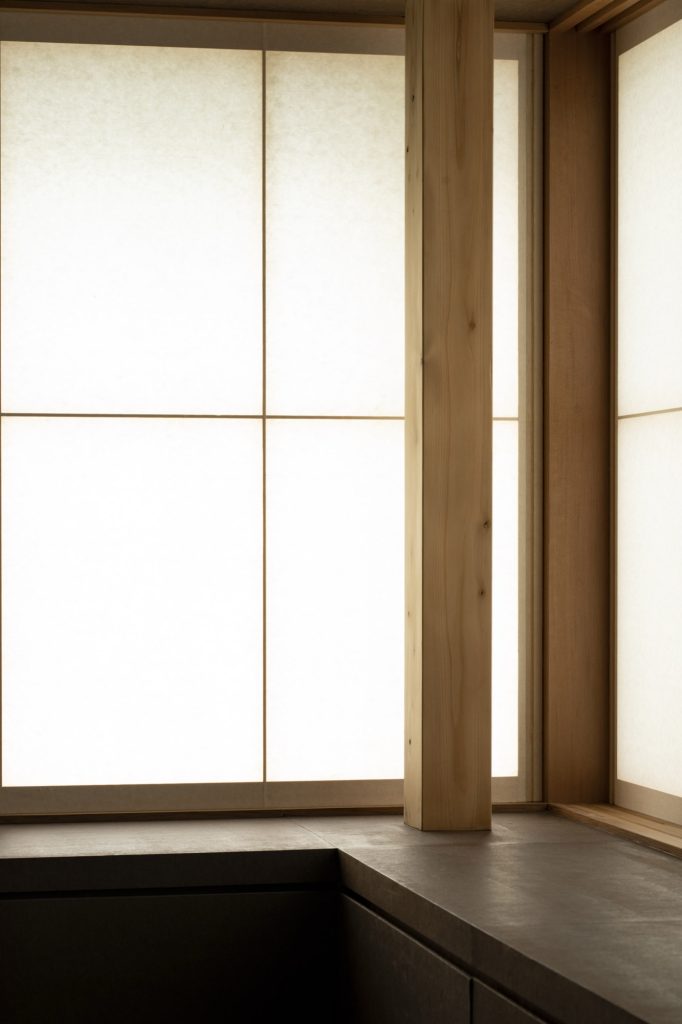
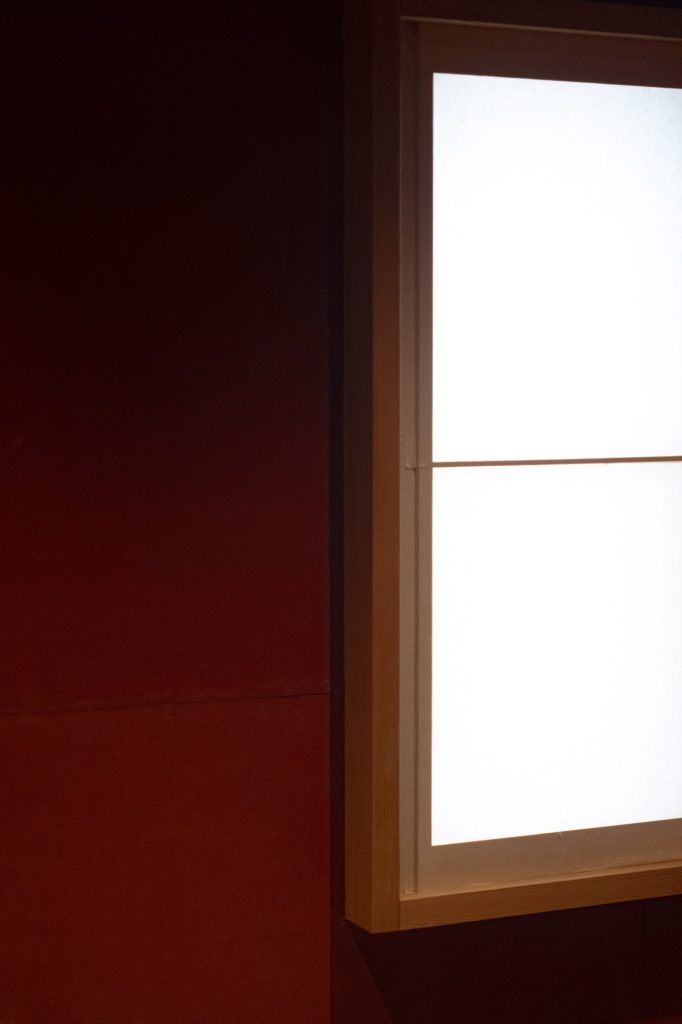
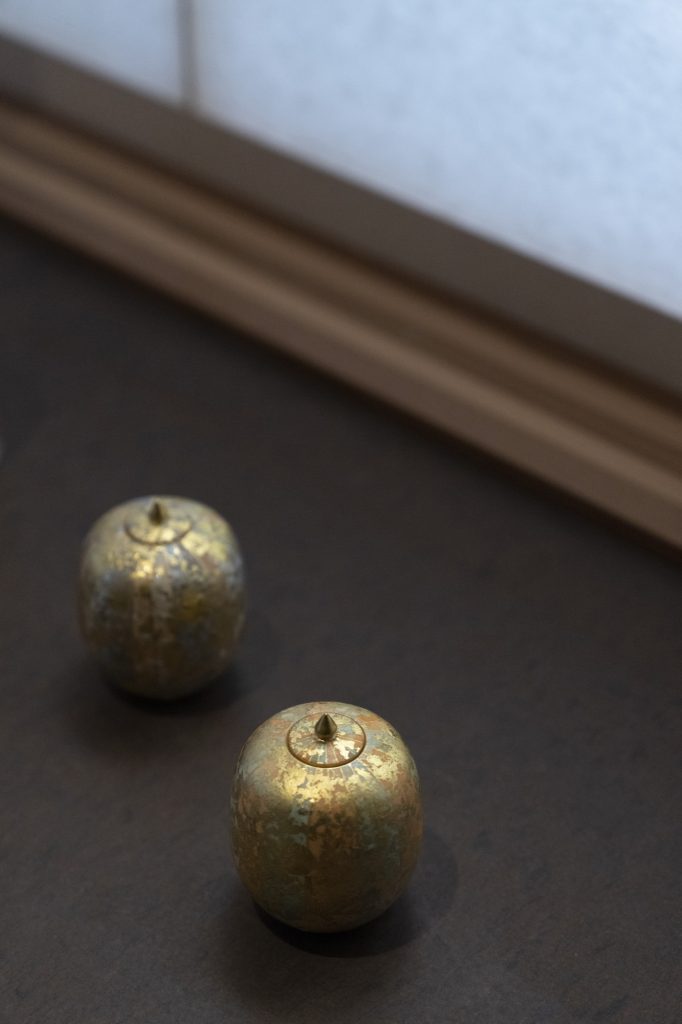
Light does most of the work. Drum-pasted shoji screens cut off exterior views entirely, yet admit daylight as a gentle, diffuse presence. The city is kept at a distance without being denied; what enters is not scenery, but atmosphere. As the day changes, the room changes with it, letting craft objects be seen without forcing them into a spotlight. When artificial lighting takes over, it stays subdued, blending into the natural register rather than replacing it. The space feels held together by continuity, not contrast.
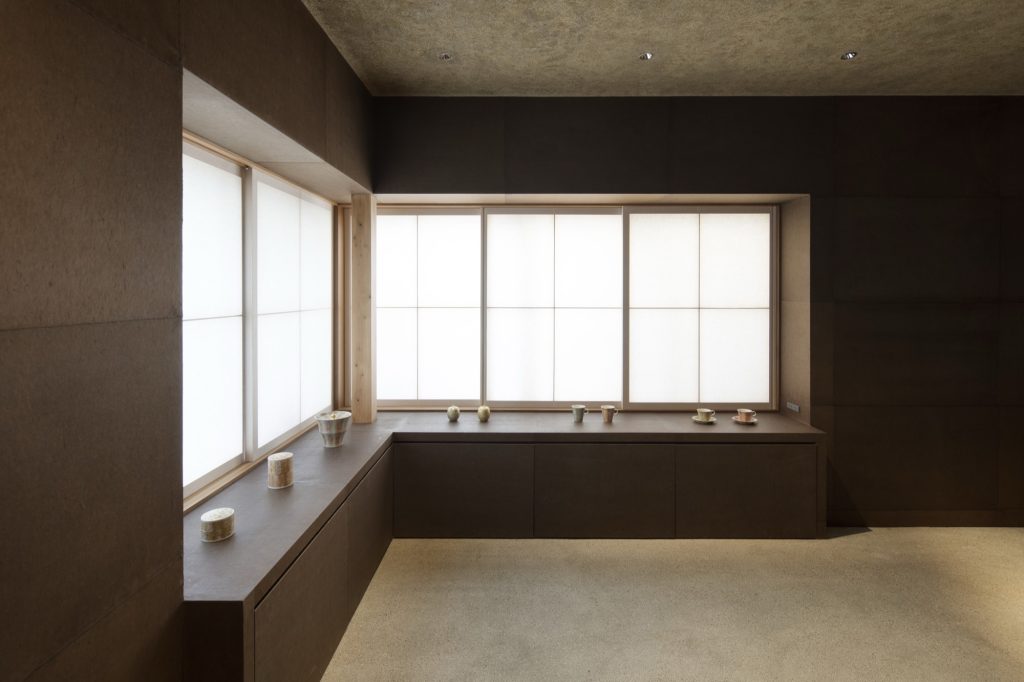
At the far end, a black persimmon element provides a single, dense note against the papered walls and softened ceiling. It reads as an anchor, a measured accent that gathers the room without turning it into a statement. That quiet cohesion is the renovation’s real achievement: nothing is exaggerated, nothing is erased. The house’s original character remains legible, but it is not performed.
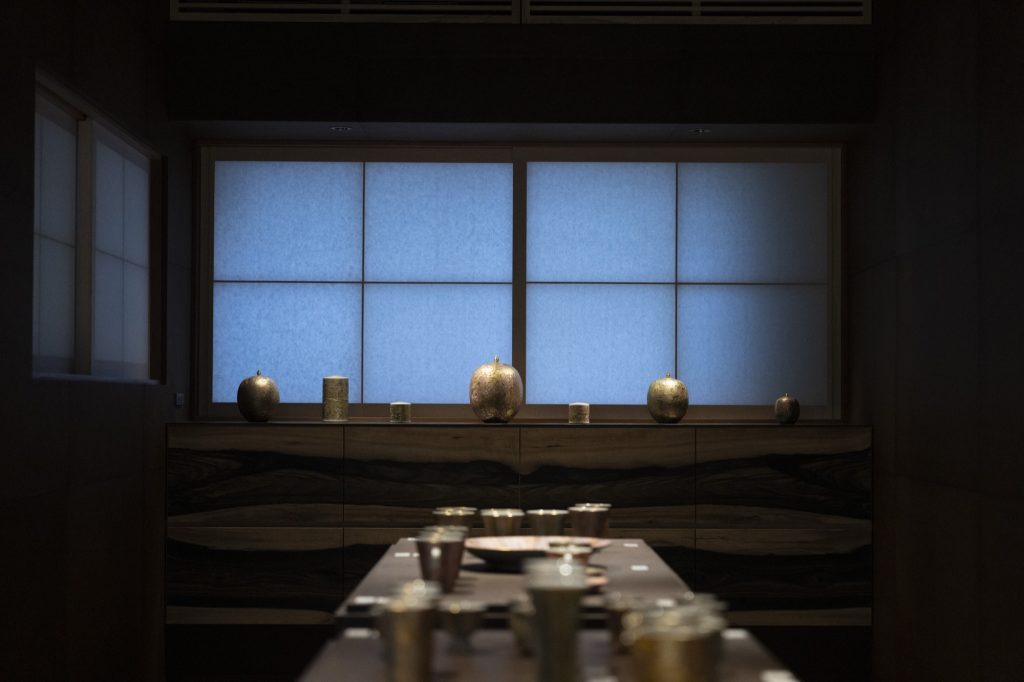
What emerges is a place built for duration. An ordinary wooden residence has been tuned, carefully and without theatrics, into a small sanctuary for craft in the middle of Tokyo’s velocity. New works will come and go, surfaces will be used and repaired, and the room will continue to hold time gently rather than fight it.
If you ever find yourself in Daikanyama, step inside and stay a moment longer than you planned. The gallery rewards attention the way good craft does: quietly, and then all at once.
Credit
Daikanyama Gallery / @daikanyamagallery.tokyo
Location: 1-19-1 Daikanyama-cho, Shibuya-ku, Tokyo
Design: koyori / @koyori_kyoto_japan
Photo: Junichi Usui
More Photos
Previous Post
Next Post
Loading Next Post...