Now Reading: A Contemporary Threshold for Saint Joseph’s Oratory: Architecture between pilgrimage and Landscape
- 01
A Contemporary Threshold for Saint Joseph’s Oratory: Architecture between pilgrimage and Landscape

A Contemporary Threshold for Saint Joseph’s Oratory: Architecture between pilgrimage and Landscape

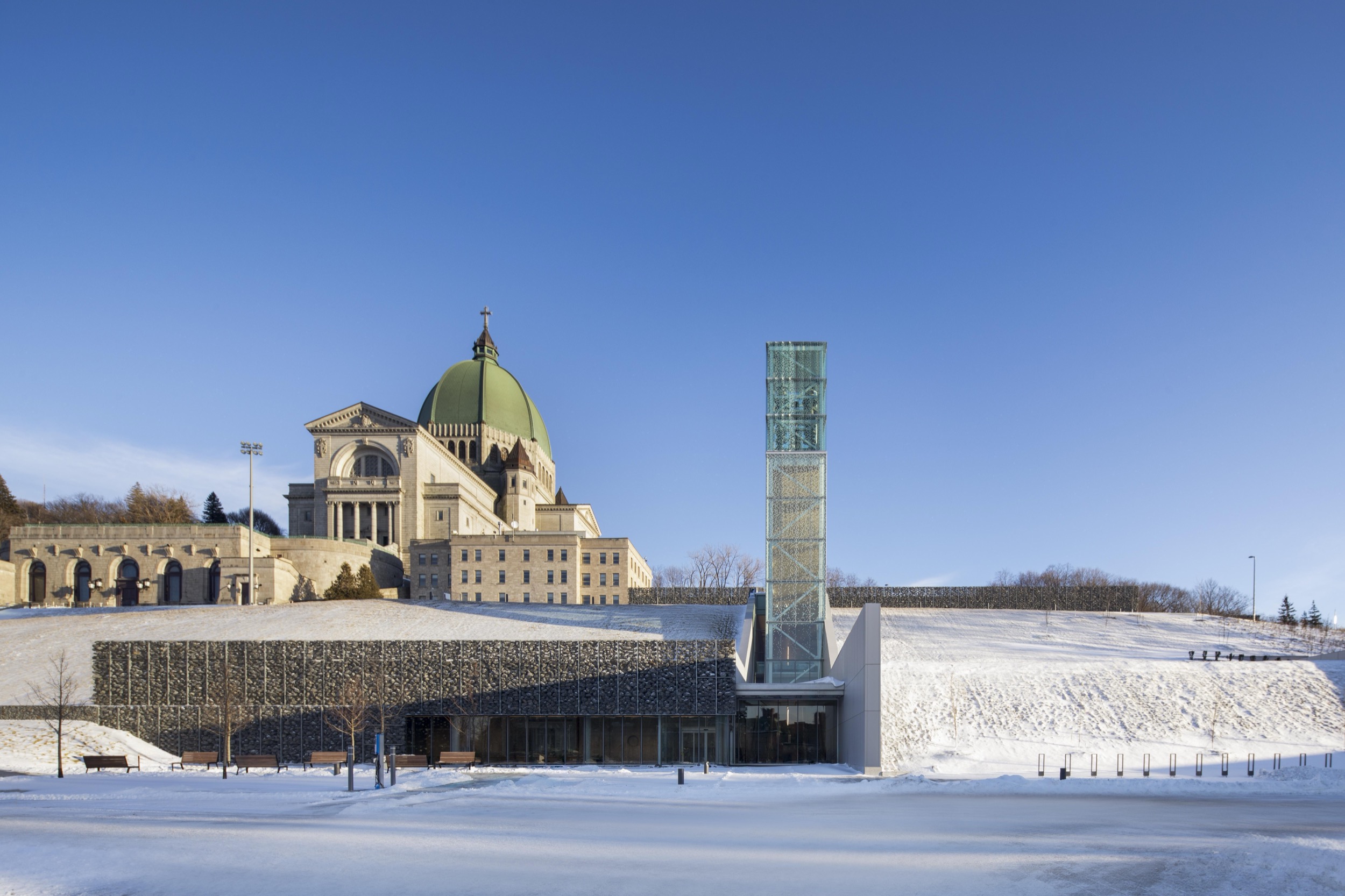
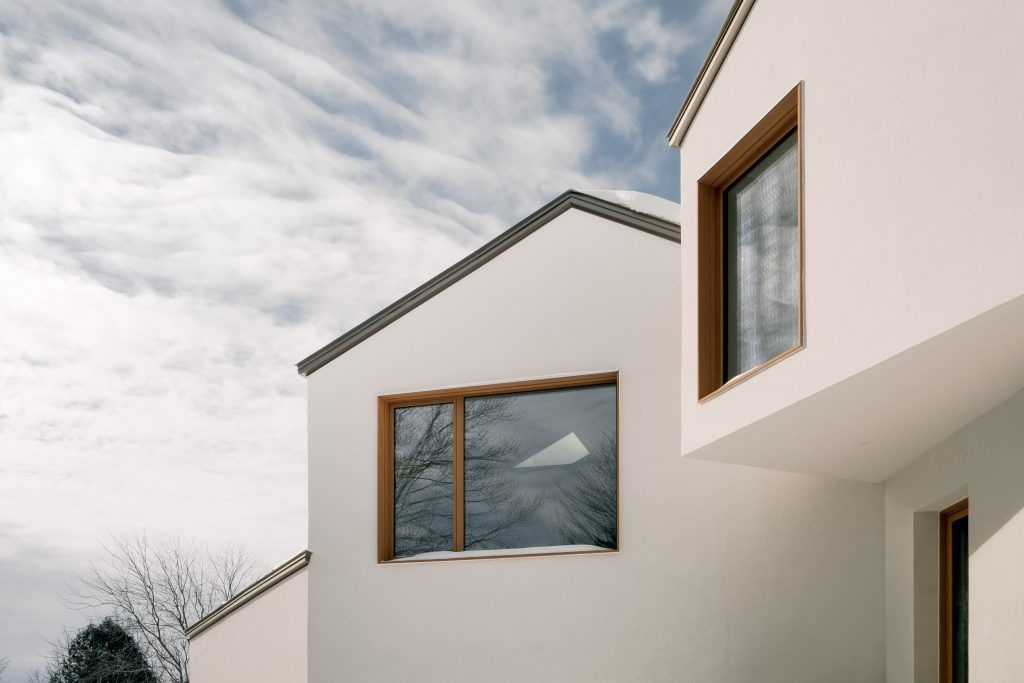
The new welcome pavilion at Saint Joseph’s Oratory of Mount Royal marks a subtle yet decisive shift in how one of Montreal’s most visited cultural and spiritual sites is experienced. Designed by Lemay, the four storey intervention introduces a contemporary architectural language that neither competes with nor imitates the historic basilica. Instead, it operates as a calibrated threshold, guiding visitors from the city into a slower, more reflective relationship with the mountain and the Oratory itself.

Conceived as part of a long term master plan initiated in 2000, the pavilion reframes arrival as a spatial sequence rather than a functional necessity. Movement becomes part of the pilgrimage, transforming circulation into an architectural experience shaped by light, sound, and material continuity.


SOUND, LIGHT, AND ASCENT
At the center of this transformation stands a new bell tower housing a sixty two bell carillon. More than a symbolic landmark, the tower operates as an acoustic guide, its resonant presence structuring the visitor’s journey across the site. Sound, architecture, and landscape intersect as the bells mark time and passage, reinforcing the Oratory’s spiritual dimension through sensory means rather than overt monumentality.


The pavilion itself follows the natural ascent of Mount Royal, embedding accessibility within the logic of topography. Wood and glass define its vertical and horizontal transitions, filtering light and views while maintaining a sense of openness. The architecture avoids spectacle, favoring an atmosphere of quiet clarity that supports contemplation.


MATERIAL CONTINUITY AND ENVIRONMENTAL RESPONSIBILITY
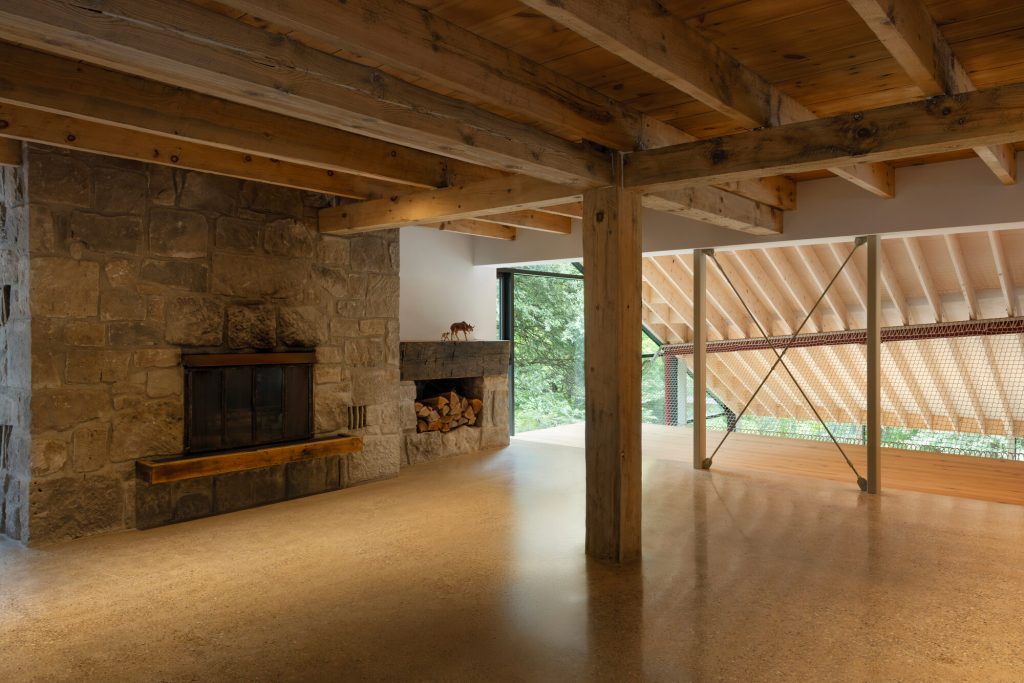
Material choices anchor the pavilion firmly within its context. Gabion walls constructed from stone excavated on site establish a direct relationship with the mountain, echoing the Oratory’s foundations while allowing light to penetrate deep into the interior. Terraced rooftops extend this dialogue, unfolding as inhabitable surfaces that offer new perspectives toward the dome and the city beyond.
Sustainability is embedded in these architectural decisions. Certified LEED Silver, the project integrates landscape restoration, high performance building systems, and energy efficient lighting and ventilation. Hard surfaces give way to planted areas, reducing heat accumulation and enhancing biodiversity, while maintaining comfort within a demanding climate.


Inside, the pavilion unfolds as a series of calibrated moments rather than a single gesture. Public areas open toward the landscape, offering views that encourage pause and observation. Gardens, plazas, and interior spaces flow into one another, guided by skylights and softly illuminated ceilings that establish rhythm and orientation. The architecture reveals fragments of its surroundings, connecting interior experience to the broader history and geography of the site.
A CONTEMPORARY RESPONSE TO HERITAGE
Rather than positioning itself as an object, the pavilion acts as an interface between past and present. Lemay’s approach demonstrates how contemporary architecture can engage with heritage through restraint, continuity, and sensory intelligence. The result is a building that feels both grounded and open ended, reinforcing Saint Joseph’s Oratory as a place of encounter, reflection, and collective memory within the contemporary city.


Project Credit
Architecture: Lemay / @lemayonline
Location: Montreal, QC, Canada
Year: 2025
Photo: Adrien Williams
More Photos