Now Reading: Nestler and the Culture of Precision: Drafting Tools as Industrial Heritage
- 01
Nestler and the Culture of Precision: Drafting Tools as Industrial Heritage

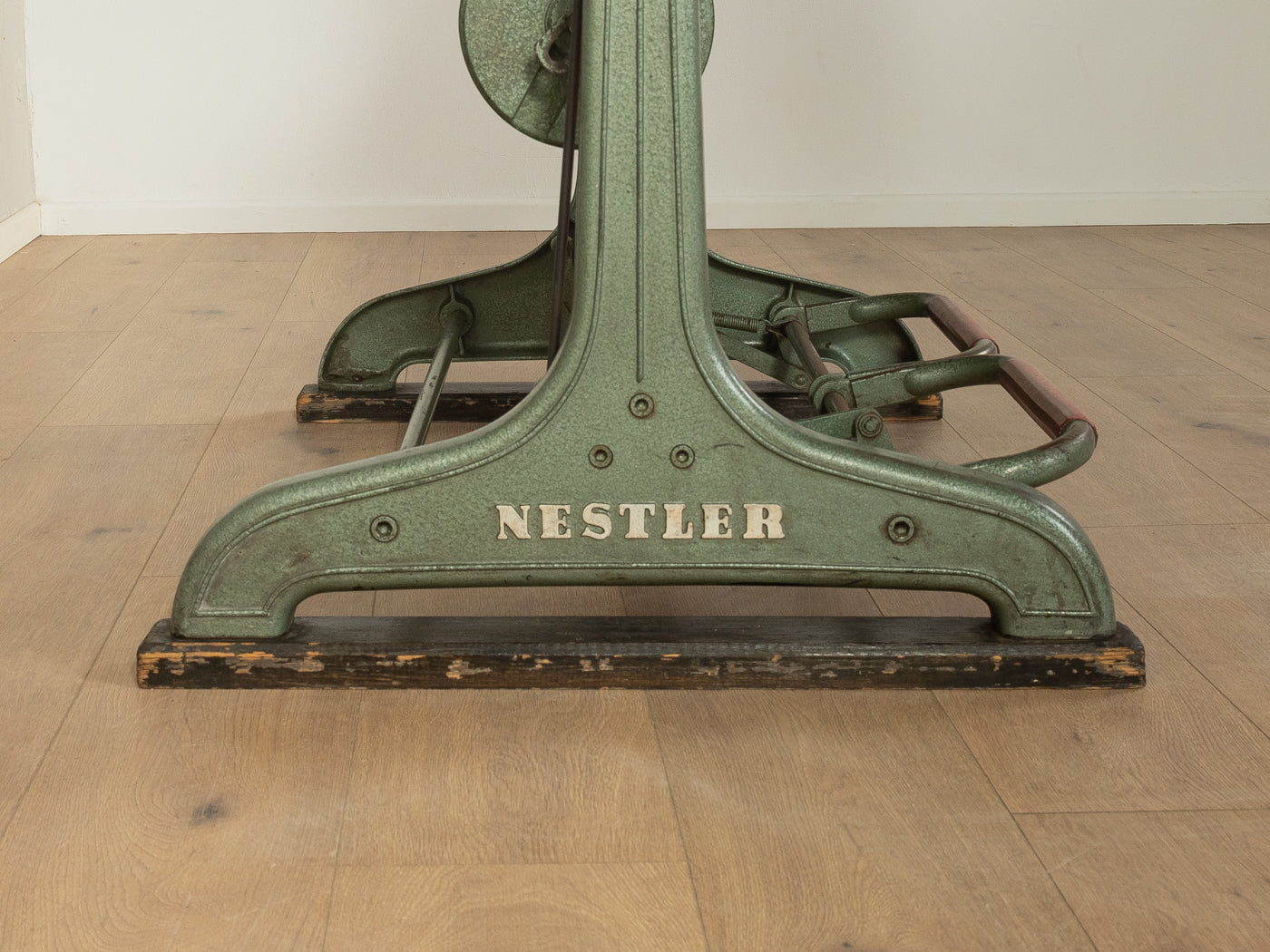

Standing before a classic Nestler drafting table, one encounters an object defined by weight, balance, and clarity of purpose. Its cast iron base, finished in a restrained industrial green, anchors the structure with a sense of permanence. The wooden drawing surface tilts through a counterbalanced mechanism, while height adjustment is controlled by a foot operated system. An integrated lamp casts an even and controlled light across the workspace. The name NESTLER, cast directly into the base, appears less as branding than as a declaration of function and origin.

Rather than presenting itself as furniture, the drafting table operates as a working instrument. It reflects a broader culture of German Präzision, where design is not an aesthetic pursuit alone but a disciplined alignment between tool, body, and task. Through this object, a larger narrative emerges, one that situates Nestler within the development of industrial design across the twentieth century.

Founded in 1878 in Lahr, in Germany’s Black Forest region, Albert Nestler AG began as a manufacturer of measuring instruments. Early production focused on surveying tools and scales, expanding into slide rules by 1880. These devices became central to scientific and engineering practice, and Nestler distinguished itself through the precision of its engraved scales and the durability of its materials.


The introduction of the Rietz system slide rule in the early twentieth century marked a significant moment in the standardization of technical calculation tools. Widely adopted across Europe, it became part of everyday practice in engineering and education. Nestler’s contribution was not the creation of singular iconic objects, but the establishment of reliable instruments embedded in daily work.
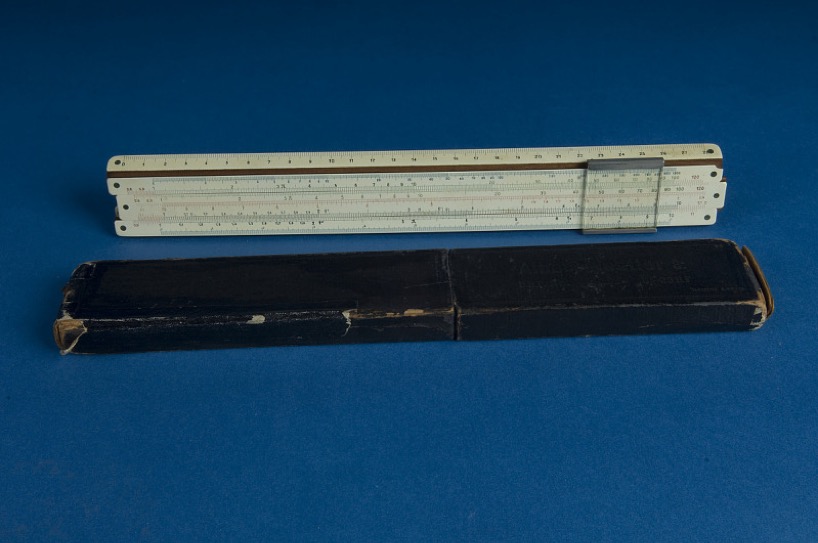
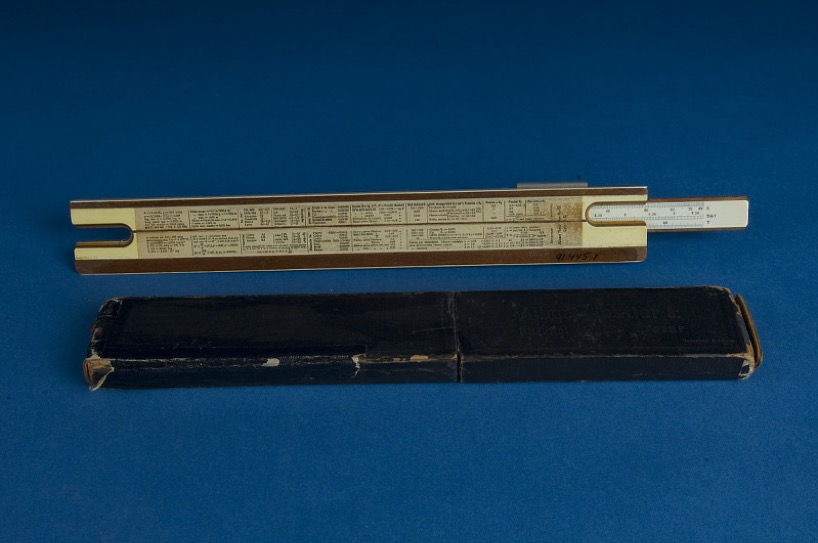

By the 1920s, the company expanded into drafting equipment, including large scale drawing tables and mechanical systems for technical drawing. This shift marked a transition from handheld tools to spatial working environments. The drafting table became a site where calculation, representation, and physical posture converged into a unified act of making.
The material language of these objects remained consistent. Cast iron provided stability and resistance to vibration, while timber surfaces introduced a workable and repairable plane. Coatings such as celluloid improved legibility and durability in slide rules. Small technical details, including the use of German silver components, reflected an emphasis on longevity rather than replacement.


Unlike the Bauhaus, which pursued formal reduction, or American industrial design aligned with mass consumption, Nestler operated within a restrained framework. Its products were neither stylistically radical nor commercially expressive. Instead, they embodied a form of continuity, where design evolved through refinement rather than reinvention.


The mid twentieth century brought both disruption and adaptation. The company’s facilities sustained significant damage during World War II, followed by a period of reconstruction. In the decades that followed, Nestler continued to refine its drafting systems while maintaining its established production principles. By the late 1970s, the rise of electronic calculators rendered slide rules obsolete, leading to the end of their production in 1978.


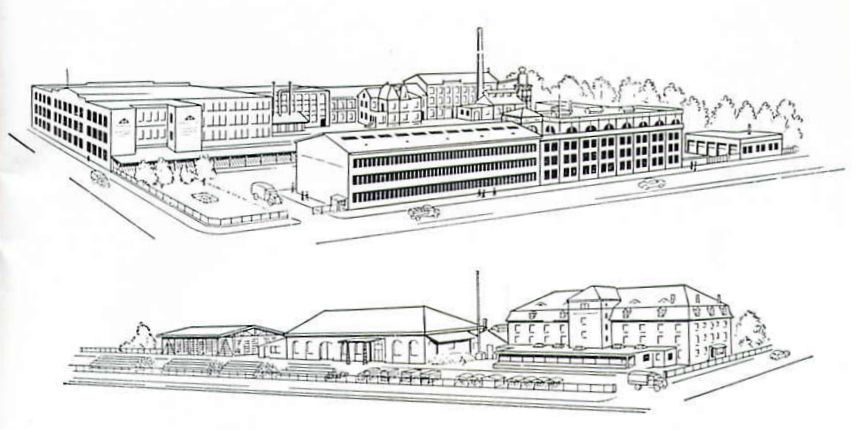
This moment did not mark a conclusion but a transition. Nestler shifted toward drafting equipment and later digital tools, including early CAD systems. The company’s trajectory demonstrates an ability to adapt its methods while maintaining a consistent philosophy centered on precision and usability.


Today, surviving Nestler drafting tables occupy a different position. Removed from their original industrial context, they are increasingly understood as artifacts of a pre digital design culture. Their continued functionality points to a set of values often associated with slow design, where durability, repairability, and long term use take precedence over speed and replacement.

Within the broader discourse of European design, Nestler represents a lineage in which industry and culture remain closely intertwined. Its products do not seek visibility as objects of style, but instead support the conditions of thinking and making. The drafting table, in particular, frames a mode of work that is both physical and reflective, structured yet open.
Seen in this light, the persistence of these objects is not a matter of nostalgia. It suggests an alternative understanding of technological progress, one in which precision is not only a technical attribute but also a cultural position. The Nestler table continues to function not simply as equipment, but as a reference point for how design engages with time, labor, and knowledge.